
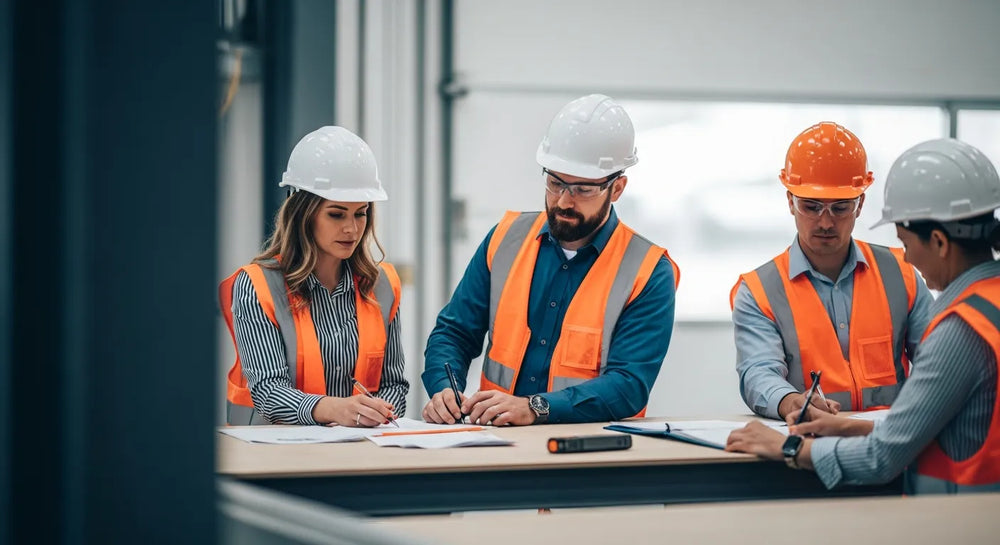
Analyzing the Cost to Build House in Colorado Projects
Table of Contents
- Introduction
- The Regional Landscape: Why Colorado is Unique
- Breaking Down the Hard Costs of Construction
- The Liquidity Challenge in the Construction Supply Chain
- Time-to-Terms: The Modern Procurement Advantage
- Strategic CapEx and Tax Incentives for Developers
- Sourcing American-Made: Quality and Compliance
- Understanding Soft Costs: Permits, Impact Fees, and Design
- Managing the Cash Conversion Cycle
- Logistics and the "Colorado Mountain" Factor
- Improving Total Cost of Ownership (TCO)
- The Future of Construction Procurement
- Strategic Procurement Scenarios
- Conclusion
- FAQ
Introduction
For a general contractor overseeing a multi-unit residential development in the Front Range, a three-week delay in electrical conduit delivery isn't just an inconvenience; it is a catastrophic drain on the project’s internal rate of return. In the construction industry, where thin margins are the norm and labor schedules are tight, the speed of procurement often determines the success of the build. Whether you are a business owner looking to develop workforce housing or a developer managing custom residential estates, understanding the cost to build house in Colorado projects requires a deep dive into more than just the price of lumber or the rate of local labor. It requires a strategic view of the supply chain, an understanding of regional logistics, and a firm grasp on the financing mechanisms that keep a project liquid.
At Maden.co, our mission is to democratize access to American manufacturing, ensuring that those managing large-scale construction and industrial projects have the direct line to the materials they need without the friction of traditional procurement cycles. We recognize that the "U.S. Manufacturing Revival Is Here," and Colorado’s booming construction sector is a primary beneficiary of this movement. This article will explore the multifaceted costs associated with Colorado construction, the structural liquidity challenges facing the industry, and how leveraging modern financing tools can significantly lower your Total Cost of Ownership (TCO). By the end of this analysis, you will have a comprehensive framework for budgeting, sourcing, and financing your next Colorado-based project.
The Regional Landscape: Why Colorado is Unique
The cost to build house in Colorado projects is heavily influenced by the state’s diverse topography and climate. Building a structure in the high-desert plains of Pueblo is a vastly different engineering challenge than erecting a mountain modern home in the San Juan Mountains or a high-density development in Denver.
Topographical and Geological Considerations
Colorado's geology presents unique hurdles. In many parts of the state, particularly along the Front Range, expansive soils are a major concern. These soils expand when wet and shrink when dry, which can cause significant foundation damage if not properly addressed through over-excavation or the use of structural piers. These geological requirements can add tens of thousands of dollars to the initial site work costs. Furthermore, mountain builds often require blasting through granite or specialized retaining wall systems to manage steep slopes, adding another layer of expense that isn't typically factored into a standard national average for construction.
Climate and Energy Codes
Colorado is a leader in energy efficiency standards. Many municipalities have adopted stringent building codes that exceed national minimums, requiring high-performance insulation, high-efficiency HVAC systems, and triple-pane windows to combat the extreme temperature swings found at high altitudes. While these features increase the upfront cost, they are essential for the long-term viability and comfort of the structure. Sourcing these high-performance materials from verified U.S. manufacturers through a comprehensive catalog of industrial goods ensures that builders meet local codes while supporting domestic supply chains.
Breaking Down the Hard Costs of Construction
When analyzing the cost to build house in Colorado, we typically divide expenses into hard costs and soft costs. Hard costs are the tangible assets—the concrete, steel, wood, and fixtures that make up the physical structure.
Material Procurement and Price Volatility
The price of commodities remains a variable that keeps procurement managers awake at night. However, the true cost of materials isn't just the price on the invoice; it’s the cost of waiting. In traditional procurement, a builder might spend weeks onboarding a new supplier, negotiating net terms, and waiting for credit approvals. This "time-to-terms" friction can stall a project before the first shovel hits the ground.
By utilizing Maden Pay, businesses can bypass this traditional bottleneck. Instead of waiting weeks for a credit application to be processed by a siloed manufacturer, buyers can check eligibility and receive a decision almost instantly. This allows for the immediate purchase of critical materials, ensuring that the project timeline remains intact even when market volatility strikes.
Labor Shortages and Specialized Trade Costs
Colorado has experienced a chronic shortage of skilled tradespeople, from licensed electricians to specialized stone masons. This shortage drives up the hourly rate for labor and often results in scheduling delays. To mitigate this, many developers are turning to prefabricated components or modular construction elements manufactured right here in the United States. These American-made solutions reduce on-site labor requirements and improve the overall quality of the build.
The Liquidity Challenge in the Construction Supply Chain
U.S. manufacturing and construction face a structural liquidity challenge. Small to medium-sized manufacturers often operate on tight margins and require payment cycles that don't always align with the long-term nature of construction projects. Simultaneously, buyers are often forced to wait for bank credit lines to be extended or for progress payments to clear before they can order the next phase of materials.
This gap in cash flow is where many projects fail. Traditional bank credit is tightening, and for many contractors, securing a revolving line of credit specifically for material procurement can be an arduous process. We believe that financial innovation is just as important as technical innovation in the manufacturing sector. This is why we have integrated Maden Pay into our marketplace. It provides the necessary liquidity to bridge the gap between material acquisition and project completion, offering terms that align with the business's actual cash conversion cycle.
Time-to-Terms: The Modern Procurement Advantage
In the old model of industrial sourcing, if a project manager needed a specialized batch of NPT-threaded fittings or industrial-grade fasteners, they would have to find a vendor, submit a credit application, provide years of financial statements, and wait for a manual review. This process could take 15 to 30 days.
At Maden.co, we are a strategic partner in building a resilient, U.S.-based supply chain, and that resilience starts with speed. Our embedded financing solution changes the "time-to-terms" from weeks to seconds.
Why Speed Matters for Colorado Builders
Imagine a scenario where a mid-winter storm damages an HVAC unit on a job site in Eagle County. The replacement part is available from a manufacturer in Ohio, but the contractor doesn't have an open account with them. In the traditional world, the site sits idle while the paperwork is shuffled. Through Maden.co, that same contractor can apply for Maden Pay and secure the financing for that part immediately.
- Instant Decisions: Soft credit checks provide eligibility decisions in under 60 seconds.
- Flexible Capacity: Credit lines often range from $5,000 to over $250,000 for qualified businesses.
- Unified Approval: Once approved, that credit line works across the entire Maden.co marketplace, eliminating the need to renegotiate terms with every new American manufacturer you source from.
Disclaimer: Approvals, limits, and terms are subject to business eligibility and credit review.
Strategic CapEx and Tax Incentives for Developers
When calculating the total cost to build house in Colorado, savvy business owners also look at the tax implications of their capital expenditures. The acquisition of machinery for site prep, large-scale HVAC systems, or even the materials used in the construction of a commercial or rental property can often be optimized through strategic tax planning.
100% Bonus Depreciation
Current tax laws have allowed for 100% bonus depreciation on certain qualified assets. This means a business may be able to deduct the full cost of eligible equipment or property improvements in the first year they are placed in service, rather than depreciating them over several years. For a developer or a construction company, this can result in a significant reduction in taxable income, effectively lowering the net cost of the project.
However, tax laws are subject to change and vary based on the specific structure of your business and the nature of the asset. Always consult with a qualified tax professional or CPA before making significant CapEx decisions based on depreciation strategies. By using Maden Pay to finance these acquisitions, businesses can preserve their existing cash reserves while still taking advantage of these tax incentives.
Sourcing American-Made: Quality and Compliance
One of the hidden costs in the "cost to build house in Colorado" equation is the risk of using non-compliant or inferior imported materials. In a state where heavy snow loads and high wind speeds are common, the structural integrity of every bolt, beam, and bracket is paramount.
Adherence to Standards
American manufacturers are held to some of the highest standards in the world, including DIN, NPT, and ASTM specifications. When you source through Maden.co, you are connecting with verified U.S. manufacturers who understand these requirements. This reduces the risk of project failures, inspection rejections, and the long-term maintenance costs associated with low-quality imports.
Our commitment at About Us is to ensure supply chain transparency. We believe that knowing exactly where your materials come from—and knowing they were built to withstand the rigors of the American landscape—is a critical component of industrial excellence.
Supporting the Domestic Economy
Beyond the technical benefits, sourcing American-made products supports the very communities where these houses are being built. It fosters a circular economy where the capital spent on construction remains within the U.S. manufacturing ecosystem, driving further innovation and job creation. For manufacturers interested in joining this movement, we encourage you to explore our vendor registration to see how your products can reach a wider B2B audience.
Understanding Soft Costs: Permits, Impact Fees, and Design
While hard costs often get the most attention, soft costs can account for 20% to 30% of the total cost to build house in Colorado.
Municipal Impact Fees
Many Colorado counties, especially those experiencing rapid growth, charge significant impact fees. These fees are designed to offset the cost of new infrastructure—roads, schools, and parks—required to support new residents. In areas like Boulder or the high-mountain resorts, these fees can be substantial and must be factored into the initial feasibility study of any project.
Professional Services
The complexity of Colorado’s terrain means that professional services—architects, structural engineers, and land surveyors—are non-negotiable. An engineer’s report on soil stability or a surveyor’s boundary analysis is essential for securing construction permits. These professionals ensure that the build is compliant with the International Building Code (IBC) and local amendments.
Managing the Cash Conversion Cycle
In the B2B world, the cash conversion cycle (CCC) is the heartbeat of the business. For a builder, the CCC represents the time it takes from the moment they pay for raw materials until they receive payment for the completed work or a milestone draw.
Aligning Terms with Project Milestones
Traditional net-30 terms are often insufficient for major construction phases that may take 60 or 90 days to reach a billable milestone. This is why Maden Pay offers Net 30, 60, and 90 options. By aligning the payment terms for materials with the expected project draws, a business can maintain a healthier balance sheet and avoid the high-interest debt associated with emergency bridge loans.
"A single approval on Maden.co works across our entire marketplace. This means you can source your electrical components from a manufacturer in Pennsylvania and your plumbing fixtures from a factory in Ohio, all while utilizing the same streamlined credit line."
Logistics and the "Colorado Mountain" Factor
Logistics play a massive role in the cost to build house in Colorado. Shipping heavy industrial materials into mountain towns often involves navigating steep grades, seasonal road closures, and weight restrictions on local bridges.
The Benefit of Local Sourcing
By prioritizing U.S.-based manufacturers, we can often reduce the complexity of the logistics chain. Shorter shipping distances mean fewer opportunities for delays at ports or in international shipping lanes. For procurement managers, this translates to more predictable delivery windows and lower freight costs. If you have specific sourcing requirements for a remote job site, our team is always available to assist through our contact page.
Improving Total Cost of Ownership (TCO)
When evaluating the cost to build house in Colorado, the purchase price of materials is only one part of the TCO. Procurement managers must also consider:
- Procurement Friction: The administrative cost of managing multiple vendors and credit lines.
- Defect Rates: The cost of replacing inferior imported goods that fail to meet U.S. standards.
- Downtime: The cost of labor standing idle while waiting for material deliveries.
- Financing Costs: The interest and opportunity cost of the capital used to fund the project.
Maden.co addresses all four of these areas. By providing a single platform for verified American products and embedded financing, we reduce friction and downtime. By focusing on U.S. manufacturing, we ensure high quality and lower defect rates. And through Maden Pay, we provide competitive, transparent financing that is purpose-built for the industrial sector.
The Future of Construction Procurement
The "U.S. Manufacturing Revival" is not just a slogan; it is a fundamental shift in how we build our infrastructure and our homes. As global supply chains become increasingly volatile, the value of a domestic, transparent, and digitally-enabled supply chain becomes undeniable.
We are not just a catalog; we are a strategic partner in your business's growth. Whether you are scaling a construction firm or managing the operations of a manufacturing plant, the ability to source and finance materials quickly is a competitive advantage. The cost to build house in Colorado may be rising, but the tools available to manage those costs have never been more sophisticated.
Strategic Procurement Scenarios
To illustrate the impact of these tools, let’s look at a few practical scenarios that a Colorado-based business owner might face.
Scenario 1: The Fast-Track Commercial Build-Out
A business owner in Fort Collins has secured a lease for a new production facility but needs to install a heavy-duty electrical sub-panel and industrial lighting within four weeks to meet their launch date. Traditional vendors are quoting a 10-day lead time just for credit approval. By using Maden.co, the owner finds a Denver-based manufacturer of UL-listed panels, uses Maden Pay for instant financing, and has the materials on-site within 72 hours. The "time-to-terms" was reduced to zero, and the facility opened on time.
Scenario 2: High-Altitude Material Reliability
A contractor building a custom home in Telluride needs specialized structural steel connectors that can withstand extreme seismic and snow-load requirements. They need verification of the steel grade and the manufacturing process to satisfy the local building inspector. By sourcing through Maden.co’s verified U.S. manufacturers, they receive the necessary documentation and certifications along with the product, ensuring a smooth inspection process and a structurally sound home.
Conclusion
Building in Colorado offers incredible opportunities but comes with a unique set of challenges—from geological complexities to the necessity of high-performance materials. Navigating the cost to build house in Colorado requires more than just a spreadsheet; it requires a commitment to quality, a strategy for liquidity, and a partnership with the right suppliers.
At Maden.co, we are proud to support the builders, engineers, and manufacturers who are shaping the future of the American West. By combining a vast marketplace of verified American-made products with the speed and flexibility of Maden Pay, we are helping businesses overcome the liquidity challenge and build more resiliently.
The U.S. manufacturing revival is here, and it is powered by innovation, transparency, and a dedication to excellence. We invite you to explore our catalog, connect with our team, and see how we can streamline your next project.
Ready to streamline your procurement?
- Browse our categories to find high-quality, American-made construction and industrial materials.
- Don't let cash flow hold your project back—Check eligibility for Maden Pay today.
- Join us in driving the manufacturing revival by partnering with Maden.co.
FAQ
1. What is the average cost per square foot to build a house in Colorado? While costs vary significantly by region, a standard high-quality build in Colorado typically ranges from $200 to $400 per square foot. Factors such as mountain terrain, high-altitude building codes, and specialized materials like structural steel or high-performance windows can push costs higher in luxury markets like Aspen or Vail.
2. How does Maden Pay help with the liquidity challenge in construction? Maden Pay addresses the structural liquidity gap by providing near-instant credit decisions and flexible net terms (30, 60, or 90 days). This allows builders to secure materials immediately without waiting weeks for traditional bank credit or supplier-specific onboarding, effectively matching their payment schedule to their project’s cash flow draws.
3. Why should I prioritize American-made materials for my Colorado project? American-made products are manufactured to rigorous standards (such as NPT or ASTM), ensuring they can handle Colorado’s extreme weather and seismic conditions. Sourcing domestically also reduces logistical risks, improves supply chain transparency, and supports the "U.S. Manufacturing Revival," which strengthens the domestic industrial base.
4. Can I get a tax break on the materials and equipment I purchase for my build? Many businesses can take advantage of 100% bonus depreciation for certain qualified assets and equipment. This allows for an immediate deduction of the asset's cost, which can improve your first-year cash flow. However, because tax laws are complex and vary by situation, it is essential to consult with a tax professional to determine your specific eligibility and requirements.


