
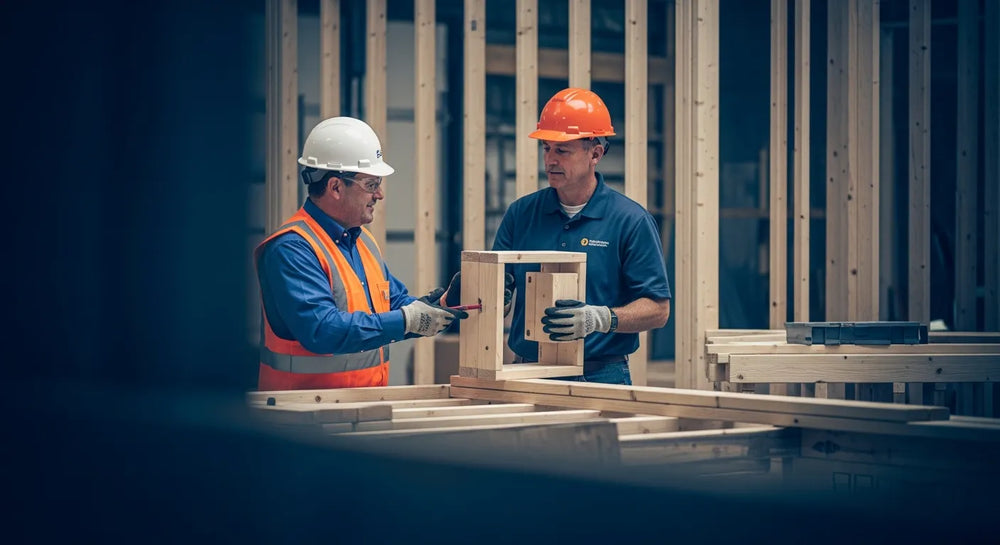
Breaking Down the Cost to Build a House in Kentucky
Table of Contents
- Introduction
- The Economic Landscape of Kentucky Construction
- Analyzing the Hard Costs of Kentucky Home Building
- Soft Costs and Regulatory Compliance in the Bluegrass State
- The Liquidity Challenge in Kentucky Construction
- Strategic Financing with Maden Pay
- CapEx Timing and 100% Bonus Depreciation
- Navigating the Kentucky Supply Chain
- A Strategic Approach to Building in Kentucky
- The Future of Kentucky’s Residential Development
- Conclusion
- FAQ
Introduction
For a project manager at a large-scale residential development firm in Lexington, a three-week delay in a credit application for electrical sub-panels isn't just a minor inconvenience—it is a catastrophic bottleneck that halts framing, pushes back inspections, and burns through thousands of dollars in daily overhead. When analyzing the cost to build a house in Kentucky, most builders focus solely on the price of lumber or the hourly rate of local masonry crews. However, the true drivers of cost in today’s volatile market are often hidden within the supply chain: the "time-to-terms" friction, the lack of transparency in material sourcing, and the liquidity challenges that prevent small-to-mid-sized firms from scaling their operations.
At Maden.co, we believe that the U.S. Manufacturing Revival Is Here, and it starts with empowering the people who build our infrastructure and housing. The Bluegrass State offers a unique landscape for construction, characterized by a growing population and a strategic central location, but navigating the costs requires a sophisticated approach to procurement and financing. This article will provide an exhaustive breakdown of the economic factors influencing Kentucky’s construction market, from regional labor variances to the strategic utilization of American-made materials. We will also explore how innovative financing models and streamlined procurement platforms can dramatically reduce the total cost of ownership (TCO) for residential projects. Our goal is to move beyond simple cost estimates and offer a blueprint for building a resilient, U.S.-based supply chain that supports long-term growth and operational excellence.
The Economic Landscape of Kentucky Construction
Kentucky’s construction industry is at a pivotal crossroads. As investment pours into the state’s industrial sectors—particularly in battery manufacturing and automotive assembly—the demand for residential housing is skyrocketing. This surge creates a complex pricing environment for developers. Understanding the cost to build a house in Kentucky requires a deep dive into both macro and microeconomic factors that define the region.
Regional Market Variations
The cost of construction in Kentucky is not uniform. The state is divided into distinct economic zones, each with its own pricing pressure. In the Louisville metropolitan area, higher demand for urban infill and suburban expansion often leads to increased land costs and more competitive labor markets. Conversely, in the more rural areas of Eastern or Western Kentucky, while land may be more affordable, logistics costs can rise due to the distance from major distribution hubs.
From a procurement perspective, these variations mean that a one-size-fits-all budget is rarely effective. A developer working in Northern Kentucky, near the Cincinnati border, may face different regulatory hurdles and material availability than one working in Bowling Green. We have observed that businesses that prioritize Supply Chain Transparency are better equipped to navigate these regional discrepancies. By sourcing materials closer to the job site through verified American manufacturers, builders can mitigate the rising costs of diesel and freight that often plague rural projects.
The Impact of Industrial Growth on Residential Supply
Kentucky is currently experiencing an industrial boom, which directly competes with the residential sector for resources. Large-scale industrial projects often command the attention of the state's largest subcontracting firms, leaving residential developers to navigate a tighter labor pool. This "crowding out" effect can drive up the cost of skilled trades, such as electricians and HVAC technicians, who are in high demand for massive manufacturing facilities.
To combat this, savvy procurement managers are looking toward digital innovation to streamline their material sourcing. When labor is scarce and expensive, ensuring that the right materials arrive on site exactly when needed—without the common delays associated with overseas shipping—is critical. This is why we focus on connecting industrial buyers with millions of American-made products, ensuring that the residential sector has the high-quality components necessary to keep projects moving forward.
Analyzing the Hard Costs of Kentucky Home Building
"Hard costs" refer to the tangible materials and labor required to physically construct the home. In Kentucky, these costs typically account for 60% to 70% of the total project budget. However, in a B2B context, the way these materials are procured can significantly influence the final margin.
Materials: The Shift Toward American-Made Quality
The volatility of global material prices over the last few years has underscored the importance of a domestic supply chain. Whether it is structural steel for a modern residence or NPT-threaded plumbing components for a high-density development, the source of the material matters. Sourcing through Maden.co allows developers to bypass the uncertainties of international logistics.
- Lumber and Framing: While Kentucky has a strong timber industry, the pricing of structural lumber remains tied to national commodity markets. Integrating higher-quality, U.S.-milled lumber can reduce waste on-site and ensure better structural integrity.
- Mechanical, Electrical, and Plumbing (MEP): This is where many builders see significant cost overruns. High-spec components, such as HVAC units and electrical panels, often have long lead times. By partnering with verified U.S. manufacturers, procurement managers can secure reliable delivery schedules, which is essential for maintaining the project timeline.
- Concrete and Site Prep: Kentucky’s limestone-rich soil provides a solid foundation for construction, but the cost of concrete is heavily influenced by local availability and the cost of cement.
Labor Dynamics and the Skilled Trade Gap
The cost of labor in Kentucky remains competitive compared to the national average, but the "skilled trade gap" is a real concern. For a construction firm, the cost isn't just the hourly rate; it’s the efficiency of the crew. When workers are standing around waiting for a specific valve or a customized electrical component to arrive, the effective labor cost doubles.
This highlights the need for a strategic partner in the supply chain. At Maden.co, our mission is to democratize access to American manufacturing, ensuring that even mid-sized builders in Kentucky can access the same high-quality components as the largest developers. This reduces the friction at the job site, allowing skilled tradespeople to focus on installation rather than troubleshooting inferior or missing parts.
Soft Costs and Regulatory Compliance in the Bluegrass State
Soft costs include everything from architectural fees and permits to insurance and financing interest. In Kentucky, navigating the regulatory environment requires a thorough understanding of local building codes and zoning laws, which vary significantly between municipalities like Lexington-Fayette and smaller counties.
Permitting and Impact Fees
Kentucky is generally considered a business-friendly state, but impact fees in rapidly growing areas can add thousands to the cost of a single-family home. Furthermore, ensuring that all sourced materials meet specific industry standards—such as DIN or NPT specifications for industrial-grade residential components—is crucial for passing inspections the first time. Failure to meet these standards leads to re-work, which is one of the most significant hidden costs in construction.
The True Cost of Design and Engineering
For professional builders, the engineering phase is an opportunity to optimize the Bill of Materials (BOM). Design engineers who specify U.S.-made products from the outset can often find better long-term value than those who look for the cheapest upfront price. We advocate for a focus on the Total Cost of Ownership (TCO), where the durability and reliability of American-made products lead to fewer warranty claims and higher resale values for the developer.
The Liquidity Challenge in Kentucky Construction
One of the most significant hurdles to managing the cost to build a house in Kentucky is the structural liquidity challenge inherent in the industry. Construction is a capital-intensive business where cash often flows out long before it flows back in.
The Cycle of Traditional Credit
Most small-to-medium-sized manufacturers and builders in Kentucky operate on net-30 to net-90 payment cycles. However, as traditional bank credit tightens, many firms find themselves in a "liquidity trap." They have the contracts and the capacity to build, but they lack the immediate cash flow to secure the necessary materials to start the next phase of a project.
Traditional bank loans are often slow, requiring extensive documentation and collateral. For a business that needs to move quickly to secure a bulk shipment of materials before a price hike, the traditional lending model is often too sluggish. This is where Maden Pay provides a strategic advantage. By embedding financing directly at the point of transaction, we allow builders to bridge the gap between material procurement and project milestones.
Solving the "Time-to-Terms" Friction
In a traditional procurement scenario, a builder wanting to establish net terms with a new supplier would have to fill out multiple credit applications, provide years of financial statements, and wait weeks for a credit department to make a decision. If you are managing ten different suppliers for a single project, that is ten different onboarding processes.
We eliminate this friction. With our embedded financing solution, a single approval works across our entire marketplace. This means a developer can source their electrical, plumbing, and structural components from different American manufacturers while managing their payments through a single, unified system. This speed is a game-changer for Kentucky builders who need to remain agile in a competitive market.
Strategic Financing with Maden Pay
To truly manage the cost to build a house in Kentucky, businesses must treat their financing as a strategic tool rather than a last resort. Maden Pay is designed to align with the specific cash conversion cycles of the B2B construction and manufacturing industries.
Speed and Capacity
When a critical piece of equipment fails on a job site—such as a specialized pump or a heavy-duty motor—waiting weeks for financing is not an option. Our system provides instant eligibility decisions, often in under 60 seconds, through a soft credit check that does not impact your credit score.
For qualified businesses, we offer credit lines that commonly range from $5,000 to over $250,000. This capacity allows developers to purchase materials in bulk, locking in prices and ensuring that the project schedule remains intact. You can check eligibility today to see how much purchasing power your business can unlock.
Note: Approvals, limits, and terms depend on business eligibility.
Alignment with Cash Flow
Construction projects in Kentucky often follow a specific draw schedule. Maden Pay offers Net 30, 60, or 90-day options that can be tailored to align with these draws. This alignment ensures that the business is not forced to dip into its operating reserves to cover material costs before the next round of project funding is released. This strategic use of credit is what allows firms to take on multiple projects simultaneously, driving growth without overextending their liquid assets.
To learn more about how this can benefit your specific procurement cycle, visit our Maden Pay information page.
CapEx Timing and 100% Bonus Depreciation
For developers and large-scale contractors in Kentucky, the cost of building houses is also influenced by their internal capital expenditures (CapEx). Acquiring the machinery and equipment needed for large-scale development—such as skid steers, generators, or specialized shop tools—is a significant investment.
Strategic Asset Acquisition
One of the most powerful tools available to American businesses is the ability to utilize bonus depreciation. Currently, businesses may be eligible for 100% bonus depreciation on qualified equipment purchased and put into service within the tax year. This allows for an immediate deduction of the full purchase price, significantly reducing the business’s tax liability and improving overall cash flow.
When you use Maden Pay to acquire these essential assets, you are not only streamlining your procurement but also positioning your business for significant tax advantages. However, tax laws are complex and subject to change; therefore, you should always consult your tax professional to understand how these strategies apply to your specific financial situation.
Improving Total Cost of Ownership (TCO)
By purchasing high-quality, American-made equipment through Maden.co, builders can ensure that their CapEx investments have a longer lifespan and lower maintenance costs. This is the essence of industrial excellence. When you factor in the tax savings from bonus depreciation and the reliability of U.S.-manufactured goods, the TCO for your equipment drops significantly, making your overall operation more profitable.
Navigating the Kentucky Supply Chain
The logistics of building in Kentucky are bolstered by the state's incredible infrastructure, including the UPS Worldport in Louisville and an extensive network of river ports and railways. However, the "last mile" of construction logistics—getting materials from the distributor to the suburban or rural job site—still poses challenges.
Eliminating Procurement Friction
Traditional procurement is often bogged down by a lack of transparency. A builder might order a set of American-made valves only to find out weeks later that the "American-made" claim only applied to the assembly, not the casting. We prioritize Supply Chain Transparency by verifying our manufacturers. This ensures that when we say a product is U.S.-made, it meets the rigorous standards expected by our buyers.
To explore our full range of verified products, you can browse all categories on our marketplace. Whether you are looking for MRO supplies or specialized construction components, our platform is designed to reduce the time spent on sourcing and increase the time spent on building.
Partnering with U.S. Manufacturers
For the manufacturers themselves, being part of this ecosystem is just as vital. Kentucky is home to thousands of high-quality industrial manufacturers who produce everything from HVAC components to specialized fasteners. By joining our platform, these vendors can reach a national audience of buyers who are specifically looking for domestic quality. We invite Kentucky-based manufacturers to explore our vendor registration to become part of the U.S. manufacturing revival.
A Strategic Approach to Building in Kentucky
Managing the cost to build a house in Kentucky is ultimately an exercise in risk management. The builders who succeed are those who can anticipate price fluctuations, secure their supply chains, and utilize modern financial tools to maintain liquidity.
Step 1: Optimize the Bill of Materials (BOM)
The first step in controlling costs is during the design and engineering phase. Specify materials that are readily available within the U.S. supply chain. This reduces the risk of long-lead-time delays and ensures that replacement parts are easily accessible in the future.
Step 2: Streamline Onboarding and Financing
Don't let administrative friction slow down your project. Instead of managing dozens of different credit lines, use a single, unified financing solution. This allows your procurement team to focus on sourcing the best materials rather than filling out credit applications. You can check eligibility for a dedicated business credit line that grows with your company.
Step 3: Prioritize Resilience Over Upfront Cost
While it may be tempting to source the cheapest possible components from overseas, the long-term costs of failure, delay, and non-compliance far outweigh the initial savings. Building with American-made products from Maden.co is an investment in the resilience of your business and the quality of the homes you build.
The Future of Kentucky’s Residential Development
As Kentucky continues to grow, the demand for high-quality, efficiently built housing will only increase. The developers who will lead this charge are those who recognize that the old way of building—characterized by fragmented supply chains and sluggish financing—is no longer sufficient.
The "U.S. Manufacturing Revival" is not just a slogan; it is a practical strategy for building a more stable and prosperous construction industry. By leveraging digital innovation and transparent sourcing, we can ensure that the cost to build a house in Kentucky remains competitive, while the quality of those homes remains world-class.
We are committed to being more than just a marketplace; we are a strategic partner for every builder, engineer, and procurement manager in the Bluegrass State. If you have questions about sourcing specific components or need support with a large-scale project, please do not hesitate to contact us. Our team of experts is ready to help you navigate the complexities of modern industrial procurement.
Conclusion
Building a house in Kentucky involves a complex interplay of material costs, labor dynamics, and regulatory requirements. However, the most successful projects are those that look beyond the surface-level expenses and address the underlying inefficiencies in the supply chain. By focusing on American-made quality, reducing the "time-to-terms" through embedded financing, and strategically managing liquidity, Kentucky businesses can significantly improve their bottom line.
At Maden.co, we are proud to support the hardworking professionals who are building the future of Kentucky. We invite you to explore our extensive catalog of millions of verified American-made products and discover how our platform can streamline your procurement process. From the first foundation pour to the final electrical inspection, we are here to provide the tools and resources you need to succeed in the U.S. manufacturing revival.
Ready to take your construction business to the next level? Check eligibility for Maden Pay today and experience the speed and flexibility of modern industrial financing. Together, we can build a stronger, more resilient Kentucky.
FAQ
What is the average cost per square foot to build a house in Kentucky?
While costs vary by region and finish level, the average cost to build a house in Kentucky generally ranges from $150 to $250 per square foot for standard construction. High-end custom builds or projects in high-demand urban areas like Louisville or Lexington can exceed $300 per square foot. These figures include hard costs like materials and labor but may not include land acquisition or extensive site development.
How does sourcing American-made materials affect the project budget?
Sourcing American-made materials may sometimes carry a higher upfront cost compared to cheap international imports, but it frequently reduces the Total Cost of Ownership (TCO). Domestic sourcing significantly lowers the risk of expensive project delays, ensures compliance with U.S. building standards, and provides better long-term reliability and warranty support. In a B2B context, the predictability of a domestic supply chain is often more valuable than a low sticker price.
How does Maden Pay help with construction cash flow?
Maden Pay provides embedded financing at the point of sale, allowing businesses to secure net 30, 60, or 90-day terms instantly. This helps Kentucky builders bridge the liquidity gap between purchasing materials and receiving project draws. With credit lines up to $250,000+ for qualified businesses, it offers the capacity needed for large-scale procurement without the long wait times of traditional bank loans.
What are the benefits of 100% bonus depreciation for Kentucky contractors?
Bonus depreciation allows a business to deduct the full purchase price of qualifying equipment and assets in the year they are placed in service, rather than depreciating them over several years. This can provide a significant immediate tax benefit and improve cash flow for the current fiscal year. Always consult with a qualified tax professional to ensure your equipment purchases meet the current IRS requirements for this deduction.


