
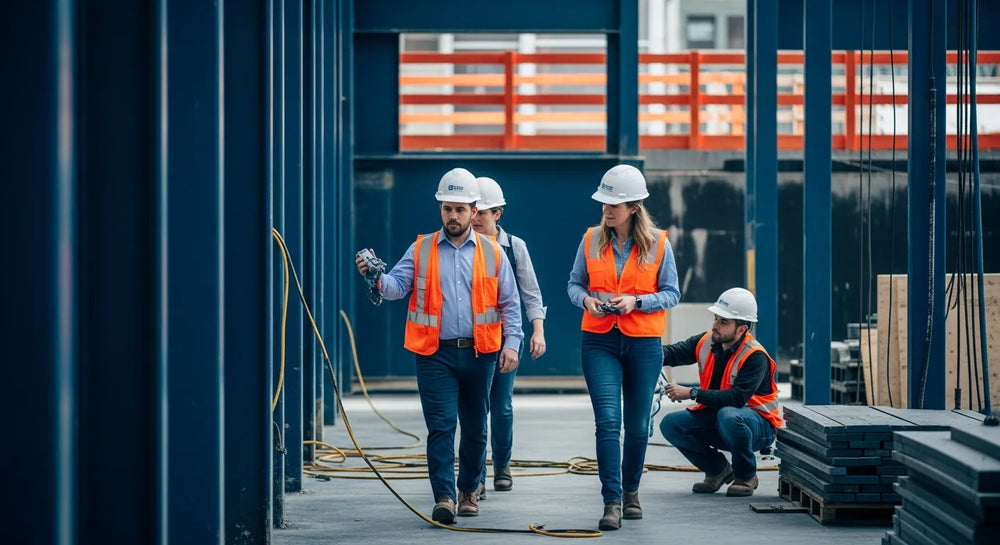
Cost to Build a House in Pittsburgh: Market Factors
Table of Contents
- Introduction
- The Economic Landscape of Pittsburgh Construction
- Hard Costs: Breaking Down the Physical Components
- Soft Costs: Permits, Fees, and Design
- The Impact of Supply Chain Resilience on Total Cost
- Overcoming the Liquidity Challenge in Material Procurement
- Comparing Custom vs. Production Home Costs in Pittsburgh
- Navigating "Time-to-Terms" in the Steel City
- Strategic Asset Acquisition and Bonus Depreciation
- Sourcing American-Made Materials for Quality and Compliance
- Building for the Future: Sustainability and Industrial Excellence
- Practical Procurement Scenario: The HVAC Emergency
- The Role of Supply Chain Transparency
- FAQ
- Conclusion
Introduction
Imagine a developer in Pittsburgh’s Lawrenceville neighborhood who has secured a prime lot for a multi-unit residential project. The architectural plans are finalized, the permits are in process, and the subcontractors are ready to break ground. However, a sudden shift in the pricing of structural steel or a 45-day wait for a traditional bank to approve a line of credit for mechanical systems threatens to stall the entire timeline. In the construction industry, where labor is tightly scheduled and seasonal weather windows in Western Pennsylvania are narrow, these procurement bottlenecks do more than just delay projects—they erode margins and jeopardize the viability of the build.
The purpose of this article is to provide an exhaustive breakdown of the cost to build a house in Pittsburgh, viewed through the lens of industrial procurement, supply chain resilience, and strategic capital management. We will explore the hard costs of materials, the soft costs of regulatory compliance, and the geographical nuances that make building in the "Steel City" unique. More importantly, we will address how modern B2B marketplaces like Maden.co are transforming the construction landscape.
The central thesis of this analysis is that while land and labor are fixed variables, the "time-to-terms" in material procurement is the most significant lever a developer can pull to control costs. By leveraging embedded financing and prioritizing a resilient, U.S.-based supply chain, builders can mitigate the liquidity challenges that traditionally plague the residential construction sector.
The Economic Landscape of Pittsburgh Construction
Pittsburgh presents a unique case study in American residential development. Transitioning from its heavy industrial roots to a global hub for healthcare, technology, and education, the city has seen a resurgence in housing demand. However, the physical reality of the city—its 446 bridges, steep riverfront slopes, and legacy infrastructure—creates a complex cost environment.
When calculating the cost to build a house in Pittsburgh, one must account for a market that is currently experiencing a "manufacturing revival." At Maden.co, we believe that The U.S. Manufacturing Revival Is Here, and this is reflected in the growing preference for high-quality, domestically sourced building components. From the structural steel that defines the city’s skyline to the advanced HVAC systems required for Pennsylvania’s fluctuating climate, sourcing locally is no longer just a matter of pride; it is a strategic move to ensure supply chain transparency and reduce lead times.
The current market is characterized by a "liquidity challenge." Small-to-medium-sized developers often find themselves squeezed between manufacturers who require rapid payment and the slow-moving credit cycles of traditional financial institutions. This friction is where project budgets often spiral out of control.
Hard Costs: Breaking Down the Physical Components
Hard costs typically represent 60% to 70% of the total cost to build a house in Pittsburgh. These are the tangible assets—the concrete, steel, lumber, and mechanical systems.
Foundation and Site Work
Pittsburgh’s topography is notoriously difficult. Building on a "Pittsburgh flat" lot is a rarity; most projects involve significant excavation and soil stabilization. The prevalence of clay-heavy soil and steep grades means that foundation costs can vary wildly.
- Excavation: On a sloped lot, excavation and the installation of retaining walls can add $20,000 to $50,000 to a standard residential budget.
- Concrete: Utilizing American-made cement and reinforcement bar ensures compliance with local building codes and structural longevity.
Framing and Structural Materials
While lumber has historically been the standard, many modern builds in the city’s urban core are utilizing light-gauge steel or advanced composite materials for fire resistance and structural integrity.
- Lumber: Costs fluctuate based on global supply chains, but sourcing from domestic mills can provide more predictable pricing.
- Steel: As the historical heart of the steel industry, Pittsburgh developers often prioritize domestic steel for its superior quality and adherence to ASTM standards.
Mechanical, Electrical, and Plumbing (MEP)
This is where procurement efficiency becomes critical. An HVAC contractor for a multi-unit development cannot afford to wait weeks for a credit application to clear before ordering specialized air handling units.
- HVAC: High-efficiency units are essential for PA’s cold winters and humid summers.
- Electrical: Smart home integration and EV charging stations are becoming standard in Pittsburgh new builds, increasing the demand for high-quality domestic electrical components.
For firms managing these extensive material lists, Maden Pay offers a way to bypass the traditional credit bottleneck, allowing for immediate purchasing power that keeps the job site moving.
Soft Costs: Permits, Fees, and Design
Beyond the physical materials, soft costs include everything from architectural drawings to the various fees mandated by the City of Pittsburgh’s Department of Permits, Licenses, and Inspections (PLI).
- Architectural and Engineering Fees: Typically 8% to 12% of the total build cost. In Pittsburgh, structural engineering is particularly vital due to slope stability requirements.
- Permitting: City fees for building, electrical, and plumbing permits must be factored into the initial budget.
- Insurance and Financing Costs: Interest payments on construction loans are a significant soft cost. Every week a project is delayed by a supply chain bottleneck, the "carrying cost" of the land and the loan increases.
The Impact of Supply Chain Resilience on Total Cost
The traditional procurement model is fraught with "time-to-terms" friction. When a builder needs to onboard a new supplier for a specific industrial component—perhaps a specialized pump system or high-grade insulation—they are often met with a weeks-long process of credit checks and manual trade references.
At Maden.co, we are not just a catalog; we are a strategic partner in building a resilient, U.S.-based supply chain. We recognize that the liquidity challenge is a structural barrier to growth. By using a marketplace that prioritizes American Manufacturing Pride, developers can ensure they are getting products that meet strict industry standards, such as NPT threading for plumbing or NEMA ratings for electrical enclosures, without the uncertainty of international shipping.
By reducing the friction of procurement, the "total cost of ownership" for a new build is lowered. You are not just paying for the material; you are paying for the reliability of the delivery and the ease of the transaction.
Overcoming the Liquidity Challenge in Material Procurement
A common scenario in Pittsburgh construction involves a general contractor who needs to purchase $50,000 worth of electrical switchgear to keep a project on schedule. If their current credit line is tapped out and the manufacturer requires net-30 terms that the contractor hasn't yet qualified for, the project stalls.
This is where Maden Pay changes the equation. Instead of the traditional weeks-long onboarding, Maden Pay provides embedded financing at the point of transaction.
The Strategic Value of Embedded Financing
- Speed: Instant eligibility decisions, often in under 60 seconds, through a soft credit check that doesn't impact your business credit score.
- Capacity: We facilitate credit lines that commonly range from $5,000 to over $250,000 for qualified businesses, providing the "liquidity bridge" needed for large-scale material orders.
- Flexibility: Options for Net 30, 60, or 90 terms allow developers to align their material payments with their cash conversion cycles (e.g., waiting for a bank draw or a project milestone payment).
For those ready to scale their operations, you can Check eligibility today to see how your purchasing power can be transformed. Disclaimer: Approvals, limits, and terms depend on business eligibility.
Comparing Custom vs. Production Home Costs in Pittsburgh
The cost to build a house in Pittsburgh varies significantly based on whether the project is a custom build or a production home in a planned development.
Custom Homes
Custom builds in neighborhoods like Shadyside or Mount Lebanon often see costs exceeding $300 to $400 per square foot. These projects demand high-end finishes, unique architectural features, and often, more complex industrial-grade systems for climate control and security.
Production Homes
In the surrounding suburbs of Allegheny County, production builders may achieve costs closer to $150 to $200 per square foot by leveraging economies of scale. However, even these builders face the "time-to-terms" issue when trying to diversify their supplier base to avoid delays.
Whether you are a custom builder or a large-scale developer, you can Browse All Categories on our marketplace to find the U.S.-made components necessary for any scale of project.
Navigating "Time-to-Terms" in the Steel City
In traditional procurement, the "time-to-terms" friction is a silent killer of productivity. When a facility manager or construction lead identifies a need—say, a replacement motor for a concrete mixer or a bulk order of industrial fasteners—the process usually looks like this:
- Find a vendor.
- Request a credit application.
- Wait for the vendor’s credit department to contact references.
- Negotiate terms.
- Finally place the order.
This process can take two to three weeks. In the context of building a house in Pittsburgh, where the construction season is interrupted by freezing winters, a three-week delay can push a foundation pour into the next year.
Maden.co eliminates this by embedding credit directly into the marketplace. A single approval works across our entire ecosystem of verified U.S. manufacturers. This means you can source your plumbing fixtures, electrical panels, and structural fasteners from different vendors while utilizing a single, unified credit line. This is the definition of Digital Innovation in the industrial sector.
Strategic Asset Acquisition and Bonus Depreciation
For business owners and developers, the cost to build a house in Pittsburgh is also a tax strategy. When acquiring capital assets for a construction project—such as heavy machinery, modular office units, or even certain built-in industrial systems—businesses should consider the benefits of 100% bonus depreciation.
Under current tax laws (specifically Section 179 and 168(k)), businesses may be able to deduct the full purchase price of qualifying equipment and assets in the year they are placed in service. This can significantly offset the initial "sticker shock" of high-quality industrial purchases.
- Strategy: By using Maden Pay to acquire these assets on favorable terms while simultaneously taking advantage of bonus depreciation, a business can preserve its cash flow while modernizing its equipment fleet.
- Disclaimer: Always consult your tax professional to understand how current tax laws apply to your specific business situation and to confirm eligibility for depreciation deductions.
Sourcing American-Made Materials for Quality and Compliance
One of the hidden costs in construction is the "re-work" cost associated with sub-standard or non-compliant imported materials. In Pittsburgh, adherence to specific standards like NPT (National Pipe Tapered) for plumbing or ASTM for structural steel is non-negotiable.
At Maden.co, our mission is to democratize access to American manufacturing. We connect industrial buyers with millions of verified American-made products, ensuring that every component in your build—from the smallest bolt to the largest HVAC unit—meets the rigorous standards of Industrial Excellence.
Sourcing through our platform allows procurement managers to:
- Ensure compliance with local and federal regulations (e.g., "Build America, Buy America" acts).
- Reduce the carbon footprint associated with long-distance shipping.
- Support the local economy and the broader U.S. manufacturing revival.
If you are a manufacturer based in the U.S., we invite you to join our movement by completing our Vendor Registration to list your products on the premier marketplace for American-made industrial goods.
Building for the Future: Sustainability and Industrial Excellence
The cost to build a house in Pittsburgh is increasingly influenced by "green" building standards and the desire for long-term operational efficiency. Sourcing sustainable, American-made materials is not just about environmental stewardship; it is about building a structure that will stand the test of time with minimal maintenance.
Industrial excellence means choosing products that offer a superior Total Cost of Ownership (TCO). A domestic-made roof system might have a higher upfront cost than an import, but if it lasts 15 years longer and has a verifiable warranty backed by a U.S. company, the long-term cost is significantly lower.
We encourage all our partners to Contact Us for assistance in sourcing specialized components that meet these high standards of durability and efficiency.
Practical Procurement Scenario: The HVAC Emergency
To illustrate the value of streamlined procurement and financing, consider a project manager overseeing a 10-unit townhouse development in Pittsburgh’s South Side. During the final phase of construction, a shipment of HVAC units is damaged in transit. The subcontractor needs to source 10 new units immediately to keep the move-in dates on track.
Using traditional methods, the subcontractor would need to find a new supplier with stock, apply for credit, and wait for approval—a process that could take weeks. With Maden.co, the manager can:
- Search the marketplace for verified U.S.-made HVAC units.
- Select the required units.
- Apply for Maden Pay at checkout.
- Get an instant decision and secure the units on Net-60 terms.
This ability to pivot quickly and secure high-ticket items without depleting cash reserves is what separates successful developers from those who get bogged down in the "liquidity challenge."
The Role of Supply Chain Transparency
In a city with as much history as Pittsburgh, transparency is paramount. Whether you are building on a brownfield site that requires specific environmental mitigation hardware or renovating a historic structure that requires custom-machined parts, knowing the origin of your materials is vital for both safety and compliance.
Maden.co’s commitment to supply chain transparency means that buyers can see exactly where their products are coming from. This eliminates the guesswork and the risks associated with "gray market" industrial supplies. When you buy through us, you are supporting a network of American manufacturers who are the backbone of our economy.
FAQ
1. What is the average cost per square foot to build a house in Pittsburgh? While prices vary by neighborhood and finish level, the average cost typically ranges from $150 to $300 per square foot for standard builds. Custom high-end homes in premium areas can exceed $400 per square foot, especially when accounting for Pittsburgh's unique topographical challenges.
2. How do Pittsburgh's slopes and soil affect building costs? Pittsburgh’s topography often requires specialized site work, including piering, reinforced retaining walls, and advanced drainage systems. These "hidden" costs can add $20,000 to $60,000 to a budget before the first floor is even framed. Sourcing high-quality domestic structural components is essential for these high-stress builds.
3. Why should I prioritize U.S.-made materials for my Pittsburgh construction project? Domestic materials often adhere to stricter quality standards (such as ASTM, NEMA, and DIN) and offer better supply chain transparency. Furthermore, using American-made products reduces lead times and supports the local manufacturing economy, which is a core part of Pittsburgh’s identity.
4. How does Maden Pay help with construction material procurement? Maden Pay addresses the "liquidity challenge" by providing instant embedded financing at the point of sale. This allows businesses to secure up to $250,000+ in credit on Net 30/60/90 terms, bypassing the weeks-long "time-to-terms" delay associated with traditional supplier onboarding.
Conclusion
Navigating the cost to build a house in Pittsburgh requires more than just a spreadsheet of material prices; it requires a strategic approach to procurement and capital management. From the initial excavation on a steep Allegheny County hillside to the final installation of American-made HVAC systems, every decision impacts the project’s bottom line and long-term viability.
At Maden.co, we are proud to be the catalyst for the U.S. manufacturing revival. By providing a marketplace that emphasizes supply chain transparency, industrial excellence, and innovative financing through Maden Pay, we empower builders and procurement managers to overcome the structural challenges of the construction industry.
We invite you to join us in building a more resilient, efficient, and American-made future. Whether you are a business owner looking to expand your facilities or a developer tackling your next residential project, our platform is designed to support your success. Check eligibility for financing today and experience the difference that a strategic procurement partner can make. Disclaimer: Approvals, limits, and terms depend on business eligibility.
The U.S. Manufacturing Revival Is Here—and it starts with the tools, materials, and financing you choose today. Explore our full catalog and see how we can streamline your next build.


