
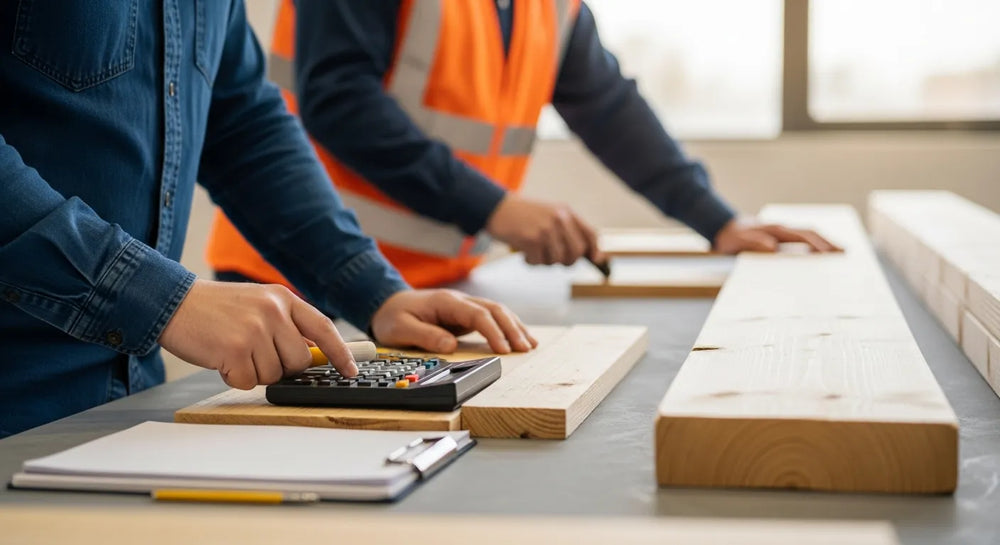
House Construction Costs in Bloomington, Indiana
Table of Contents
- Introduction
- The Bloomington Real Estate Landscape in 2026
- Breaking Down the Cost to Build a House in Bloomington, Indiana
- Critical Systems: HVAC, Plumbing, and Electrical
- Interior Finishes and Labor Costs
- Solving the Liquidity Challenge in Construction
- Strategic CapEx and Tax Advantages in 2026
- Sourcing American-Made for Bloomington Builds
- Practical Scenario: The High Cost of Delay
- Factors Unique to Bloomington, Indiana
- Why Procurement Excellence Matters
- Conclusion
Introduction
Imagine a residential construction project in Bloomington, Indiana, grinding to a complete halt because a shipment of structural steel or specialized HVAC components is stuck in a multi-week credit approval cycle. For a developer or general contractor, an idle job site is more than an inconvenience; it is a financial drain that erodes margins and pushes completion dates into seasonal weather windows. In the high-stakes world of Bloomington real estate, where the demand for modern housing near Indiana University and the growing tech sector remains high, the ability to source materials and secure financing quickly is the difference between a profitable venture and a stalled liability.
This article provides an exhaustive analysis of the cost to build a house in Bloomington, Indiana, in 2026. We will break down the variables from site preparation and permitting to the procurement of American-made materials and the finishing touches of a modern home. Beyond the raw numbers, we will explore how strategic procurement through Maden.co and our innovative financing solutions can mitigate the "time-to-terms" friction that traditionally plagues the construction industry. At Maden.co, our mission is to democratize access to American manufacturing, ensuring that the U.S. Manufacturing Revival Is Here for every builder, developer, and procurement manager in the Midwest.
By the end of this guide, you will understand the specific cost drivers in the Monroe County market and how to leverage embedded financing to optimize your cash conversion cycle. We believe that building in America should be as efficient as it is rewarding, and that starts with supply chain transparency and industrial excellence.
The Bloomington Real Estate Landscape in 2026
Bloomington is a unique market within Indiana. As the home of Indiana University and a burgeoning hub for life sciences and aerospace manufacturing, the city experiences a consistent demand for high-quality residential housing. However, this demand is met with unique geographical challenges, including the region’s famous limestone bedrock and rolling hills, which can significantly influence the cost to build a house in Bloomington, Indiana.
In 2026, the local economy continues to see steady growth, but the construction industry still faces the structural liquidity challenge that has characterized the post-pandemic era. While demand for housing is robust, small-to-medium-sized developers often find themselves squeezed by tightening bank credit and the lengthy onboarding processes of traditional suppliers. This is where a strategic partnership with a marketplace like Maden.co becomes invaluable. We connect industrial buyers with millions of verified American-made products, streamlining the acquisition of everything from foundational rebar to custom cabinetry.
Breaking Down the Cost to Build a House in Bloomington, Indiana
Estimating the cost of a new build requires a granular look at several key categories. In Bloomington, the average cost per square foot for a standard custom home in 2026 typically ranges from $185 to $260, though luxury builds or homes on difficult terrain can easily exceed $350 per square foot.
Land Acquisition and Site Preparation
The first major expense is the land itself. In Bloomington's sought-after neighborhoods like Elm Heights or near the downtown core, lot prices remain premium. Once the land is secured, site preparation begins, and in Monroe County, this often involves dealing with limestone.
- Excavation and Clearing: Standard clearing can cost between $5,000 and $15,000, but if limestone blasting or specialized heavy equipment is required to level a site, these costs can double.
- Utility Connections: Connecting to Bloomington’s municipal water and sewer systems, or installing a septic system in more rural parts of the county, adds another $10,000 to $25,000 to the budget.
- Permitting and Fees: Bloomington has specific zoning requirements and environmental protections that must be navigated. Permit fees and impact fees can range from $3,000 to $8,000 depending on the scope of the project.
Foundation and Structural Framing
The bones of the house represent a significant portion of the total expenditure. Utilizing high-quality, American-made materials at this stage is critical for the long-term durability of the structure.
- Foundation: A standard poured concrete foundation for a 2,000-square-foot home in Bloomington averages between $25,000 and $40,000. Including a full basement, common in Indiana, will increase this by $20,000 or more.
- Framing: Lumber and structural steel costs have stabilized in 2026, but they still represent a major outlay. Framing a standard home can cost between $40,000 and $75,000 in labor and materials.
When sourcing structural components, procurement managers often face the "time-to-terms" hurdle. Traditional lumber yards and steel distributors may require weeks of credit checks before offering net terms. By using Maden Pay, builders can bypass this friction, obtaining the credit they need at the point of transaction to keep the framing crew on schedule.
Exterior Finishes and Enclosure
The exterior of the home must be designed to withstand Indiana’s variable climate, from humid summers to freezing winters.
- Roofing: Asphalt shingles remain the most popular choice due to cost-effectiveness, typically ranging from $8,000 to $15,000. However, metal roofing, which offers superior longevity and a modern aesthetic, is gaining traction among Bloomington homeowners, costing between $18,000 and $30,000.
- Siding: Fiber cement siding (like James Hardie) is a staple in the region, offering fire resistance and durability. Siding a standard home averages $15,000 to $25,000.
- Windows and Doors: High-efficiency, U.S.-manufactured windows are essential for meeting 2026 energy codes. A full set of windows and exterior doors can range from $12,000 to $30,000.
Critical Systems: HVAC, Plumbing, and Electrical
The "guts" of the house are where technical specifications and compliance with industry standards like NPT (National Pipe Thread) and DIN (Deutsches Institut für Normung) become vital. Ensuring that your MEP (Mechanical, Electrical, and Plumbing) contractors are using verified, high-quality components reduces future MRO (Maintenance, Repair, and Operations) costs for the homeowner.
HVAC Systems
In Bloomington, a robust HVAC system is non-negotiable. Modern builds are increasingly moving toward heat pump technology and high-efficiency furnaces. A complete dual-fuel system for a 2,500-square-foot home typically costs between $12,000 and $18,000. Sourcing these units through our catalog ensures that you are getting equipment built to handle the rigors of the American Midwest.
Plumbing and Electrical
- Plumbing: Rough-in plumbing, including high-quality copper or PEX piping and water heaters, averages $10,000 to $18,000.
- Electrical: Wiring a modern home with smart technology and the capacity for EV (Electric Vehicle) charging stations in the garage is the standard in 2026. This typically costs between $12,000 and $22,000.
For an electrical engineer or MRO buyer, finding the right circuit breakers, conduit, and fittings can be a logistical headache. Maden.co provides a centralized platform to browse millions of products, ensuring that your bill of materials (BOM) is filled with compliant, American-made goods.
Interior Finishes and Labor Costs
The final stages of construction are where the aesthetic vision of the home comes to life, but it is also where budgets can easily spiral if not managed correctly.
- Drywall and Insulation: Essential for energy efficiency and sound dampening, this stage typically costs $15,000 to $25,000.
- Flooring: Hardwood remains a favorite in Bloomington, but luxury vinyl plank (LVP) and tile are also common. Budget between $15,000 and $35,000.
- Cabinetry and Countertops: As a hub for regional craftsmanship, Bloomington homes often feature high-end cabinetry. A full kitchen and bathroom set can range from $20,000 to $60,000.
Labor costs in Bloomington are influenced by the proximity to Indianapolis and the local demand for skilled trades. In 2026, labor accounts for approximately 40% to 50% of the total cost to build a house in Bloomington, Indiana.
Solving the Liquidity Challenge in Construction
One of the most significant barriers to efficient home building is not the lack of skilled labor or materials, but the friction of capital. The traditional construction cycle operates on a series of draws and net-30 to net-90 cycles. However, as bank credit has tightened, many small manufacturers and contractors find themselves struggling with cash flow.
In traditional procurement, getting net terms from a new supplier requires an arduous process of credit applications and manual reviews. This "time-to-terms" friction can take weeks. At Maden.co, we have eliminated this bottleneck by embedding credit directly into our marketplace.
Through Maden Pay, we provide builders and developers with a strategic operational tool. Instead of waiting for a traditional bank to approve a line of credit for materials, qualified businesses can check eligibility and receive a decision in as little as 60 seconds. This soft credit check allows you to secure the liquidity needed to keep your Bloomington project moving forward without the long wait.
The Benefits of Embedded Financing:
- Speed: Instant eligibility decisions mean you can order materials today and pay on terms that fit your cash conversion cycle.
- Capacity: With credit lines often ranging from $5,000 to $250,000+ for qualified businesses, you have the purchasing power to handle large-scale residential developments.
- Efficiency: A single approval works across the entire Maden.co marketplace. You don’t need to renegotiate terms with an electrical supplier, a lumber yard, and an HVAC distributor separately.
- Alignment: Our Net 30, 60, and 90-day options are designed specifically for the B2B and construction cycles.
Please note: Approvals, limits, and terms depend on business eligibility.
Strategic CapEx and Tax Advantages in 2026
For developers building residential properties as investments or for businesses expanding their physical footprint in Bloomington, the timing of capital expenditures is crucial. In 2026, 100% bonus depreciation remains a significant strategy for asset acquisition.
By purchasing equipment and materials for a build—such as heavy machinery, built-in appliances, or specialized industrial components—businesses may be able to deduct the full cost of these assets in the first year they are placed in service. This can drastically improve the Total Cost of Ownership (TCO) and free up capital for subsequent phases of construction.
Disclaimer: Tax laws are complex and subject to change. You should always consult with your tax professional to understand how bonus depreciation applies to your specific business situation.
To take full advantage of these windows, builders need to be able to pull the trigger on purchases quickly. This is another area where checking eligibility for Maden Pay can be a game-changer, providing the immediate liquidity required to finalize CapEx purchases before the end of the tax year.
Sourcing American-Made for Bloomington Builds
At Maden.co, we believe that the quality of a home is directly tied to the quality of its components. By choosing American-made products, builders in Bloomington are not just ensuring a higher standard of industrial excellence; they are also contributing to the domestic economy and reducing the risks associated with global supply chain disruptions.
When you source through our marketplace, you are accessing a curated selection of products from verified U.S. manufacturers. This transparency is vital for ensuring compliance with local building codes and meeting the expectations of modern home buyers who value American craftsmanship.
Whether you are looking for specialized fasteners, industrial-grade wiring, or high-efficiency appliances, our platform is designed to reduce procurement friction. If you are a manufacturer producing these high-quality components in the U.S., we invite you to join our network through our vendor registration page. We are committed to helping American manufacturers reach a wider audience of professional buyers.
Practical Scenario: The High Cost of Delay
Consider a residential developer working on a multi-unit project near the Bloomington downtown area. They need $150,000 worth of electrical and plumbing fixtures to move to the finishing phase.
- The Traditional Route: The developer applies for a line of credit with a regional distributor. They are asked for three years of tax returns, personal guarantees, and references. The approval process takes 14 days. During those two weeks, the plumbing and electrical crews move on to other jobs, and the developer loses their window of availability. The project is delayed by a month, costing thousands in interest on construction loans.
- The Maden.co Route: The developer logs into their account, uses Maden Pay to secure net-60 terms in minutes, and places the order for American-made fixtures. The materials arrive on-site within days, the crews stay on schedule, and the developer preserves their cash flow for labor payments.
This is the tangible benefit of digital innovation in the industrial supply chain. We are not just a catalog; we are a strategic partner in building a resilient, U.S.-based supply chain.
Factors Unique to Bloomington, Indiana
While national trends influence material costs, Bloomington has localized factors that every builder must consider:
The "College Town" Effect
Labor can be tight in Bloomington because of the constant construction projects on the Indiana University campus. Large institutional projects often draw the most significant local subcontractors, meaning residential builders may need to book crews months in advance or pay a premium to secure high-quality labor.
Environmental and Zoning Regulations
Bloomington is known for its progressive environmental policies. This often means stricter requirements for erosion control, tree preservation, and energy efficiency. While these regulations lead to a higher quality of life and better home values, they do add to the initial cost to build a house in Bloomington, Indiana.
Connectivity and Logistics
Bloomington is well-connected via I-69, making the transport of materials from Indianapolis or southern manufacturing hubs relatively efficient. However, the last-mile delivery to some of the more wooded or hilly residential lots can require specialized equipment, adding a small but noticeable delivery premium to heavy materials like lumber and concrete.
Why Procurement Excellence Matters
In 2026, the construction industry is no longer just about hammers and nails; it’s about data and logistics. A procurement manager who can successfully navigate the complexities of the modern supply chain is an asset to any building firm.
By utilizing Maden.co, buyers can:
- Consolidate Sourcing: Instead of managing 50 different vendors, you can find a vast majority of your industrial and building needs in one place.
- Ensure Transparency: Know exactly where your products are coming from and that they meet American standards of excellence.
- Improve Cash Flow: Use embedded financing to align your material costs with your project milestones.
If you have specific sourcing needs or require assistance with a large-scale project in Bloomington, our team is ready to help. You can reach out to us directly through our Contact Us page for personalized support.
Conclusion
The cost to build a house in Bloomington, Indiana, is an investment in one of the Midwest's most vibrant and growing communities. While the challenges of 2026—ranging from limestone excavation to the structural liquidity gap—are real, they are not insurmountable. By focusing on procurement efficiency, sourcing American-made materials, and leveraging modern financing tools, builders can navigate these hurdles with confidence.
At Maden.co, we are proud to be at the forefront of the U.S. Manufacturing Revival. We provide the tools, the marketplace, and the financial solutions necessary to build the homes of the future. We encourage you to explore our full catalog of products and see how our commitment to industrial excellence can benefit your next project.
Don't let the "time-to-terms" friction hold your business back. Take control of your supply chain and your cash flow today. We invite you to check your eligibility for Maden Pay and experience the future of industrial procurement.
FAQ
1. What is the average timeframe to build a house in Bloomington, Indiana? In 2026, the average timeframe for a custom home build in Bloomington ranges from 8 to 14 months. This includes the design phase, permitting through Monroe County or the City of Bloomington, and the actual construction. Factors like the complexity of the site (e.g., limestone excavation) and the availability of skilled labor can influence this duration.
2. How do Bloomington's building codes affect the cost of materials? Bloomington and Monroe County have adopted modern energy and safety codes that often require higher specifications for insulation, HVAC efficiency, and structural integrity. While this can increase the upfront cost of materials by 5% to 10%, it generally results in a lower total cost of ownership through reduced energy bills and increased property value.
3. Can I use Maden Pay for both small tool purchases and large-scale material orders? Yes. Maden Pay is designed to be a flexible operational tool for businesses of all sizes. Whether you are an MRO buyer needing $5,000 in replacement parts or a developer ordering $100,000 in structural components, the embedded financing can be applied at checkout. A single approval works across the entire marketplace, streamlining your procurement across multiple product categories.
4. Why should I prioritize U.S.-manufactured products for my construction project? Sourcing American-made products through Maden.co ensures higher quality control, adherence to critical standards like NPT and DIN, and significantly reduced supply chain risk. Additionally, using domestic products can help your project comply with various "Buy American" requirements for certain types of development and supports the ongoing U.S. Manufacturing Revival.


