
New Home Construction Costs in Newton, Massachusetts
Table of Contents
- Introduction
- The 2026 Real Estate Climate in Newton
- Navigating the Liquidity Challenge in Modern Construction
- Material Selection: Why American-Made Matters in 2026
- Soft Costs and the Newton Regulatory Environment
- The Role of U.S. Manufacturers in the Revival
- Practical Procurement Scenario: The HVAC Emergency
- Technical Specifications and Standards
- Understanding Total Cost of Ownership (TCO)
- The Future of American Manufacturing and Construction
- Summary of Key Takeaways
- Conclusion
- FAQ
Introduction
If a primary electrical contractor in Newton, Massachusetts, is forced to halt work because a custom-fabricated switchgear assembly is delayed by six weeks due to a credit approval bottleneck, the project’s burn rate can easily exceed thousands of dollars per day. In a high-stakes real estate market where the land alone often costs upwards of $1.5 million, these procurement frictions are more than just an inconvenience—they are a direct threat to the project’s internal rate of return (IRR). For developers, general contractors, and business owners, understanding the cost per square foot to build a house in Newton, Massachusetts, is only half the battle. The other half is mastering the industrial supply chain and financing mechanisms that allow for the seamless execution of these complex builds.
At Maden.co, we recognize that the U.S. manufacturing revival is not just about producing goods; it is about the strategic integration of those goods into the American landscape. Whether you are managing the Maintenance, Repair, and Operations (MRO) for a large-scale residential development or overseeing the design-build phase of a custom estate, the efficiency of your procurement process defines your success. This blog post will provide an exhaustive breakdown of current construction costs in Newton for 2026, analyze the structural challenges of the Massachusetts building environment, and demonstrate how modernizing your "time-to-terms" through embedded financing can provide a competitive advantage in a tightening market.
Our thesis is clear: To navigate the exorbitant costs of the Newton construction market, professionals must move beyond traditional, fragmented sourcing. By leveraging a centralized marketplace for American-made industrial supplies and utilizing instant, point-of-sale credit, builders can mitigate the liquidity challenges that have historically plagued the U.S. manufacturing and construction sectors.
The 2026 Real Estate Climate in Newton
Newton remains one of the most prestigious and expensive zip codes in the United States. Its proximity to Boston’s financial and biotech hubs, combined with a highly rated school system and limited inventory, creates a permanent floor for property values. As of 2026, the demand for high-performance, sustainable, and technologically advanced homes has reached a new peak.
When calculating the cost per square foot to build a house in Newton, Massachusetts, one must first account for the "Newton Factor." This includes rigorous zoning bylaws, historic district commissions, and the city’s aggressive push toward electrification and green building codes. Unlike rural builds where land is abundant and regulations are sparse, a Newton project is a surgical operation. Every square foot of the building envelope is scrutinized, and every component—from the HVAC system’s efficiency rating to the structural steel’s origin—must meet exacting standards.
The Breakdown of "Hard Costs"
In the current market, hard costs—the tangible materials and labor required to physically erect the structure—account for approximately 60% to 70% of the total project budget. For a high-end custom home in Newton, these costs are currently ranging from $450 to over $850 per square foot, depending on the complexity of the design and the quality of the finishes.
- Site Work and Foundations: Newton sits on a variety of geological formations, including significant areas of ledge (granite). Excavating for a full basement in a neighborhood like Chestnut Hill often requires specialized blasting or hydraulic hammering, which can add $50,000 to $150,000 to the foundation costs before the first yard of concrete is poured.
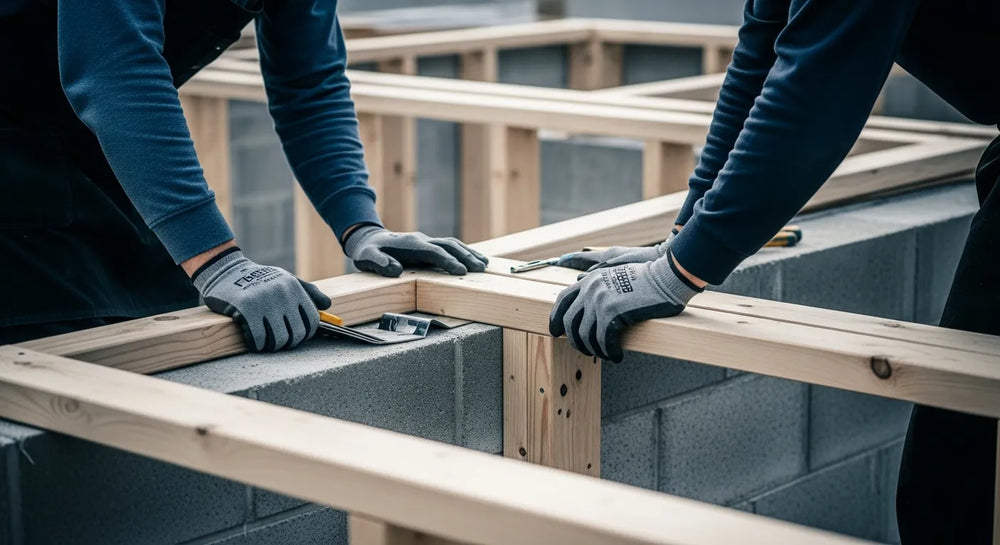
- Structural Framing: The shift toward heavy timber and engineered wood products has accelerated. High-performance homes often utilize LVL (Laminated Veneer Lumber) and custom-fabricated steel connectors to allow for the open-concept floor plans that modern buyers demand.
- Building Envelope: Energy efficiency is no longer optional. Triple-pane windows, high-R-value spray foam insulation, and rain-screen siding systems are standard. Sourcing these components from verified U.S. manufacturers through our comprehensive product catalog ensures that the materials meet local Massachusetts energy codes while supporting the domestic industrial base.
Navigating the Liquidity Challenge in Modern Construction
A structural liquidity challenge currently faces the U.S. manufacturing and construction industries. While builders in Newton are managing multi-million dollar budgets, the actual flow of cash is often constricted by traditional banking cycles. Many small-to-mid-sized manufacturers and material suppliers still operate on net-30 or net-90 payment cycles, creating a "dead zone" where capital is tied up in receivables rather than being deployed into active project phases.
For a procurement manager at a large construction firm, this means that even if the materials are available, the "time-to-terms" friction can stall a project. In traditional procurement, securing net terms for a new supplier of, for example, industrial-grade copper piping or specialized electrical components can take weeks. It involves credit applications, manual trade reference checks, and back-and-forth negotiations with the supplier’s accounts receivable department.
We solve this problem at Maden.co by embedding credit directly into the point of transaction. This is not a traditional bank loan; it is a strategic operational tool designed to align with the B2B cash conversion cycle. By using Maden Pay, buyers can move from discovery to checkout with net terms in place almost instantaneously.
The Speed of Embedded Financing
In a fast-moving market like Newton, where a delay in a HVAC delivery can push back the drywall and flooring schedules, speed is the ultimate currency. With Maden Pay, eligibility decisions are often rendered in under 60 seconds through a soft credit check that does not impact your business’s credit score.
This efficiency allows a project manager to check eligibility and immediately secure a credit line—commonly ranging from $5,000 to over $250,000 for qualified businesses—without the bureaucratic overhead of a traditional lender. This single approval works across the entire marketplace, meaning you don't need to renegotiate terms every time you add a new American-made product to your project’s Bill of Materials (BOM).
Disclaimer: Approvals, limits, and terms depend on business eligibility.
Material Selection: Why American-Made Matters in 2026
When considering the cost per square foot to build a house in Newton, Massachusetts, the origin of your materials impacts more than just the bottom line; it impacts the long-term durability and compliance of the structure. U.S.-manufactured industrial goods often adhere to stricter quality control standards and certifications, such as those from the American National Standards Institute (ANSI) or the American Society for Testing and Materials (ASTM).
For example, when sourcing plumbing components, the distinction between NPT (National Pipe Tapered) threads and generic alternatives is critical for ensuring leak-proof connections in high-pressure systems. By sourcing through Maden.co, you are choosing transparency. We connect industrial buyers with millions of verified American-made products, ensuring that every bolt, flange, and motor meets the "Industrial Excellence" our brand represents.
Strategic Asset Acquisition and CapEx Timing
For construction firms and developers, the acquisition of heavy machinery or large-scale building systems represents a significant Capital Expenditure (CapEx). Under current tax laws in 2026, businesses may be able to utilize 100% bonus depreciation for certain asset acquisitions. This allows for the immediate deduction of the full purchase price of qualifying equipment in the year it is placed in service, rather than depreciating it over several years.
This strategy can significantly improve a project’s cash flow by reducing the tax liability for that fiscal year. However, the timing of these purchases is critical. Using Maden Pay to acquire these assets toward the end of the fiscal year allows for immediate deployment and tax benefits, even if the cash payment is structured over net-60 or net-90 terms.
Note: You should always consult your tax professional regarding bonus depreciation and how it applies to your specific business situation.
Soft Costs and the Newton Regulatory Environment
Beyond the physical materials, "soft costs" play a disproportionate role in Newton’s construction landscape. In many cases, soft costs can represent 20% to 30% of the total cost per square foot.
- Architectural and Engineering Fees: Designing a home that fits within Newton’s specific "Floor Area Ratio" (FAR) requirements while maintaining aesthetic appeal requires elite-level architectural expertise. Structural engineers must also account for the seismic zones of New England and the heavy snow loads required by the Massachusetts State Building Code.
- Permitting and Legal Fees: Newton has a rigorous public hearing process for many types of construction, particularly in historic districts like Auburndale or Newton Upper Falls. Legal representation and consultant fees to navigate these boards are a necessary expense.
- Environmental Compliance: New regulations in 2026 require strict adherence to stormwater management and carbon footprint reduction. This often involves the installation of permeable pavers, underground infiltration systems, and high-efficiency heat pumps.
For developers, managing these soft costs requires a resilient supply chain for the hardware and industrial components that support these systems. If an engineer specifies a particular American-made drainage system, being able to source it quickly via Maden Pay ensures that the project doesn't stall during a critical inspection window.
The Role of U.S. Manufacturers in the Revival
The "U.S. Manufacturing Revival" is more than a tagline; it is a response to the fragility of global supply chains exposed in recent years. By choosing to source materials domestically, builders in Newton reduce their exposure to geopolitical instability, transoceanic shipping delays, and fluctuating tariffs.
At Maden.co, our mission is to democratize access to American manufacturing. We believe that a local contractor in Massachusetts should have the same ease of access to a manufacturer in Ohio as they would to a big-box retailer. This transparency in the supply chain builds trust and ensures that the "Made in USA" label remains a hallmark of quality.
For manufacturers who are looking to expand their reach into the high-end Northeast construction market, we invite you to join our platform. Through our Vendor Registration portal, American manufacturers can list their products and reach a dedicated audience of procurement professionals who value industrial excellence and domestic production.
Practical Procurement Scenario: The HVAC Emergency
Consider a project manager overseeing a luxury 6,000-square-foot build in Waban. The project is nearing the "close-in" phase, where the interior must be climate-controlled to allow for the installation of high-end millwork and hardwood flooring. Suddenly, the specified air handling unit is damaged during transit from a secondary distributor.
In a traditional scenario, the project manager would have to:
- Search for a replacement unit from multiple vendors.
- Submit a new credit application to a different supplier.
- Wait 5–10 business days for the credit check and account setup.
- Pay a significant upfront deposit.
This delay could cause the wood flooring to warp due to humidity, leading to tens of thousands of dollars in rework.
However, by using Maden.co, the project manager can instantly browse verified American-made HVAC components. Because they have already been approved for a credit line, they can check eligibility or use their existing Maden Pay limit to purchase the replacement unit immediately. The "time-to-terms" is reduced from weeks to seconds, and the project stays on schedule.
Technical Specifications and Standards
In the Newton market, quality is verified through technical specifications. Whether it is the grade of structural steel or the NEMA rating of an electrical enclosure, precision is mandatory.
| Category | Standard/Certification | Importance in Newton Construction |
|---|---|---|
| Plumbing | ASTM B88 (Copper Tube) | Essential for long-term durability in Newton’s varying water chemistry. |
| Electrical | NEMA 3R Enclosures | Required for outdoor electrical components to withstand New England winters. |
| HVAC | SEER2 Ratings | Must meet 2026 Massachusetts energy conservation codes for new builds. |
| Structural | AISC (Steel Construction) | Ensures structural integrity for large-span custom residential designs. |
By adhering to these standards and sourcing through a marketplace that prioritizes "Industrial Excellence," buyers can ensure their projects pass inspection the first time, further reducing the total cost of ownership (TCO) and the overall cost per square foot to build a house in Newton, Massachusetts.
Understanding Total Cost of Ownership (TCO)
When builders discuss "cost per square foot," they are often focused on the initial purchase price of materials. However, a more sophisticated approach—and the one we advocate for at About Maden.co—is to focus on the Total Cost of Ownership.
TCO includes the initial cost, the cost of procurement (time spent sourcing and vetting), the cost of financing, and the long-term maintenance costs of the materials.
- Reduced Procurement Friction: By using a single platform for millions of products, you reduce the man-hours spent on vendor management.
- Financing Efficiency: Net-30 or net-90 terms allow you to keep your capital working in other areas of the project, effectively lowering the cost of money.
- Durability: American-made products often have a lower failure rate, reducing MRO costs over the life of the home.
The Future of American Manufacturing and Construction
As we move further into 2026, the intersection of digital innovation and industrial manufacturing will continue to define the construction industry. We are not just a catalog; we are a strategic partner in building a resilient, U.S.-based supply chain. The ability to source high-quality materials and secure instant financing is the new standard for professional builders.
The U.S. manufacturing revival is here, and it is being built one house at a time in communities like Newton. By supporting domestic factories, we are ensuring that the skills and infrastructure necessary for a strong economy remain vibrant and competitive.
Summary of Key Takeaways
- Newton Costs: Expect to pay between $450 and $850+ per square foot for new construction in 2026, depending on luxury levels and site complexity.
- Liquidity Management: Use embedded financing like Maden Pay to overcome the "time-to-terms" bottleneck and keep projects moving.
- Domestic Quality: Prioritize American-made products to ensure compliance with strict Massachusetts building codes and to support the national economy.
- Tax Strategy: Leverage 100% bonus depreciation for qualifying CapEx to improve cash flow (consult a tax professional).
- Efficiency: Centralize your procurement through a verified marketplace to reduce the administrative burden of vendor management.
Conclusion
Building a custom home in Newton, Massachusetts, is one of the most complex and rewarding endeavors in the American real estate market. The high cost per square foot reflects the area's desirability, but it also reflects the significant logistical and regulatory challenges involved. Success in this environment requires more than just a good architect; it requires a sophisticated approach to supply chain management and industrial procurement.
At Maden.co, our mission is to empower the builders, engineers, and procurement managers who are driving the manufacturing revival. We provide the tools—from a vast marketplace of American-made products to the instant financing of Maden Pay—that allow you to build faster, smarter, and with greater financial flexibility.
We invite you to explore our vast range of products and experience the future of industrial procurement. If you have questions about sourcing or need support with a large-scale project, please Contact Us. Our team is dedicated to your success and to the excellence of American manufacturing.
Ready to streamline your next project? Check eligibility for Maden Pay today and see how our embedded financing can transform your procurement process. The U.S. Manufacturing Revival is here—let’s build it together.
FAQ
1. What is the average cost per square foot to build a house in Newton, Massachusetts in 2026? As of 2026, a standard luxury home in Newton typically costs between $450 and $600 per square foot for hard construction costs. For high-end custom estates with premium materials and complex architectural features, costs often exceed $850 per square foot. These figures do not include land acquisition or certain "soft costs" like legal fees and extensive landscaping.
2. Why are construction costs in Newton significantly higher than the national average? Newton's costs are driven by several factors: high labor rates for specialized trades, rigorous municipal zoning and green building codes, the high cost of site preparation (such as ledge removal), and a market demand for top-tier, American-made materials that meet strict energy efficiency standards.
3. How does Maden Pay help contractors manage the high costs of building in Newton? Maden Pay provides embedded financing at the point of sale, allowing contractors to secure net-30, 60, or 90 terms almost instantly. This solves the "liquidity challenge" by providing credit lines up to $250,000+, enabling builders to purchase high-quality materials without waiting weeks for traditional bank credit approvals or depleting their immediate cash reserves.
4. Why should I prioritize American-made products for my Newton construction project? Sourcing American-made products ensures that your materials meet domestic quality standards (like ANSI and ASTM), which are crucial for passing inspections in Massachusetts. Additionally, domestic sourcing reduces lead times and supports the "The U.S. Manufacturing Revival," creating a more resilient supply chain for your business.


