
Real Cost of Building a Hempcrete House
Table of Contents
- Introduction
- Understanding Hempcrete as an Industrial Material
- Breaking Down the Initial Investment
- The Structural Framework Requirement
- Strategic Financing and the Liquidity Challenge
- Operational Savings and Total Cost of Ownership (TCO)
- Capital Expenditures and Tax Strategies
- Sourcing the American Supply Chain
- The Logistics of Hempcrete Procurement
- Comparing Hempcrete to Other Sustainable Materials
- Regulatory Environment and Building Codes
- Building a Resilient Supply Chain with Maden.co
- Practical Procurement Scenario: The Tight Timeline
- The Future of Hempcrete in American Industry
- Conclusion
- Frequently Asked Questions (FAQ)
Introduction
Imagine a construction project where the primary wall material not only sequesters carbon for the life of the structure but also naturally regulates humidity, resists fire, and eliminates the need for toxic synthetic insulation. For a procurement manager or a commercial developer, these benefits are attractive, but they are often overshadowed by a single, complex question: what is the actual bottom-line cost? In a market where traditional material prices fluctuate wildly and supply chains are increasingly fragile, the shift toward sustainable, American-grown materials like hempcrete is gaining momentum. However, the transition from traditional stick-frame and fiberglass construction to bio-composite building requires a deep dive into the Total Cost of Ownership (TCO), labor logistics, and strategic financing.
The purpose of this guide is to provide a comprehensive analysis of the cost of building a hempcrete house, specifically within the context of the American manufacturing landscape. We will explore the breakdown of raw material expenses, the impact of specialized labor, and the long-term operational savings that these structures offer. Beyond the physical build, we will address the critical role of procurement efficiency and how modern financial tools can eliminate the "time-to-terms" friction that often stalls innovative construction projects. At Maden.co, we believe that building a resilient, U.S.-based supply chain is the foundation of the manufacturing revival. By understanding the economic realities of hempcrete, businesses and developers can make informed decisions that balance environmental responsibility with fiscal discipline and operational speed.
Understanding Hempcrete as an Industrial Material
Before dissecting the costs, it is essential to define what hempcrete is from a technical and industrial perspective. Known scientifically as hemp-lime, hempcrete is a bio-composite material made from the inner woody core of the industrial hemp plant (the hurd) mixed with a lime-based binder and water. Unlike traditional concrete, which is used for structural support, hempcrete is a non-structural infill material. It provides insulation and thermal mass, but it must be used in conjunction with a load-bearing frame, typically made of timber, steel, or engineered wood.
For the American builder, hempcrete represents more than just a sustainable choice; it is a testament to the versatility of domestic agriculture and manufacturing. As we drive the U.S. Manufacturing Revival, we see hempcrete as a key component in creating high-performance building envelopes. The material is "vapor-permeable," meaning it allows moisture to pass through the walls, preventing mold growth and improving indoor air quality. This technical superiority is a primary driver for its adoption in high-end residential and specialized commercial projects.
Breaking Down the Initial Investment
When calculating the cost of building a hempcrete house, the initial investment is often higher than that of a standard home built with 2x4 framing and fiberglass batts. Current estimates suggest that a hempcrete home can cost anywhere from 5% to 15% more than a conventional build. However, this premium is not evenly distributed across the project. It is concentrated in three primary areas: materials, labor, and the structural frame.
Raw Material Costs: Hurd and Binder
The primary cost drivers in hempcrete are the hemp hurd and the hydraulic lime binder. Because the U.S. hemp industry is still maturing after decades of prohibition, the supply chain for high-quality, processed hurd is still scaling. Shipping costs can be a significant factor; if your project is far from a processing facility, freight can represent a large portion of your material budget.
The binder is equally critical. Using the correct ratio of lime to hurd is essential for the material's integrity and curing time. High-quality natural hydraulic lime (NHL) is often imported or specialized, adding to the cost. Procurement managers must look for verified U.S. suppliers to minimize logistics delays and support domestic industry. By sourcing through platforms like Maden.co, buyers can connect with American manufacturers who are leading the way in bio-based building materials.
Labor and Application Methods
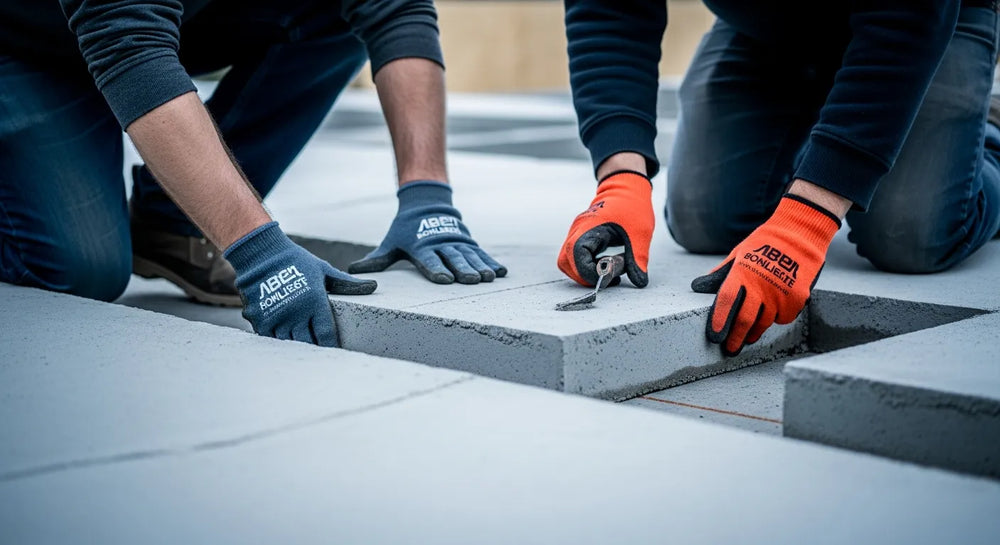
Labor is perhaps the most variable cost in a hempcrete project. Traditional hempcrete application is labor-intensive, involving the manual mixing of materials and hand-tamping them into formwork. This "cast-in-place" method requires a skilled crew and significant time on-site.
However, industrial innovation is changing this landscape. We are seeing a rise in:
- Hempcrete Blocks: Pre-cast blocks that can be laid similarly to traditional masonry, reducing on-site labor time.
- Spray-Applied Hempcrete: Using specialized equipment to spray the mixture into wall cavities, which significantly speeds up the installation process.
- Prefabricated Panels: Manufacturing entire wall sections in a controlled factory environment and shipping them to the site for assembly.
While pre-fabricated solutions may have a higher upfront material cost, they often reduce the total project cost by slashing labor hours and minimizing weather-related delays.
The Structural Framework Requirement
It is a common misconception that hempcrete can replace concrete blocks or poured concrete in a structural capacity. Because hempcrete is an infill, you must budget for a robust structural frame. In the U.S., timber framing is the most common partner for hempcrete. The cost of building a hempcrete house must therefore include the price of high-grade lumber or structural steel.
The interaction between the frame and the hempcrete is where engineering expertise becomes vital. The frame must be designed to handle the weight of the hempcrete while it is wet (which is significantly higher than its cured weight) and to ensure there is a thermal break-free envelope. Procurement of these structural components should be streamlined to ensure that the frame is ready as soon as the hempcrete team arrives on-site.
Strategic Financing and the Liquidity Challenge
One of the greatest hurdles in American manufacturing and construction isn't a lack of innovation; it's a structural liquidity challenge. Traditional bank credit is tightening, and the "time-to-terms" friction can be a project killer. In conventional procurement, getting net terms from a new supplier often requires weeks of paperwork, credit checks, and manual onboarding. When you are trying to source specialized materials for a hempcrete project, you cannot afford to wait 30 days for a credit approval.
This is where Maden Pay transforms the procurement process. We have embedded financing directly into the point of transaction. This means that instead of negotiating terms with every individual supplier of hemp hurd, lime, or timber, a single approval through our platform allows you to access credit lines that align with your cash conversion cycle.
Eliminating Procurement Friction
By using Maden Pay, buyers can receive instant eligibility decisions—often in under 60 seconds—via a soft credit check that does not impact their credit score. This speed allows procurement managers to secure materials immediately, ensuring that construction timelines are met. For qualified businesses, credit lines can range from $5,000 to over $250,000, providing the necessary capacity to handle large-scale material orders for a full residential or commercial build.
Strategic Note: Approvals, limits, and terms for financing are always dependent on individual business eligibility.
To see how much purchasing power your business can secure for your next project, you can Check eligibility today. This proactive approach to financing ensures that you are not just a buyer, but a strategic partner in the construction process.
Operational Savings and Total Cost of Ownership (TCO)
While the initial cost of building a hempcrete house may be higher, the Total Cost of Ownership tells a much more compelling story. For business owners and long-term residents, the operational efficiency of hempcrete provides a significant return on investment (ROI).
HVAC Downsizing and Energy Efficiency
Hempcrete's unique combination of high insulation (R-value) and high thermal mass creates a "thermal flywheel" effect. The walls store heat and release it slowly, maintaining a consistent internal temperature regardless of external fluctuations. In many climates, this allows for the significant downsizing of HVAC systems. A smaller furnace and air conditioning unit not only cost less to purchase but also cost significantly less to operate over the life of the building. Savings of 40% or more on monthly energy bills are common in hempcrete structures.
Durability and Maintenance
Hempcrete is naturally resistant to many of the issues that plague traditional American homes:
- Fire Resistance: Hempcrete is virtually non-combustible. This can lead to lower insurance premiums—a direct cost saving that is often overlooked in the initial budget.
- Pest Resistance: The lime binder creates an alkaline environment that is naturally repellent to termites and other pests.
- Mold and Rot Prevention: Because the material is breathable, it does not trap moisture. In humid U.S. regions, this eliminates the risk of "sick building syndrome" and the costly remediation associated with mold.
When these factors are quantified over a 30-year mortgage or a commercial lease, the hempcrete house often becomes the more economical choice.
Capital Expenditures and Tax Strategies
For businesses investing in hempcrete structures—such as eco-resorts, sustainable office spaces, or manufacturing facilities—there are significant tax implications to consider. One of the most powerful tools in the CapEx arsenal is 100% bonus depreciation.
Under current U.S. tax laws, businesses may be able to deduct the full cost of certain qualifying assets in the first year they are placed in service, rather than depreciating them over several decades. This can drastically reduce a company's tax liability and free up cash flow for further expansion.
Important Disclaimer: Tax laws are complex and subject to change. Always consult with a qualified tax professional to understand how bonus depreciation and other incentives apply to your specific construction project and business structure.
Strategic timing of these expenditures, paired with the flexibility of Maden Pay, allows businesses to manage their balance sheets more effectively while contributing to the U.S. manufacturing revival.
Sourcing the American Supply Chain
Our mission at Maden.co is to democratize access to American manufacturing. We believe that sourcing locally is not just a patriotic choice, but a strategic one. When you source hemp and lime from U.S. manufacturers, you reduce shipping distances, decrease your carbon footprint, and ensure that your project complies with domestic standards and regulations.
The Role of Verified Vendors
The quality of hempcrete depends entirely on the quality of its inputs. Unprocessed or poorly retted hemp hurd can lead to structural weaknesses or poor insulation performance. By utilizing our marketplace, you can Browse All Categories to find verified vendors who meet stringent industrial standards. We are not just a catalog; we are a platform built on transparency and excellence.
For manufacturers of hemp products or bio-based binders who are looking to expand their reach, we invite you to join our network. You can begin the Vendor Registration process to connect with a growing pool of industrial buyers who are specifically looking for American-made solutions.
The Logistics of Hempcrete Procurement
A successful hempcrete build requires meticulous logistics planning. Unlike ordering drywall or fiberglass from a local big-box store, sourcing hempcrete components often involves coordinating between agricultural processors and chemical manufacturers.
Lead Times and Inventory Management
Procurement managers must account for longer lead times when ordering hemp hurd. Seasonality can affect availability, as hemp is a harvested crop. Building a resilient supply chain means establishing relationships with multiple suppliers to ensure that a bad harvest in one region doesn't halt your project.
On-Site Mixing vs. Factory Pre-Fab
Deciding between on-site mixing and pre-fabricated panels is a logistical crossroads. On-site mixing requires a constant supply of water and power, as well as space for large mixers and piles of hurd. It also requires a "dry window" for the hempcrete to begin its initial cure.
Conversely, pre-fabricated panels shift the logistical burden to the transportation phase. You must ensure that the site is accessible for large trucks and cranes. However, the time saved on-site—often reducing wall assembly from weeks to days—can drastically lower the "carrying costs" of the construction loan.
Comparing Hempcrete to Other Sustainable Materials
When evaluating the cost of building a hempcrete house, it is helpful to compare it to other sustainable options like Rammed Earth, Cross-Laminated Timber (CLT), or Straw Bale.
- Rammed Earth: Offers incredible thermal mass but is extremely labor-intensive and requires specific soil types, often making it more expensive than hempcrete.
- Straw Bale: Similar in insulation value to hempcrete and often cheaper in raw material costs, but it is much more susceptible to moisture damage and pests if the lime plaster is compromised.
- CLT: Excellent for speed and strength but lacks the inherent breathability and humidity regulation of hempcrete. It also carries a high price tag due to the sophisticated manufacturing process.
Hempcrete occupies a "sweet spot" in the market, providing a balanced performance profile that justifies its cost through durability and operational efficiency.
Regulatory Environment and Building Codes
A significant "soft cost" in hempcrete construction has historically been navigating the regulatory environment. For years, hempcrete was treated as an experimental material, requiring expensive engineering sign-offs for every project.
However, the tide is turning. Hempcrete (specifically hemp-lime) was recently approved for inclusion in the International Residential Code (IRC). This is a monumental shift that will lower the cost of building a hempcrete house by:
- Reducing the need for "alternative method" permit applications.
- Standardizing the expectations for building inspectors.
- Lowering the risk for architects and engineers, which in turn lowers their professional fees.
As these standards become more widely adopted across the U.S., the friction in the planning phase will decrease, making hempcrete a more accessible option for mainstream developers.
Building a Resilient Supply Chain with Maden.co
At Maden.co, our commitment to industrial excellence means we provide the tools necessary to navigate these complex procurement landscapes. We understand that the U.S. Manufacturing Revival depends on the ability of businesses to access high-quality materials and flexible capital.
Whether you are a facility manager looking to build a new sustainable warehouse or a developer planning a residential community, we offer a strategic partnership. Our platform is designed to reduce procurement friction, ensuring that you can focus on the quality of your build rather than the headaches of your supply chain. You can learn more about our commitment to this mission on our About Us page.
Practical Procurement Scenario: The Tight Timeline
To illustrate the value of integrated financing and a verified supply chain, consider a developer who has a 90-day window to complete the exterior envelope of a commercial office before winter sets in. They have chosen hempcrete for its superior insulation properties.
In a traditional scenario, the developer might spend three weeks just getting credit terms with a specialized hemp supplier. If that supplier then experiences a delay, the developer has to start the process all over again with a second vendor. This "time-to-terms" friction can push the project into the winter months, leading to astronomical costs for heated enclosures or, worse, a complete work stoppage.
With Maden.co, that same developer can Check eligibility for Maden Pay in minutes. Once approved, they have a ready-to-use credit line that works across our entire marketplace. They can order their lime binder from one vendor and their hemp hurd from another, securing the earliest possible delivery dates without the delay of multiple credit applications. This is the definition of procurement efficiency.
The Future of Hempcrete in American Industry
As we look toward the future, the cost of building a hempcrete house is expected to decrease. As more processing facilities open across the Midwest and South, freight costs will drop. As more crews become trained in spray-application and block-laying, labor costs will normalize. And as more businesses utilize embedded financing to scale their operations, the entire ecosystem will become more liquid and efficient.
We are proud to be at the forefront of this shift. By connecting buyers with the best in American manufacturing, we are helping to build a future that is not only sustainable but also economically robust. If you have specific questions about sourcing or need assistance with a large-scale order, do not hesitate to Contact Us.
Conclusion
The cost of building a hempcrete house is more than just a line item on a spreadsheet; it is an investment in the future of American construction and manufacturing. While the upfront material and labor costs may be higher than traditional methods, the long-term benefits of energy efficiency, durability, and health make it a superior choice for the modern builder. By focusing on Total Cost of Ownership and leveraging the power of domestic supply chains, businesses can achieve remarkable outcomes.
Strategic procurement is the key to unlocking these benefits. By eliminating the "time-to-terms" friction and utilizing embedded financing like Maden Pay, you can ensure that your projects move at the speed of your ambition. We invite you to explore our marketplace, connect with our verified American vendors, and join us in driving the U.S. Manufacturing Revival. The tools you need to build a resilient, sustainable, and profitable future are right here.
Frequently Asked Questions (FAQ)
1. What is the average cost per square foot for a hempcrete house in the U.S.?
The cost typically ranges from $180 to $250 per square foot, depending on the complexity of the design, the region, and the application method used. This is generally 5% to 15% higher than conventional construction, though these costs are often offset by lower HVAC requirements and long-term energy savings.
2. Can I build a hempcrete house myself to save on labor costs?
While DIY hempcrete is possible, it is extremely labor-intensive and requires a deep understanding of the mixing ratios and tamping techniques. Most professional projects now favor spray-applied hempcrete or pre-cast blocks, as these methods ensure consistency and significantly reduce the time spent on-site, which can ultimately be more cost-effective than a slow, manual DIY process.
3. Does a hempcrete house require a special foundation or frame?
Yes. Hempcrete is a non-structural infill material. It requires a load-bearing frame, usually made of timber or steel. Because hempcrete is heavier than standard insulation (especially when wet), the foundation and frame must be engineered to support these specific loads. However, because it provides its own insulation and sheathing, it simplifies other aspects of the wall assembly.
4. How can I finance the specialized materials needed for a hempcrete build?
Traditional construction loans can sometimes be slow to approve "nontraditional" materials. Maden Pay offers a strategic solution by providing embedded financing at the point of transaction. This allows you to secure net terms (30, 60, or 90 days) for your materials quickly, aligning your payments with your project's cash flow without the long wait times of traditional bank credit. (Approvals and terms are subject to business eligibility).


