
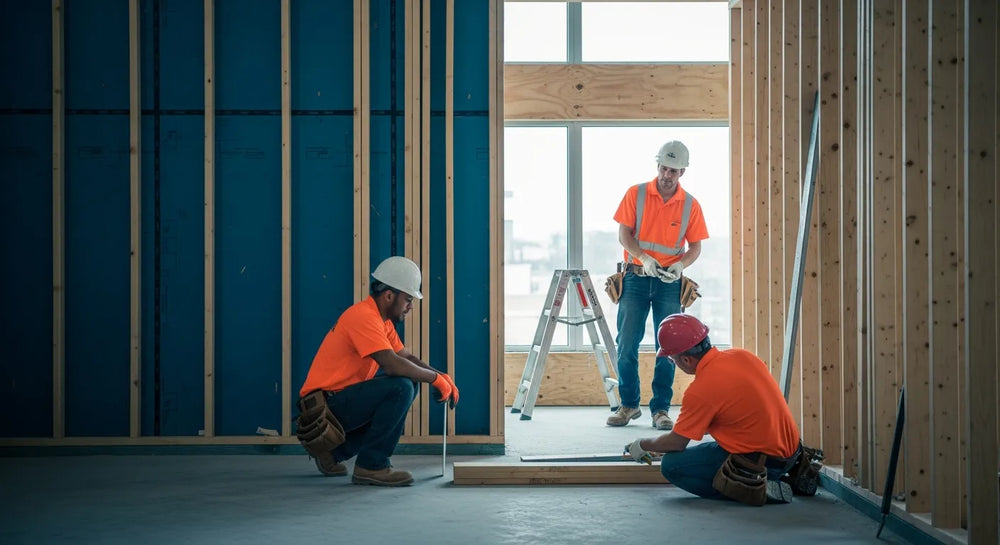
Real Cost to Build a House in New York
Table of Contents
- Introduction
- The Geographic Disparity of New York Construction Costs
- Hard Costs: The Backbone of Your Project Budget
- The Strategic Role of Financing in Construction
- Soft Costs and Regulatory Hurdles in New York
- Tax Incentives and CapEx Strategy
- The Critical Importance of U.S. Manufacturing
- Relatable Procurement Scenarios in New York Construction
- Breakdown of Per-Square-Foot Costs
- Reducing Procurement Friction with Digital Innovation
- Long-Term Value: Total Cost of Ownership (TCO)
- Navigating Labor Costs and Trade Availability
- FAQ
- Summary: Building the Future of New York
Introduction
A site supervisor for a multi-unit residential project in the Hudson Valley recently faced a critical bottleneck: a sudden requirement for specialized structural steel fasteners that met specific New York State building codes. The local supplier was backordered, and the traditional procurement process for a new out-of-state vendor—involving credit applications, manual reference checks, and a two-week onboarding period—threatened to halt the entire foundation pour. This scenario is not an outlier. In the complex landscape of New York construction, where regulatory pressure and labor costs are among the highest in the nation, the "time-to-terms" friction is often as expensive as the materials themselves.
The purpose of this guide is to provide a granular analysis of the cost to build a house in New York, moving beyond simple averages to explore the systemic factors of labor, logistics, and liquidity. We will examine the regional price variances between the five boroughs and Upstate New York, the technical specifications required for American-made building materials, and the strategic financial tools available to modern developers. At Maden.co, our mission is to democratize access to American manufacturing, ensuring that builders have the resilient, U.S.-based supply chains necessary to navigate these challenges. Ultimately, managing the cost of construction in New York requires a shift from reactive purchasing to proactive procurement efficiency, powered by rapid financing and verified domestic sourcing.
The Geographic Disparity of New York Construction Costs
New York is not a monolithic market. The cost to build a house in New York varies more significantly by ZIP code than perhaps any other state in the Union. When we look at the financial architecture of a project, we must divide the state into three distinct economic zones: the New York City (NYC) Metropolitan area, the "Commuter Belt" (Westchester, Rockland, and Long Island), and Upstate New York.
The NYC High-Density Challenge
Building within the five boroughs carries a premium that often doubles the national average. Factors contributing to this include extreme logistical constraints—where delivering a load of rebar requires precision scheduling and specialized permitting—and a highly specialized labor market. In NYC, hard costs are frequently secondary to the costs of compliance, site security, and union labor rates. For a procurement manager, this means every hour of delay in material delivery compounds the "burn rate" of a high-cost labor force.
Upstate New York and the Rural Shift
Conversely, building in regions like the Southern Tier or the North Country presents a different set of challenges. While land is more affordable and labor rates are lower, the supply chain is more elongated. The cost to build a house in New York's northern regions is heavily influenced by transportation and the seasonal availability of skilled trades. Here, the focus shifts to sourcing durable, American-made materials that can withstand extreme thermal cycling, requiring adherence to rigorous R-value standards for insulation and high-performance HVAC systems.
The Suburban Middle Ground
In areas like the Hudson Valley, we see a hybrid model. Developers are increasingly looking for ways to balance the high architectural standards of NYC clients with the logistical realities of suburban construction. This is where Maden.co serves as a strategic partner, connecting these builders with a vast catalog of verified American products that meet the aesthetic and technical demands of the region without the unpredictability of international shipping.
Hard Costs: The Backbone of Your Project Budget
Hard costs—the tangible materials and labor that form the physical structure—typically represent 60% to 70% of the total cost to build a house in New York. However, these figures are currently subject to the "liquidity challenge" facing the U.S. manufacturing sector. As traditional bank credit tightens, the ability to secure bulk materials like lumber, steel, and concrete at favorable rates becomes a competitive advantage.
Framing and Structural Materials
The price of lumber and structural steel remains volatile. In New York, where seismic and wind-load requirements (especially on Long Island and in NYC) are stringent, the quality of these materials is non-negotiable. Sourcing American-made steel ensures compliance with domestic standards and reduces the risk of project rejection by building inspectors. By utilizing Maden Pay, procurement teams can lock in pricing for large structural orders immediately, rather than waiting for 30-day credit approvals that might see prices rise before the deal is inked.
Mechanical, Electrical, and Plumbing (MEP)
The MEP phase is where technical specifications like NPT (National Pipe Taper) threads or specific DIN standards for industrial components become critical. New York’s aging infrastructure often requires new builds to interface with existing systems that demand high-precision fittings.
- Plumbing: Copper and PEX piping sourced through U.S. manufacturers provide long-term reliability against New York’s varied water chemistry.
- Electrical: High-grade conduit and American-made circuit breakers are essential for meeting the New York City Electrical Code, which is notoriously more demanding than the National Electrical Code (NEC).
- HVAC: With the shift toward electrification in New York (such as the All-Electric Buildings Act), heat pump technology and high-efficiency ventilation are no longer optional. These are capital-intensive components where the Total Cost of Ownership (TCO) is greatly improved by choosing high-quality, domestically supported brands.
Exterior Enclosure and Roofing
From the limestone requirements in certain historic districts to the high-performance glazing needed for the "Energy Highway" corridors, the exterior shell is a significant cost driver. We encourage builders to browse all categories of our marketplace to find specialized exterior solutions that meet the New York State Energy Conservation Construction Code.
The Strategic Role of Financing in Construction
One of the greatest hidden costs in New York construction is "time-to-terms." In a traditional environment, a builder identifies a new manufacturer for custom windows or specialized siding. To get net terms, the builder must submit three years of financials, wait for a credit officer to review the file, and hope for an approval—all while the construction schedule ticks away.
Eliminating the Onboarding Friction
At Maden.co, we believe the U.S. manufacturing revival is here, but it must be fueled by digital innovation. This is why we have embedded financing directly into the point of transaction. Instead of weeks of paperwork, our users can check eligibility for credit lines ranging from $5,000 to over $250,000 in under a minute.
Note: All approvals, limits, and terms depend on business eligibility.
Aligning Cash Flow with Construction Milestones
Construction is a business of cycles. You pay for materials today, but you might not receive a draw from the bank or a payment from the client for 60 or 90 days. Maden Pay offers Net 30, 60, and 90-day options specifically designed to bridge this gap. This operational tool allows procurement managers to maintain liquidity for labor and emergency costs while ensuring that the flow of materials to the job site never stops. A single approval works across our entire marketplace, meaning you don't have to renegotiate terms for every new supplier you discover.
Soft Costs and Regulatory Hurdles in New York
While the cost to build a house in New York is often discussed in terms of bricks and mortar, the "soft costs" can be staggering. In some jurisdictions, these can account for 30% of the total budget.
Architectural and Engineering Fees
New York requires stamped plans from licensed professionals for almost all residential construction. Given the complexity of the state’s building codes—including the WUI (Wildland-Urban Interface) codes in rural areas and the rigorous fire codes in NYC—specialized engineering is a mandatory investment.
Permitting and Impact Fees
Permit fees in New York are often calculated based on the estimated value of the construction. Additionally, many municipalities charge "impact fees" for sewer connections, school district contributions, and park funds. Navigating these requires a local expeditor, an additional soft cost that is unique to the New York market.
Insurance and Bonding
General Liability insurance, Workers' Comp, and Disability insurance are significantly more expensive in New York than in neighboring states. For larger residential developments, performance bonds are often required to ensure the project reaches completion. This is another area where maintaining a strong balance sheet—supported by efficient financing tools like Maden Pay—is essential for securing favorable insurance premiums.
Tax Incentives and CapEx Strategy
For businesses involved in residential development or those building employee housing, the timing of capital expenditures (CapEx) is a vital component of the overall cost strategy.
100% Bonus Depreciation
Under current tax laws, businesses may be eligible for 100% bonus depreciation on certain types of equipment and property acquired for their operations. If you are purchasing heavy machinery, specialized construction tools, or site-office modules through Maden.co, this can lead to significant front-loaded tax savings. However, tax laws are subject to change and vary by specific business situation; you must always consult your tax professional to determine how these incentives apply to your New York-based project.
Energy Efficiency Credits
New York offers various incentives for building "green." By sourcing high-efficiency American-made appliances and insulation systems, builders can often qualify for state-level rebates and federal tax credits under the Inflation Reduction Act. This effectively reduces the net cost to build a house in New York by offsetting the higher initial price point of premium, sustainable materials.
The Critical Importance of U.S. Manufacturing
The global supply chain disruptions of the last several years have taught us that the lowest sticker price is rarely the lowest total cost. When a shipment of imported flooring is stuck in a port for six weeks, the cost to build a house in New York skyrockets due to idle labor and extended financing interest.
Supply Chain Transparency
We are more than just a catalog; we are a strategic partner in building a resilient, U.S.-based supply chain. By sourcing from verified American manufacturers, procurement managers gain transparency. You know where your materials are coming from, you have a direct line to the manufacturer for technical support, and you are contributing to the domestic manufacturing revival.
For manufacturers reading this, we invite you to join our mission. By completing our vendor registration, you can connect with a growing network of industrial buyers who prioritize quality, speed, and American craftsmanship.
Industrial Excellence and Standards
American-made products often exceed the minimum requirements of international standards. Whether it is the tensile strength of fasteners or the chemical resistance of industrial coatings, U.S. manufacturers lead the way in industrial excellence. For a New York builder, this means fewer callbacks, lower maintenance costs for the homeowner, and a stronger professional reputation. At About us, you can learn more about how our core values of American Manufacturing Pride and Industrial Excellence drive everything we do.
Relatable Procurement Scenarios in New York Construction
To understand the impact of procurement efficiency, consider a facility manager in Rochester overseeing the construction of a new residential complex.
Scenario A: The Traditional Delay
The manager realizes they need an additional 200 units of a specific, fire-rated electrical enclosure to meet a revised inspection requirement. They find a supplier, but the supplier requires a new account application. The manager's accounting department is backlogged, and it takes five business days to send the credit references. The supplier takes another four days to verify them. By the time the order is placed, the electrical subcontractors have moved on to another job site, and it will be two weeks before they can return. The delay costs the project thousands in "lost time" and pushed-back occupancy dates.
Scenario B: The Maden.co Solution
The same manager uses Maden.co. They find the American-made enclosures. Since the company already has an approved line of credit through Maden.co, the manager simply selects the items and chooses Net-60 terms at checkout. The order is confirmed in seconds. The enclosures arrive in three days, the subcontractors stay on schedule, and the project remains on budget. By choosing to check eligibility early in the project, the manager transformed a potential crisis into a routine transaction.
Breakdown of Per-Square-Foot Costs
While figures fluctuate, the current market data suggests the following ranges for the cost to build a house in New York on a per-square-foot basis:
| Region | Basic Construction | Mid-Range | Luxury/Custom |
|---|---|---|---|
| NYC (Five Boroughs) | $400 - $600 | $600 - $900 | $1,000+ |
| Long Island / Westchester | $250 - $400 | $400 - $600 | $750+ |
| Upstate (Buffalo/Syracuse) | $150 - $250 | $250 - $400 | $500+ |
| Hudson Valley | $200 - $350 | $350 - $550 | $700+ |
These ranges include labor and materials but typically exclude land acquisition and high-end soft costs like legal fees and extensive landscaping. The wide variance highlights why procurement strategy—specifically the ability to source and finance materials efficiently—is the primary lever for controlling costs.
Reducing Procurement Friction with Digital Innovation
The "liquidity challenge" is perhaps the most significant structural barrier to American manufacturing growth. Many small to mid-sized manufacturers in the U.S. operate on thin margins and cannot afford to act as a bank for their customers. Conversely, many buyers are constrained by their own cash conversion cycles.
The Role of Maden.co in Modernizing Sourcing
We solve this by taking the credit risk and the administrative burden out of the equation. Our platform provides a centralized hub where transparency is the standard. When you browse for supplies, you aren't just looking at a price tag; you are looking at a verified U.S. supply chain.
If you have questions about specific product certifications or need help sourcing a hard-to-find American-made component, our team is ready to assist. You can contact us directly for personalized support in optimizing your construction supply chain.
Long-Term Value: Total Cost of Ownership (TCO)
When evaluating the cost to build a house in New York, a savvy procurement manager looks beyond the "first cost."
- Durability: New York’s climate—ranging from humid summers to sub-zero winters—punishes inferior materials. American-made roofing, siding, and MEP components are designed for these conditions, reducing the long-term maintenance costs that can erode the value of a property.
- Compliance: New York’s regulatory environment is unforgiving. Using verified products that meet or exceed local codes prevents the catastrophic cost of tearing out non-compliant installations after an inspection failure.
- Resale Value: In the New York real estate market, "American-made" is a powerful marketing tool. It signals quality, sustainability, and community investment to potential buyers, often allowing for a higher sales price that more than offsets any initial material premiums.
Navigating Labor Costs and Trade Availability
Labor remains the most volatile variable in the cost to build a house in New York. In the NYC market, labor can account for nearly 50% of the total budget.
The Skills Gap and Prefabrication
As the skilled labor shortage continues to impact New York, many developers are turning to pre-fabricated or modular components manufactured right here in the U.S. These components—such as pre-assembled wall panels or MEP skids—reduce the amount of on-site labor required. Sourcing these through Maden.co allows for better quality control and more predictable scheduling.
Efficiency Through Tools
Providing your trades with high-quality, reliable tools and materials reduces frustration and turnover. When a crew has exactly what they need, when they need it, because the procurement manager utilized the speed of Maden Pay to prevent stockouts, productivity remains high.
FAQ
1. How does the cost to build a house in New York compare to the national average? On average, construction in New York is 20% to 50% more expensive than the national average. In New York City, that premium can exceed 100% due to labor rates, logistical complexities, and stringent building codes. Utilizing a streamlined supply chain through Maden.co can help mitigate some of these costs by reducing procurement delays.
2. Can I use Maden Pay for all my construction material needs? Yes, for qualified businesses, Maden Pay provides a revolving line of credit that can be used across our entire marketplace. This includes structural steel, MEP supplies, finishes, and industrial equipment. It is designed to replace the need for multiple, individual credit applications with different vendors.
3. Why should I prioritize U.S.-manufactured products for my New York build? Beyond the mission of supporting domestic industry, U.S.-made products ensure compliance with New York’s rigorous building standards (like NPT and NYC-specific codes). They also offer shorter lead times and more reliable technical support compared to international imports, which is critical for maintaining construction schedules.
4. What are the first steps to take when planning a New York construction project? After securing land and initial architectural concepts, we recommend establishing your procurement and financing strategy. You can check eligibility for financing early to understand your purchasing power and then browse all categories to identify the American manufacturers that will form your supply chain.
Summary: Building the Future of New York
The cost to build a house in New York is undoubtedly high, but it is not insurmountable for those who approach it with a strategic, procurement-first mindset. By understanding the regional variations in costs, prioritizing high-quality American-made materials, and leveraging modern financial tools, developers can build resilient, high-value properties that stand the test of time.
The "U.S. Manufacturing Revival Is Here," and it is being built one project at a time. At Maden.co, we are proud to be the platform that connects the builders of New York with the manufacturers of America. We invite you to explore our marketplace, streamline your purchasing with Maden Pay, and join us in building a more transparent and efficient industrial future. Whether you are a procurement manager in Manhattan or a custom home builder in the Adirondacks, we have the tools and the network to help you succeed.
Ready to transform your construction supply chain? Start by discovering the millions of American-made products available on our platform and see how easy it is to manage your project's cash flow with our integrated financing solutions. The path to a more efficient, resilient, and cost-effective New York build starts here.


