
Door Hinge Screws: What Size Wood Screw to Use
Table of Contents
- Introduction
- The Overlooked Component: Why Hinge Screw Selection Matters
- Understanding Door Hinges and Their Demands
- Deconstructing the Wood Screw: Key Characteristics
- Matching Screws to Specific Hinge and Door Scenarios
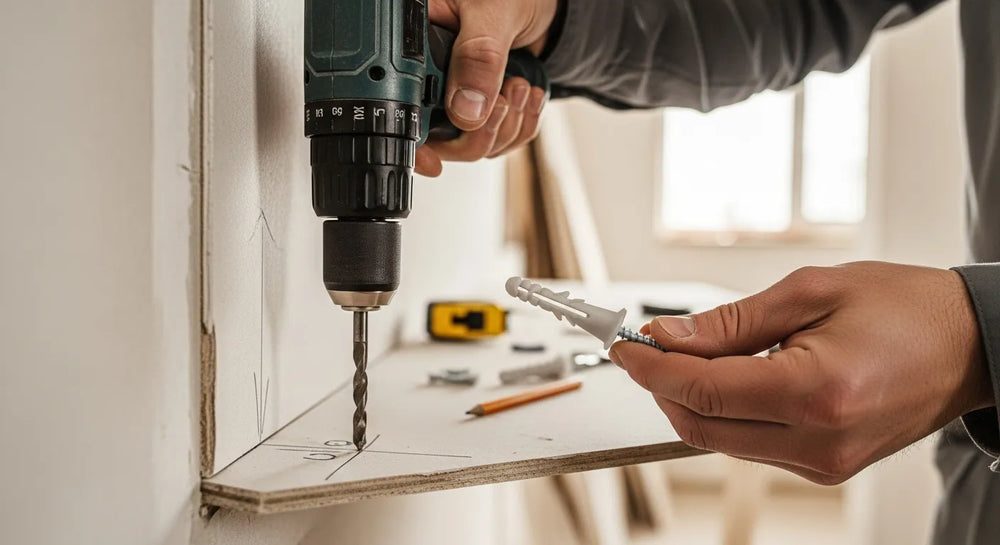
- The Crucial Role of Pre-Drilling
- The Maden.co Advantage: Sourcing American-Made Quality
- Practical Scenarios for Procurement Managers and Engineers
- Conclusion
- FAQ
A sagging door, a stripped screw hole, or a hinge that doesn't quite sit right can quickly escalate from a minor annoyance into a significant operational headache. For procurement managers, MRO buyers, and design engineers, the seemingly simple task of selecting the correct wood screw for a door hinge holds surprising implications for a project's integrity, a facility's security, and ultimately, its overall longevity. The right screw ensures proper alignment, prevents premature wear, and reinforces the structural stability of doors, from residential entryways to heavy-duty industrial access points.
In the intricate world of component sourcing, overlooking the specifications of even the smallest fasteners can lead to costly reworks, downtime, and compromised safety. This comprehensive guide delves into the critical factors for selecting the optimal wood screw for any door hinge application. We'll explore the nuances of screw length, gauge, head type, and material, providing practical insights to help you make informed decisions that enhance durability and performance. Furthermore, we’ll highlight how strategic sourcing through American manufacturing, exemplified by platforms like Maden.co, empowers businesses to secure high-quality, U.S.-made components, ensuring reliability and bolstering supply chain resilience for every project.
Introduction
In any built environment, doors are fundamental elements of access, security, and functionality. Their reliable operation depends heavily on the quality and correct installation of their hinges, which, in turn, are only as strong as the screws that anchor them. The seemingly straightforward question—"what size wood screw for a door hinge?"—unveils a complex interplay of engineering, material science, and practical application that, when mastered, contributes significantly to a structure's safety and operational efficiency. Without a precise understanding of screw specifications, businesses risk premature hardware failure, door misalignment, and even potential security vulnerabilities.
This post aims to demystify the process of selecting the ideal wood screw for door hinges, moving beyond generic advice to provide a detailed, authoritative resource tailored for industrial buyers, engineers, and business owners. We will dissect the crucial characteristics of wood screws—length, gauge, head type, and material—and elaborate on how these attributes align with various hinge types, door materials, and environmental conditions. Our focus extends to the strategic advantages of choosing high-quality, American-made fasteners, emphasizing how such decisions impact the Total Cost of Ownership (TCO) and contribute to a robust, transparent supply chain. By the end of this guide, you will possess the knowledge to confidently specify and procure the perfect wood screw for any door hinge application, ensuring optimal performance and enduring reliability.
The Overlooked Component: Why Hinge Screw Selection Matters
The humble wood screw holding a door hinge often goes unnoticed until it fails. Yet, its seemingly insignificant presence belies its critical role in the functionality, safety, and security of any door system. Incorrect screw selection or installation can lead to a cascade of problems that impact operational efficiency and necessitate costly interventions.
Consider the common scenarios: a commercial building entrance experiencing increased foot traffic, where hinge screws endure constant shear and pull-out forces; a factory floor with heavy fire-rated doors that must seal perfectly in an emergency; or even a secure storage facility where the integrity of every entry point is paramount. In each case, the right screw is not just about holding metal to wood; it's about maintaining structural integrity, ensuring smooth operation, and preventing catastrophic failure.
Common Issues Stemming from Incorrect Screw Choices
- Sagging Doors: Perhaps the most visible sign of inadequate screw support. If screws are too short or too thin, they gradually lose their grip in the wood, allowing the door to pull away from the frame, leading to friction with the floor or frame, and difficulty in opening or closing. This is particularly problematic for heavy industrial doors or those subjected to high usage.
- Stripped Screw Holes: Overtightening, using a screw that's too small, or simply the natural wear and tear over time can cause the wood fibers around a screw to break down. Once a hole is stripped, the screw loses its purchase, rendering it ineffective and often requiring more complex repair solutions than simply replacing the screw.
- Misalignment and Binding: Incorrect screw length or diameter can lead to the hinge not sitting flush against the door or frame. This misalignment places undue stress on the hinge leaves and pins, causing the door to bind, squeak, or fail to close properly. In precision engineering applications, even minor misalignment can compromise the function of interconnected systems.
- Compromised Security: For exterior doors, security doors, or gates, the strength of the hinge screws is a direct contributor to the door’s resistance against forced entry. Short, weak, or improperly installed screws present a significant vulnerability, undermining the entire security apparatus.
- Premature Hardware Wear: When hinges are improperly supported, they endure forces they weren't designed to handle. This can accelerate wear on hinge pins, bushings, and leaves, shortening the lifespan of expensive hardware and increasing MRO costs.
- Compliance and Safety Risks: In industrial and commercial settings, doors must often meet specific fire ratings, security standards, or accessibility codes. The use of non-compliant fasteners can jeopardize these certifications, creating safety risks and potential legal liabilities. For example, a fire door relies on robust, fire-resistant hardware to maintain its integrity during an emergency.
The decision of what size wood screw for a door hinge, therefore, transcends mere practicality; it's a strategic choice impacting operational continuity, safety protocols, and long-term cost efficiency. Sourcing components with precision and an understanding of their application is paramount, and it's here that the value of verified, high-quality American-made fasteners becomes undeniable.
Understanding Door Hinges and Their Demands
Before diving into screw specifics, it's essential to understand the different types of door hinges and the varied demands placed upon them. The hinge itself dictates many of the screw requirements, from the size of the holes to the load-bearing expectations.
Types of Hinges
- Butt Hinges: The most common type, consisting of two leaves joined by a pin. These are standard for most residential and many commercial applications.
- Ball Bearing Hinges: Designed for heavier doors or high-traffic areas, featuring ball bearings between the hinge knuckles to reduce friction and improve durability. Ideal for commercial entrances or industrial doors.
- Spring Hinges: Incorporate a spring mechanism to automatically close a door, often used in commercial settings for self-closing fire doors or utility rooms.
- Heavy-Duty and Continuous Hinges: Used for very heavy doors (e.g., vault doors, industrial access panels) or to distribute weight along the entire length of the door, requiring robust fastening.
- Specialty Hinges: Including pivot hinges, concealed hinges, or gate hinges, each with unique mounting requirements.
Door Materials and Their Implications
The material of the door and its frame significantly influences screw selection, particularly concerning thread engagement and resistance to pull-out.
- Solid Wood Doors and Frames: Offer the best screw-holding power. Screws can bite deeply into the grain, providing strong, reliable anchoring.
- Engineered Wood (MDF, Particleboard): These materials are less dense than solid wood and have weaker screw-holding capabilities. They are prone to stripping, necessitating careful pre-drilling and sometimes requiring larger diameter or specialized screws.
- Hollow Core Doors: Typically have a solid wood or engineered wood block where the hinges are mounted. It's crucial that screws only engage these solid blocks, not the hollow interior.
- Metal-Clad or Composite Doors: Often have internal wood or composite blocking. Screws must penetrate these internal structures. Specialized screws might be needed if drilling through metal cladding.
Weight and Frequency of Use
These two factors are paramount. A light interior closet door used a few times a day will have vastly different demands than a heavy steel security door in an industrial facility that sees hundreds of cycles daily.
- Light-Duty (Residential Interior): Standard butt hinges with moderately sized screws (e.g., #8 x 3/4" or 1") are usually sufficient.
- Medium-Duty (Residential Exterior, Light Commercial): Heavier butt hinges or ball bearing hinges are often employed. Longer, larger diameter screws (e.g., #9 or #10 x 1" to 1-1/2") provide the necessary strength and pull-out resistance.
- Heavy-Duty (Commercial, Industrial, Security): Ball bearing hinges, heavy-duty butt hinges, or continuous hinges are common. These demand the longest, largest diameter, and strongest material screws (e.g., #10 or #12 x 1-1/2" to 3") to withstand significant stress and frequent operation. For critical applications, materials like silicon bronze or stainless steel offer superior strength and corrosion resistance.
Understanding these foundational aspects of hinges and doors sets the stage for a detailed discussion on the anatomy of the wood screw itself, ensuring that when procurement managers specify a fastener, it is perfectly matched to its application.
Deconstructing the Wood Screw: Key Characteristics
Selecting the correct wood screw for a door hinge involves more than just guessing. It requires a precise understanding of several key characteristics: length, gauge (diameter), head type, drive type, and material. Each plays a vital role in the screw's performance and suitability for a specific application.
Screw Length: The Most Critical Dimension
The length of a wood screw is arguably the most important factor in determining its holding power. The goal is to ensure adequate penetration into the door frame or door jamb, providing maximum grip without protruding through the other side.
- General Rule of Thumb: For standard residential interior doors, screws typically range from 3/4 inch to 1 inch. This length usually provides sufficient purchase into the jamb.
- Standard Hinge Screws: Many hinges come with screws that are approximately 3/4 inch long. While adequate for light-duty applications, these are often insufficient for exterior doors or heavier interior doors.
- Addressing Stripped Holes: One common repair for a sagging door with stripped screw holes is to replace one or two of the short hinge screws with significantly longer ones, typically 2-1/2 to 3 inches. These longer screws bypass the stripped area in the jamb and bite into the framing stud behind it, offering vastly superior holding power. This technique is particularly effective for exterior doors and frequently used interior doors.
- Door Thickness and Frame Penetration: The screw must be long enough to pass through the hinge leaf, the door edge or jamb, and then penetrate deeply into the solid wood or structural blocking behind it. For a standard 1-3/8 inch thick door, a screw should generally not exceed 1-1/4 inches to prevent puncturing the face. For the jamb, the screw should aim to embed at least 1 inch into the structural stud for optimal strength.
- Industrial Applications: For heavy-duty industrial doors, fire doors, or high-security access points, screw length often takes precedence. Here, screws of 2 inches, 2-1/2 inches, or even 3 inches are common to ensure maximum engagement with robust framing or internal blocking. This deep penetration is critical for preventing pull-out under extreme loads or in scenarios requiring enhanced security. When specifying for such rigorous environments, considering U.S.-made fasteners ensures adherence to strict dimensional tolerances and material strength, which is vital for long-term performance and safety.
Screw Gauge (Diameter): Matching Strength to Application
The gauge refers to the diameter of the screw shank. Like length, a larger gauge generally translates to greater strength and holding power.
-
Common Gauges for Hinges: The most frequently encountered gauges for door hinge screws are #8, #9, and #10.
- #8 Screws: Common for standard residential hinges, providing adequate strength for lighter doors.
- #9 Screws: A slightly heavier gauge, often supplied with higher-quality residential or light commercial hinges, offering improved holding power.
- #10 Screws: Preferred for heavier doors, commercial applications, or when superior strength is required. These are less prone to shearing and provide better pull-out resistance.
- Matching the Hinge Screw Holes: It is crucial that the screw's gauge matches the countersunk holes in the hinge leaf. The screw head should sit flush within the countersink to allow the door to close properly and prevent undue stress on the hinge.
-
Implications of Too Thin/Too Thick:
- Too Thin: A screw that is too thin for the hinge hole will allow the hinge to shift, leading to misalignment. It also provides less material to resist shear forces, making it more prone to breaking or stripping.
- Too Thick: A screw that is too thick will not fit into the hinge hole, or if forced, it will split the wood or damage the hinge.
Screw Head Type and Drive Type: Form, Function, and Compatibility
The head type determines how the screw sits in the hinge and how it's driven, while the drive type dictates the tool needed for installation.
-
Screw Head Type:
- Flat Head: This is the most common head type for door hinges. The underside of the head is conical, designed to sit flush within the countersunk holes of the hinge leaf, allowing the hinge to lie flat against the door or frame. This self-countersinking design ensures a smooth, unobtrusive finish. If you're looking for a reliable, U.S.-made flat head brass screw, you can find the Flat Slot Drive Brass Wood Screw in our catalog.
- Round Head: Features a domed top. These are generally not used for hinge mounting as they prevent the hinge from sitting flush. However, round head screws are excellent for attaching hardware where the head does not need to be flush, or where a decorative element is desired. For specialized applications requiring this profile, consider the robust Round Slot Drive Brass Wood Screw available through Maden.co.
- Oval Head: A hybrid between flat and round, with a decorative, slightly domed top over a countersunk base. Like round heads, they are less common for hinges but might be used in aesthetic applications where a slightly raised, finished look is desired. For such unique requirements, the Oval Slot Drive Silicon Bronze Wood Screw offers both style and superior corrosion resistance.
-
Drive Type: Refers to the shape of the recess in the screw head that accepts a screwdriver or power drill bit.
- Phillips: Cross-shaped recess, very common.
- Square (Robertson): Square recess, offers excellent torque transfer and reduces cam-out.
- Torx (Star): Star-shaped recess, provides superior grip and very high torque capabilities, minimizing cam-out.
- Slot Drive: A simple straight slot. While less common in modern construction due to potential for cam-out, many traditional or historical reproductions still utilize slot drive fasteners for authenticity. The Maden.co catalog proudly offers a range of high-quality U.S.-made slot drive screws, upholding the tradition of American manufacturing excellence.
Screw Material: Durability, Aesthetics, and Environment
The material of the screw significantly impacts its strength, corrosion resistance, and overall lifespan, making it a critical consideration for any application.
-
Brass:
- Pros: Aesthetic appeal (especially polished or antiqued finishes), excellent corrosion resistance, matches brass hinges. It’s softer than steel, so less prone to cracking wood.
- Cons: Not as strong as steel; can shear if overtightened or used in very high-stress applications.
- Applications: Primarily decorative hinges, interior doors, marine environments (with appropriate alloys). Our U.S.-made Flat Slot Drive Brass Wood Screw is a testament to quality craftsmanship and durability in brass.
-
Steel (Plated):
- Pros: Very strong, readily available, inexpensive. Plating (zinc, nickel, black oxide) provides some corrosion resistance and aesthetic finish.
- Cons: Plating can wear off, leading to rust. Not suitable for outdoor or high-moisture environments without proper protection.
- Applications: General interior use, utility doors.
-
Stainless Steel:
- Pros: Superior corrosion resistance (especially 304 and 316 grades), high strength, durable.
- Cons: More expensive than plated steel.
- Applications: Exterior doors, bathrooms, kitchens, marine environments, industrial settings where humidity or corrosive chemicals are present, fire doors (depending on specific alloy and rating).
-
Bronze (e.g., Silicon Bronze):
- Pros: Excellent corrosion resistance, high strength (especially silicon bronze), often chosen for its aesthetic appeal in high-end or historic reproductions. Very durable in harsh environments.
- Cons: Generally more expensive.
- Applications: Marine environments, exterior architectural hardware, historical restorations, and any application demanding exceptional longevity and resistance to environmental degradation. The Oval Slot Drive Silicon Bronze Wood Screw in our catalog exemplifies the blend of aesthetics and robust performance.
When sourcing fasteners, particularly for critical industrial or commercial applications, the consistency and quality of materials are non-negotiable. Sourcing U.S.-made components ensures that materials meet rigorous specifications, are traceable, and contribute to the overall reliability of your assembly, thereby improving your Total Cost of Ownership.
Matching Screws to Specific Hinge and Door Scenarios
The ideal wood screw for a door hinge is always context-dependent. Here, we outline recommendations for various common scenarios, emphasizing the "what size wood screw for door hinge" question within each context.
Standard Residential Interior Doors
- Hinge Type: Typically standard butt hinges.
- Door Material: Often hollow core or light solid wood.
- Recommendation: #8 x 3/4 inch or #8 x 1 inch flat head screws. For added security or if the door feels a bit flimsy, replacing at least one screw per hinge on the jamb side with a 2-1/2 inch or 3 inch #9 or #10 screw can significantly improve stability by anchoring into the wall stud. Steel with a matching finish (e.g., brass plated, nickel plated) is common. For those seeking authentic traditional aesthetics or higher corrosion resistance, even for interior applications, our Flat Slot Drive Brass Wood Screw offers a premium, U.S.-made alternative.
Standard Residential Exterior Doors
- Hinge Type: Heavier butt hinges, often ball bearing, for increased durability and load bearing.
- Door Material: Solid wood, fiberglass, or steel-clad with wood blocking.
- Recommendation: #9 or #10 flat head screws. For strength and security, it is highly recommended to use at least two 2-1/2 inch or 3 inch screws per hinge, anchoring deeply into the structural framing. Material should be corrosion-resistant: stainless steel, silicon bronze, or high-quality brass (like our Round Slot Drive Brass Wood Screw for specific applications or the robust Oval Slot Drive Silicon Bronze Wood Screw for ultimate weather resistance). This prevents rust streaks and ensures long-term integrity against the elements.
Heavy-Duty Commercial/Industrial Doors
- Hinge Type: Ball bearing hinges, heavy-duty butt hinges, continuous hinges, or pivot hinges. These doors can be significantly heavy, endure high traffic, and may be fire-rated or security-enhanced.
- Door Material: Solid core wood, steel, or other robust composites.
-
Recommendation: #10 or #12 flat head screws, with lengths ranging from 1-1/2 inches to 3 inches, depending on the door thickness and frame depth. Often, all screws should be long enough to engage deeply into the structural framing. Material choice is critical:
- Stainless steel: For high strength, hygiene, and excellent corrosion resistance in environments like food processing, laboratories, or outdoor industrial settings.
- Silicon bronze: For extreme corrosion resistance, such as in marine industrial applications or chemical plants, providing unparalleled durability.
- For procurement managers under pressure to source specific, compliant fasteners for heavy-duty applications, a design engineer needing certified material for a new prototype, or an MRO buyer facing an unexpected equipment breakdown, the ability to quickly find and finance a verified, U.S.-made part is a game-changer. Sourcing through Maden.co connects you directly to manufacturers providing these critical components, enhancing your supply chain resilience and ensuring compliance with vital industry standards like DIN or NPT, where applicable to other related hardware.
Repairing Stripped Hinge Screw Holes
This is a common issue that requires a specific approach to restore full integrity.
- Solution 1: Longer/Larger Gauge Screws: As mentioned, replacing the stripped screw with a longer, potentially larger gauge screw to bite into fresh wood is the simplest and often most effective fix.
- Solution 2: Wood Fillers: For less severe stripping, a wood filler (epoxy-based or wood putty) can be used. Fill the hole, allow it to dry completely, then pre-drill and reinsert the original size screw.
-
Solution 3: Dowels or Wood Plugs: For severely stripped holes, this is the most robust repair.
- Remove the hinge and drill out the stripped hole to a larger, clean diameter (e.g., 1/4 inch or 3/8 inch).
- Insert a wooden dowel (matched to the drill bit size) coated in wood glue into the hole.
- Allow the glue to cure completely.
- Trim the dowel flush with the surface.
- Pre-drill a new pilot hole into the dowel and reattach the hinge with the appropriate screw. This essentially creates a "new" piece of wood for the screw to bite into.
In every scenario, the emphasis on the correct "what size wood screw for door hinge" extends beyond mere dimensions to encompass material quality, manufacturing precision, and the overarching reliability of the component. This is where the strategic advantage of sourcing American-made parts becomes clear.
The Crucial Role of Pre-Drilling
Regardless of the screw size or material, pre-drilling pilot holes is a non-negotiable step for proper hinge installation and to prevent damage to the door or frame. Skipping this step is a common cause of stripped screws, cracked wood, and ultimately, a compromised door system.
Why Pre-Drill?
- Prevents Splitting: Especially critical when working with hardwoods, engineered woods, or close to the edge of a board. The pilot hole relieves pressure, allowing the screw to enter without forcing the wood fibers apart.
- Ensures Straight Insertion: A pilot hole guides the screw, ensuring it drives in straight and true. This is vital for the hinge to sit flush and for the door to hang correctly. Without a pilot hole, screws can wander, leading to crooked hinges and misalignment.
- Reduces Stripping: By creating an initial path, pre-drilling reduces the friction and torque required to drive the screw, minimizing the risk of stripping the screw head or the wood fibers.
- Optimizes Holding Power: A properly sized pilot hole allows the screw threads to engage fully with the wood, providing maximum holding power without over-compressing or damaging the wood.
Correct Drill Bit Size and Depth
The size of the drill bit for the pilot hole is crucial. It must be slightly smaller than the screw's root diameter (the solid core of the screw, excluding the threads).
- For Hardwoods: Use a drill bit that is approximately 90% of the screw's root diameter.
- For Softwoods: Use a drill bit that is approximately 70-80% of the screw's root diameter.
- Determining Root Diameter: Hold the screw threads against various drill bits until you find one where the threads are visible on either side of the bit, but the solid shank is completely hidden. This is the correct approximate size.
- Depth: The pilot hole should be as deep as the screw's intended penetration. Use a depth stop on your drill or wrap a piece of tape around the drill bit to mark the desired depth, ensuring you don't drill too deep or too shallow.
For large-volume procurement or manufacturing processes, standardizing pilot hole specifications and utilizing high-quality, consistent drilling equipment are essential for maintaining efficiency and product quality. This meticulous approach to installation complements the precision of U.S.-made fasteners, ensuring that every component performs optimally.
The Maden.co Advantage: Sourcing American-Made Quality
In an increasingly interconnected yet volatile global economy, the strategic value of sourcing American-made products cannot be overstated, especially for critical components like door hinge screws. At Maden.co, our mission is to democratize access to American manufacturing, connecting industrial buyers with a vast network of over 800+ verified U.S. manufacturers offering more than 2.5 million American-made products. Our vision is to become the definitive platform that proves American-made components are as accessible and convenient as any global alternative, driving America's manufacturing revival. You can learn more about our mission to champion American manufacturing here: About Us.
Why Choose U.S.-Made Screws for Door Hinges?
The decision to specify American-made fasteners through Maden.co offers a multitude of tangible benefits for procurement managers, MRO buyers, and design engineers:
- Precision Engineering and Consistent Quality: U.S. manufacturers adhere to stringent quality control standards and often employ advanced manufacturing processes. This results in screws with consistent dimensions, reliable material composition, and precise threading—critical factors for proper fit, maximum holding power, and prevention of issues like stripping or shearing. For a design engineer, this means greater confidence in product performance and compliance.
- Reduced Lead Times and Enhanced Supply Chain Resilience: Sourcing domestically significantly shortens lead times, mitigating the risks associated with international shipping delays, customs issues, and geopolitical uncertainties. For an MRO buyer facing an urgent equipment repair, quick access to parts can minimize costly downtime. This localized sourcing builds a more resilient and predictable supply chain, ensuring operational continuity.
- Adherence to Standards and Traceability: American-made products often come with clear certifications and traceable origins, ensuring compliance with industry standards (e.g., ASTM, ANSI). This transparency is invaluable for quality assurance, regulatory compliance, and risk management.
- Boosting American Manufacturing Pride: By choosing U.S.-made, businesses directly contribute to the domestic economy, support American jobs, and reinforce the national manufacturing base—a core value we champion at Maden.co. It's a strategic decision that aligns with a commitment to industrial excellence and sustainable economic growth.
- Improved Total Cost of Ownership (TCO): While the upfront cost of American-made fasteners might occasionally be higher than some global alternatives, their superior quality, durability, and reliability translate into a lower TCO. Fewer failures, reduced maintenance, and longer operational lifespans mean less downtime, fewer replacement parts, and ultimately, greater long-term savings.
Beyond the Product: Maden.co's Value Proposition
Maden.co is more than just a marketplace; we are a strategic partner in building a more reliable and efficient procurement process. We address common procurement friction points by offering:
- Vast Catalog of Verified Products: Our platform aggregates millions of U.S.-made products from verified manufacturers, making it easy to find specific components like the Flat Slot Drive Brass Wood Screw or specialized fasteners like the Oval Slot Drive Silicon Bronze Wood Screw or the Round Slot Drive Brass Wood Screw for unique applications.
- Digital Innovation: We leverage technology to streamline the procurement process, offering intuitive search, detailed product specifications, and direct connections to manufacturers, empowering customers with efficient sourcing tools.
- Customer Empowerment: We put the buyer in control, providing the information and options needed to make the best decisions for their business, backed by exceptional service. If you have specific sourcing questions or need assistance, our team is ready to help: Contact Us.
Instant Financing for Strategic Purchases
A key differentiator for businesses sourcing through Maden.co is our Instant Financing option. We understand that large-volume purchases or capital-intensive projects require flexible financial solutions. This feature is not just a payment method; it's a strategic tool designed to help procurement managers and business owners manage cash flow effectively and make necessary, larger-volume purchases without immediate capital strain.
- How it Works: Instant Financing is available during the checkout process, offering a straightforward application that provides immediate decisions. This allows you to secure the high-quality, U.S.-made components you need without delay.
- Strategic Benefit: For businesses needing to stock critical MRO supplies, equip a new production line, or undertake significant facility upgrades, Instant Financing provides the flexibility to acquire essential American-made components today, preserving working capital for other operational needs.
Are you a qualified U.S. manufacturer looking to expand your market reach and contribute to America's manufacturing revival? Join our growing network of verified suppliers. You can Register as a vendor and join the American manufacturing revival to connect with thousands of industrial buyers seeking quality American-made products.
Practical Scenarios for Procurement Managers and Engineers
Let's illustrate the real-world impact of diligent screw selection and strategic sourcing with a few scenarios:
Scenario 1: MRO Buyer for a Manufacturing Plant
Challenge: An MRO buyer needs to replace hinges and screws on several heavy-duty access doors for machinery enclosures. The original screws have stripped due to constant vibration and frequent opening/closing. Downtime for repairs is costly, and the facility needs robust, vibration-resistant fasteners.
Solution: Instead of reaching for generic hardware, the buyer consults engineering specifications, determining the need for #10 x 2-inch stainless steel flat head screws to resist corrosion from humidity and provide superior shear strength. They prioritize U.S.-made to ensure material consistency and reduce lead times. By leveraging Maden.co, they quickly locate a verified U.S. manufacturer offering the exact specifications. Utilizing Instant Financing at checkout, they procure a bulk order without impacting immediate cash flow, ensuring all critical doors are secured with durable, compliant hardware that reduces future maintenance and prevents costly operational interruptions.
Scenario 2: Design Engineer for a New Product Line
Challenge: A design engineer is developing a new line of specialized industrial cabinets with hinged access panels. The panels must operate smoothly for years in a demanding environment and withstand significant daily use. The engineer needs fasteners that are precise, durable, and meet specific material hardness requirements to ensure the product’s longevity and customer satisfaction.
Solution: The engineer specifies precision-engineered, U.S.-made #9 x 1-1/4 inch silicon bronze flat head screws, recognizing that while the initial cost might be slightly higher, the material's superior corrosion resistance and strength will extend the product's life cycle and reduce warranty claims. They explore Maden.co's extensive catalog, finding the Oval Slot Drive Silicon Bronze Wood Screw which offers the required attributes and the necessary technical data for their design calculations. This proactive sourcing strategy, focused on quality U.S. manufacturing, ensures the integrity of their final product and bolsters the brand's reputation for reliability.
Scenario 3: Business Owner Upgrading Facility Entryways
Challenge: A business owner decides to upgrade the exterior entryways of their commercial office building. The existing doors are functional but show signs of wear, including slightly sagging hinges. Security and aesthetic appeal are priorities. They need robust, aesthetically pleasing, and long-lasting hinge screws to complement new, heavier doors.
Solution: Understanding that exterior doors require superior hardware, the business owner seeks out #10 x 2-1/2 inch brass flat head screws for the jambs, paired with high-quality brass hinges. They use Maden.co to source these specific fasteners, opting for the Flat Slot Drive Brass Wood Screw for its aesthetic match and corrosion resistance. By choosing U.S.-made, they ensure the screws are of consistent quality, reducing the likelihood of future sagging or corrosion stains on the new doors. The strategic investment in quality U.S.-made components, easily facilitated through Maden.co, enhances both the building's security and its curb appeal, reflecting a commitment to operational excellence and American manufacturing.
These scenarios underscore that the "what size wood screw for door hinge" question is rarely isolated. It's an integral part of broader procurement, design, and MRO strategies, where the quality and origin of even the smallest component can have a profound impact.
Conclusion
The selection of the correct wood screw for a door hinge, while seemingly a minor detail, is a pivotal decision with significant implications for the functionality, safety, and longevity of any door system. As we've explored, the ideal "what size wood screw for door hinge" depends on a careful assessment of screw length, gauge, head type, and material, all weighed against the specific demands of the hinge, door material, and environmental conditions. Prioritizing precision, strength, and corrosion resistance through informed choices prevents costly failures, ensures operational continuity, and contributes to the overall integrity of your infrastructure.
For procurement managers, MRO buyers, design engineers, and business owners, the strategic advantage of sourcing high-quality, American-made components is clear. Platforms like Maden.co are committed to democratizing access to this quality, offering a vast catalog of over 2.5 million U.S.-manufactured products from over 800+ verified suppliers. By choosing American-made fasteners, you not only secure components that meet stringent quality standards and enhance supply chain resilience but also actively participate in America's manufacturing revival.
Don't let overlooked details compromise your projects or operations. Empower your procurement process with the reliability and excellence of U.S.-made products. We encourage you to explore our comprehensive catalog today and discover the full range of American-made components, from standard fasteners like the Flat Slot Drive Brass Wood Screw to specialized options such as the Oval Slot Drive Silicon Bronze Wood Screw or the robust Round Slot Drive Brass Wood Screw. Remember, you can apply for Instant Financing at checkout to streamline your capital-intensive projects, ensuring that vital components are always within reach. Partner with Maden.co and build with confidence, knowing you're backed by the quality and innovation of American manufacturing.
FAQ
Q1: What is the most common wood screw size for residential door hinges?
A1: For most standard residential interior door hinges, a #8 gauge wood screw with a length of 3/4 inch to 1 inch is commonly used. However, for exterior doors or heavier interior doors, a #9 or #10 gauge with a length of 1 inch to 1-1/2 inches, or even longer (2-1/2 to 3 inches) into the wall stud, is highly recommended for improved strength and stability.
Q2: Why is screw material important for door hinges?
A2: The screw material is crucial for its strength, durability, and resistance to environmental factors. Steel screws are strong and common for interior use, often with plating for some corrosion resistance. Brass screws offer good corrosion resistance and aesthetic appeal, particularly with brass hinges. Stainless steel and silicon bronze provide superior corrosion resistance and strength, making them ideal for exterior doors, marine environments, or industrial applications where moisture, chemicals, or heavy loads are present.
Q3: Can I use longer screws to fix a sagging door with stripped hinge holes?
A3: Yes, replacing one or two of the original shorter screws with longer ones (typically 2-1/2 inches to 3 inches) is a very effective and common solution for stripped hinge holes. These longer screws can bypass the damaged wood in the door jamb and bite into the solid framing stud behind it, providing much stronger anchoring and correcting door sag.
Q4: Why should I pre-drill pilot holes for hinge screws?
A4: Pre-drilling pilot holes is essential to prevent wood splitting, especially in hardwoods or near the edge of the door/frame. It also ensures the screw drives in straight and true, allowing the hinge to sit flush and the door to hang correctly. This process enhances the screw's holding power by allowing its threads to fully engage the wood without over-compressing or damaging the fibers, thereby preventing stripped screws and ensuring long-term stability.


