
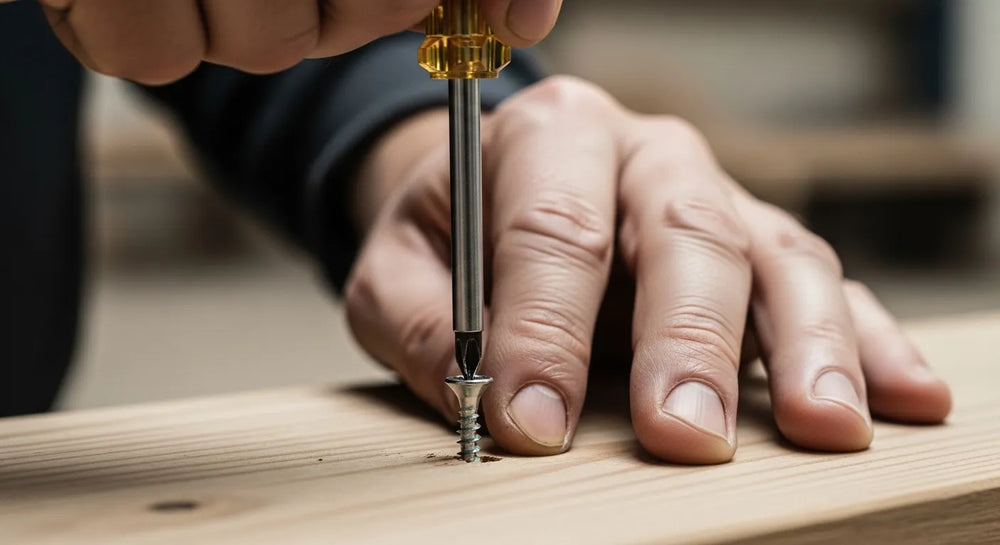
How to Install Plastic Toggle Anchors: A Pro's Guide
Table of Contents
- Introduction
- Understanding the "Why": The Critical Role of Anchors in Hollow Walls
- Decoding the Types: Selecting the Right Plastic Anchor for the Job
- The Pre-Installation Checklist: Tools and Essential Preparation
- The Step-by-Step Installation Process: A Professional Walkthrough
- Sourcing with Confidence: The American Manufacturing Advantage
- Empowering Your Procurement with Strategic Tools
- Conclusion: Build with Confidence and Certainty
- Frequently Asked Questions (FAQ)
Introduction
Imagine the sound. That sudden, sharp crack followed by a crash. A newly hung piece of equipment, a heavy-duty shelf, or even a simple wall-mounted tool organizer has just pulled clean from the wall, leaving a gaping hole and a mess on the floor. For a facility manager, MRO buyer, or an engineer, this isn't just an annoyance; it's a failure of materials, a potential safety hazard, and a costly setback that demands immediate attention. The culprit, more often than not, isn't the fixture itself but the small, overlooked component tasked with securing it to a hollow wall: the anchor.
Drywall, plaster, and hollow-core doors offer very little for a standard screw to grip. Driving a screw directly into these materials is a recipe for failure. This is where plastic anchors, particularly toggle-style and expansion anchors, become indispensable tools in the industrial and commercial maintenance arsenal. Yet, their effectiveness is entirely dependent on proper selection and flawless installation. A slight miscalculation in drill bit size, an over-torqued screw, or choosing an anchor unsuited for the load can lead directly to the catastrophic failure described above.
This article is designed to be your definitive resource for mastering the installation of plastic anchors. We will move beyond a simple list of steps to explore the mechanics behind why these fasteners work, delve into the different types available for various applications, and provide a detailed, professional-grade walkthrough of the installation process. We will also cover common mistakes, troubleshooting tips, and, most importantly, discuss how sourcing high-quality, U.S.-manufactured components is the foundational first step to ensuring every fixture you mount is secure, reliable, and built to last. The goal is to empower you with the knowledge to not only perform the task correctly but to understand the principles that guarantee a successful outcome every time, turning a point of potential failure into a symbol of reliability.
Understanding the "Why": The Critical Role of Anchors in Hollow Walls
Before we touch a drill, it’s crucial to understand the fundamental engineering problem that plastic anchors solve. Materials like gypsum board (drywall) are essentially compressed powder held between two sheets of paper. They have decent compressive strength but very poor tensile and shear strength where a screw's threads are concerned.
When you drive a screw into solid wood, its threads bite into a dense network of fibers, creating immense holding power. In drywall, those same threads are only gripping chalky, brittle gypsum. Any significant outward pull (tensile load) or downward drag (shear load) will cause the gypsum to crumble, enlarging the hole until the screw simply pulls out.
This is where an anchor intervenes. It acts as an intermediary, transforming the forces applied to the screw into a different type of pressure on the wall material.
How Anchors Distribute Load
- Expansion Anchors: Simpler designs, like ribbed or conical anchors, work by expanding once inserted into the pilot hole. As you drive a screw into the anchor, its split fins are forced outward, pressing firmly against the inside of the drilled hole. This creates a high-friction connection that grips the surrounding drywall. It’s effective for light-duty applications, distributing the load over the immediate circumference of the hole.
- Toggle Anchors: For heavier loads, a toggle mechanism provides a far superior solution. These anchors feature "wings" or a "toggle bar" that is collapsed for insertion through the pilot hole. Once it passes through the back of the drywall, the wings spring open. When you tighten the screw, it pulls these wings tight against the interior surface of the wall. This is the key difference. Instead of just pressing outward, a toggle anchor distributes the load across a much wider surface area on the back of the wall, significantly increasing its load-bearing capacity and preventing the anchor from pulling through the hole.
For a procurement manager outfitting a new commercial space, understanding this distinction is critical. Using a simple expansion anchor for a heavy display screen is asking for trouble, while a toggle anchor provides the necessary security and peace of mind. The success of any project hinges on selecting a fastener whose mechanical principle matches the load requirements of the application. At Maden.co, we connect businesses with a vast network of American manufacturers who produce these critical components, ensuring access to reliable parts for every type of job.
Decoding the Types: Selecting the Right Plastic Anchor for the Job
The term "plastic anchor" covers a wide family of fasteners, each with a specific design tailored for different materials and load capacities. Choosing the correct one is the most important decision you'll make in this process. Here’s a breakdown of common types you’ll encounter and where they excel.
Ribbed Plastic Anchors
These are some of the most common anchors for light-duty tasks. They feature prominent ribs along the body, which are designed to bite into the drywall as the anchor is inserted and expanded.
- Best For: Lightweight items like small picture frames, smoke detectors, thermostats, and cable management clips.
- How They Work: Pure expansion. The screw forces the anchor's split end to flare out, and the ribs prevent the anchor body from spinning in the hole during installation.
- Pro-Tip: For an MRO manager tasked with mounting hundreds of small signs or lightweight fixtures throughout a facility, the efficiency and reliability of a well-made anchor are paramount. Sourcing a dependable component like this U.S.-Made Ribbed Plastic Anchor ensures consistency and reduces the time wasted on failed installations.
Conical and Bantam Anchors
Recognizable by their cone-like shape, these anchors are versatile and often used in both drywall and harder materials like plaster, brick, or concrete (though we are focusing on hollow walls here).
- Best For: Light to medium-duty applications where a little more holding power than a standard ribbed anchor is needed. Think small shelves, towel bars, or bulletin boards.
- How They Work: They also work on the expansion principle, but their tapered shape creates a wedging action inside the pilot hole for a secure fit.
- Pro-Tip: The pointed tip of a Conical Bantam Plastic Anchor can make insertion into the pilot hole smoother. It’s a workhorse anchor for general maintenance and repair tasks.
Tapered and Ribbed Anchors
This design combines features from both conical and ribbed anchors to maximize grip. The taper aids in easy insertion, while the aggressive ribbing provides excellent anti-rotation properties.
- Best For: A wide range of light and medium-duty tasks in drywall and plaster. They are a great all-around choice for a maintenance professional's toolkit.
- How They Work: The combination of wedging and expansion, along with the anti-spin ribs, provides a very secure hold for its class.
- Pro-Tip: When facing varied mounting surfaces in a large building, having a versatile anchor like a Tapered and Ribbed White Plastic Anchor can save time and simplify inventory management.
Toggle Anchors (Strap-Type and Winged)
This is the heavy-duty category. While classic metal "snap toggles" are common, many modern, high-strength designs are made from engineered polymers and are often called strap-type toggles. They offer the highest load ratings among plastic anchors because of their unique mechanism.
- Best For: Heavy items such as shelving units, grab bars, large mirrors, small cabinets, and wall-mounted AV equipment.
- How They Work: As described earlier, these anchors pass through the wall and deploy wings or a bar on the other side. This clamps the anchor to the back of the drywall, distributing the load over a large area.
- Pro-Tip: Always verify the weight of the item you are hanging and consult the anchor's load rating specifications. For anything critical or heavy, a toggle-style anchor is the safest and most reliable choice.
The Pre-Installation Checklist: Tools and Essential Preparation
Proper preparation is the difference between a quick, professional installation and a frustrating, messy repair job. Gathering the right tools and inspecting the mounting location beforehand will save you significant time and effort.
Essential Tools
- Power Drill: A cordless drill is ideal for its portability and control.
- Drill Bits: A full set is necessary. Using the exact size bit recommended for your anchor is non-negotiable.
- Tape Measure & Pencil: For accurate placement.
- Level: A 2-foot or 4-foot level is essential for ensuring shelves, cabinets, and fixtures are perfectly horizontal or vertical.
- Stud Finder: An electronic stud finder is the most reliable way to locate studs, pipes, and electrical wiring hidden behind the wall.
- Safety Glasses: Protect your eyes from drywall dust and debris.
- Screwdriver (or Screwdriver Bit for Drill): A manual screwdriver provides better control for the final tightening to prevent stripping the anchor.
- Hammer or Rubber Mallet: For gently tapping the anchor flush with the wall.
Preparation Steps
- Locate a Clear Spot: Use the stud finder to scan the area where you plan to install your fixture. The ideal spot for an anchor is in a hollow cavity between studs. If you find a stud exactly where you need to mount something, that's great news! You can often drive a screw directly into the stud for maximum holding power, no anchor needed.
- Check for Utilities: Modern stud finders can also detect live AC wiring and sometimes even pipes. Always scan for these hazards before drilling to avoid a dangerous and expensive mistake.
- Measure and Mark Precisely: Use your tape measure and level to mark the exact location for your pilot hole(s). For items with multiple mounting points, like a shelf bracket, measure the distance between the holes on the item itself, transfer those measurements to the wall, and use the level to ensure they are perfectly aligned. Double-check all measurements before drilling.
The Step-by-Step Installation Process: A Professional Walkthrough
With your anchor selected, tools gathered, and location marked, you are ready for a clean and secure installation. Follow these steps meticulously.
Step 1: Confirm the Drill Bit Size
This is the most common point of failure. Look at the anchor's packaging or the manufacturer's specification sheet. It will clearly state the required drill bit diameter. Do not estimate or use a bit that "looks close enough." A hole that is too small will damage the anchor during insertion. A hole that is too large will not allow the anchor to grip properly, causing it to spin or pull out.
Key Takeaway: The drill bit must create a hole that is snug enough for the anchor to be tapped in gently, but not so tight that it requires excessive force.
Step 2: Drill the Pilot Hole
Ensure the correct drill bit is securely tightened in your drill's chuck. Place the tip of the bit directly on your pencil mark. Before you pull the trigger, make sure the drill is perfectly perpendicular (at a 90-degree angle) to the wall surface. Drill straight into the wall with steady, even pressure. Once the bit has passed through the drywall, you will feel a sudden lack of resistance. Stop drilling and gently pull the drill straight back out. Avoid wiggling the drill, as this can widen the hole.
Step 3: Insert the Plastic Anchor
Take your plastic anchor and position its tip over the freshly drilled hole. For most expansion anchors, you should be able to push it in part of the way with your thumb. To seat it fully, gently tap the anchor's flange with a hammer or rubber mallet until it is flush with the surface of the wall. It should not stick out, nor should it be recessed into the wall. If you are installing a strap-type toggle anchor, you will simply push the collapsed toggle head through the hole.
Step 4: Position Your Fixture and Insert the Screw
Place your item (e.g., the shelf bracket) over the installed anchor, aligning its mounting hole with the anchor's opening. Insert the screw that came with the anchor (or the one specified by the manufacturer) through the fixture and into the anchor.
Step 5: Drive the Screw and Secure the Anchor
Begin turning the screw clockwise.
- For Expansion Anchors: As the screw advances, you will feel the resistance increase. This is the anchor expanding and gripping the drywall.
- For Strap-Type Toggle Anchors: After pushing the toggle through the wall, you'll need to pull the strap outward to seat the toggle bar against the back of the drywall. You can then slide the collar down the straps until it's flush with the wall. The excess strap can then be snapped off.
Step 6: Final Tightening (The Art of "Snug")
Continue driving the screw until the head is seated firmly against your fixture. The key here is to stop when it feels snug. Do not over-tighten. Applying excessive torque is the second most common installation mistake. It can strip the inside of the plastic anchor, break the anchor itself, or crush the drywall behind it, compromising the entire installation. For best results, use your power drill to drive the screw most of the way, then switch to a manual screwdriver for the final few turns to get a better feel for the tension.
Sourcing with Confidence: The American Manufacturing Advantage
The most carefully executed installation process can be undone by a poorly manufactured anchor. For procurement managers, engineers, and MRO professionals, the risk of specifying or using substandard fasteners is immense. Inconsistent material quality, inaccurate load ratings, and brittle plastics can lead to premature failure, creating safety liabilities and damaging a company's reputation. This is where a commitment to a transparent, reliable supply chain becomes a strategic asset.
At Maden.co, our mission is to democratize access to American manufacturing. We believe that sourcing high-quality, domestically produced components shouldn't be a challenge. We connect industrial buyers directly with over 800 verified U.S. manufacturers, offering a catalog of over 2.5 million products that meet rigorous standards of quality and performance. Our vision is to prove that American-made parts are just as accessible and convenient as any global alternative, fueling the manufacturing revival right here at home.
When you source anchors through our platform, you benefit from:
- Supply Chain Transparency: You know where your components are coming from and the quality standards they adhere to.
- Industrial Excellence: You gain access to parts made by manufacturers who take pride in their craft and stand by their products' specifications.
- Reduced Risk: Eliminating the uncertainty of overseas supply chains means fewer delays, less time spent vetting unknown suppliers, and greater confidence in the integrity of your projects.
This commitment to quality and domestic production is the foundation of our entire business model. You can learn more about our mission to champion American manufacturing here.
Empowering Your Procurement with Strategic Tools
We understand that industrial procurement is about more than just finding a part; it's about managing budgets, timelines, and a company's operational efficiency. For a design engineer needing specific material certifications for a prototype or an MRO buyer facing an unexpected equipment breakdown, the ability to quickly find and finance a verified, U.S.-made part is a game-changer.
To address this, we've built tools designed to reduce procurement friction and empower our customers. For large-scale projects or capital-intensive facility upgrades, managing cash flow is critical. That’s why we’ve integrated a powerful feature directly into our platform. You can apply for Instant Financing at checkout to streamline your capital-intensive projects. This allows you to acquire the volume of high-quality components you need to get the job done right without disrupting your operational budget. If you have specific questions about large orders or financing options, our dedicated support team is ready to assist; you can contact us directly here.
Our platform is a thriving ecosystem built on the strength of American ingenuity. This is only possible because of our incredible network of domestic producers. If you are a U.S. manufacturer committed to the highest standards of industrial excellence, we invite you to register as a vendor and join the American manufacturing revival.
Conclusion: Build with Confidence and Certainty
Mastering the installation of a plastic anchor is a fundamental skill, but it represents a larger principle: that project success is built upon a foundation of quality components and proper technique. From selecting the right type of anchor for the load to drilling a precise pilot hole and tightening the screw with care, every step matters. A failure at any point in this chain can compromise the integrity and safety of the final result.
By choosing to source from a trusted B2B marketplace dedicated to American-made products, you eliminate the single greatest variable: the quality of the component itself. This allows you to focus on the execution, confident that the parts you're installing are engineered to perform as specified.
Don't let fastener failure undermine your next project. Take the time to do it right, and start with materials you can trust. Explore our extensive catalog of American-made anchors, from the versatile Conical Bantam Plastic Anchor to a wide array of other industrial components. Build with the confidence that comes from quality, and streamline your procurement process with strategic tools like our Instant Financing options available at checkout. Experience the new standard in industrial sourcing today.
Frequently Asked Questions (FAQ)
1. What's the main difference between a plastic toggle anchor and a simple ribbed anchor?
The primary difference is the mechanism they use to grip the wall. A ribbed anchor works by expanding and pressing outward against the inside of the pilot hole, creating friction. A toggle anchor passes through the wall and deploys "wings" on the back side, distributing the load over a much larger surface area. This makes toggle anchors far superior for hanging heavier objects.
2. Can I reuse a plastic anchor after removing the screw?
It is strongly discouraged. Once a plastic expansion anchor has been expanded by a screw, its structure is permanently altered. Removing the screw and trying to reuse it will result in significantly reduced holding power. For toggle-style anchors, the toggle itself may fall down inside the wall cavity once the bolt is removed. For safety and reliability, always use a new anchor for a new installation.
3. How do I know what weight a specific plastic anchor can hold?
Reputable manufacturers will always provide load rating specifications on the product packaging or on a technical data sheet. These ratings are typically given for both shear (downward) and tensile (pull-out) strength in specific materials (e.g., 1/2" drywall). Always choose an anchor with a load rating that significantly exceeds the weight of the item you plan to hang.
4. What should I do if the anchor starts spinning in the hole when I try to tighten the screw?
A spinning anchor is a clear sign that the pilot hole is too large or the drywall around it has become compromised. Unfortunately, there is no reliable way to fix this. You must remove the spinning anchor and start over in a new location at least a few inches away. This problem highlights the critical importance of using the exact drill bit size recommended by the manufacturer.


