
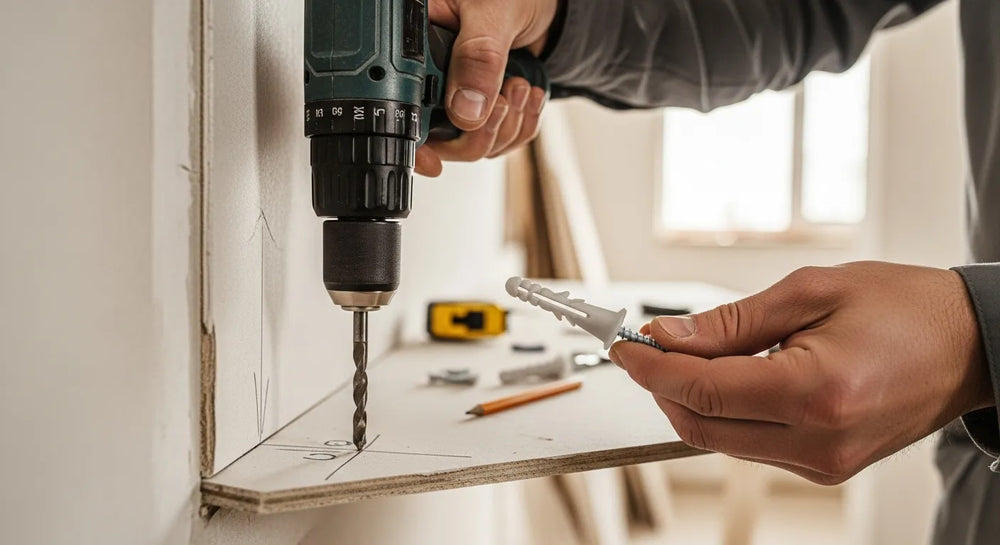
How to Remove Drywall Screw Anchors Like a Pro
Table of Contents
- Introduction
- Why Proper Removal Matters in a Professional Context
- Identifying Drywall Anchor Types: The First Step to Success
- Assembling Your Toolkit: The Right Tools for a Clean Job
- Step-by-Step Removal Techniques
- Post-Removal Wall Repair: Achieving a Flawless Finish
- Beyond Removal: Sourcing for the Future with Maden.co
- Conclusion
- Frequently Asked Questions (FAQ)
Introduction
Imagine you're a facilities manager tasked with a complete office reconfiguration. The project involves removing hundreds of shelves, signs, and fixtures, each secured with drywall anchors. What starts as a simple task quickly multiplies into a significant operational bottleneck. Every stubborn plastic anchor left behind is a small but frustrating obstacle, damaging the wall surface and costing valuable time your maintenance team doesn't have. This scenario is a daily reality in maintenance, repair, and operations (MRO), where efficiency isn't just a goal—it's a critical performance metric. The ability to remove hardware cleanly and quickly directly impacts project timelines and labor costs.
This article goes beyond basic DIY tips. We will provide a professional-grade guide on how to take out drywall screw anchors effectively, preserving the integrity of your walls and setting the stage for a flawless finish. We'll cover the essential techniques for identifying different anchor types, the right tools for the job, and step-by-step removal processes for everything from common plastic anchors to more stubborn metal sleeve bolts.
Ultimately, mastering this seemingly minor task is about upholding a standard of industrial excellence. It reflects a commitment to doing the job right from start to finish, a principle that extends from removal and repair to sourcing the high-quality, reliable components for the next installation.
Why Proper Removal Matters in a Professional Context
In a commercial or industrial setting, the consequences of a poorly executed task are magnified. While a homeowner might tolerate a slightly larger patch on their wall, a business cannot afford the cumulative impact of sloppy work across a large facility. Proper anchor removal is foundational to professional maintenance and renovation for several key reasons:
- Wall Integrity and Structural Soundness: The primary goal is to remove the anchor with minimal damage to the surrounding drywall. A jagged, oversized hole compromises the wall's structural integrity, making it a poor foundation for a new, load-bearing fastener. A clean removal ensures the subsequent patch is small, strong, and stable.
- Time and Labor Efficiency: A standardized, effective removal process saves immense time. When a maintenance team is dealing with dozens or hundreds of anchors, shaving even one minute off each removal adds up to significant labor savings. Conversely, struggling with the wrong technique can double or triple the time spent on each fixture.
- Cost Reduction: Inefficient removal leads to more extensive repairs. What could have been a simple spackle-and-sand job can escalate into cutting out and replacing a section of drywall. This increases material costs, labor hours, and potential project delays, directly impacting the total cost of ownership (TCO) for facility maintenance.
- Aesthetics and Professionalism: The final appearance of a wall reflects the quality of the work performed. Whether it's an office, a retail space, or a manufacturing facility, a smooth, professionally finished wall is non-negotiable. Proper removal is the first step toward achieving that seamless look after patching and painting.
At its core, a commitment to proper removal techniques aligns with our value of Industrial Excellence. It's an understanding that every detail, no matter how small, contributes to a safer, more efficient, and more professional operational environment.
Identifying Drywall Anchor Types: The First Step to Success
Before you can choose the right removal method, you must correctly identify the type of anchor you're dealing with. Different anchors are designed with unique mechanisms to grip the drywall, and each requires a specific approach. Using the wrong technique can turn a simple task into a frustrating wall-damaging exercise. Here are some of the most common types you'll encounter in professional settings.
Expansion Anchors (Ribbed Plastic Anchors)
These are arguably the most common type of light-duty drywall anchor. When a screw is driven into them, the sides of the plastic sleeve expand and press firmly against the inside of the drilled hole, creating a secure friction fit. They are typically used for hanging pictures, clocks, and other lightweight items. Their ribbed exterior helps prevent them from spinning in the hole during installation. For new installations requiring a dependable, American-made option, a high-quality Ribbed Plastic Anchor ensures a secure fit that lasts.
Simple Nylon Anchors
Similar to ribbed anchors, these rely on friction and expansion but often have a smoother body with a distinct collar. They are versatile and used across countless applications. When sourcing for large-scale projects, consistency is key. Using a verified product like a Medium Duty Nylon Wall Anchor #8 for Drywall ensures that every installation meets the same performance standard, simplifying both installation and future removal processes.
Self-Drilling / Threaded Anchors
Often made of nylon or a zinc alloy (sometimes called "Zip-It" or "E-Z Ancor"), these anchors feature aggressive, wide threads that cut directly into the drywall, eliminating the need for a pilot hole. They offer significantly more holding power than standard expansion anchors and are used for heavier items like shelves, curtain rods, and small cabinets. Their design often makes them the easiest to remove, as they can typically be unscrewed just like a regular screw. A reliable, U.S.-manufactured Medium Duty Nylon Wall Anchor #6 Self-Drilling Drywall Zip-It® is an excellent choice for MRO teams who value speed and strength.
Sleeve-Type Anchors (Molly Bolts and Toggle Bolts)
These are heavy-duty anchors designed to support significant weight.
- Molly Bolts: A metal sleeve anchor with "wings" that expand and collapse against the back of the drywall as the bolt is tightened. Once installed, the screw can be removed and reinserted, but the sleeve remains in the wall.
- Toggle Bolts: Consist of a spring-loaded "wing" toggle and a long machine bolt. A large hole is drilled, the wings are collapsed and pushed through, and they spring open behind the drywall. The bolt is then tightened to secure the fixture. Removing the sleeve or toggle portion of these anchors is often impossible without causing significant wall damage, so they are typically pushed into the wall cavity.
By taking a moment to identify the anchor head and material, you can select the most effective removal strategy and avoid unnecessary frustration.
Assembling Your Toolkit: The Right Tools for a Clean Job
Having the correct tools on hand before you begin is crucial for efficiency and safety. Scrambling to find a tool mid-task is a recipe for wasted time and subpar results. Here’s a checklist of essential items for your professional anchor removal kit:
- Needle-Nose Pliers: Essential for gripping screw heads and pulling anchors straight out.
- Claw Hammer or Tack Puller: Useful for providing leverage when pulling out a stubborn anchor.
- Screwdrivers: A multi-bit screwdriver with Phillips, flathead, and other common bits is indispensable. A powered screwdriver or drill can speed up the process, especially for threaded anchors.
- Utility Knife: For scoring around the flange of an anchor to prevent paint from tearing away with it.
- Putty Knife: Primarily for the patching stage, but also useful for gently prying a loose anchor flange away from the wall.
- Drill and Drill Bits: Necessary for the more destructive method of drilling out a metal anchor head. A set of bits for both wood and metal is recommended.
- Assorted Screws: Keep a few screws that are slightly larger than the opening of the anchor. These will be used to gain leverage for pulling the anchor out.
- Safety Glasses: Non-negotiable. Protects your eyes from flying debris, especially when drilling or pulling forcefully.
Investing in quality, durable tools is part of the same philosophy as sourcing quality components. They perform better, last longer, and contribute to a safer, more professional work environment.
Step-by-Step Removal Techniques
With your tools ready and the anchor type identified, it's time to select the appropriate removal method. We'll start with the least destructive methods first.
Method 1: Removing Plastic Expansion and Nylon Anchors
These are the most common anchors you'll encounter. The goal here is a clean extraction, leaving the smallest possible hole to patch.
The Screw and Pull Technique (The Professional's Go-To)
This method is highly effective for most plastic anchors and should always be your first attempt.
- Select the Right Screw: Choose a screw that fits snugly into the anchor. You want it to grip the inside threads firmly without expanding the anchor further. A sheet metal screw or a wood screw of the appropriate diameter works well.
- Partially Insert the Screw: Drive the screw into the anchor, leaving about a quarter to a half-inch of the screw head protruding. Turn it just enough so it feels secure—typically 2-3 full rotations.
- Grip and Pull: Firmly grasp the screw head with your needle-nose pliers. For extra leverage, you can place the claw of a hammer or a tack puller under the screw head, using a putty knife or a small piece of wood against the wall to prevent marring the surface.
- Wiggle and Extract: Gently wiggle the screw back and forth while pulling straight out. The anchor should slide out of the hole. If the paint around the anchor flange starts to tear, stop and use your utility knife to carefully score the perimeter of the flange before continuing.
Pro Tip: If the anchor spins in the hole as you try to insert the screw, you may need to apply slight pressure against the flange with a flathead screwdriver or putty knife to hold it in place while you get the screw started.
The Push-Through and Patch Method
This is a faster but more destructive method best reserved for stubborn anchors or large-scale jobs where you'll be patching and repainting the entire wall anyway.
- Remove the Screw: Take out any screw that is currently in the anchor.
- Recess the Anchor: Place the tip of a screwdriver or a nail set on the anchor's flange.
- Tap it In: Gently tap the end of the screwdriver with a hammer, pushing the anchor slightly beneath the surface of the drywall. You only need to recess it about 1/8 of an inch.
- Patch Over: The small depression can then be easily filled with spackling compound, hiding the anchor in the wall forever. This avoids pulling out a chunk of drywall paper but leaves debris inside the wall cavity.
Method 2: Tackling Self-Drilling/Threaded Anchors
Thanks to their design, removing these anchors is usually the most straightforward process.
- Engage the Head: Insert the appropriate Phillips or flathead screwdriver bit into the head of the anchor.
- Unscrew: Apply firm, steady pressure and turn the screwdriver counter-clockwise. The anchor should back out of the drywall just like a standard screw.
- Handle Stripped Heads: If the head is stripped, you may need to use a screw extractor kit or carefully create a new slot with a small cutting tool for a flathead screwdriver. In some cases, you can grip the outer edge of the flange with pliers and twist it out.
The ease of removal for anchors like the Self-Drilling Drywall Zip-It® is a significant advantage in MRO contexts, saving valuable time during facility changes.
Method 3: Dealing with Metal Sleeve Anchors (Molly Bolts)
Molly bolts present a greater challenge because their expanding wings are designed to be permanent. Complete removal is often not feasible or recommended.
- Unseat the Bolt: Using a screwdriver, turn the bolt counter-clockwise. You will feel it disengage from the threads of the sleeve inside the wall. Do not remove the bolt completely.
- Collapse the Wings: Once the bolt is loose, place the screwdriver tip on the bolt head and give it a firm tap with a hammer. This will push the entire sleeve back, causing the expanded wings to collapse behind the drywall.
- Push and Patch: With the wings collapsed, you can now push the entire molly bolt assembly into the wall cavity. The small hole left by the flange can then be patched.
- Last Resort - Drill it Out: If the bolt is stuck or broken, the only option is to drill it out. Select a metal drill bit that is slightly larger than the bolt diameter but smaller than the flange. Carefully drill through the center of the bolt head until the flange breaks away. Then, push the remaining sleeve into the wall. This method requires care to avoid enlarging the hole excessively.
Post-Removal Wall Repair: Achieving a Flawless Finish
The job isn't finished until the wall is perfectly restored. A professional patch job is the final step in demonstrating quality workmanship.
- Clean and Prepare: Remove any loose paper or debris from the edges of the hole. If necessary, lightly sand the area to create a smooth base. For a stronger patch, you can slightly indent the drywall paper around the hole with the handle of your putty knife.
- Apply Spackling Compound: Using a flexible putty knife, apply a small amount of lightweight spackling compound, pressing it firmly into the hole. Apply enough to slightly overfill the depression.
- Scrape and Smooth: In a single, smooth motion, scrape the putty knife over the patch at a 45-degree angle to remove the excess compound, leaving a flat surface that is flush with the wall.
- Dry and Sand: Allow the spackle to dry completely according to the manufacturer's instructions. Once dry, lightly sand the area with fine-grit sandpaper (220-grit is ideal) until it is perfectly smooth and blends seamlessly with the surrounding wall.
- Prime and Paint: Apply a coat of primer over the patch to seal the spackle and prevent the paint from looking dull or "flashing." Once the primer is dry, apply your matching topcoat of paint.
Beyond Removal: Sourcing for the Future with Maden.co
Mastering anchor removal is a valuable MRO skill, but true operational efficiency comes from a more holistic strategy. It involves thinking about the entire lifecycle of a component—from procurement and installation to maintenance and eventual removal. This is where Maden.co becomes an essential partner for American businesses. Our mission is to democratize access to American manufacturing, making it easier than ever to source the high-quality, reliable components that build resilient and efficient operations.
For a procurement manager under pressure to source a specific fastener for a new installation, a design engineer needing specific material certifications for a prototype, or an MRO buyer facing an unexpected facility repair, the ability to quickly find and finance a verified, U.S.-made part is a game-changer. Our platform connects you with over 2.5 million products from a network of 800+ verified U.S. manufacturers, proving that American-made components are as accessible and convenient as any global alternative. This commitment to Supply Chain Transparency and American Manufacturing Pride helps you build a more robust and reliable supply chain, insulating your projects from the volatility of overseas shipping and quality control issues. You can learn more about our mission to champion American manufacturing here.
We also empower your purchasing power. Major renovations, tooling upgrades, or large-volume component purchases require significant capital outlay. To help businesses manage cash flow effectively, we offer Instant Financing as a strategic tool. You can apply for Instant Financing at checkout to streamline your capital-intensive projects and acquire the parts you need without delay.
America's manufacturing revival is here, and we are at the forefront, building the digital infrastructure to support it. If you have specific sourcing questions about finding the right U.S.-made components for your needs, our team is ready to help. And if you are part of that revival, we want to partner with you. Are you a U.S. manufacturer? Register as a vendor and join a marketplace dedicated to your success.
Conclusion
Knowing how to take out drywall screw anchors is more than a simple repair skill; it's a mark of professional competence that saves time, reduces cost, and ensures a quality finish. By correctly identifying anchor types, using the right tools, and applying the proper techniques, your team can handle any removal task with confidence and efficiency.
This dedication to quality should extend to your procurement process. Don't let your next project be compromised by inferior components or unreliable supply chains. Explore the Maden.co catalog to discover millions of American-made fasteners, components, and MRO supplies. Build with the confidence that comes from using verified, high-quality products and support the domestic manufacturing base that strengthens our nation's industries. Plan your next large purchase and leverage the flexibility of Instant Financing at checkout to make it happen.
Frequently Asked Questions (FAQ)
1. Can I reuse a drywall anchor after removing it? Generally, it is not recommended. The removal process, especially for plastic expansion anchors, can deform the anchor and compromise its structural integrity. For a secure and reliable hold, it is always best practice to use a new anchor for any new installation.
2. What's the biggest mistake people make when removing drywall anchors? The most common error is using excessive force. Trying to rip an anchor out of the wall without the proper leverage or technique often tears a large, jagged chunk of the drywall's paper face and gypsum core. This turns a small, easy-to-patch hole into a much larger and more time-consuming repair job.
3. Is it always better to push the anchor into the wall instead of pulling it out? Not necessarily. Pulling an anchor out cleanly is the ideal method, as it leaves no debris inside the wall cavity and results in the smallest possible hole. The push-through method is a faster alternative for stubborn anchors or when you are planning to repaint the entire surface anyway, but it should be considered a secondary option to a clean extraction.
4. Why is sourcing U.S.-made fasteners like drywall anchors important for professional jobs? Sourcing U.S.-made fasteners ensures a higher degree of material consistency, stricter adherence to manufacturing quality standards, and verifiable performance specifications. For businesses, this translates to improved safety, reduced product failure, and a lower total cost of ownership. Furthermore, it supports a resilient domestic supply chain, minimizing the risk of project delays due to international shipping issues and strengthening the national industrial base.


