
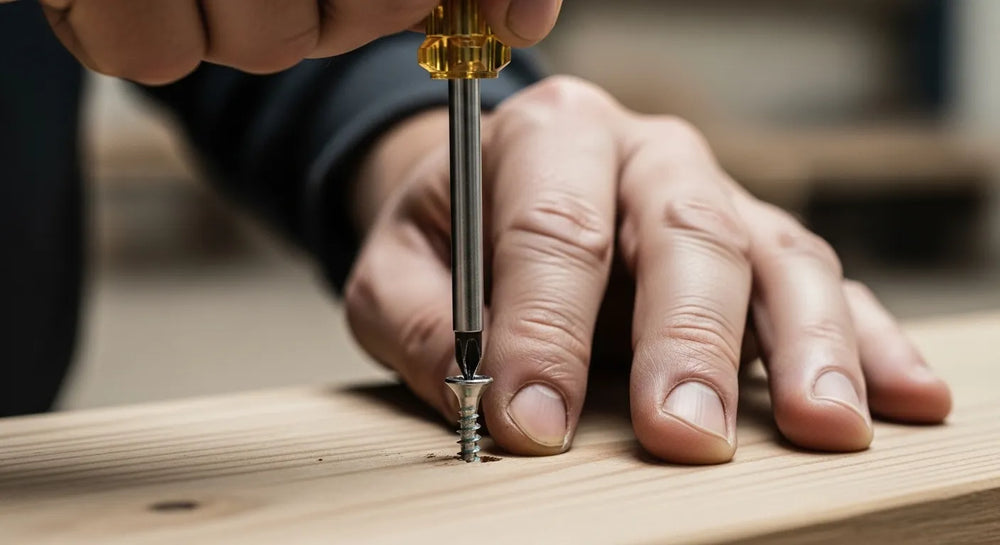
How to Use Wood Glue with Screws for Superior Joint Strength
Table of Contents
- The Foundational Synergy: Why Combine Glue and Screws?
- Understanding Wood Adhesives for Industrial Use
- The Science of Screws: Selecting the Right Fastener
- Precision in Practice: The Application Process
- Advanced Techniques and Specialized Applications
- Industrial Procurement & Supply Chain Resilience
- Conclusion
- FAQ
When it comes to constructing durable, long-lasting wood assemblies, many professionals often rely on a single fastening method, overlooking a powerful synergy that can significantly enhance structural integrity. The combination of wood glue and screws is not merely about using two different fasteners; it's about harnessing their complementary strengths to create a bond that far surpasses what either can achieve alone. Imagine a critical structural component failing prematurely due to inadequate joint strength, leading to costly repairs, project delays, or even safety hazards. Such scenarios underscore the vital importance of understanding and implementing best practices in joinery.
This post will demystify the principles and practical application of combining wood glue with screws, moving beyond basic techniques to explore the science behind this powerful duo. We will delve into the types of adhesives and fasteners best suited for various industrial applications, discuss precise application methods, and highlight advanced strategies for maximizing joint performance. Our goal is to provide procurement managers, MRO buyers, design engineers, and business owners with the authoritative knowledge needed to make informed decisions that bolster the reliability and longevity of their projects. This synergistic approach, when executed with precision and high-quality, U.S.-made components, is fundamental for achieving unparalleled structural integrity and longevity in demanding applications, ultimately contributing to industrial excellence.
The Foundational Synergy: Why Combine Glue and Screws?
At its core, the decision to combine wood glue with screws is about creating a joint that offers both immediate mechanical fastening and a permanent, high-strength chemical bond. Separately, screws provide excellent clamping pressure and shear strength, holding pieces together while resisting immediate pull-apart forces. Wood glue, on the other hand, excels at creating a continuous, rigid bond across the entire mating surface, effectively turning two pieces of wood into what behaves as a single, homogenous unit once cured. The magic happens in their combined application.
Beyond Simple Fastening: A Deeper Dive into Mechanical and Chemical Bonding
Screws provide immediate clamping force, pulling the two pieces of wood tightly together. This pressure is crucial for wood glue, as it ensures intimate contact between the mating surfaces, allowing the adhesive to penetrate wood fibers and form the strongest possible chemical bond. Without sufficient clamping pressure during the curing process, even the strongest glues can result in a "starved joint," where insufficient contact leads to a weak bond. The screws act as internal clamps, maintaining this pressure until the glue fully cures, at which point the glue takes over the primary role of holding the joint together.
The Physics of Joint Failure: Understanding Forces
Wood joints are subjected to various forces:
- Shear forces: Act parallel to the joint, trying to slide the pieces past each other. Screws excel at resisting immediate shear, but a glued joint distributes this force across a much larger area.
- Tension forces: Pull the pieces apart perpendicular to the joint. Glue provides exceptional resistance to tension when applied correctly.
- Compression forces: Push the pieces together.
- Bending forces: A combination of tension and compression, often leading to failure if joints are weak.
A joint secured only with screws can loosen over time due to wood movement or vibrations, leading to fatigue and eventual failure. The threads of the screw primarily grip the wood fibers, and if those fibers weaken or expand/contract repeatedly, the holding power diminishes. A properly glued joint, however, creates a solid wood-to-wood bond that is often stronger than the wood itself, distributing stress more evenly and making the joint significantly more resistant to all these forces.
Enhanced Durability and Vibration Resistance
In industrial settings, machinery, vehicles, and structures are often subjected to constant vibrations, dynamic loads, and environmental stresses. A purely mechanical joint (screws only) can eventually succumb to these forces, with screws gradually loosening. The rigidity and homogeneity provided by a strong glue line dramatically increase a joint's resistance to vibration and cyclic loading. This enhanced durability translates directly into fewer maintenance cycles, extended product lifespan, and improved operational safety – critical considerations for MRO buyers and business owners.
Long-Term Structural Integrity in Critical Applications
For design engineers, ensuring long-term structural integrity is paramount. Whether designing custom industrial fixtures, heavy-duty crating, or architectural elements, the combination of glue and screws offers a level of reliability that individual fastening methods cannot match. It ensures that the assembly remains robust even as the wood naturally expands and contracts with changes in humidity and temperature. This is particularly vital in applications where failure is not an option, underpinning the principles of Industrial Excellence that we champion at Maden.co.
Understanding Wood Adhesives for Industrial Use
Choosing the right wood glue is as critical as selecting the right screw. Different glues possess distinct properties that make them suitable for specific applications, environmental conditions, and material types. Understanding these nuances is key to achieving optimal joint strength and longevity.
Types of Wood Glues and Their Properties
PVA (Polyvinyl Acetate)
- Properties: Common, water-based, non-toxic, easy cleanup, fast-setting, and strong. Yellow PVA (carpenter's glue) offers higher water resistance than white PVA.
- Industrial Relevance: Ideal for interior applications where high water resistance isn't the primary concern but strong, reliable bonds are needed for rapid assembly. Think furniture manufacturing, cabinetmaking, or jig construction. Maden.co ensures that supporting components and fasteners are readily available to complete such projects efficiently.
Polyurethane Glue
- Properties: Reacts with moisture in the air and wood to cure, creating a very strong, waterproof, and somewhat flexible bond. It expands slightly as it cures, allowing it to fill small gaps.
- Industrial Relevance: Excellent for exterior applications, marine environments, or anywhere extreme moisture or temperature fluctuations are present. Its gap-filling properties can be beneficial in less-than-perfect joints, though good joinery is always preferred.
Epoxy
- Properties: Two-part adhesive (resin and hardener) that creates an extremely strong, rigid, and waterproof bond. Known for its exceptional gap-filling capabilities, chemical resistance, and ability to bond dissimilar materials.
- Industrial Relevance: Suited for highly critical structural applications, repairs of deteriorated wood, and situations requiring maximum strength and environmental resistance. Its slower cure time allows for precise positioning in complex assemblies.
Hide Glue
- Properties: Traditional, animal-protein-based glue available in liquid or granular form. It is reversible with heat and moisture, making it ideal for antique restoration or projects where future disassembly might be necessary. It also "creeps" less than PVA under constant load.
- Industrial Relevance: Niche applications in high-end woodworking, musical instrument making, or situations where reversibility is a desired characteristic for long-term maintenance.
Factors Influencing Glue Performance
Beyond the type of glue, several environmental and application factors significantly impact the final bond strength:
- Wood Species and Porosity: Denser hardwoods may require longer clamping times or specific glue types due to their tighter grain structure, which can inhibit glue penetration. Softer, more porous woods absorb glue readily.
- Moisture Content of Wood: Wood should ideally be between 6-12% moisture content for optimal gluing. Too dry, and the wood can absorb glue too quickly, creating a "starved joint." Too wet, and the glue may not cure properly or will fail prematurely as the wood dries and shrinks.
- Clamping Pressure vs. Screw Pressure: While screws provide crucial pressure, the right amount of pressure is important. Too little, and the bond is weak; too much, and glue can be squeezed out, leading to a starved joint. Screws serve to maintain consistent pressure, allowing the glue to cure under ideal conditions.
-
Open Time and Cure Time:
- Open time: The window after glue application during which you can still assemble the joint and achieve a good bond. This varies by glue type and environmental conditions.
- Cure time: The total time required for the glue to achieve its full strength. Joints should not be stressed before reaching full cure, even if they feel solid.
Understanding these variables and matching them with the specific requirements of your project is a hallmark of industrial excellence.
The Science of Screws: Selecting the Right Fastener
Screws are the silent workhorses that provide the initial strength and clamping force to a glued joint. However, not all screws are created equal, and their material, design, and size have a profound impact on the overall integrity and longevity of the assembly. For procurement managers and design engineers, making the right choice in fasteners is critical for compliance, performance, and Total Cost of Ownership (TCO). At Maden.co, we emphasize access to a vast array of high-quality, U.S.-made fasteners to ensure you can find the perfect match for any application.
Screw Material and Coatings
The material of a screw dictates its strength, corrosion resistance, and suitability for different environments.
- Brass: Often chosen for its corrosion resistance, aesthetic appeal, and softer nature which allows for easy machining. It's excellent for historical restorations, marine applications, or decorative work where rust is unacceptable and a softer metal is desired. For precision and aesthetic appeal, consider options like our Round Slot Drive Brass Wood Screw or a Flat Slot Drive Brass Wood Screw, both offering a classic finish while providing robust fastening.
- Silicon Bronze: Offers superior corrosion resistance compared to brass, making it a premium choice for highly corrosive environments, especially in marine and outdoor architectural applications. Its strength is comparable to some stainless steels. For projects demanding the utmost in corrosion resistance and durability, the Oval Slot Drive Silicon Bronze Wood Screw is an excellent example of a specialized, high-performance fastener.
-
Steel (various grades, coatings like zinc, ceramic): The most common and versatile material.
- Plain Steel: Strong but highly susceptible to rust.
- Zinc-Plated Steel: Offers basic corrosion resistance, suitable for many interior applications.
- Ceramic-Coated Steel: Provides enhanced corrosion resistance and often better driveability due to reduced friction.
- Hardened Steel: For maximum strength, often used in structural applications.
- Stainless Steel (304, 316): Provides excellent corrosion resistance without surface coatings, making it ideal for outdoor, marine, and wet environments where aesthetics and durability are critical. Type 316 offers superior resistance to saltwater and chlorides.
Maden.co Value: Emphasize sourcing U.S.-made screws for their guaranteed material certification, adherence to strict industry standards (like DIN, NPT where applicable for metal screws), and consistent quality. This ensures that the screws you procure meet the precise specifications required by your design engineers and MRO teams, reducing procurement friction and enhancing supply chain resilience. Our commitment to American Manufacturing Pride means you're investing in reliable, high-performing components.
Screw Thread Types and Shank Design
The design of the screw itself plays a significant role in its holding power and ease of installation.
- Coarse vs. Fine Threads: Wood screws typically have coarse threads that create a strong grip in wood fibers. Fine threads are more common in machine screws for metal.
-
Full Thread vs. Partial Thread:
- Full-thread screws: Provide maximum holding power along their entire length and are ideal for joining thin materials where clamping pressure is needed throughout.
- Partial-thread (or shoulder) screws: The unthreaded shank allows the top piece of wood to pull tight against the bottom piece, creating a strong clamping force. The unthreaded portion also reduces the risk of splitting the top piece. This design is often preferred when joining two pieces where precise clamping is desired.
- Self-Tapping vs. Pilot Hole Requirement: While some modern wood screws are designed to be self-tapping, particularly those with specialized tips, most traditional wood screws benefit from pilot holes to prevent splitting the wood and ensure straight entry.
-
Head Types (Flat, Round, Oval, Hex):
- Flat Head: Sits flush with the surface, ideal for a clean finish. Requires countersinking.
- Round Head: Sits proud of the surface, offering a decorative look or where a flush finish isn't required.
- Oval Head: A hybrid, partially recessed and partially proud, often used for aesthetic trim work. Like our Oval Slot Drive Silicon Bronze Wood Screw, it provides both decorative appeal and secure fastening.
- Hex Head: Designed for wrenches, offering maximum torque for heavy-duty applications.
Screw Size and Length Considerations
Selecting the correct screw size is crucial for preventing failure.
- Penetration Depth: As a general rule, the screw should penetrate the base material by at least two-thirds of its length, or ideally, reach a depth equal to the thickness of the top piece of wood.
- Diameter Relative to Wood Thickness: The diameter should be appropriate for the material's thickness to provide adequate shear strength without splitting the wood. Avoid screws that are too thin (insufficient strength) or too thick (risk of splitting).
- Shear Strength vs. Pull-Out Resistance: A longer, thicker screw generally provides better pull-out resistance (resistance to being pulled straight out). The shear strength (resistance to snapping off at the point where the two pieces meet) depends on the screw's material and diameter.
For a procurement manager under pressure to source a specific type of wood screw, a design engineer needing specific material certifications for a new prototype, or an MRO buyer facing an unexpected equipment breakdown, the ability to quickly find and finance a verified, U.S.-made part is a game-changer. Our platform, Maden.co, offers unparalleled access to a network of 800+ verified U.S. manufacturers, making it easier to secure the exact components you need, complete with the transparency and traceability you expect.
Precision in Practice: The Application Process
The success of a glued and screwed joint lies not just in selecting the right materials, but in the meticulous execution of the application process. Each step, from preparation to curing, plays a vital role in achieving maximum strength and durability.
Preparation is Paramount
Thorough preparation ensures optimal adhesion and prevents common issues like splitting or misaligned joints.
- Wood Surface Readiness: The mating surfaces must be clean, dry, and free from dust, grease, or old finishes. Properly milled surfaces that are flat and square ensure intimate contact for the glue. Any gaps or unevenness will compromise the bond strength significantly. Light sanding (e.g., 120-150 grit) can sometimes improve glue penetration by creating micro-scratches, but excessively smooth or rough surfaces can hinder adhesion.
-
Pilot Holes: Arguably the most critical step for screws in wood. Pilot holes serve multiple purposes:
- Preventing Splits: Especially in hardwoods, near edges, or with larger screws, pilot holes relieve stress and prevent the wood from splitting as the screw is driven in.
- Guiding Screws: Ensures the screw enters straight and accurately, preventing wander and misalignment.
- Optimizing Holding Power: A pilot hole should be slightly smaller than the screw's major diameter (the outside diameter of the threads) to allow the threads to bite firmly without stripping the wood or causing excessive friction that could snap the screw. For a general rule, the pilot hole should match the diameter of the screw's shank (the unthreaded portion).
-
Countersinking/Counterboring:
- Countersinking: Creates a conical recess for flat-head screws to sit flush with the surface, providing a clean, professional finish.
- Counterboring: Creates a flat-bottomed recess, allowing the entire screw head (and sometimes a washer) to be recessed below the surface. This is often done when the screw needs to be hidden with a plug, or when using screws with non-flush heads (like hex or round heads) but still wanting a flush surface.
Applying the Wood Glue
The correct application of glue is fundamental to creating a strong, lasting bond.
- Even Spread: The goal is 100% glue coverage across the entire mating surface without excessive buildup. A thin, even film is ideal. Too little glue leads to a "starved joint," where insufficient adhesive is present to create a strong bond. Too much glue can lead to excessive squeeze-out, which is messy and can make finishing difficult, though excess squeeze-out generally doesn't weaken the joint itself as much as starved joints do. Rollers, brushes, or glue spreaders can help achieve an even coating.
- Optimal Coverage for Maximum Bond: Ensure that the glue fully penetrates the wood fibers. For critical applications, applying glue to both mating surfaces ("double gluing") can sometimes enhance bond strength, particularly with porous woods, but careful attention to open time is necessary.
- Open Time Management: Be mindful of the glue's open time – the period during which the joint can still be assembled and clamped for a good bond. Once this time expires, the glue starts to skin over, and the bond strength will be compromised. Work efficiently but accurately.
Integrating Screws for Maximum Joint Strength
Once the glue is applied, the screws come into play, transitioning from clamps to permanent fasteners.
- The Role of Screws as Clamps: Immediately after applying glue and assembling the joint, drive the screws. The screws serve as the primary clamping mechanism, pulling the two pieces tightly together and maintaining this pressure uniformly across the glue line while the adhesive cures. This consistent pressure is vital for the glue to achieve its full potential.
- Gradual Tightening: Avoid overtightening screws, especially in softer woods, as this can strip the pilot hole, compress the wood fibers excessively, or even snap the screw head. Tighten until snug, feeling the resistance increase, but stop before it feels like the screw is straining. The goal is to create firm, even clamping pressure, not to crush the wood.
- Avoiding Adhesive Contamination on Screw Threads: While the screws are driven through wet glue, care should be taken to ensure that glue doesn't accumulate excessively in the screw threads, which could reduce the mechanical grip of the screw after the glue cures. The glue's primary role is to bond the wood, not necessarily the screw to the wood. However, some incidental contact is unavoidable and generally beneficial as it helps seal the screw penetration.
Curing and Finishing
Patience during the curing phase is non-negotiable for a strong, reliable joint.
- Proper Clamping/Holding Duration: Adhere strictly to the glue manufacturer's recommended clamping time. This is the minimum period the joint needs to remain undisturbed with clamping pressure before it can be moved or handled without compromising the bond. For PVA glues, this might be 30 minutes to a few hours; for epoxies, it could be 24 hours or more.
- Full Cure Time Before Stress: Even after the clamping time, most glues require a much longer "full cure" time to reach their maximum strength. This can range from 24 to 72 hours, or even longer for some epoxies. Do not subject the joint to significant stress, heavy loads, or machining before the glue has fully cured. Rushing this step is a common cause of premature joint failure.
- Cleaning Squeeze-Out: Once the glue has partially set but isn't fully hardened (often described as "leathery"), it's often easiest to remove squeeze-out with a chisel or scraper. If allowed to fully harden, it might require more aggressive methods like sanding, which can be messy and might affect the surrounding finish. For water-based glues, wet rags can clean up fresh squeeze-out, but avoid pushing glue deeper into wood pores.
By meticulously following these steps, you create a robust, resilient joint that stands the test of time and demanding industrial conditions, living up to the standards of Industrial Excellence.
Advanced Techniques and Specialized Applications
Moving beyond the fundamentals, experienced procurement managers, MRO buyers, and design engineers understand that specific applications demand nuanced approaches. The combination of glue and screws offers flexibility for enhancing various joinery methods and addressing unique challenges in demanding environments.
Joinery Methods Enhanced by Glue and Screws
Virtually any wood joinery method can benefit from the added strength of glue and screws, especially when the application demands structural integrity beyond what traditional methods alone can provide.
- Butt Joints: While traditionally weak, a glued and screwed butt joint is significantly stronger. The glue provides surface adhesion, and the screws provide mechanical reinforcement against shear and tension. This is often used in basic framing or non-structural panels where speed is a factor.
- Lap Joints: Stronger than butt joints, lap joints benefit immensely. The large mating surface is ideal for glue, and screws driven through the overlap reinforce against racking and pull-apart forces.
- Mortise and Tenon, Dadoes, Rabbets: These traditionally strong mechanical joints become virtually indestructible when glue and screws are added. Screws can be driven strategically (e.g., from the outside into the tenon or into the dado joint) to lock components together during the glue's cure, and then provide a secondary, permanent mechanical lock. This is invaluable in heavy-duty furniture, structural timber frames, or industrial jigs where components must withstand extreme forces.
- Reinforcing Plywood and Engineered Wood Products: Plywood, MDF, and other engineered woods often present challenges due to their layered structure or composition. Glues formulated for these materials, combined with screws, are essential for creating strong edges and stable assemblies that won't delaminate or deform under stress. For instance, when constructing durable shelving or cabinetry for an MRO storeroom, combining a strong PVA glue with screws ensures that these units can bear heavy loads over many years.
Addressing Specific Challenges
The synergy of glue and screws becomes particularly powerful when tackling difficult material combinations or harsh environmental conditions.
- Working with Hardwoods vs. Softwoods: Hardwoods generally require pilot holes more diligently due to their density and tendency to split. They may also demand glues with longer open times to allow for proper assembly before the glue sets too much. Softwoods are more forgiving but can strip pilot holes easily if screws are overtightened. The choice of screw (e.g., a self-drilling screw for certain softwoods) can also vary.
- Exterior Applications: Waterproof Glues and Corrosion-Resistant Screws: For outdoor furniture, decking, or marine structures, the choice of materials is non-negotiable. Waterproof polyurethane or epoxy glues are essential. These must be paired with corrosion-resistant screws like stainless steel, silicon bronze, or heavily coated exterior-grade steel screws. Using the wrong screw will lead to unsightly rust stains and eventual fastener failure, compromising the entire structure. For example, for building marine-grade cabinetry, an Oval Slot Drive Silicon Bronze Wood Screw paired with a marine-grade epoxy would offer superior resistance to saltwater and humidity, a critical consideration for our customers.
- High-Stress Environments: Material Compatibility and Robust Fasteners: In environments with extreme temperature fluctuations, chemical exposure, or continuous vibration (e.g., industrial machinery housing, heavy-duty shipping containers), material compatibility is paramount. This includes choosing glues that maintain their strength across a wide temperature range and screws whose material properties are not compromised by chemicals or fatigue. In such scenarios, procurement managers might need specialized fasteners, and our platform at Maden.co is designed to connect them with over 2.5 million American-made products, including those specialized components, ensuring industrial excellence and reliability.
Industrial Procurement & Supply Chain Resilience
For procurement managers, MRO buyers, and design engineers, the ability to reliably source high-quality, U.S.-made wood screws, industrial adhesives, and related fasteners is not just a preference, but a strategic imperative. The fluctuating global supply chain has underscored the critical need for robust, transparent, and resilient sourcing strategies.
At Maden.co, our mission is to democratize access to American manufacturing. We achieve this by connecting industrial buyers with an extensive catalog of over 2.5 million American-made products from our network of 800+ verified U.S. manufacturers. Our vision is to become the definitive platform that proves American-made components are as accessible and convenient as any global alternative, driving the manufacturing revival with our tagline: "America's manufacturing revival is here." Our core values of American Manufacturing Pride, Digital Innovation, Supply Chain Transparency, Industrial Excellence, and Customer Empowerment are woven into every aspect of our platform. You can learn more about our mission to champion American manufacturing here.
Why U.S.-Made Matters: Enhancing Your Operations
Sourcing U.S.-made components through Maden.co offers tangible benefits that directly impact your operational efficiency and bottom line:
- Supply Chain Transparency and Reduced Lead Times: Directly sourcing from U.S. manufacturers means clearer visibility into the origin and production process of your parts. This transparency reduces risks associated with geopolitical instability, unpredictable shipping delays, and opaque international sourcing. Shorter geographical distances inherently lead to reduced lead times, enabling faster project completion and quicker responses to MRO needs.
- Consistent Quality and Adherence to Specifications: American manufacturing is synonymous with high standards. When you procure U.S.-made screws and glues, you can be confident that they adhere to rigorous quality controls and industry specifications (e.g., material composition, thread accuracy, strength ratings). This consistency is vital for design engineers who rely on precise component performance and for MRO buyers who need parts that fit and function flawlessly every time.
- Support for "America's Manufacturing Revival is Here": Every purchase of a U.S.-made product contributes directly to the strength of the American economy, supporting jobs and fostering domestic innovation. It aligns your business with a movement focused on rebuilding and strengthening the national industrial base.
- Reduced Risk of Counterfeit or Substandard Components: The proliferation of counterfeit or substandard components in global supply chains poses significant risks, from performance failures to costly recalls. Sourcing from verified U.S. manufacturers through Maden.co significantly mitigates this risk, ensuring you receive genuine, high-quality products.
- Improving Total Cost of Ownership (TCO) through Durability and Reliability: While initial unit cost might sometimes be a factor, the true economic impact of a component is measured by its TCO. U.S.-made parts often boast superior durability and reliability, leading to fewer failures, reduced maintenance costs, and longer operational lifespans for your equipment and products. This strategic value far outweighs any short-term price difference.
Sourcing Strategy with Maden.co: Your Strategic Partner
Maden.co simplifies the complex process of finding and procuring specialized industrial components. Our digital platform is designed to make sourcing efficient and transparent, proving American-made components are as accessible and convenient as any global alternative.
Whether your project calls for a Round Slot Drive Brass Wood Screw for a heritage restoration, a Flat Slot Drive Brass Wood Screw for a precision cabinetry build, or an Oval Slot Drive Silicon Bronze Wood Screw for marine-grade resilience, our comprehensive catalog offers a verified selection. We empower procurement teams to quickly identify and acquire the exact fasteners and adhesives required, streamlining your capital-intensive projects.
Financial Flexibility: Instant Financing at Checkout
A key differentiator that further enhances the strategic value of sourcing through Maden.co is our Instant Financing option. This is not merely a payment method; it's a strategic tool for businesses. Instant Financing allows procurement managers and business owners to manage cash flow effectively, enabling them to make larger-volume purchases or acquire critical components without immediate strain on working capital. This flexibility is crucial for maintaining project timelines, responding to urgent MRO needs, and investing in high-quality, durable U.S.-made components. You can apply for Instant Financing at checkout to streamline your capital-intensive projects, ensuring your access to essential American-made parts is unhindered.
Are you a U.S. manufacturer? Maden.co is constantly expanding its network of American manufacturers. If you produce high-quality industrial components and are looking to connect with a wider audience of procurement professionals, we invite you to register as a vendor and join the American manufacturing revival.
Conclusion
The disciplined application of wood glue with screws represents a cornerstone of superior joint construction in industrial and commercial settings. It's a testament to how leveraging complementary forces—the mechanical strength of screws with the molecular bond of adhesives—yields an outcome far greater than the sum of its parts. This approach ensures enhanced durability, unparalleled structural integrity, and long-term reliability for your projects, embodying the principles of Industrial Excellence.
For procurement managers, MRO buyers, and design engineers, understanding these best practices is vital. But equally important is having a reliable source for the high-quality, U.S.-made components that bring these principles to life. Maden.co stands as your strategic partner in this endeavor, offering a vast, verified selection of American-made fasteners, adhesives, and industrial components. Our commitment to American Manufacturing Pride, Supply Chain Transparency, and Customer Empowerment ensures that you receive not just parts, but solutions that contribute to your operational success and the strength of the domestic industrial base.
We encourage you to explore the extensive Maden.co catalog today to discover how our 2.5 million American-made products from 800+ verified U.S. manufacturers can transform your procurement process and elevate the quality of your assemblies. Experience the convenience of finding specialized fasteners like the Round Slot Drive Brass Wood Screw, Flat Slot Drive Brass Wood Screw, or the Oval Slot Drive Silicon Bronze Wood Screw with ease. And remember, for significant investments, our Instant Financing option is available at checkout, providing the financial flexibility to streamline your capital-intensive projects. When quality, reliability, and supply chain resilience are paramount, choose American-made with Maden.co. If you have specific sourcing questions, our team is ready to help.
FAQ
Q1: Is it always better to use both glue and screws in wood joints?
A1: While not strictly "always" necessary for every light-duty application, for most structural, load-bearing, or long-lasting wood joints in industrial and commercial settings, combining glue and screws provides significantly superior strength, durability, and resistance to environmental stresses compared to using either fastener alone. The screws provide immediate clamping and mechanical strength, while the glue creates a permanent, monolithic bond, often stronger than the wood itself.
Q2: How do I choose the right type of wood glue for my project?
A2: The best wood glue depends on several factors:
- Environment: For interior, non-wet applications, PVA glues are common. For outdoor or marine use, polyurethane or epoxy glues are preferred due to their waterproof properties.
- Strength Requirements: Epoxy offers the highest strength and gap-filling capabilities for critical applications.
- Open Time: Consider how much time you need for assembly; some glues set faster than others.
- Wood Type: Some glues bond better with certain wood species.
Always check the manufacturer's recommendations for specific applications.
Q3: What is the most common mistake when combining glue and screws?
A3: One of the most common mistakes is failing to use appropriate pilot holes for the screws. This often leads to wood splitting, especially in hardwoods or near edges, or causes the screws to wander, resulting in misaligned or weakened joints. Another frequent error is not allowing the glue sufficient time to fully cure before stressing the joint, which compromises the long-term bond strength. Proper clamping pressure, which screws help maintain, is also crucial.
Q4: Can I use wood glue and screws on engineered wood products like MDF or particleboard?
A4: Yes, wood glue and screws can be effectively used with engineered wood products, but with some considerations. MDF and particleboard require specific glues (often PVA or construction adhesives) and careful pilot hole drilling to prevent splitting or stripping, as these materials are less forgiving than solid wood. Screws with coarser threads may offer better grip in these materials, and pre-drilling is essential due to their density. Ensure the fasteners are appropriate for the density and composition of the engineered wood to achieve the strongest bond.


