
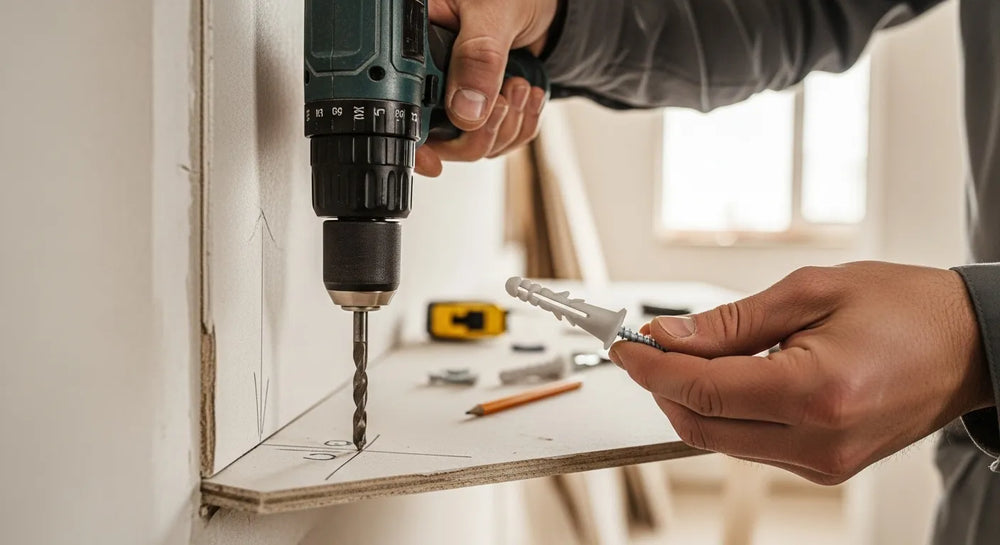
Remove a Bent Screw from Wood Safely
Table of Contents
- Introduction
- Understanding Why Screws Bend in Wood
- Essential Tools for Bent Screw Removal
- Step-by-Step Methods for Removing Bent Screws
- Prevention: The Best Strategy
- The Maden.co Advantage: Sourcing for Reliability
- Conclusion
- FAQ
Every seasoned professional, from the MRO buyer managing critical equipment maintenance to the design engineer overseeing a new product prototype, understands the frustration of a project stalled by a seemingly minor issue. Imagine a precise assembly halted because a crucial fastener, instead of neatly embedding itself, has bent, jammed, or stripped within a piece of wood. This isn't just an inconvenience; it represents lost time, wasted materials, and a potential disruption to tightly managed schedules and budgets. The ripple effect can be significant, extending from a single workshop delay to impacting broader supply chain reliability.
This comprehensive guide addresses a common, yet often vexing, challenge: how to effectively remove a bent screw from wood. We will delve into the root causes of bent screws, outline essential tools and techniques, and provide actionable, step-by-step methods for various scenarios. Crucially, we’ll also explore preventative measures, emphasizing the strategic importance of sourcing high-quality, reliable fasteners from trusted suppliers. At Maden.co, we understand that every component contributes to the success of your operations, and preventing such issues through informed procurement is as vital as knowing how to resolve them. Our mission is to democratize access to American manufacturing, ensuring you have access to the superior U.S.-made products that prevent these frustrations from occurring in the first place.
Introduction
The seemingly simple act of driving a screw into wood can sometimes go awry, leading to a bent or broken fastener that becomes an immovable obstacle. This predicament can be particularly challenging in industrial and commercial settings where project deadlines are stringent, material integrity is paramount, and the cost of rework or delays is high. For a procurement manager overseeing a major construction project, an unexpected bent screw can mean a costly halt; for a business owner meticulously crafting custom fixtures, it can compromise the structural integrity and aesthetic finish.
This article will serve as your definitive resource for understanding and overcoming the challenge of a bent screw. We'll start by diagnosing why screws bend, then move into a detailed exploration of the tools and techniques required for safe and effective removal. From common hand tools to specialized extractors, we'll cover methods suitable for various situations, including screws that are partially exposed, deeply embedded, or severely damaged. Our goal is not just to provide a temporary fix, but to empower you with the knowledge to select the right U.S.-made fasteners from the outset, minimizing future disruptions. By the end, you'll be equipped not only to extract stubborn screws but also to make more informed sourcing decisions, leveraging the Industrial Excellence and Supply Chain Transparency that Maden.co champions.
Understanding Why Screws Bend in Wood
Before attempting to remove a bent screw, it's beneficial to understand why it might have bent in the first place. This diagnostic step can inform your removal strategy and, more importantly, help prevent similar issues on future projects. A bent screw is rarely a random occurrence; it's often a symptom of one or more underlying issues related to technique, material, or tool selection.
Improper Pilot Holes
One of the most common culprits behind bent screws is an incorrectly sized or absent pilot hole. A pilot hole is essential for guiding the screw and relieving stress on the wood fibers, especially in hardwoods or dense engineered lumber.
- Pilot Hole Too Small: If the pilot hole is too small, the screw encounters excessive resistance, leading to torque overload. Instead of cutting threads, the screw may buckle under the pressure, resulting in a bent shaft. This resistance also increases the likelihood of stripping the screw head, further complicating removal.
- Pilot Hole Too Shallow: A pilot hole that doesn't extend deep enough for the entire length of the screw can cause the tip to bind, forcing the rest of the screw to bend as the driving force continues.
- No Pilot Hole: In denser woods, attempting to drive a screw without a pilot hole is an invitation for trouble. The screw struggles to penetrate the material, often deflecting and bending as it seeks the path of least resistance or simply crumples under the immense pressure.
Incorrect Screw Type or Size
The vast array of screws available—from wood screws to machine screws, lag screws, and self-tapping varieties—each has a specific application. Using the wrong type can lead to bending.
- Length and Gauge: A screw that is too long for the material thickness can bottom out or emerge on the other side, potentially bending if it hits an unseen obstruction. A screw that is too thin (small gauge) for the applied load or wood density is more prone to bending during installation.
- Thread Design: Screws designed for metal might struggle in wood, and vice-versa. Wood screws have aggressive threads designed to bite into wood fibers, but even these can bend if forced into too dense a material without proper guidance.
Poor Material Quality
The quality of the fastener itself plays a critical role. Inferior screws, often made from softer, less robust alloys or with inconsistent manufacturing tolerances, are far more susceptible to bending, stripping, or shearing.
- Inconsistent Manufacturing: Screws with subtle imperfections, such as microscopic cracks or uneven hardening, can fail under stress. These flaws might be invisible to the naked eye but become critical weak points during installation.
- Substandard Alloys: Cheap screws often use low-grade steel or other metals that lack the necessary tensile strength and ductility. While they might look similar to higher-quality counterparts, their performance under load is drastically different. This is precisely why at Maden.co, we emphasize American Manufacturing Pride and source exclusively from verified U.S. manufacturers. We provide access to components engineered for reliability, reducing the likelihood of such quality-related failures.
Excessive Force or Improper Driving Techniques
Even with the correct pilot hole and screw, poor technique can lead to bending.
- Over-Torquing: Applying too much torque, especially with power tools, can overwhelm the screw's structural integrity, causing it to bend or snap. This is particularly true if the screw binds prematurely.
- Angle of Entry: If the screw is not driven straight, it can encounter lateral resistance, causing it to deflect and bend. This is common when driving screws by hand or with an unsteady power tool.
- Lack of Support: If the material being joined is not adequately clamped or supported, it can shift during screw installation, leading to misalignment and bending.
Wood Characteristics
The properties of the wood itself can contribute to screw bending.
- Knots and Grain: Hitting a hard knot or an abrupt change in grain direction can cause a screw to deflect and bend, especially if a pilot hole isn't perfectly aligned or deep enough.
- Hardness and Density: Denser hardwoods require more force to drive screws, increasing the risk of bending if precautions like proper pilot holes are not taken.
- Moisture Content: Wood that is excessively wet or prone to swelling and shrinking can also create unforeseen stress on fasteners over time, although this is less likely to cause immediate bending during installation.
Understanding these factors is the first step toward preventing future mishaps and choosing the most effective removal method. Ultimately, investing in quality fasteners and employing proper techniques are paramount for successful, efficient work, and Maden.co is dedicated to providing access to the American-made components that guarantee this level of performance.
Essential Tools for Bent Screw Removal
Successfully removing a bent screw requires more than brute force; it demands the right tools and a systematic approach. Having a well-stocked toolkit will significantly increase your chances of success and minimize damage to your workpiece. Here's a breakdown of the essential tools you might need:
Safety Gear
Before you even touch a tool, prioritize safety.
- Safety Glasses: Crucial for protecting your eyes from flying debris, especially when drilling or prying.
- Work Gloves: Protect your hands from splinters, sharp edges, and potential tool slips.
- Dust Mask: If drilling or sanding extensively, a mask can protect your respiratory system.
Basic Hand Tools
These are often your first line of defense for partially exposed or slightly bent screws.
- Pliers (Standard, Needle-Nose, Diagonal Cutting): For gripping exposed screw heads or shafts. Diagonal cutters can sometimes be used to cut off the head if necessary, but typically a rotary tool is better for a clean cut.
- Vice Grips (Locking Pliers): Invaluable for providing an incredibly strong, non-slip grip on a screw head or exposed shaft. The locking mechanism allows you to apply constant pulling or twisting force without hand fatigue.
- Adjustable Wrench: Can be used on square or hexagonal drive screws if their heads are still intact and proud enough to grip.
- Flathead Screwdriver: Sometimes, a sturdy flathead can be wedged under the head of a slightly proud screw to pry it up while simultaneously turning.
- Hammer: For tapping tools (like a chisel) or gently driving a screwdriver deeper into a stripped head to create a new slot.
- Chisel (Wood or Cold): For carefully removing wood around the screw head or shaft to gain better access. A wood chisel is for delicate work, while a cold chisel is for more aggressive material removal around extremely stubborn screws, though this carries a higher risk of damaging the workpiece.
Power Tools
When manual methods aren't enough, power tools provide the necessary leverage and speed.
- Cordless Drill/Driver: Essential for drilling pilot holes, using screw extractors, and potentially driving screws. Variable speed control is key.
- Impact Driver: Delivers powerful, rotational impacts that can be incredibly effective at loosening stubborn screws without stripping the head. The percussive action helps to break the bond between the screw and the wood fibers.
- Rotary Tool (e.g., Dremel with Cut-Off Wheel): Useful for cutting a new slot into a stripped screw head or carefully cutting the head off entirely to gain access to the shaft.
- Oscillating Multi-Tool: With the right blade, this tool can quickly cut away wood around a screw for better access, or even cut through a screw shaft if necessary.
Specialized Tools
These tools are designed specifically for screw removal and can be lifesavers in difficult situations.
- Screw Extractor Kit: A must-have for stripped or broken screw heads. These kits typically contain specialized bits that bore into the damaged screw head and then, when reversed, grip the inside of the head to back the screw out. They come in various sizes to accommodate different screw gauges.
- Left-Hand Drill Bits: These drill bits are designed to cut counter-clockwise. Sometimes, as they cut into a stubborn screw, they can unexpectedly catch and unscrew the fastener.
Lubricants and Heat
These can help break the bond between metal and wood.
- Penetrating Oil (e.g., WD-40, PB Blaster): Applied around the screw, it can seep into the threads, lubricating them and helping to dissolve rust or friction-causing residues. Allow ample time for it to work (30 minutes to several hours).
- Heat Gun/Soldering Iron: Applying controlled heat to the screw can cause it to expand slightly, breaking the bond with the surrounding wood. As it cools, it contracts, which can further loosen its grip. Be extremely cautious when using heat, as it can scorch or damage the wood, and can also release fumes from treated wood or finishes.
Having these tools readily available ensures you're prepared for the various challenges a bent screw can present. For critical components and long-term reliability, procuring high-quality U.S.-made fasteners from Maden.co can help you avoid these frustrating situations entirely. Our extensive catalog, including options like the versatile Round Slot Drive Brass Wood Screw, provides the robust materials and consistent quality needed for demanding projects.
Step-by-Step Methods for Removing Bent Screws
Removing a bent screw requires patience and a methodical approach. The best technique depends largely on the screw's condition, how deep it is embedded, and whether the head is still intact. Always start with the least destructive method first.
Method 1: When the Screw Head is Accessible and Mostly Intact
This scenario is the most straightforward. The screw is bent, but enough of its head or shaft is exposed to grip.
Using Pliers or Vice Grips
- Assess the Grip: Examine how much of the screw head or shaft is accessible.
- Apply Penetrating Oil: If the screw seems stuck, apply a generous amount of penetrating oil around the exposed shaft and head. Let it sit for 15-30 minutes, or even longer for very stubborn screws.
- Grip Firmly: Use vice grips for the best hold. Clamp them securely onto the exposed part of the screw head or shaft. If only a small portion is exposed, needle-nose pliers might offer a better initial grip, but switch to vice grips if possible for more leverage.
- Twist and Pull: Once clamped, try to slowly twist the screw counter-clockwise. Simultaneously, apply upward pressure to help lift it out of the wood. If it doesn't budge, try wiggling it slightly back and forth to break the bond.
- Re-grip as Needed: As the screw emerges, you may need to adjust your grip with the vice grips to maintain maximum leverage.
Cutting a New Slot (for slightly stripped heads)
If the original drive slot (Phillips, flat, Torx) is slightly damaged but the head is still mostly intact and accessible:
- Clean the Area: Clear any debris from the screw head.
- Use a Rotary Tool: With a thin cutting wheel (like a Dremel tool), carefully cut a new, deeper slot into the screw head. Aim for a slot that a sturdy flathead screwdriver can fit into. Exercise extreme caution to avoid damaging the surrounding wood.
- Manual Extraction: Insert a flathead screwdriver into the new slot. Apply downward pressure while turning counter-clockwise. If it's still stuck, apply penetrating oil and let it sit before attempting again.
- Impact Driver (with caution): For very stubborn screws with a newly cut slot, a manual impact driver can sometimes work. Place the driver bit in the new slot, strike the end with a hammer, and the impact will simultaneously turn and apply downward force, helping to break the screw free.
Method 2: When the Screw Head is Stripped, Rounded, or Damaged
This is a common and frustrating situation where the drive mechanism is no longer functional.
Screw Extractor Kits
This is often the most effective method for stripped or broken heads.
- Select the Right Size: Choose an extractor bit that is slightly smaller than the diameter of the screw's core (not the head).
- Drill a Pilot Hole (if necessary): Some extractors are self-tapping; others require you to drill a small pilot hole into the center of the stripped screw head using a drill bit from the kit. Ensure the hole is centered and deep enough for the extractor to bite.
- Insert Extractor: Place the extractor bit into your drill (typically in reverse mode, or as per kit instructions).
- Slow and Steady: With firm, steady pressure, begin drilling slowly in reverse. The extractor will bite into the stripped screw head. As it grips, continue drilling, and the screw should begin to turn counter-clockwise and back out.
- Maintain Pressure: Crucial to keep constant, firm pressure to prevent the extractor from slipping and further damaging the screw head.
Drilling Around the Screw Head (Destructive Method)
If the screw head is completely stripped or snapped off and flush with the wood, and you need to preserve the surrounding material as much as possible, you can drill around the screw head.
- Choose a Drill Bit: Select a drill bit with a diameter slightly larger than the screw head.
- Drill Concentrically: Carefully drill around the screw head, creating a cavity that allows you to lift the damaged head and the top portion of the screw out. This will leave the shaft of the screw exposed.
- Extract the Shaft: Once the head is removed, you can usually grip the remaining screw shaft with vice grips and twist it out, potentially applying penetrating oil.
Method 3: When the Screw Shaft is Bent and Stubborn
If the screw shaft itself is visibly bent and resisting all attempts at turning, it's often because the bend is wedging it firmly against the wood fibers.
Applying Penetrating Oil and Heat
- Generous Application: Soak the area around the screw with penetrating oil. Allow it to work for a significant period – several hours, or even overnight if possible.
- Controlled Heat (Caution!): Use a heat gun or soldering iron to gently heat the screw. The expansion and contraction can help break the bond. Apply heat for short bursts (15-30 seconds), then attempt to turn the screw with vice grips. Repeat as necessary, but avoid overheating the wood. For tasks involving specific metal-to-wood fasteners, such as an Oval Slot Drive Silicon Bronze Wood Screw used in marine applications, care must be taken to not compromise the material's integrity or surrounding sealant.
- Wiggle and Twist: While applying upward pressure with vice grips, gently wiggle the screw back and forth before attempting to twist it out. This can help dislodge the bent section from the wood fibers.
Using a Jaw Puller (for partially exposed, proud screws)
If a significant portion of the screw shaft is exposed (e.g., a lag screw or bolt), a jaw puller (like a gear puller) can sometimes be adapted.
- Secure Grip: Clamp the jaws of the puller onto the exposed shaft.
- Apply Pressure: Turn the central bolt of the puller, which will apply upward force, slowly pulling the screw out. This method is generally for larger, more robust fasteners.
Method 4: Deeply Embedded or Broken Screws (Last Resort)
When all other methods fail, or the screw is broken off flush or below the surface, more invasive techniques might be necessary.
Wood Plug/Doweling Method
This is a repair method rather than an extraction, suitable when the screw cannot be removed without extensive damage.
- Drill Out: Using a drill bit slightly larger than the screw's diameter, carefully drill out the screw and the surrounding wood. A plug cutter can also be used to create a clean, uniform hole.
- Clean Cavity: Remove all debris, including the remnants of the screw.
- Insert Plug/Dowel: Glue a matching wood plug or dowel into the hole.
- Finish: Once the glue dries, sand the surface flush and refinish as needed. This method permanently removes the screw but repairs the damage.
Material Removal (Extensive Damage)
In some extreme cases, particularly in non-structural or easily replaceable parts of the wood, you might need to chisel or cut away a larger section of the wood to fully expose the screw for removal. This is a highly destructive method and should only be considered if the wood piece can be easily replaced or if the cosmetic damage is acceptable.
Each of these methods requires a careful and controlled approach. Rushing the process can lead to further damage to the screw or the surrounding wood. Investing in robust, U.S.-made fasteners, such as the Flat Slot Drive Brass Wood Screw for a clean, flush finish, can significantly reduce the incidence of these complex removal scenarios.
Prevention: The Best Strategy
While knowing how to remove a bent screw is crucial, preventing the problem from occurring in the first place is always the most efficient and cost-effective strategy. For procurement managers, MRO buyers, and design engineers, this translates directly into reduced project delays, lower rework costs, and enhanced overall operational efficiency. At Maden.co, we firmly believe that American Manufacturing Pride goes hand-in-hand with meticulous planning and the selection of superior components.
Choosing the Right Fastener
The first line of defense against bent screws is selecting the appropriate fastener for the job. This involves considering the screw material, type, size, and thread design relative to the wood species and application.
- Material Strength: For demanding applications, ensure your screws are made from high-strength alloys. Brass screws, for example, are excellent for aesthetic purposes and corrosion resistance in softer woods but might bend in hardwoods if pilot holes aren't perfectly executed. For robust applications where durability is key, consider steel or silicon bronze options from a trusted source.
- Screw Type for Wood: Use screws specifically designed for wood, featuring coarse threads and a tapered point. Avoid drywall screws in woodworking projects, as their brittle nature makes them prone to snapping or stripping.
- Size and Length: The screw's diameter (gauge) should be appropriate for the load it will bear and the thickness of the material. The length should be sufficient to create a strong joint without penetrating too far or risking interference.
- Drive Type: Choose drive types that offer good torque transfer and resistance to cam-out, such as Phillips, Torx, or square drive, over traditional slotted screws for power driving.
For projects requiring specific wood screws with a classic aesthetic or particular material properties, Maden.co offers a range of high-quality, U.S.-made options. For instance, the Round Slot Drive Brass Wood Screw provides both durability and a traditional look for many interior applications, while the Flat Slot Drive Brass Wood Screw is ideal for applications requiring a flush finish. For extreme environments or marine use, the Oval Slot Drive Silicon Bronze Wood Screw offers superior corrosion resistance and strength.
Accurate Pilot Holes
Properly sized and drilled pilot holes are non-negotiable for preventing bent screws, especially in hardwoods or when working near edges where splitting is a concern.
- Diameter: The pilot hole should match the diameter of the screw's shank (the unthreaded part) or the core of the screw (the diameter of the threaded section, excluding the threads themselves). This allows the screw threads to engage fully without excessive friction, while the shank slides freely. A slight taper in the pilot hole can also be beneficial, matching the screw's taper.
- Depth: Drill the pilot hole to at least the full depth of the screw's threaded portion, or slightly deeper, to ensure the screw can fully seat without binding at the tip.
- Countersinking/Counterboring: For screws requiring a flush or recessed finish, countersink the pilot hole to accommodate the screw head. This prevents splitting around the head and ensures a clean aesthetic.
Proper Driving Techniques
Even with the right screw and pilot hole, technique matters.
- Steady and Straight: Always drive the screw straight into the wood. Maintain firm, constant pressure along the axis of the screw to prevent it from wobbling or bending.
- Controlled Speed and Torque: When using power drills or impact drivers, start at a lower speed and gradually increase as the screw bites. Pay attention to the resistance; if the screw is struggling, reduce speed or stop to reassess. Avoid over-tightening, which can strip the head or damage the wood.
- Lubrication (Optional): For very hard woods or long screws, a small amount of wax or soap on the screw threads can reduce friction and make driving smoother, reducing the risk of bending.
Investing in Quality U.S.-Made Components
Perhaps the most impactful preventative measure is to consistently source high-quality fasteners. While lower-priced imported alternatives might seem appealing upfront, the true cost often emerges in the form of increased failure rates, rework, project delays, and ultimately, a higher Total Cost of Ownership (TCO).
At Maden.co, our unwavering commitment to American Manufacturing Pride means we provide access to a vast network of 800+ verified U.S. manufacturers. This ensures that every component in our catalog, from basic fasteners to complex industrial parts, meets stringent quality standards. We believe in Digital Innovation to streamline procurement, and Supply Chain Transparency to give you confidence in the origin and quality of your parts. By partnering with us, you are not just buying screws; you are investing in the reliability, resilience, and predictability of your supply chain. We make it easy to find over 2.5 million American-made products, simplifying compliance with critical industry standards and reducing procurement friction. Our vision is to become the definitive platform that proves American-made components are as accessible and convenient as any global alternative, driving the manufacturing revival with our tagline: "America's manufacturing revival is here." We invite qualified U.S. manufacturers to Register as a vendor and join our growing network dedicated to industrial excellence.
The Maden.co Advantage: Sourcing for Reliability
In a competitive industrial landscape, procurement isn't just about obtaining parts; it's about strategic partnerships that enhance efficiency, resilience, and ultimately, your bottom line. At Maden.co, we offer a distinctive advantage for procurement managers, MRO buyers, and design engineers seeking to optimize their supply chains and avoid common frustrations like bent screws. Our entire business model is built on this principle; you can learn more about our mission to champion American manufacturing here: About Us.
Digital Innovation & Supply Chain Transparency
Our platform, Maden.co, represents the pinnacle of Digital Innovation in industrial procurement. We provide a seamless, intuitive B2B marketplace designed to simplify the complex process of sourcing U.S.-manufactured products. With over 2.5 million American-made products from our network of 800+ verified U.S. manufacturers, we offer unparalleled access and choice. This commitment to Supply Chain Transparency means you always know the origin and quality of your components, empowering you to make informed decisions that prevent issues like material failure and ensure compliance with critical industry standards (e.g., DIN, NPT). For a procurement manager under pressure to source a specific DIN 931 compliant hex cap screw, a design engineer needing specific material certifications for a new prototype, or an MRO buyer facing an unexpected equipment breakdown, the ability to quickly find and finance a verified, U.S.-made part is a game-changer.
Customer Empowerment & Industrial Excellence
We are driven by Customer Empowerment, ensuring that buyers have all the tools and information necessary to secure the best industrial components. Our platform is more than just a catalog; it's a resource hub dedicated to Industrial Excellence. By connecting you directly with verified U.S. manufacturers, we cut down on procurement friction, reduce lead times, and enhance the reliability of your supply chain. This directly translates to an improved Total Cost of Ownership (TCO) because you're investing in parts that perform consistently, last longer, and contribute to uninterrupted operations. Whether you're in need of specialty fasteners or high-volume commodity items, our rigorous vetting process for manufacturers ensures you receive components that meet the highest standards of quality and performance.
Instant Financing as a Strategic Tool
A key differentiator that further empowers our customers is our "Instant Financing" option. We recognize that managing cash flow for large-volume purchases or unexpected critical needs can be a significant challenge. Our financing solution isn't just a payment method; it's a strategic tool designed to provide flexibility and enable timely procurement without straining immediate capital.
Imagine an MRO buyer needing to quickly replace a critical, capital-intensive component to avoid costly downtime, or a business owner looking to scale up production with a substantial order of specialized fasteners. Instant Financing at checkout allows these professionals to manage their capital effectively, making larger or more urgent purchases possible, precisely when they're needed most. This feature embodies our commitment to facilitating efficient, resilient procurement processes for American businesses. If you have specific sourcing questions, our team is ready to help: Contact Us.
By leveraging the power of Maden.co, you're not just finding a part; you're building a more reliable, efficient, and cost-effective procurement process. Our platform, located at Maden.co, is your gateway to the America's manufacturing revival.
Conclusion
Successfully removing a bent screw from wood is a skill that blends patience, the right tools, and a methodical approach. From carefully applying penetrating oil and using vice grips to deploying specialized screw extractors for more challenging situations, the methods outlined here provide a comprehensive toolkit for tackling this common frustration. However, as we've emphasized, the most effective strategy lies in prevention. By understanding why screws bend—improper pilot holes, incorrect fastener selection, or substandard materials—and by investing in high-quality components and sound installation techniques, you can significantly reduce the incidence of these costly and time-consuming problems.
For American businesses, the impact of such seemingly small issues on project timelines, budget adherence, and overall supply chain resilience cannot be overstated. This is precisely where Maden.co shines. Our commitment to democratizing access to American manufacturing means we connect you with over 2.5 million U.S.-made products from more than 800 verified manufacturers. We champion American Manufacturing Pride, Digital Innovation, Supply Chain Transparency, Industrial Excellence, and Customer Empowerment, ensuring you receive fasteners and industrial components that are built to perform and last.
Don't let a bent screw be the bottleneck in your next project. Elevate your procurement strategy by choosing quality from the start. Explore the vast catalog of reliable, U.S.-made fasteners and industrial supplies available on Maden.co. You can apply for Instant Financing at checkout to streamline your capital-intensive projects and ensure your operations never miss a beat. Join us in driving America's manufacturing revival – where quality, convenience, and strategic value converge.
FAQ
Q1: What is the most common reason for a screw to bend in wood?
A1: The most common reason is an incorrectly sized or absent pilot hole. If the pilot hole is too small or not present, the screw encounters excessive resistance, causing it to buckle under the driving force. Other factors include using the wrong type of screw for the wood, poor screw material quality, or applying excessive force during installation.
Q2: What should I do if the screw head is completely stripped or broken off flush with the wood?
A2: If the screw head is stripped or broken flush, your best options are typically a screw extractor kit or drilling around the screw. A screw extractor kit uses specialized bits to bore into the damaged head and then, when reversed, grips and backs out the screw. If that fails, you might need to drill a slightly larger hole around the screw head to remove it and expose the shaft, then extract the remaining shaft with pliers or vice grips, or use a wood plug/doweling method for repair.
Q3: Can applying heat help remove a stubborn bent screw?
A3: Yes, carefully applying heat can sometimes help. Heat causes the metal screw to expand slightly, which can break the bond with the surrounding wood fibers. As the screw cools and contracts, it may loosen its grip. Use a heat gun or soldering iron with caution, applying heat in short bursts to avoid scorching the wood, and always wear safety glasses and gloves. Always pair this with penetrating oil for best results.
Q4: How can Maden.co help me prevent bent screws in future projects?
A4: Maden.co helps prevent bent screws by providing access to a vast catalog of high-quality, U.S.-made fasteners from verified manufacturers. By sourcing through us, you ensure you're using durable components with consistent quality, reducing the likelihood of material failure. We emphasize choosing the right fastener for the job, backed by American Manufacturing Pride and rigorous quality standards, ultimately leading to more reliable installations and a reduced Total Cost of Ownership.


