
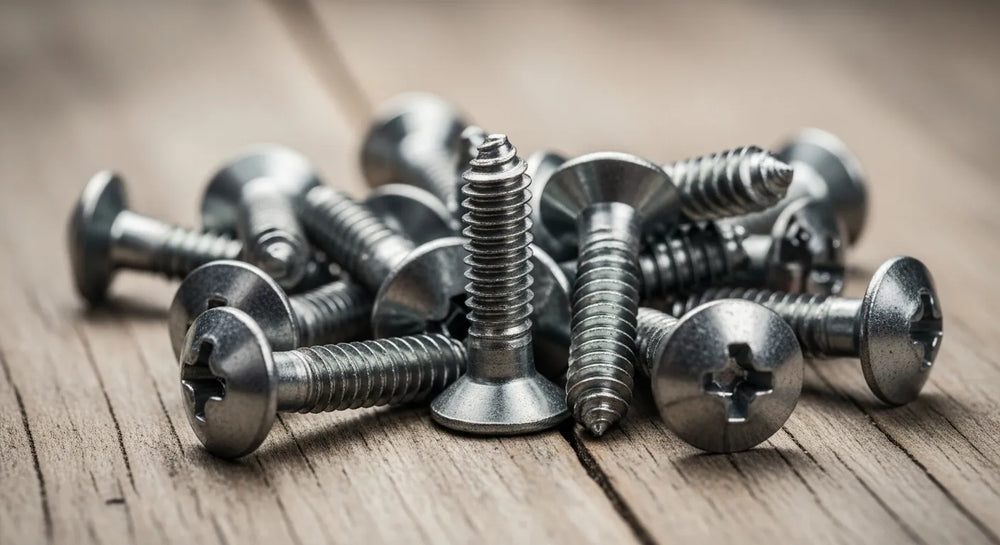
Remove Rust from Metal Screws: Practical Methods for Industrial Longevity
Table of Contents
- Understanding Rust: The Enemy of Industrial Fasteners
- Prevention is Paramount: Proactive Strategies
- Evaluating Rusted Screws: When to Repair vs. Replace
- Essential Tools and Safety for Rust Removal
- Methods for How to Remove Rust from Metal Screws
- Post-Removal Treatment: Protecting Against Re-Rusting
- The Strategic Imperative of Quality Fastener Procurement
- Seamless Sourcing and Strategic Financing with Maden.co
- Conclusion
- FAQ
Imagine a critical piece of machinery, vital to your production line, suddenly grinding to a halt not because of a complex mechanical failure, but due to a seized, rusted screw. This seemingly minor issue can trigger significant downtime, disrupt project timelines, and incur unexpected costs. For procurement managers, MRO buyers, and design engineers, the integrity of every component, down to the smallest fastener, is paramount. Rust on metal screws isn't just an aesthetic problem; it's a structural threat that compromises performance, complicates maintenance, and erodes the overall lifespan of equipment.
This pervasive challenge highlights a fundamental truth in industrial operations: maintaining the integrity of even the most basic components is crucial for operational excellence. Rust, a silent corrosive agent, can transform a routine maintenance task into a frustrating ordeal, or worse, lead to catastrophic equipment failure if left unaddressed. Understanding how to effectively prevent and, when necessary, remove rust from metal screws is not just about extending the life of a single fastener, but about safeguarding the efficiency, safety, and profitability of your entire operation.
In this comprehensive guide, we will delve into the science behind rust formation, explore robust prevention strategies, and provide a detailed breakdown of effective methods for removing rust from metal screws. We will also examine the critical decision of when to restore a rusted fastener versus when to replace it with a superior, American-made alternative. Our aim is to equip you with the knowledge and resources to tackle this common industrial challenge head-on, ensuring that your projects and machinery operate with unwavering reliability. By integrating best practices in maintenance and strategic sourcing, you can mitigate the risks posed by corrosion, enhance supply chain resilience, and ultimately contribute to the long-term success of your operations.
Understanding Rust: The Enemy of Industrial Fasteners
Before we can effectively combat rust, it's essential to understand its nature and the conditions that accelerate its formation. Rust is more than just an unsightly blemish; it's a fundamental chemical process with significant implications for industrial components.
What is Rust?
At its core, rust is a common term for iron oxides, specifically the reddish-brown flakey material that forms when iron or its alloys (like steel) are exposed to oxygen and moisture. This electrochemical reaction, known as oxidation, causes the metal to corrode, losing its structural integrity over time. The presence of electrolytes, such as salt, can significantly speed up this process, which is why equipment in coastal areas or those exposed to road salts often suffer from accelerated corrosion.
Why Screws Rust: Common Causes
Several factors contribute to the rusting of metal screws in industrial environments:
- Moisture Exposure: This is the primary culprit. High humidity, condensation, direct water contact, or even prolonged exposure to damp air creates the ideal environment for rust.
- Oxygen Availability: Iron reacts with oxygen. The more oxygen available, the faster the rusting process, especially in the presence of moisture.
-
Environmental Contaminants:
- Salt: Saltwater or salt spray (common in marine, chemical, or winter road treatment applications) acts as an electrolyte, accelerating the electrochemical reaction.
- Acids and Chemicals: Exposure to acidic solutions or other corrosive chemicals can strip away protective layers and directly attack the metal.
- Pollutants: Industrial pollutants in the air can also contribute to corrosive environments.
- Material Composition: While all iron-based alloys can rust, some are more susceptible than others. Low-carbon steel, for instance, is highly prone to rust, whereas stainless steel, with its chromium content, forms a passive, protective oxide layer that resists corrosion.
- Surface Damage: Scratches, nicks, or abrasions on a screw's surface can expose the underlying metal to the elements, bypassing any protective coatings and initiating rust formation.
- Galvanic Corrosion: When two dissimilar metals are in contact in the presence of an electrolyte, one metal can corrode preferentially. This is a critical consideration in assembly design.
- Poor Storage: Leaving screws exposed to the elements or in damp conditions, even for short periods, can kickstart the rusting process before they are even put into use.
The Cost of Rust in Industrial Applications
The implications of rusted fasteners extend far beyond cosmetic damage. For industrial operations, the costs can be substantial:
- Downtime and Production Losses: A seized or broken rusted screw can halt an entire production line, leading to costly delays and missed deadlines.
- Increased Maintenance Costs: Rust makes disassembly difficult, often requiring specialized tools, more labor, or even destructive removal techniques, increasing maintenance time and expense.
- Compromised Structural Integrity: Rusted screws lose their strength and clamping force, potentially leading to equipment failure, safety hazards, and structural collapse.
- Reduced Equipment Lifespan: Continuous exposure to rust shortens the operational life of machinery and infrastructure, necessitating premature replacement and higher capital expenditure.
- Safety Risks: A corroded fastener in critical applications like structural supports or safety equipment can lead to catastrophic failure, endangering personnel.
- Non-Compliance and Regulatory Fines: In industries with strict regulatory standards (e.g., aerospace, medical), rusted components can lead to non-compliance, product recalls, and severe penalties.
Addressing these challenges proactively through superior material selection and strategic procurement is a cornerstone of responsible industrial management. At Maden.co, we emphasize American Manufacturing Pride and Industrial Excellence, understanding that sourcing high-quality, durable components from verified U.S. manufacturers is the first line of defense against these operational pitfalls.
Prevention is Paramount: Proactive Strategies
The most effective approach to dealing with rust on metal screws is to prevent it from forming in the first place. Proactive measures, from careful material selection to proper storage, can significantly extend the lifespan of your fasteners and machinery.
Material Selection: Stainless Steel, Galvanized, and Coated Screws
Choosing the right material for the application is the single most important preventative step.
- Stainless Steel: For environments where moisture and corrosive elements are prevalent, stainless steel screws are often the go-a for superior corrosion resistance. Stainless steel contains chromium, which forms a passive, self-repairing oxide layer on the surface, effectively preventing rust. Different grades (e.g., 304, 316) offer varying levels of resistance, with 316 being ideal for marine or highly corrosive chemical environments due to its molybdenum content.
- Galvanized Screws: Galvanization involves coating steel screws with a layer of zinc. Zinc acts as a sacrificial anode, meaning it corrodes before the underlying steel, offering excellent protection. Hot-dip galvanization provides a thicker, more durable coating suitable for outdoor and harsh conditions. Electro-galvanization offers a thinner, more aesthetic finish, often used for indoor applications.
-
Coated Screws: Various specialized coatings provide additional layers of protection. These can include:
- Zinc Plating: A common, cost-effective coating that provides good corrosion resistance in mildly corrosive environments. We feature products like the Steel Zinc Plated Type A Pan Slot Drive Self-Tapping Sheet Metal Screw and the Steel Zinc Plated Type A Truss Square Drive Self-Tapping Sheet Metal Screw, both designed for reliability.
- Phosphate Coatings: Offer good paint adhesion and some rust resistance.
- Polymer Coatings: (e.g., PTFE, nylon) Provide excellent corrosion resistance, reduced friction, and chemical resistance, often used in specialized applications.
- Ceramic Coatings: Offer high-temperature resistance and enhanced corrosion protection.
Proper Storage Techniques
Even the highest quality screws can rust if stored improperly.
- Dry Environments: Store fasteners in dry, climate-controlled environments whenever possible. Avoid areas with high humidity or fluctuating temperatures that can cause condensation.
- Sealed Containers: Keep screws in sealed bins, plastic bags, or original packaging to minimize exposure to air and moisture. Desiccants can be added to storage containers for extra moisture absorption.
- Elevated Storage: Store fasteners off the floor to protect them from potential spills or dampness.
- FIFO (First-In, First-Out): Implement a robust inventory management system to ensure older stock is used first, reducing the time fasteners spend in storage.
Protective Coatings and Finishes (Applied Post-Installation)
After installation, additional measures can protect screws:
- Paint and Primers: Applying industrial-grade paints and primers can create a barrier against moisture and oxygen. Ensure the surface is clean and prepped for optimal adhesion.
- Grease and Oils: For components that may need future disassembly, a liberal application of grease, anti-seize compound, or heavy-duty oil can protect screws from corrosion while making removal easier.
- Wax Coatings: Specialized wax coatings can provide a durable, water-repellent barrier, particularly useful in outdoor or harsh environments.
Environmental Control
Controlling the operating environment can also mitigate rust:
- Ventilation: Ensure adequate ventilation in enclosed spaces to prevent moisture buildup.
- Dehumidification: In persistently humid areas, industrial dehumidifiers can help maintain optimal moisture levels.
- Regular Cleaning: Regularly clean equipment to remove corrosive contaminants, dirt, and moisture.
The Maden.co Advantage: Sourcing High-Quality, Rust-Resistant Components
At Maden.co, our mission is to democratize access to American manufacturing, providing procurement managers and design engineers with unparalleled access to over 2.5 million U.S.-made products from our network of 800+ verified American manufacturers. This commitment to American Manufacturing Pride means we connect you with fasteners built to rigorous standards, offering superior material quality and advanced protective finishes crucial for preventing rust.
When sourcing through our platform, you're not just buying a screw; you're investing in reliability and longevity. For instance, if you require a robust fastening solution, consider options like the Hi-Lo Double Lead Thread Self-Tapping Sheet Metal Screw, manufactured with precision and durability in mind. Our platform offers transparent access to detailed product specifications, enabling you to select fasteners with the appropriate material composition and coatings, whether it's specific grades of stainless steel, specialized galvanized finishes, or advanced polymer coatings, all designed to meet critical industry standards and resist corrosion. We champion Supply Chain Transparency, ensuring you know exactly where your components come from and the quality standards they uphold. Learn more about our vision for American manufacturing and commitment to quality on our About Us page.
Evaluating Rusted Screws: When to Repair vs. Replace
When confronted with a rusted screw, the first instinct might be to salvage it. However, a crucial decision must be made: is it more practical and safer to remove the rust or to replace the screw entirely? This decision has significant implications for operational safety, cost-effectiveness, and the long-term reliability of your equipment.
Assessing Damage Severity
The extent of rust damage is the primary factor in determining whether to repair or replace.
- Surface Rust: If the rust is superficial, affecting only the outermost layer without significant pitting or material loss, removal is often feasible. Surface rust can be identified as a reddish-brown discoloration that hasn't visibly eaten into the screw's body or threads.
- Moderate Rust: When rust has started to pit the surface, but the screw's overall shape and threads are still largely intact, removal might still be an option, but it requires more effort and careful assessment of remaining material thickness.
- Severe Rust: If the screw is heavily pitted, flaking, or significantly reduced in diameter, especially at critical stress points, its structural integrity is compromised. Rust can eat away at the metal, weakening the screw to the point where it can no longer safely perform its function. In such cases, replacement is almost always the safer and more cost-effective choice.
Structural Integrity Concerns
The primary function of a screw is to provide a secure fastening. Rust directly undermines this function.
- Tensile Strength Reduction: Rust reduces the cross-sectional area of the screw, thereby decreasing its tensile strength and ability to withstand tension and shear forces. A weakened screw is a ticking time bomb, susceptible to snapping under load.
- Thread Degradation: Rust can corrode the screw threads and the threads of the mating hole, reducing clamping force and increasing the likelihood of loosening or stripping. If threads are severely damaged, even a cleaned screw won't hold securely.
- Head Integrity: If the screw head, particularly the drive mechanism (slot, Phillips, hex, Torx), is heavily rusted, it may strip during removal attempts, complicating the process and potentially damaging the surrounding material.
For critical applications where fastener failure could lead to significant equipment damage, safety hazards, or production downtime, even minor rust should be a cause for concern, often prompting immediate replacement rather than attempted repair. The peace of mind and assurance of optimal performance provided by a new, high-quality fastener often outweighs the effort and risk associated with restoring a compromised one.
Cost-Benefit Analysis of Restoration
Consider the total cost and effort involved in rust removal versus replacement.
- Time and Labor: Rust removal, especially for multiple screws, can be a time-consuming and labor-intensive process, potentially exceeding the cost of simply installing a new screw.
- Required Materials: Specialized chemicals, abrasives, and safety equipment all add to the cost of restoration.
- Risk of Further Damage: Aggressive rust removal methods can further damage the screw or the surrounding material, leading to additional repair costs.
- Guaranteed Performance: A new screw, particularly one sourced from a reliable U.S. manufacturer, offers guaranteed performance and durability, eliminating the guesswork associated with a restored fastener.
For a design engineer specifying components, or a procurement manager securing parts, making the correct decision here is critical. The strategic advantage of partnering with a platform that offers quick access to a vast catalog of verified U.S.-made components becomes clear. Rather than spending valuable time and resources attempting to restore compromised fasteners, you can swiftly source reliable replacements. This approach directly contributes to improving Total Cost of Ownership (TCO) by reducing maintenance friction and enhancing overall supply chain resilience. When selecting new components, consider the robust options available on Maden.co, such as the Steel Zinc Plated Type A Pan Slot Drive Self-Tapping Sheet Metal Screw, designed for durability and ease of use.
Essential Tools and Safety for Rust Removal
Rust removal often involves abrasive action or chemical reactions, both of which require appropriate tools and, more importantly, strict adherence to safety protocols. Neglecting safety can lead to skin irritation, eye damage, respiratory issues, or even more serious injuries.
Personal Protective Equipment (PPE)
Always prioritize your safety before attempting any rust removal.
- Eye Protection: Safety glasses or goggles are non-negotiable. Rust particles, chemical splashes, or wire brush bristles can cause severe eye injury.
- Hand Protection: Chemical-resistant gloves (e.g., nitrile, rubber) are essential when working with acids, bases, or specialized rust removers. Thick work gloves can protect against abrasions during mechanical removal.
- Respiratory Protection: When using strong chemicals, aerosols, or generating fine dust from abrasive methods, a respirator or appropriate dust mask is crucial to prevent inhalation of harmful fumes or particles.
- Skin Protection: Long sleeves and pants can protect exposed skin from chemical splashes or abrasive contact.
- Ventilation: Work in a well-ventilated area, preferably outdoors or near an exhaust fan, to disperse fumes and dust.
Basic Cleaning Tools
These are often the first line of defense for surface rust.
- Wire Brushes: Steel or brass wire brushes (manual or attachment for drills/grinders) are effective for scrubbing off loose and flaky rust. Brass brushes are softer and less likely to scratch softer metals.
- Steel Wool/Abrasive Pads: Varying grades of steel wool or synthetic abrasive pads (e.g., Scotch-Brite) can buff away surface rust and polish the metal.
- Sandpaper: Various grits of sandpaper (from coarse to fine) can be used to abrade rust, especially in combination with a block or sanding tool for even pressure.
- Screwdrivers/Picks: For scraping rust out of screw head slots or intricate threads.
- Microfiber Cloths/Rags: For wiping away rust residue and drying components.
Chemicals and Solvents (Common Household Items)
Many household products can serve as mild rust removers, particularly for superficial rust.
- White Vinegar: Acetic acid in vinegar reacts with rust.
- Baking Soda: A mild abrasive when mixed with water into a paste.
- Lemon Juice: Citric acid helps dissolve rust, especially when combined with salt.
- Coca-Cola: Phosphoric acid in cola can break down rust.
Specialized Chemical Rust Removers
For more stubborn rust, commercial products are highly effective.
- Oxalic Acid: A stronger organic acid, often found in wood brighteners. Requires careful handling.
- Phosphoric Acid: Found in many commercial rust converters and removers. It converts rust into a stable iron phosphate layer, which can then be painted over.
- Chelating Agents (e.g., EDTA-based): These products bind to iron oxides, effectively dissolving the rust without harming the base metal. They are often less corrosive to surrounding materials than strong acids.
- Rust Converters: These chemicals react with rust to form a black, inert, protective layer, which can then be painted over, effectively stopping further corrosion.
When working with any chemicals, always read the manufacturer's instructions carefully and follow all warnings regarding usage, disposal, and first aid.
Methods for How to Remove Rust from Metal Screws
Once you've assessed the rust and gathered your safety gear, you can proceed with the removal process. The choice of method largely depends on the severity of the rust, the type of screw, and the resources available.
Mechanical Methods
These methods involve physically scraping, brushing, or abrading the rust off the metal surface. They are most effective for surface rust and when the screw's integrity is not significantly compromised.
Wire Brushes and Steel Wool
- Process: For loose or flaky rust, a stiff wire brush (steel for harder metals, brass for softer ones) can be very effective. Attach a wire wheel to a drill or angle grinder for faster results, but maintain control. For lighter rust, steel wool (grade 0000 for polishing, coarser grades for more aggressive removal) or a synthetic abrasive pad can be used by hand.
- Pros: Readily available, cost-effective, relatively quick for surface rust.
- Cons: Can scratch the metal surface, generate dust, and may not reach into intricate threads or deeply pitted areas.
- Application: Excellent for cleaning screw heads, visible shanks, and general surface decontamination.
Sandpaper and Abrasive Pads
- Process: Start with a coarser grit (e.g., 80-120) for heavier rust, then move to finer grits (e.g., 220-400) for polishing. Wrap sandpaper around a small dowel or screwdriver to get into threads.
- Pros: Offers more control than wire brushes, good for specific areas and achieving a smoother finish.
- Cons: Can be time-consuming, wears down quickly, and may still struggle with very deep pitting.
- Application: Useful for larger screws or when aiming for a specific surface finish after rust removal.
Rotary Tools with Abrasive Attachments
- Process: A Dremel or similar rotary tool with various grinding stones, wire brushes (small, fine), or abrasive buffs can precisely remove rust from intricate parts, screw heads, or threads.
- Pros: High precision, effective for tight spaces and detailed work.
- Cons: Can be aggressive, requiring a steady hand to avoid damaging the base metal. Consumables (attachments) can add up.
- Application: Ideal for small screws, delicate threads, or complex fastener geometries where larger tools cannot reach.
Chemical Methods (Household Solutions)
These methods rely on acidic or abrasive properties of common household items to dissolve or lift rust. They are generally milder and suitable for lighter rust.
Vinegar Soak
- Process: Submerge the rusted screws in a bowl of white vinegar. The acetic acid in vinegar reacts with the iron oxide. For best results, let them soak for several hours to overnight. For stubborn rust, gently scrub with a wire brush or steel wool after soaking.
- Pros: Inexpensive, non-toxic, readily available.
- Cons: Can take a long time, may not be effective for heavy rust, and can potentially etch or dull the metal if left too long.
- Application: Best for multiple small, moderately rusted screws.
Baking Soda Paste
- Process: Mix baking soda with a small amount of water to create a thick paste. Apply the paste generously to the rusted screw, ensuring full coverage. Let it sit for an hour or longer. Use a brush (a toothbrush works well) or steel wool to scrub off the paste and rust.
- Pros: Mildly abrasive, safe for most metals, effective for light surface rust.
- Cons: Less effective for heavy or deeply embedded rust.
- Application: Good for delicate screws or when a gentle approach is preferred.
Lemon Juice and Salt
- Process: Sprinkle a layer of salt onto the rusted screw, then squeeze lemon juice over the salt until it forms a paste. The citric acid and abrasive salt work together. Let it sit for a few hours, then scrub with a brush.
- Pros: Natural, readily available, effective for light to moderate rust.
- Cons: Can be slow, may require multiple applications.
- Application: Similar to vinegar, suitable for lighter rust on small to medium-sized screws.
Potatoes and Dish Soap
- Process: Cut a potato in half. Apply a thin layer of dish soap to the cut surface of the potato. Press the potato onto the rusted screw and leave it for several hours. The oxalic acid in the potato and the soap help to break down the rust.
- Pros: Extremely gentle, safe, and surprisingly effective for very light rust.
- Cons: Not suitable for heavy rust.
- Application: For very minor surface rust or delicate items.
Specialized Chemical Rust Removers
Commercial rust removers are formulated to be more potent and efficient than household solutions. Always follow manufacturer instructions and safety warnings.
-
Oxalic Acid:
- Process: Often sold as a powder, mix with water to create a solution (e.g., 1 part oxalic acid to 10 parts water). Submerge screws and allow to soak. Scrub periodically.
- Pros: Stronger than household acids, relatively quick.
- Cons: Requires good ventilation and PPE (gloves, eye protection). Can be harmful if ingested.
- Application: Effective for moderate to heavy rust on various metals.
-
Phosphoric Acid:
- Process: Many commercial rust removers contain phosphoric acid. Apply as directed (spray, wipe, or soak). It converts iron oxide (rust) into iron phosphate, a black, stable, protective layer.
- Pros: Not only removes rust but can also provide a protective coating (rust conversion).
- Cons: Requires PPE. Can leave a dark residue that may need to be removed if you want a shiny finish.
- Application: Excellent for preparing surfaces for painting or for rust conversion applications.
-
Chelating Agents:
- Process: These are often non-acidic, water-based solutions. Submerge rusted items for several hours to days. The chelating agents bond with the iron oxide, dissolving it into the solution without harming the base metal.
- Pros: Safe for most metals, non-corrosive, often biodegradable, minimal fumes.
- Cons: Can be slower than strong acids, often more expensive.
- Application: Ideal for delicate items, mixed metal assemblies, or when harsh chemicals are undesirable.
Electrolysis (Advanced Method)
Electrolysis is a highly effective method for removing heavy rust, particularly from larger or intricate metal objects, including screws that are heavily encrusted. It works by using an electric current to reverse the rusting process.
How it Works
- Setup: You'll need a plastic container, water, a sacrificial anode (a piece of scrap steel, not stainless steel), a non-conductive hanger (e.g., plastic zip ties) for the rusted screw, washing soda (sodium carbonate, not baking soda) as an electrolyte, and a DC power supply (a car battery charger works well).
-
Process:
- Clean the screw loosely.
- Mix washing soda with water in the plastic container (about 1 tablespoon per gallon).
- Connect the negative terminal of the power supply to the rusted screw (the cathode).
- Connect the positive terminal of the power supply to the sacrificial anode (the anode). Ensure the anode is not touching the screw.
- Submerge both in the solution. Turn on the power supply.
- The electricity causes hydrogen bubbles to form on the screw (cathode) and oxygen bubbles on the anode. The rust migrates from the screw to the anode.
- Let it run for several hours or overnight, depending on the rust severity.
- Pros: Highly effective for heavy rust, non-toxic solution, relatively hands-off once set up, doesn't remove base metal.
- Cons: Requires specific equipment and some technical know-how. Generates hydrogen gas (flammable) and oxygen, so excellent ventilation is critical. Requires constant supervision.
- Application: For restoring valuable, heavily rusted components or batches of screws that are otherwise unsalvageable by other means.
Post-Removal Treatment: Protecting Against Re-Rusting
Successfully removing rust is only half the battle. If left unprotected, the newly exposed metal surface will quickly begin to re-rust. Proper post-removal treatment is crucial for long-term protection.
Thorough Drying
- Immediate Drying: After rust removal, especially with water-based methods, immediately and thoroughly dry the screws. Water droplets accelerate re-rusting. Use clean cloths, compressed air, or even a heat gun on a low setting (be cautious not to overheat).
- Desiccants: For sensitive components or storage, placing them in an airtight container with desiccants can further ensure a moisture-free environment.
Applying Protective Coatings
Once dry, apply a protective barrier to shield the metal from oxygen and moisture.
- Oil or Wax: A thin layer of machine oil, WD-40, or a specialized rust-inhibiting wax can provide excellent temporary or long-term protection for screws not subject to high friction or constant handling. For screws that need to be reassembled, these coatings also act as a lubricant.
- Paint or Primer: For screws that are part of a painted assembly, a rust-inhibiting primer followed by a durable topcoat of paint creates a robust barrier. Ensure the primer is compatible with the metal and the topcoat.
- Clear Coat Lacquer: A clear lacquer spray can protect the metal while preserving its appearance, especially for decorative or less-handled screws.
Re-coating Zinc or Galvanized Finishes
If the original screw was zinc-plated or galvanized and this protective layer was compromised during rust removal, consider reapplying a protective finish:
- Cold Galvanizing Spray: Contains high levels of zinc and can be sprayed on to provide a new sacrificial layer of protection.
- Zinc-Rich Primers: Offer similar protection and can be painted over.
For MRO buyers and procurement managers, understanding these post-treatment steps reinforces the value of sourcing components with inherent corrosion resistance from the outset. Choosing a Steel Zinc Plated Type A Truss Square Drive Self-Tapping Sheet Metal Screw from a verified U.S. manufacturer through Maden.co provides a foundational level of rust prevention, significantly reducing the need for extensive post-treatment or rust removal efforts in the future. Investing in quality upfront translates directly into reduced maintenance, extended equipment life, and improved TCO.
The Strategic Imperative of Quality Fastener Procurement
The discussion on rust removal highlights a broader, more critical issue for industrial operations: the strategic importance of sourcing high-quality, durable fasteners. In a world where supply chain disruptions are increasingly common, ensuring access to reliable components from trusted sources is no longer a luxury but a strategic imperative.
Reducing TCO through Durable Components
The true cost of a fastener extends far beyond its initial purchase price. A cheap, imported screw that rusts prematurely or fails under stress leads to hidden costs:
- Downtime expenses: As discussed, production halts are expensive.
- Labor costs for repair/replacement: Skilled technicians' time is valuable.
- Consequential damages: Equipment damage caused by fastener failure.
- Lost reputation: Delays or product failures can damage customer trust.
By investing in high-quality, U.S.-made fasteners, businesses reduce their Total Cost of Ownership (TCO) by minimizing these downstream expenses. Durable components require less maintenance, last longer, and perform reliably, contributing directly to operational efficiency and profitability. This aligns perfectly with Maden.co's core value of Industrial Excellence.
Enhancing Supply Chain Resilience
Relying on distant or complex international supply chains for critical components can introduce significant vulnerabilities. Geopolitical instability, shipping delays, and quality control issues can disrupt operations. Sourcing from domestic manufacturers drastically enhances supply chain resilience by:
- Reducing Lead Times: Faster delivery from U.S. manufacturers.
- Mitigating Geopolitical Risks: Less exposure to international trade disputes or political instability.
- Ensuring Consistent Quality: Adherence to stringent U.S. manufacturing standards.
- Promoting Transparency: Clear visibility into the manufacturing process and material origins.
This emphasis on local sourcing is central to Maden.co's vision to become the definitive platform that proves American-made components are as accessible and convenient as any global alternative, driving the manufacturing revival.
Ensuring Compliance with Standards (DIN, NPT)
Many industries operate under strict regulatory and quality standards (e.g., DIN, NPT, ASTM, ISO). Fasteners are often critical components that must meet specific material, dimension, and performance criteria. U.S. manufacturers are typically well-versed and compliant with these standards, providing the necessary certifications and documentation.
- DIN Standards: German Industrial Standards, widely adopted globally, specify everything from fastener dimensions to material properties.
- NPT Standards: National Pipe Taper fuel pipe threads, essential for fluid and gas sealing applications.
Sourcing from verified U.S. manufacturers through Maden.co ensures that your fasteners meet these critical specifications, reducing the risk of non-compliance and ensuring project integrity. Our platform upholds the value of Supply Chain Transparency, providing procurement professionals with the confidence that their components meet stringent industrial requirements.
The Role of Maden.co in Industrial Excellence
At Maden.co, we understand the immense pressure on procurement managers, MRO buyers, and design engineers to deliver reliable results under tight constraints. Our platform is built to be a strategic partner in this endeavor. We connect industrial buyers with over 2.5 million American-made products, simplifying the procurement process and empowering businesses with the tools to make informed, impactful decisions. We are committed to Customer Empowerment, ensuring that you have the resources to find exactly what you need, when you need it, from trusted American sources. If you are a U.S. manufacturer and believe your products uphold these standards, we encourage you to join our growing network; you can register as a vendor and join the American manufacturing revival.
Seamless Sourcing and Strategic Financing with Maden.co
Beyond the immediate challenges of rust removal, the broader goal for any industrial operation is to optimize procurement processes to enhance efficiency, reduce risk, and secure high-quality components. Maden.co is designed precisely for this purpose, serving as America's premier B2B marketplace for U.S.-manufactured products.
Democratizing Access to American Manufacturing
We believe that accessing superior American-made industrial components should be straightforward and efficient. Our platform directly connects you with over 800+ verified U.S. manufacturers, ensuring that whether you need standard fasteners, specialized alloys, or hard-to-find parts, you have a direct and transparent path to purchase. This digital innovation cuts through traditional procurement friction, enabling you to discover the vast capabilities of American manufacturing at your fingertips. From standard machine screws to specialized self-tapping options, our extensive catalog ensures you can quickly locate precisely what your project demands.
Streamlining Procurement: Vast Catalog, Verified Manufacturers
Navigating a complex supply chain to find specific, compliant, and durable fasteners can be a significant drain on resources. Maden.co simplifies this by offering:
- A Comprehensive Catalog: With millions of products, our marketplace acts as a single, centralized hub for all your industrial component needs. You can easily search for materials, dimensions, and specifications, ensuring you find the perfect fit for your application, whether it's a critical structural bolt or a specific type of sheet metal screw like the Hi-Lo Double Lead Thread Self-Tapping Sheet Metal Screw.
- Verified Manufacturers: Every manufacturer on Maden.co is rigorously vetted, ensuring they meet our high standards for quality, reliability, and adherence to American manufacturing principles. This eliminates the uncertainty often associated with global sourcing, giving you confidence in every purchase.
- Reduced Procurement Friction: Our intuitive platform and robust search capabilities mean less time spent researching and vetting suppliers, and more time focused on your core business. We're here to make your procurement process smoother and more efficient. For specific inquiries or assistance, our team is always ready to help; feel free to contact us directly.
Instant Financing: A Tool for Cash Flow Management
Recognizing the capital-intensive nature of industrial procurement, Maden.co offers "Instant Financing" as a strategic tool to empower businesses. This isn't just a payment option; it’s a vital mechanism designed to:
- Optimize Cash Flow: Allowing you to acquire critical components when needed without immediately impacting your working capital. This flexibility is invaluable for managing large projects or unexpected MRO needs.
- Facilitate Larger-Volume Purchases: Enabling procurement managers to take advantage of bulk pricing or secure higher quantities of essential parts, ensuring continuity of operations and cost savings in the long run.
- Streamline Project Execution: By removing financial roadblocks, Instant Financing helps keep projects on schedule and within budget, supporting efficient project management.
You can apply for Instant Financing directly at checkout to streamline your capital-intensive projects and ensure seamless access to the American-made components your business relies on.
Conclusion
The persistent threat of rust to metal screws underscores a fundamental truth in industrial operations: the longevity and reliability of machinery hinge on the integrity of even the smallest components. From understanding the corrosive science of iron oxidation to implementing rigorous prevention strategies and mastering effective removal techniques, safeguarding your fasteners is an essential aspect of maintaining operational excellence. While rust removal can salvage components, the strategic imperative lies in proactive measures—sourcing high-quality, corrosion-resistant fasteners from trusted American manufacturers from the outset.
By prioritizing American Manufacturing Pride and leveraging platforms dedicated to Industrial Excellence, such as Maden.co, businesses can build resilient supply chains and reduce the Total Cost of Ownership associated with premature component failure. Our commitment to Digital Innovation, Supply Chain Transparency, and Customer Empowerment ensures that you have unparalleled access to over 2.5 million verified U.S.-made products.
Don't let rust compromise your operations or inflate your maintenance budget. Embrace the strategic advantages of American manufacturing. We invite you to explore our comprehensive catalog of U.S.-made industrial components today at Maden.co. Discover the difference that quality, reliability, and domestic sourcing can make for your business. And for those critical, capital-intensive projects, remember that you can apply for Instant Financing at checkout to ensure your procurement process is as seamless and efficient as possible. America's manufacturing revival is here, and it's powered by quality, accessibility, and strategic partnership.
FAQ
Q1: How quickly can rust form on metal screws?
Rust can begin to form surprisingly quickly, often within a matter of hours or days, if iron-based metal screws are exposed to both oxygen and moisture, especially in the presence of electrolytes like salt. Factors such as high humidity, direct water contact, or corrosive environments significantly accelerate this process. Preventing initial exposure through proper storage and material selection is key.
Q2: Is it always better to remove rust than to replace the screw?
Not necessarily. The decision to remove rust versus replacing a screw depends on the severity of the rust, the screw's role in the assembly, and a cost-benefit analysis. For superficial rust, removal is often feasible. However, if the screw is heavily pitted, structurally weakened, or critical to safety and performance, replacement with a new, high-quality fastener is almost always the safer and more cost-effective choice in the long run.
Q3: What is the most effective method for removing heavy rust from multiple screws?
For heavily rusted screws or batches of them, electrolysis is often the most effective method. It uses an electric current to reverse the rusting process without damaging the base metal. While it requires a specific setup (power supply, sacrificial anode, electrolyte), it's highly efficient and non-toxic once running. Specialized chemical rust removers are also very effective for significant rust, though they require careful handling and ventilation.
Q4: How can I prevent screws from re-rusting after cleaning?
After successfully removing rust, immediate and thorough drying is crucial. Once dry, apply a protective coating to prevent re-rusting. Common options include a thin layer of machine oil, a rust-inhibiting wax, paint (with a rust-inhibiting primer), or a clear lacquer. If the original screw was zinc-plated or galvanized, consider reapplying a protective zinc-rich spray or primer to restore the sacrificial protective layer.


