
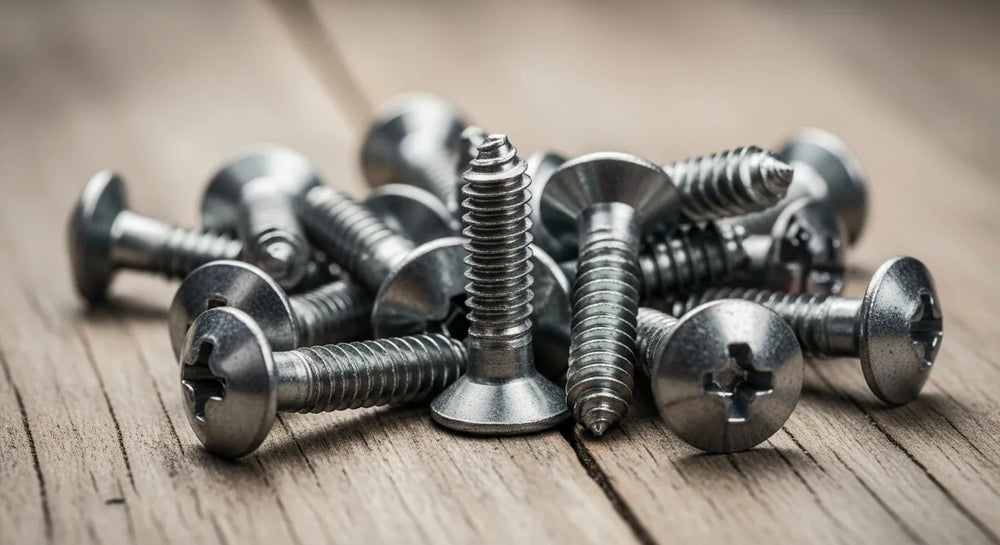
Retrieving Broken Fasteners: How to Remove a Snapped Screw from Metal
Table of Contents
- Introduction
- Understanding the Snapped Screw Challenge
- Prevention is the Best Medicine: Sourcing Smart
- Initial Attempts: When the Break is Accessible
- The Professional Approach: Specialized Tools for Stubborn Screws
- Advanced Techniques: When Standard Methods Fail
- Restoring Integrity: Thread Repair and Replacement
- Safety First: Essential Precautions
- The Maden.co Advantage in Industrial Procurement
- Conclusion
- FAQ
Introduction
Few scenarios are as frustrating in a manufacturing facility, an MRO workshop, or on a critical assembly line as confronting a snapped screw embedded in valuable metal. What initially seems like a minor inconvenience can quickly escalate into significant downtime, costly repairs, and project delays. The broken stem of a fastener, shorn of its head, becomes an immovable obstacle, mocking attempts at removal and threatening to derail carefully planned operations. But this common industrial challenge, while daunting, is far from insurmountable.
This comprehensive guide delves into the intricate world of snapped screw removal. We will explore the root causes of fastener failure, detail a systematic approach to assessing the damage, and meticulously outline various removal techniques—from basic manual methods to advanced specialized tooling and metallurgical solutions. Crucially, we will also emphasize the paramount importance of prevention, highlighting how strategic sourcing of high-quality, U.S.-made components can significantly reduce the likelihood of such frustrating occurrences. Our aim is to equip procurement managers, MRO buyers, and design engineers with the knowledge and practical strategies needed to effectively address snapped screws, minimize operational disruptions, and ultimately enhance the efficiency and resilience of their industrial processes. Understanding the right techniques and sourcing quality components from trusted partners like Maden.co can mitigate this persistent industrial headache.
Understanding the Snapped Screw Challenge
Before attempting any removal, it's critical to understand why a screw snapped and to assess the specific circumstances of the break. This foundational understanding will guide your choice of tools and techniques, maximizing your chances of success while minimizing further damage.
Why Screws Snap: Common Culprits
Screws don't just snap arbitrarily. Several factors, often in combination, contribute to this common failure mode:
- Overtorquing: Applying excessive rotational force beyond the screw's tensile strength is perhaps the most common reason. This often occurs when power tools are set too high or when manual force is applied without proper feel for the fastener's limit.
- Corrosion and Rust: Over time, exposure to moisture, chemicals, or harsh environments can cause screws to rust and seize. The corrosive action weakens the material and creates a tenacious bond with the surrounding metal, making removal difficult and prone to snapping.
- Fatigue: Repeated stress cycles (e.g., vibration, thermal expansion/contraction) can lead to material fatigue, causing the screw to weaken and eventually break, even if the applied torque is within its specified limits.
- Improper Pilot Hole: A pilot hole that is too small for the screw will increase friction and resistance during insertion, requiring excessive torque and significantly increasing the risk of snapping. Conversely, a hole that is too large reduces thread engagement, leading to stripping rather than snapping.
- Poor Quality Fasteners: Inferior materials, inconsistent manufacturing processes, or improper heat treatment can result in screws with inherent weaknesses. These fasteners are more susceptible to snapping under normal operating conditions. This is where the value of sourcing from verified U.S. manufacturers, as we champion at Maden.co, becomes profoundly apparent, ensuring robust and reliable components for your critical applications.
- Wrong Tooling or Technique: Using a worn-out screwdriver bit, an incorrectly sized wrench, or applying angled force instead of direct, perpendicular pressure can cause the tool to slip, damaging the screw head and increasing the likelihood of snapping the shank.
Assessing the Situation: Before You Act
A quick assessment can save hours of frustration and potential damage. Take a moment to evaluate the following:
- What Kind of Screw? Identify the screw's material (e.g., steel, stainless steel, brass) and thread type (e.g., machine thread, self-tapping, wood screw). This influences its hardness, ductility, and how it will respond to various removal methods.
- How Much is Exposed? Is there any portion of the screw shank protruding from the surface? Even a millimeter of exposed material can significantly alter your approach. A flush or recessed break presents a much greater challenge.
- What Metal is it In? The parent material matters. Removing a steel screw from aluminum requires a different touch than removing it from hardened steel. Softer base metals are more susceptible to damage during aggressive removal attempts.
- Is it Corroded? Visible rust or corrosion indicates a strong bond that will require penetrating oils or heat to break. The older and more corroded the screw, the more careful and patient your approach must be.
Prevention is the Best Medicine: Sourcing Smart
The most effective way to deal with snapped screws is to prevent them from snapping in the first place. This begins with a commitment to quality in your procurement strategy, prioritizing reliable fasteners that meet stringent industrial standards. At Maden.co, our mission is to democratize access to American manufacturing, ensuring that procurement managers, MRO buyers, and design engineers can readily access components that embody this commitment to quality.
High-quality U.S.-made fasteners offer superior material strength, consistent thread formation, and precise dimensions, all of which significantly reduce the risk of snapping. These components are manufactured under strict quality controls, often utilizing advanced alloys and coatings designed for specific industrial environments, such as those that might lead to corrosion or fatigue in lesser-quality alternatives.
For instance, when designing for demanding applications requiring a secure, self-tapping connection in sheet metal, consider high-quality options like the Hi-Lo Double Lead Thread Self-Tapping Sheet Metal Screw. These are designed for enhanced grip and reduced stripping, offering a more resilient connection. When standard reliable fastening is needed for general assembly, a robust Steel Zinc Plated Type A Pan Slot Drive Self-Tapping Sheet Metal Screw ensures consistent performance and reduces the likelihood of premature failure. Furthermore, for applications demanding higher torque and robust engagement, the Steel Zinc Plated Type A Truss Square Drive Self-Tapping Sheet Metal Screw offers superior drive integrity, minimizing the chances of the head stripping or the shank snapping.
Procurement managers understand that investing in superior fasteners, even if slightly more expensive upfront, yields significant savings in Total Cost of Ownership (TCO) by preventing costly downtime, labor for removal, and potential damage to equipment. For a procurement manager under pressure to source a specific component for a new production line, or an MRO buyer needing to maintain existing machinery, the ability to quickly find and procure verified, U.S.-made parts is a game-changer. We pride ourselves on connecting industrial buyers with over 2.5 million American-made products from our network of 800+ verified U.S. manufacturers. This vast selection, combined with our commitment to Digital Innovation, ensures a streamlined sourcing process.
Beyond fastener quality, proper installation techniques are crucial. Always use the correct torque settings for your fasteners, ensuring that you're neither under-tightening nor over-tightening. Use clean, correctly sized tools that properly engage the fastener head, preventing stripping. And, critically, ensure pilot holes are correctly sized for the specific screw being used. These seemingly minor details are fundamental to preventing snapped screws and maintaining the integrity of your assemblies.
Initial Attempts: When the Break is Accessible
If a portion of the screw's shank is still exposed, you have several straightforward options before resorting to more aggressive methods. These techniques rely on directly gripping or creating a new interface on the broken screw.
Pliers and Vice Grips
This is often the first line of defense when a screw has snapped with enough material protruding from the surface to be gripped.
- When to Use: Ideal for screws with 1/8 inch or more of exposed shank. The exposed portion provides a purchase point for the jaws of the tool.
-
Technique:
- Preparation: Ensure the surrounding area is clean and clear. Apply a penetrating oil if there’s any sign of rust or corrosion, allowing it to soak for at least 15-30 minutes.
- Gripping: Use a pair of locking pliers (Vice-Grips are excellent for this) and adjust the jaws to clamp firmly onto the exposed portion of the screw. The tighter the grip, the less likely the pliers are to slip and further damage the screw.
- Turning: With a secure grip, slowly and steadily try to turn the screw counter-clockwise. Apply constant, firm pressure. Avoid sudden jerking motions, which can strip the grip or snap the screw further down. If it resists, try wiggling it slightly back and forth to break any bond, then re-attempt turning.
- Tips: Sometimes, tapping the screw lightly with a hammer (after applying penetrating oil) can help loosen its bond before attempting to turn it.
Cutting a Slot
If there isn't enough material to grip with pliers, but there's still some exposed shank, you might be able to create a new drive mechanism.
- When to Use: Suitable for screws that are nearly flush with the surface or have a very small, irregular stub. You need enough material to cut a shallow, straight slot.
- Tools: A rotary tool (like a Dremel) with a thin cut-off wheel is ideal. A small hacksaw blade can also work in tight spaces, though it requires more manual effort and precision.
-
Technique:
- Preparation: Mark the intended slot line if possible. Wear appropriate eye protection and gloves.
- Cutting: Carefully use the cut-off wheel to grind a thin, straight slot into the center of the exposed screw shank. The slot should be wide enough for a flathead screwdriver blade to fit snugly. Work slowly and allow the tool to do the work; don't force it. Ensure the slot is deep enough for good engagement but not so deep as to weaken the remaining shank.
- Removal: Once a sufficient slot is created, insert a flathead screwdriver that fits the slot precisely. Apply firm, downward pressure and slowly turn the screw counter-clockwise. Again, penetrating oil can be beneficial if there's resistance.
- Caution: This method carries a risk of slipping and damaging the surrounding material. Precision and a steady hand are paramount.
The Professional Approach: Specialized Tools for Stubborn Screws
When basic methods fail, or when the screw is completely flush or recessed, specialized tools are required. These are designed to create an internal gripping mechanism or drill out the core of the fastener.
Screw Extractors (Easy-Outs)
Screw extractors, often called "easy-outs," are one of the most common and effective specialized tools for removing snapped or stripped screws. They work by drilling a pilot hole into the center of the broken screw, then using a reverse-threaded tool to bite into the screw and turn it out.
- How They Work: Most screw extractors have a tapered, left-hand spiral design. After a pilot hole is drilled into the center of the snapped screw, the extractor is driven into this hole. As it's turned counter-clockwise, its left-hand threads bite into the screw's material, wedging themselves tighter and tighter. This action simultaneously creates grip and applies counter-clockwise torque, ideally unscrewing the broken fastener.
-
Steps for Use:
- Center Punch: Use a center punch to create a divot precisely in the middle of the snapped screw. This prevents the drill bit from wandering. Accuracy here is critical; an off-center hole can compromise the parent material or make extraction impossible.
- Pilot Hole: Select a drill bit size appropriate for the screw extractor you intend to use (extractor kits provide a chart). Begin drilling a pilot hole into the center of the divot. For best results, use a left-hand drill bit. A left-hand drill bit rotates counter-clockwise, and there's a chance it might catch and unscrew the fastener before you even need the extractor. If not, it still creates the necessary pilot hole.
- Insert Extractor: Gently tap the screw extractor into the newly drilled pilot hole with a hammer. Ensure it is seated firmly.
- Turn Counter-Clockwise: Attach a tap wrench or an adjustable wrench to the square end of the extractor. Apply steady, firm counter-clockwise pressure. Turn slowly and deliberately. As the extractor bites, the screw should begin to turn out.
-
Tips:
- Lubrication: Always use penetrating oil if there’s any hint of rust. Let it soak for a considerable time.
- Pressure: Maintain constant, even pressure. If the extractor slips, you risk enlarging the hole or breaking the extractor itself (which is harder to remove than the original screw).
- Start Small: If unsure, start with a smaller extractor. You can always increase the size.
Left-Hand Drill Bits
Sometimes, a specialized drill bit is all you need.
- Functionality: Unlike standard drill bits, left-hand drill bits rotate counter-clockwise. When drilling into a snapped screw, this reverse rotation can sometimes cause the bit to catch the screw's material and, effectively, unscrew it from its housing. This often happens with less severely seized fasteners.
-
Technique:
- Pilot Hole (Optional): You might still want to center punch the screw.
- Drilling: Mount the left-hand drill bit in your drill. Start with a smaller bit than the screw's diameter. Begin drilling slowly with firm pressure.
- Observation: Pay close attention. If the drill bit catches, the screw might start to loosen and spin out. If it doesn't, you've at least created a clean pilot hole for a screw extractor.
- Benefit: This method can save you a step if successful, as it combines drilling with the potential for extraction.
Advanced Techniques: When Standard Methods Fail
When the conventional approaches fall short, more aggressive and specialized techniques are necessary. These methods often require greater skill, specialized equipment, and careful consideration of potential collateral damage.
Drilling Out the Screw
This is often considered a last resort when all other extraction methods have failed, and the screw is completely seized or broken flush with no viable purchase point. It involves sacrificing the screw and potentially repairing the threads afterward.
-
Process:
- Precision Center Punch: This step is critical. You must accurately center punch the broken screw. An off-center hole will damage the parent material and make subsequent thread repair difficult, if not impossible.
- Pilot Hole: Begin drilling a small pilot hole directly down the center of the broken screw. Use a high-quality drill bit suitable for hardened steel.
- Increase Drill Bit Size: Gradually increase the size of your drill bit, always ensuring it is slightly smaller than the minor diameter of the screw's threads. The goal is to drill away the screw's core, leaving only the very thin thread walls.
- Remove Thread Walls: Once the core is drilled out, the remaining thread walls should be thin enough to be carefully picked out with a dental pick, a small awl, or even the tip of a tap. Work carefully to avoid damaging the original threads in the parent material.
- Thread Repair (if needed): After removal, inspect the existing threads. If they are still in good condition, you may be able to simply use a tap to clean them. If damaged, a thread repair solution like a Helicoil insert might be necessary.
-
Considerations:
- Drill Press: For maximum accuracy, especially with smaller screws or critical applications, a drill press is highly recommended over a hand drill.
- Coolant: Use cutting fluid or lubricant to dissipate heat, extend drill bit life, and facilitate cutting, especially in harder metals.
- Patience: This is a slow and meticulous process. Rushing will lead to mistakes.
Heat Application
Applying heat can be an effective way to break the bond of rust or thread locker, especially for seized screws.
- How It Helps: Localized heating causes the screw to expand. Upon cooling, it contracts, which can often break the corrosive bond or loosen thread-locking compounds. The rapid heating can also burn off chemical residues.
-
Methods:
- Propane Torch: A small handheld propane torch can provide sufficient heat.
- Heat Gun: Less intense, but safer for heat-sensitive materials.
-
Technique:
- Preparation: Clear the surrounding area of any flammable materials. Protect adjacent surfaces from heat if necessary. Wear appropriate PPE, including heat-resistant gloves and eye protection.
- Apply Heat: Direct the flame or hot air onto the broken screw for a short period (e.g., 15-30 seconds). Avoid overheating, especially with sensitive materials.
- Attempt Removal: Immediately after heating, try one of the earlier removal methods (pliers, screw extractor, etc.) while the screw is still hot. The expansion and subsequent contraction will have hopefully loosened the bond. You can also try cooling the screw quickly after heating to maximize the thermal shock.
- Caution: Be aware of the parent material. Heating aluminum can significantly weaken it. Avoid heating components that contain sealed bearings, rubber seals, or other temperature-sensitive parts.
Penetrating Oils and Chemicals
These products are designed to seep into the microscopic gaps between the seized screw and the parent material, breaking down rust and lubrication.
- Function: They use low surface tension and chemical agents to dissolve rust, gum up old grease, and reduce friction.
-
Application:
- Clean Area: Clean any dirt or debris from around the broken screw.
- Apply Generously: Apply a generous amount of penetrating oil directly to the broken screw and the surrounding threads.
- Soak Time: This is crucial. Penetrating oils need time to work their magic. Allow at least 15-30 minutes, or even several hours, for deeply rusted screws. Reapply periodically.
- Attempt Removal: After soaking, attempt removal using pliers, a screw extractor, or other mechanical methods.
- Examples: Popular choices include WD-40 Specialist Penetrant, PB Blaster, and Kroil.
- Note: These are typically most effective for rust and light corrosion, less so for thread locker.
Welding a Nut
This method is highly effective for severely stripped, rusted, or flush-broken screws, but it requires welding expertise and equipment.
-
Technique:
- Select Nut: Choose a nut with an internal diameter slightly larger than the broken screw's diameter.
- Position Nut: Place the nut over the broken screw, ensuring it's centered.
- Weld: Using a MIG or TIG welder, carefully weld the inside of the nut to the exposed (or slightly recessed) surface of the broken screw. The heat from the welding process itself will help to break the screw's bond with the parent material.
- Cooling: Allow the welded assembly to cool slightly. As it cools, the weld and screw will contract, further aiding in loosening the bond.
- Remove: Once cool enough to handle, use a wrench on the welded nut to turn the screw counter-clockwise.
- Requires: Welding skills, appropriate safety gear (welding helmet, gloves), and careful execution to avoid welding the nut to the parent material.
Grinding and Filing
For very flush breaks where no other method seems viable, or to prepare a surface for drilling, grinding can be an option.
- When: To create a flat, accessible surface for a center punch and drill bit, or to create a slot if the material allows.
- Tools: An angle grinder with a thin grinding wheel, or a rotary tool with a grinding or cut-off bit.
- Technique: Carefully grind away material from the broken screw until a workable surface is achieved. This is often done to facilitate precise drilling or to create a small slot for a screwdriver.
- Caution: High risk of damaging the surrounding material. Precision is key. Always wear eye protection.
Restoring Integrity: Thread Repair and Replacement
Once the offending snapped screw has been successfully removed, the job isn't quite finished. You must assess the integrity of the original threads in the parent material. Depending on the method of removal and the extent of the damage, you may need to repair or replace the threads to ensure a secure reinstallation of a new fastener.
- Retapping for Slightly Damaged Threads: If the original threads are only lightly damaged, a simple re-tapping with a tap of the correct size can clean them up. This involves running a tap through the existing threads to clear out any debris, remaining screw fragments, or minor deformities. Always use cutting fluid during this process to ensure a clean cut and prolong tap life.
- Helicoil Inserts for Significant Damage: For threads that are significantly stripped, enlarged, or cross-threaded, a Helicoil or similar thread insert offers a robust repair solution. This process involves drilling out the damaged threads to a larger specific diameter, tapping the new, larger hole with a special tap, and then screwing in a coiled wire insert. The insert restores the hole to its original thread size, often providing a stronger connection than the original threads.
- Larger Diameter Screw: As a last resort, if thread repair isn't feasible or cost-effective, you might opt to drill out the hole to a larger diameter and use a larger screw. However, this impacts interchangeability and might require modifying the mating part, so it's generally less preferred than repairing the original threads.
Regardless of the repair method, having reliable access to a wide range of U.S.-made fasteners helps ensure that once the damaged screw is removed, the correct replacement, or even a suitable alternative for a repaired thread, can be quickly sourced. Finding the exact match or an appropriate alternative is streamlined through our expansive catalog of over 2.5 million American-made products from 800+ verified U.S. manufacturers. Our platform empowers MRO buyers and design engineers to quickly find DIN-compliant or custom-spec components. Learn more about our mission to democratize access to American manufacturing, enhance supply chain resilience, and champion Industrial Excellence here.
Safety First: Essential Precautions
Working with broken fasteners, especially in metal, can be hazardous. Always prioritize safety to prevent injury and further damage.
-
Personal Protective Equipment (PPE):
- Eye Protection: Always wear safety glasses or goggles. Flying metal shards, drill bits, and abrasive dust are significant hazards.
- Gloves: Wear appropriate work gloves to protect your hands from sharp edges, heat, and chemicals.
- Hearing Protection: If using loud tools like grinders or impact drivers, wear ear protection.
- Workpiece Security: Ensure the part or assembly you're working on is securely clamped in a vise or otherwise stabilized. A shifting workpiece can lead to slips, injuries, or damage.
- Ventilation: If using chemicals (penetrating oils, solvents) or generating fumes (welding, heating), ensure adequate ventilation in the workspace.
- Right Tool for the Job: Using the incorrect tool can damage the screw, the workpiece, or lead to injury. Always select tools that are designed for the specific task and screw size.
- Power Tool Safety: Disconnect power tools when changing bits or attachments. Ensure proper guards are in place on grinders and rotary tools.
The Maden.co Advantage in Industrial Procurement
The challenge of removing a snapped screw underscores the critical importance of a robust and reliable supply chain for industrial components. At Maden.co, we understand these real-world problems faced by procurement managers, MRO buyers, and design engineers. Our platform is specifically engineered to address these needs by offering unparalleled access to American-made products, simplifying the procurement process, and enhancing operational resilience.
- Supply Chain Resilience: Minimizing downtime after a snapped screw incident often hinges on the ability to quickly source high-quality replacement parts. Our vast network of verified U.S. manufacturers means that essential components are readily available, reducing lead times and ensuring your operations get back online faster. This directly contributes to a more resilient supply chain, less vulnerable to global disruptions.
- Total Cost of Ownership (TCO): While the immediate cost of a fastener might seem small, the true TCO includes the labor for installation, the cost of potential failure (like a snapped screw), and the expense of removal and repair. By investing in the superior quality and precision of U.S.-made fasteners available on Maden.co, businesses can proactively avoid future issues and their associated costly repairs, thereby significantly reducing TCO.
- Digital Innovation: We believe in transforming the complex industrial procurement landscape through digital solutions. Our intuitive platform simplifies the search, comparison, and purchase of hard-to-find components, embodying our commitment to Digital Innovation. This means less time wasted on searching and more time focused on critical projects.
- Customer Empowerment: We empower our customers by providing transparent access to detailed product specifications and supplier information. For capital-intensive projects or large-volume purchases required to quickly resolve an MRO issue, our "Instant Financing" option, available at checkout, provides a strategic tool for managing cash flow effectively. This allows businesses to make necessary purchases without delay, enhancing project continuity.
- American Manufacturing Pride: Our entire business model is built on strengthening the domestic manufacturing base. We believe that American-made components are as accessible and convenient as any global alternative, and our platform is driving this manufacturing revival. When you source through Maden.co, you're not just buying a part; you're investing in quality, reliability, and the future of U.S. industry.
Our commitment at Maden.co is to empower procurement managers, MRO buyers, and design engineers by offering unparalleled access to a vast network of American-made products, driving the manufacturing revival with our tagline: "America's manufacturing revival is here." An MRO buyer needs to quickly replace a critical fastener after an extraction project to minimize equipment downtime. Maden.co provides immediate access to U.S.-made parts, backed by our core value of Industrial Excellence. You can start exploring our extensive catalog of U.S.-made components by visiting our homepage. If you have specific sourcing questions, our team is ready to help; feel free to contact us.
Conclusion
The challenge of a snapped screw in metal is an inevitable part of industrial operations, but it need not be a crippling one. By understanding the causes, systematically assessing the damage, and employing the right tools and techniques, procurement teams and maintenance personnel can effectively mitigate the disruption. From basic pliers to advanced welding, each method offers a pathway to resolution, emphasizing patience, precision, and safety above all else.
Crucially, the most effective strategy against snapped screws begins long before one ever breaks: it lies in prevention through quality sourcing. By prioritizing high-grade, U.S.-made fasteners, businesses can significantly reduce the likelihood of such failures, improving operational efficiency and reinforcing supply chain resilience. At Maden.co, we stand as your strategic partner in this endeavor, providing unparalleled access to over 2.5 million American-made industrial products from verified manufacturers.
We invite you to explore our comprehensive catalog and discover the quality, reliability, and precision that define American manufacturing. Don't let a snapped screw become a prolonged bottleneck. Leverage our platform to quickly find the components you need to get your operations back on track, and remember, you can apply for Instant Financing at checkout to streamline your capital-intensive projects. Join us in building a more robust domestic supply chain. Are you a qualified U.S. manufacturer? We encourage you to register as a vendor and be a part of America's manufacturing revival.
FAQ
Q1: What are the most common reasons screws snap in metal? A1: Screws most commonly snap due to overtorquing (applying too much force), corrosion or rust seizing the threads, material fatigue from repeated stress, using an improperly sized pilot hole, or utilizing low-quality fasteners with inherent material weaknesses. Using worn or incorrect tools can also contribute to the problem.
Q2: Can I use a regular drill bit with a screw extractor? A2: While you can use a regular (right-hand twist) drill bit to create the pilot hole for a screw extractor, it's often more effective to use a left-hand drill bit. A left-hand drill bit rotates counter-clockwise and can sometimes catch the broken screw and unthread it on its own, eliminating the need for the extractor entirely. If it doesn't, it still provides a perfectly centered hole for the extractor.
Q3: When should I consider using heat to remove a snapped screw? A3: Heat application is particularly useful for screws that are severely rusted, corroded, or secured with thread-locking compounds. The thermal expansion and contraction caused by heating and subsequent cooling can break the bond of rust or loosen the thread locker, making the screw easier to remove with other methods like pliers or an extractor. Always exercise caution, protect surrounding materials, and wear appropriate safety gear when using heat.
Q4: How can Maden.co help me prevent snapped screws and streamline my procurement process? A4: Maden.co helps prevent snapped screws by providing access to over 2.5 million high-quality, American-made industrial products from 800+ verified U.S. manufacturers. Sourcing through our platform ensures you're procuring fasteners with superior material strength and consistent manufacturing, significantly reducing the risk of failure. Additionally, our digital platform streamlines the procurement process, offering easy access to detailed product specifications, enhancing supply chain transparency, and providing features like Instant Financing at checkout to ensure you can acquire critical components efficiently and cost-effectively, minimizing downtime and improving your Total Cost of Ownership.


