
Screwing into Composite Wood: Best Practices for Durability
Table of Contents
- Understanding Composite Wood: Composition and Characteristics
- The Science of Secure Fastening in Composites
- Choosing the Right Screws for Composite Wood
- Mastering Installation Techniques
- Common Applications and Specific Fastener Needs
- Ensuring Long-Term Performance and Aesthetics
- Procurement Strategies for Composite Wood Fasteners
- Conclusion
- FAQ
The construction and manufacturing industries are constantly seeking materials that offer enhanced durability, reduced maintenance, and superior performance. Composite wood, an engineered material that combines wood fibers with plastic polymers, has emerged as a cornerstone in this quest. From high-traffic decking and resilient fencing to sophisticated outdoor furniture and industrial components, composite wood offers remarkable benefits. Yet, the very properties that make it advantageous — its density, unique thermal expansion, and sometimes slicker surface — present specific challenges when it comes to fastening. Using the wrong screw or an improper technique can lead to stripped holes, compromised structural integrity, and unsightly cosmetic damage, ultimately undermining the investment in this advanced material.
For procurement managers overseeing large-scale projects, MRO buyers sourcing replacement parts, or design engineers specifying materials for innovative products, understanding the nuances of fastening into composite wood is not just a technical detail; it's a critical element of project success and Total Cost of Ownership (TCO). This comprehensive guide delves into the specific characteristics of composite wood, illuminates why traditional fastening methods often fall short, and outlines the precise techniques and specialized fasteners required for secure, long-lasting connections. We will explore everything from screw material and thread design to installation best practices, ensuring your projects achieve both structural integrity and aesthetic excellence. By the end, you'll have a clear roadmap to confidently specify and apply fasteners for composite wood, backed by the reliability of U.S.-made components available on Maden.co, America's premier B2B marketplace for industrial supply.
Understanding Composite Wood: Composition and Characteristics
Composite wood, often referred to as wood-plastic composite (WPC), is a hybrid material created by combining finely ground wood particles (sawdust, wood flour, or wood chips) with heated thermoplastic resins (such as polyethylene, polypropylene, or PVC). This mixture is then extruded or molded into various profiles, resulting in a product that inherits beneficial properties from both its constituents.
What is Composite Wood?
At its core, composite wood aims to mitigate the drawbacks of natural wood while retaining its aesthetic appeal. The plastic component provides resistance to moisture, rot, insect infestation, and splintering, common issues that plague traditional lumber. The wood fibers, on the other hand, lend stiffness, reduce the plastic-like feel, and contribute to a more natural appearance. Modern composites can also include recycled plastics and wood, making them an environmentally conscious choice. The exact ratio of wood to plastic, along with additives like UV stabilizers, pigments, and coupling agents, determines the composite's specific performance characteristics, including its density, strength, and thermal properties.
Key Properties Affecting Fastening
The unique composition of composite wood dictates specific considerations for fastening:
- Density and Consistency: Composites are often denser and more consistent in density than natural wood, which can vary significantly due to grain patterns, knots, and moisture content. This consistency can be beneficial but also means the material is less forgiving of improper screw insertion, potentially leading to immediate stripping if the pilot hole is incorrect or torque is too high.
- Thermal Expansion and Contraction: Unlike natural wood, which primarily expands and contracts across its grain due to moisture, composite wood is more susceptible to thermal expansion and contraction along its length. The plastic component reacts more significantly to temperature fluctuations. This movement, if not accommodated by the fasteners, can cause screws to loosen, shear, or "pop" out of the material, leading to cosmetic issues and structural failure over time.
- Surface Hardness and Frictional Properties: The plastic content can give composite wood a smoother, sometimes slicker surface compared to natural wood. While beneficial for aesthetics and ease of cleaning, this can affect initial screw bite and withdrawal resistance if threads are not optimized. The relatively hard surface also means that fasteners need to be precisely driven to avoid damaging the surrounding material.
- Lack of Grain: The homogeneous nature of composite wood means it lacks the distinct grain structure of natural wood. While this eliminates concerns about splitting along the grain, it also means there are no wood fibers to "grab" and hold the screw in the same way. The holding power comes almost entirely from the thread engagement with the composite material itself.
Challenges with Traditional Fasteners
Using standard wood screws or deck screws designed for natural lumber often leads to a host of problems when applied to composite wood:
- Stripping: The high density and consistent nature of composite materials can cause standard screws to strip out their pilot holes if overtightened or if the thread design isn't aggressive enough.
- Splitting (Less Common, but Possible): While less prone to splitting than natural wood, certain high-density composites can still crack or split if a screw is driven too close to an edge or without an adequate pilot hole, especially with non-tapered screw designs.
- "Mushrooming" or "Volcanoing": As a standard screw head pushes into the composite surface, it can displace material upwards around the screw head, creating an unsightly "mushroom" or "volcano" effect. This is particularly prevalent with countersunk heads not designed for composites.
- Head Shearing: The combination of composite density and high driving torque can cause the heads of weaker screws to shear off, leaving the shank embedded in the material.
- "Screw Pop": This is perhaps the most common and frustrating issue. Due to the thermal expansion and contraction of composite wood, screws that don't allow for material movement can gradually pull out of the board, leaving exposed screw heads and creating tripping hazards or an uneven surface. This is a direct result of the composite expanding and contracting around a rigidly fixed screw.
- Corrosion and Staining: Many traditional fasteners, especially those not specifically designed for outdoor exposure, lack sufficient corrosion resistance. This can lead to rust stains on the composite surface, which can be difficult to remove and detract significantly from the material's aesthetic.
Understanding these challenges highlights the necessity of a specialized approach to fastener selection and installation when working with composite wood. It’s not just about getting the screw in; it’s about ensuring a secure, durable, and aesthetically pleasing connection that withstands the unique demands of the material and its environment.
The Science of Secure Fastening in Composites
Achieving a truly secure and lasting connection in composite wood goes beyond simply driving a screw. It involves understanding the intricate interplay between the composite material, the fastener's design, and the environment.
Why Standard Wood Screws Often Fail
Standard wood screws are engineered to penetrate and grip natural wood fibers. Their threads are typically designed to create a strong purchase in the softer, fibrous structure of lumber. However, composite wood presents a fundamentally different substrate.
- Thread Pitch and Depth: Standard wood screws often have a coarser thread pitch that, while effective in wood, can over-aggressively strip the plastic-wood matrix of composites, leading to poor pull-out resistance. The threads might also not be deep enough to establish a secure hold in the denser, more uniform composite material.
- Shank Design: Many wood screws have a continuous thread from tip to head or a very short unthreaded shank. For composite wood, an unthreaded section near the head can be crucial to allow for the board's movement without stripping the threads deeper in the material.
- Head Geometry: The underside of a standard countersunk wood screw head is designed to cut into wood fibers. When used in composite, this design can lead to "mushrooming" or "volcanoing" as the screw head displaces the denser material instead of cleanly seating.
Material Expansion and Contraction
The thermal movement of composite wood is arguably the single most critical factor differentiating its fastening requirements from natural wood. As temperatures fluctuate, composite boards will expand and contract. If fasteners are too rigidly fixed and don't allow for this movement, immense stress builds up. This stress is then transferred to the screw, leading to:
- Shearing of the Fastener: The constant back-and-forth stress can eventually fatigue and shear the screw shank.
- Screw Pop: The board literally pushes against the screw head as it expands, and as it contracts, it pulls on the screw. If the threads cannot hold against this constant stress, the screw will gradually back out, or "pop."
- Material Damage: In extreme cases, the expansion and contraction can cause localized damage to the composite material around the screw hole, weakening the entire connection.
Specialized composite screws address this by incorporating features like:
- Aggressive, yet Non-Stripping Threads: Designed to create a strong, clean bite without over-boring the material.
- Under-Head Cutters/Nibs: These features on the underside of the screw head are designed to cleanly cut or ream a pocket for the head, preventing mushrooming.
- Specific Shank Designs: Some composite screws feature a smooth upper shank or a reverse thread just below the head to allow the board to expand and contract over the shank without putting direct outward pressure on the screw threads.
The Role of Fastener Material (Stainless Steel, Brass, Silicon Bronze)
The choice of fastener material is paramount, especially for outdoor or high-moisture applications where composite wood is commonly used. Corrosion can lead to structural failure, aesthetic damage (staining), and overall degradation of the connection.
- Stainless Steel: Highly corrosion-resistant, particularly 305 or 316 grade stainless steel, which is ideal for exterior applications, marine environments, or areas exposed to chemicals. Stainless steel screws are strong and durable, offering excellent longevity.
- Brass: Offers good corrosion resistance, particularly in certain environments, and provides an attractive aesthetic finish that can complement many composite wood colors. Brass screws, such as a round slot drive brass wood screw, are often chosen where a subtle, decorative, and durable finish is desired alongside reliable fastening in softer composites or for non-structural accents. For a different head style with similar material benefits, a flat slot drive brass wood screw can also be an excellent choice for flush installations.
- Silicon Bronze: An alloy of copper, silicon, and sometimes other elements, silicon bronze offers superior corrosion resistance compared to brass, making it excellent for marine and harsh outdoor environments. It also boasts significant strength. An oval slot drive silicon bronze wood screw, for instance, provides exceptional durability and a classic aesthetic in challenging applications where both strength and extreme weather resistance are critical.
- Coated Steel: While less expensive, coated steel screws (e.g., ceramic-coated, polymer-coated) offer varying degrees of corrosion resistance. It's crucial to select coatings specifically rated for exterior or ACQ (Alkaline Copper Quaternary) treated lumber, as some coatings can react with the chemicals in composite wood or fail prematurely in harsh conditions. For projects demanding maximum longevity and minimal maintenance, solid corrosion-resistant materials are often preferred.
By strategically selecting fasteners with appropriate material composition and design features that account for composite wood's thermal movement and density, we can ensure connections that are not only initially strong but remain robust and aesthetically pleasing for the long haul.
Choosing the Right Screws for Composite Wood
Selecting the optimal screw for composite wood involves a careful evaluation of several design elements, material properties, and application requirements. This decision directly impacts the longevity, safety, and aesthetics of your project.
Specialized Composite Deck Screws
The market has responded to the unique challenges of composite materials by developing specialized "composite deck screws." These fasteners are engineered from the ground up to address the issues of stripping, mushrooming, and screw pop. Key features often include:
- Aggressive Threads: Designed to provide superior grip in the dense, consistent material without over-driving or stripping the hole.
- Reverse Threads or Unthreaded Shanks: Located just below the screw head, these features allow the composite board to expand and contract along the shank without pushing the screw head out. The reverse threads essentially clear a path, reducing friction and stress.
- Self-Countersinking Heads with Cutting Nibs: These heads are designed to cleanly cut or ream a pocket into the composite surface, preventing mushrooming and ensuring a flush or slightly countersunk finish.
- Corrosion Resistance: Typically manufactured from stainless steel or coated steel with advanced corrosion-resistant finishes suitable for outdoor exposure.
Thread Design: Coarse vs. Fine, Aggressive Threads
The thread design is critical for achieving optimal pull-out resistance without damaging the composite material.
- Coarse Threads: Generally preferred for composite wood as they provide a deeper bite and greater holding power in the dense material. However, overly coarse or sharp threads can sometimes strip the pilot hole if not carefully managed.
- Aggressive, but Smoothly Designed Threads: Modern composite screws often feature specially designed aggressive threads that penetrate cleanly and create a strong mechanical lock without excessively tearing the composite matrix. Some designs include serrated threads or auger tips to facilitate easier driving and reduce splitting.
Head Styles: Bugle, Trim, Undercut
The screw head style impacts both installation and the final aesthetic.
- Bugle Head: This conical shape, often found on drywall screws, is excellent for spreading the load and seating flush. Specialized bugle heads for composites incorporate cutting ribs or nibs on the underside to prevent mushrooming.
- Trim Head: A smaller, slender head designed for a less conspicuous finish. Trim head composite screws often have self-countersinking features and are ideal for applications where a discreet fastener is preferred.
- Undercut/Reamer Heads: These heads have specific features (like ribs or an undercut section) beneath the head that act as reamers, effectively counterboring the composite material as the screw is driven. This ensures a clean, flush finish without mushrooming.
Material Considerations: Corrosion Resistance (Brass, Silicon Bronze)
Beyond thread and head design, the material of the fastener itself is non-negotiable for composite wood, particularly in outdoor environments.
- Brass Screws: For specific applications where aesthetics and moderate corrosion resistance are key, brass screws are an excellent choice. Our round slot drive brass wood screw offers a traditional look with good durability, often specified for decorative elements or in less aggressive outdoor settings. Similarly, the flat slot drive brass wood screw provides a flush finish with the appealing characteristics of brass. While brass is durable, for extreme conditions, other alloys might be necessary.
- Silicon Bronze Screws: When faced with demanding environments, such as marine applications or areas with high salt spray and humidity, silicon bronze offers superior performance. Its exceptional corrosion resistance and strength make it a top-tier choice for maximum longevity. An oval slot drive silicon bronze wood screw delivers robust fastening with a classic, high-end appearance, ensuring that the structural integrity and visual appeal of your composite wood project remain uncompromised for decades.
- Stainless Steel Screws: Often considered the workhorse for outdoor applications, stainless steel (especially grades 305 or 316) provides excellent corrosion resistance against rust and staining, making it a reliable choice for composite decking and other exterior structures.
For procurement managers and design engineers, making an informed decision about fastener material ensures compliance with industry standards and longevity, ultimately reducing callbacks and replacement costs. It's about choosing the right material for the job, rather than just the cheapest option.
The Importance of American-Made Quality
When sourcing fasteners for composite wood, the origin and quality of the components are critical. At Maden.co, our mission is to democratize access to American manufacturing, providing unparalleled quality and reliability. Sourcing U.S.-made fasteners, like those found through our extensive network, offers distinct advantages:
- Consistent Quality: American manufacturers adhere to stringent quality control standards, resulting in fasteners with precise dimensions, consistent material properties, and reliable performance. This minimizes defects and ensures that each screw performs as expected.
- Supply Chain Transparency: Knowing exactly where your fasteners come from enhances supply chain transparency, a core value at Maden.co. This allows for better tracking, quality assurance, and ethical sourcing.
- Industrial Excellence: U.S. manufacturing champions innovation and industrial excellence, often leading to fasteners with superior designs tailored for challenging materials like composite wood, offering features that surpass generic alternatives.
- Reduced Lead Times and Supply Chain Resilience: Sourcing domestically reduces reliance on complex global logistics, translating into shorter lead times and a more resilient supply chain. This is invaluable for MRO buyers needing critical components quickly or procurement managers adhering to tight project schedules.
- Support for American Manufacturing: Every purchase of an American-made product contributes to the growth and vitality of the U.S. industrial base, aligning with our vision to drive the manufacturing revival. You can learn more about our commitment to this mission on our About Us page.
We connect industrial buyers with over 2.5 million American-made products from our network of 800+ verified U.S. manufacturers, ensuring that you have access to the highest quality components for your most demanding projects.
Mastering Installation Techniques
Even the best-designed screws require proper installation to perform optimally in composite wood. Incorrect techniques can negate the benefits of specialized fasteners and lead to premature failure.
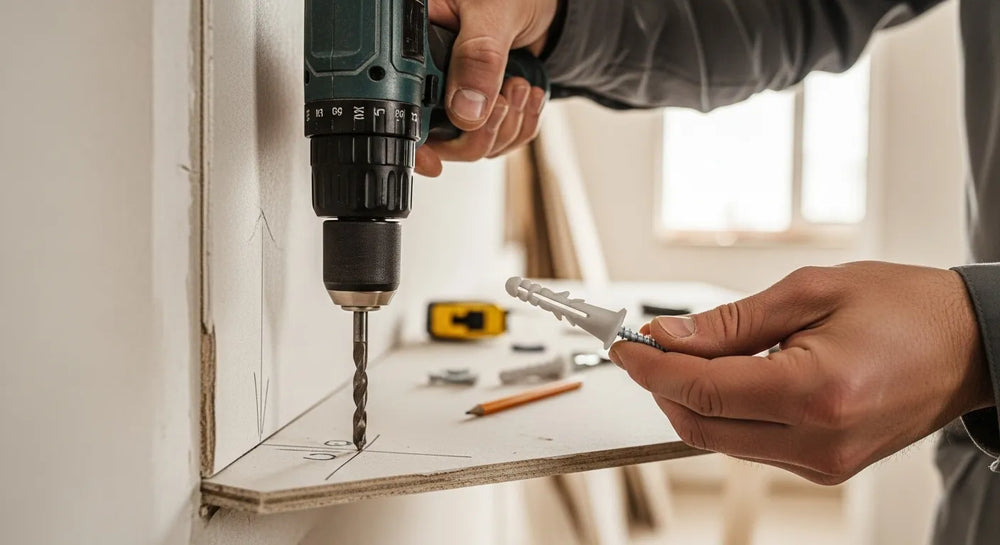
The Necessity of Pilot Holes and Countersinking
Unlike some natural woods where screws can often be driven directly, pilot holes are almost always a necessity for composite wood.
- Preventing Splitting and Cracking: Despite their homogeneity, dense composites can still crack, especially near edges, if a screw is forced into them without a pilot hole.
- Ensuring Clean Engagement: A pilot hole ensures the screw threads can cleanly engage the material without stripping the core or creating excessive friction.
- Pre-drilling for Accuracy: It guides the screw accurately, preventing it from wandering and ensuring a consistent finish.
The size of the pilot hole is crucial and often specified by the composite board manufacturer or fastener supplier. Generally, the pilot hole should be slightly smaller than the minor (core) diameter of the screw threads.
Countersinking: For screws with heads designed to sit flush or slightly below the surface, proper countersinking is vital to prevent mushrooming. Many specialized composite screws have self-countersinking features, but in some cases, a separate countersink bit may be necessary, especially for non-specialized fasteners or extremely dense composites. The countersink should be just deep enough to allow the screw head to sit flush without creating a significant divot or stressing the material excessively.
Driving Speed and Torque Control
Using the correct driver and controlling its speed and torque are paramount.
- Variable Speed Drill/Driver: A variable-speed drill or impact driver is essential. Start with a slower speed to allow the screw to seat properly and prevent over-driving.
- Adjustable Clutch/Torque Settings: Modern drivers typically have adjustable clutch settings. Start with a lower torque setting and gradually increase it until the screw is properly seated without stripping the head or the hole. Over-tightening is a common culprit for stripped holes and compromised connections in composite wood.
- Consistent Pressure: Apply steady, downward pressure while driving to maintain full contact with the screw head and prevent cam-out.
Avoiding Over-Tightening and Stripping
Over-tightening is the primary cause of stripped holes and screw pop in composite wood. The plastic content in composites means that once threads are stripped, they lose almost all holding power, and it's difficult to regain it without moving the screw or using a larger diameter.
- Visual Cues: Stop driving as soon as the screw head is flush with or slightly below the surface (depending on the desired finish). Avoid the temptation to give it "one more turn."
- Depth Setter Bits: For large projects, depth setter bits can be invaluable. These specialized driver bits automatically stop the screw at a preset depth, ensuring consistent, flush finishes without over-driving.
Edge Distance and Spacing
Careful planning of screw placement is necessary to prevent splitting and ensure adequate material around each fastener.
- Edge Distance: Always adhere to the composite board manufacturer's recommendations for minimum edge distance. Driving screws too close to the edge can cause cracking or bulging, especially when the board undergoes thermal expansion.
- Spacing: Consistent spacing ensures even load distribution and aesthetic appeal. Follow manufacturer guidelines for recommended fastener intervals. For decking, this often means two screws per joist for each board.
By adhering to these installation best practices, you ensure that even the most advanced composite fasteners deliver their full potential, resulting in projects that are not only structurally sound but also maintain their pristine appearance for years to come.
Common Applications and Specific Fastener Needs
The versatility of composite wood means it's employed across a wide array of applications, each presenting slightly different fastening requirements.
Decking and Outdoor Structures
Composite decking is arguably the most prevalent application for composite wood. The fasteners here face significant challenges: constant exposure to UV radiation, moisture, temperature fluctuations, and heavy foot traffic.
-
Key Needs:
- Extreme Corrosion Resistance: Stainless steel (305/316 grade) or heavily coated screws are essential to prevent rust stains and maintain structural integrity.
- Thermal Movement Accommodation: Screws designed to allow for board expansion and contraction are critical to prevent "screw pop."
- Clean Finish: Self-countersinking heads or dedicated trim heads prevent mushrooming and ensure a smooth, splinter-free surface.
- Strong Pull-Out Resistance: Aggressive threads that grip firmly in dense composite.
- Examples: Specialized composite deck screws, often with color-matched heads, are explicitly designed for this. Hidden fastening systems are also popular, utilizing clips or specialized grooves to eliminate visible fasteners entirely, though this often requires specific composite board profiles.
Fencing and Railings
Composite wood fencing and railing systems offer durability and low maintenance for perimeters and elevated platforms. These applications require fasteners that can withstand lateral forces, wind loads, and continuous environmental exposure.
-
Key Needs:
- Structural Strength: Fasteners must be robust enough to handle shear and pull-out forces, especially in wind-prone areas.
- Corrosion Resistance: Similar to decking, exterior-grade, corrosion-resistant materials are non-negotiable.
- Aesthetics: For visible applications like railings, discreet or color-matched fasteners are often preferred.
- Examples: Longer composite screws, often with structural ratings, or lag screws for attaching posts and larger railing components. For decorative caps or trim where a traditional look is desired, a reliable round slot drive brass wood screw can offer both function and form, provided the environment isn't excessively harsh.
Indoor Furniture and Fixtures
While less common than outdoor use, composite wood is also employed in indoor furniture, cabinetry, and fixtures, especially where moisture resistance or specific aesthetic properties are desired. Here, the environmental stresses are reduced, but a clean finish and secure hold remain paramount.
-
Key Needs:
- Clean, Flush Finish: Aesthetics are often a primary concern, demanding screws that sit perfectly flush or are easily concealed.
- Moderate Hold: While not facing thermal movement extremes, a reliable hold is still necessary for structural integrity.
- Material Compatibility: Ensuring fasteners don't react with the composite's plasticizers over time.
- Examples: Trim head screws, often in zinc-plated or stainless steel, for subtle appearance. For applications requiring a classic touch and robust, flush seating, the flat slot drive brass wood screw can be an excellent choice for a refined look and reliable hold in suitable indoor composite applications.
Specialty Applications (Marine, etc.)
Composite wood's moisture and rot resistance make it suitable for marine environments, dock construction, and other highly demanding applications.
-
Key Needs:
- Superior Corrosion Resistance: Only the highest grades of stainless steel (316) or silicon bronze are acceptable due to constant exposure to saltwater and corrosive elements.
- Extreme Durability: Fasteners must withstand constant movement, impact, and significant structural loads.
- Long-Term Reliability: Replacement in these environments can be costly and difficult, so fasteners must be designed for decades of service.
- Examples: Specialized marine-grade screws, often with robust thread designs and head styles. For projects in these challenging conditions, an oval slot drive silicon bronze wood screw would be an exemplary choice, offering unmatched resistance to saltwater corrosion and substantial strength, ensuring the integrity of critical marine structures.
Understanding these varied needs allows procurement managers to specify the precise fastener characteristics required for each project, ensuring optimal performance and cost-effectiveness.
Ensuring Long-Term Performance and Aesthetics
The true value of composite wood lies in its promise of longevity and low maintenance. However, this promise is only fully realized when fasteners are selected and installed correctly, contributing to both structural integrity and lasting aesthetics.
Maintenance and Inspection
While composite wood is known for being low maintenance, the fasteners securing it still require periodic inspection.
- Regular Checks: Conduct visual inspections annually, especially for outdoor applications, to check for any signs of "screw pop," corrosion, or loose fasteners.
- Tightening Loose Screws: If a screw appears loose, gently tighten it. If it spins freely (indicating a stripped hole), consider moving it slightly to the side, using a larger diameter screw, or employing a specialized repair plug system.
- Cleaning: Ensure fasteners are free from debris, dirt, or organic growth that could trap moisture and accelerate corrosion.
Preventing Fading and Staining
The aesthetic appeal of composite wood can be diminished by fastener issues.
- Rust Stains: The most common aesthetic problem is rust staining from incompatible or poorly coated fasteners. This is why choosing stainless steel, brass, or silicon bronze for outdoor applications is critical. Once rust stains appear, they can be difficult or impossible to remove entirely from the composite surface.
- Mushrooming/Volcanoing: As discussed, improper countersinking or screw head design leads to unsightly raised material around the screw head. This can also trap dirt and moisture.
- "Screw Pop" Issues: Beyond the structural implications, popped screws are a major aesthetic flaw, creating an uneven surface that detracts from the composite's clean lines.
By focusing on high-quality, corrosion-resistant fasteners and precise installation, these aesthetic compromises can be largely avoided, preserving the intended look of the composite material for years.
Structural Integrity
The ultimate goal of proper fastening is to ensure the long-term structural integrity of the composite wood application.
- Load Bearing: Correctly installed fasteners distribute loads effectively, preventing stress concentrations that could lead to material fatigue or failure.
- Resistance to Environmental Stress: Fasteners that accommodate thermal movement and resist corrosion ensure that the structure can withstand the rigors of weather, temperature changes, and usage over time.
- Safety: In applications like decking and railings, secure fasteners are paramount for user safety, preventing catastrophic failures or hazardous loose components.
For design engineers and procurement professionals, ensuring the use of fasteners that meet or exceed project specifications is not just about material cost, but about mitigating risk, ensuring safety, and upholding the reputation for quality and durability. This commitment to industrial excellence and customer empowerment is at the core of Maden.co’s values.
Procurement Strategies for Composite Wood Fasteners
Sourcing the right fasteners for composite wood projects is a strategic decision that impacts project timelines, costs, and long-term performance. Efficient procurement is about more than just finding a part; it's about building a reliable supply chain.
The Value of Sourcing Verified, U.S.-Made Components
In today's complex supply chain landscape, the origin and quality of industrial components matter more than ever. When you source through Maden.co, you gain access to a curated marketplace dedicated exclusively to U.S.-manufactured products.
- Quality Assurance: Our network comprises over 800+ verified U.S. manufacturers who adhere to stringent quality standards, ensuring you receive fasteners that meet precise specifications and perform reliably. This is a testament to our core value of American Manufacturing Pride.
- Supply Chain Resilience: By choosing American-made, you reduce reliance on unpredictable international shipping, mitigating risks associated with geopolitical events, customs delays, and fluctuating freight costs. This enhances your supply chain resilience, a critical concern for any MRO buyer or procurement manager.
- Compliance and Certifications: U.S. manufacturers often provide clearer documentation and certifications, simplifying compliance with industry standards and regulatory requirements.
- Technical Support: Direct access to U.S.-based manufacturers and our expert support team means faster, more effective technical assistance for any specific fastener challenges.
- Driving Innovation: Supporting U.S. manufacturing fosters continued innovation in fastener design and material science, ensuring that you have access to cutting-edge solutions for new composite materials and applications. This aligns with our commitment to Digital Innovation in the industrial sector.
Whether you need a specialized round slot drive brass wood screw for a heritage restoration, a flat slot drive brass wood screw for modern furniture, or an oval slot drive silicon bronze wood screw for harsh marine conditions, our platform makes it easy to find exactly what you need, with the confidence that it's made to the highest standards.
Streamlining Your Supply Chain with Maden.co
Maden.co is engineered to drastically reduce procurement friction and empower industrial buyers.
- Vast Catalog: We offer an expansive catalog of over 2.5 million American-made products, making it easier than ever to find the exact fasteners, materials, and components your project demands. This eliminates the time-consuming process of vetting multiple suppliers.
- User-Friendly Platform: Our digital-first approach simplifies the search, selection, and purchasing process, allowing procurement professionals to quickly identify and acquire even hard-to-find U.S.-made components.
- Consolidated Sourcing: Instead of managing numerous vendor relationships, Maden.co provides a single, trusted source for a wide range of industrial supplies, simplifying vendor management and optimizing purchasing workflows.
- Expert Assistance: If you have specific sourcing questions, our team is ready to help you navigate our extensive catalog and connect you with the right manufacturers. Feel free to contact us for personalized support.
Are you a qualified U.S. manufacturer producing specialized fasteners or other industrial components? We invite you to expand your reach and join the American manufacturing revival. Register as a vendor on Maden.co and connect with thousands of industrial buyers seeking high-quality, American-made products.
Leveraging Instant Financing for Large Orders
Strategic procurement often involves managing cash flow while ensuring access to necessary materials, especially for capital-intensive projects. Maden.co addresses this challenge with our "Instant Financing" option.
- Enhanced Cash Flow Management: Instant Financing allows procurement managers and business owners to make larger-volume purchases without immediately impacting operational capital. This means you can secure the best prices on bulk orders or fulfill unexpected demands without straining your budget.
- Flexibility for Project Timelines: By separating payment from acquisition, businesses gain greater flexibility to align material purchases with project schedules and payment cycles.
- Simplified Access to Capital: The application process is streamlined, available directly at checkout, making it a convenient tool for immediate financial support for your projects. There's no need for lengthy external loan applications; the solution is integrated into your procurement workflow.
This feature is designed as a strategic tool to empower businesses to maintain robust inventory levels and execute projects seamlessly, ensuring America's manufacturing revival is supported by agile financial solutions. You can apply for Instant Financing at checkout to streamline your capital-intensive projects.
Conclusion
Screwing into composite wood requires a precise understanding of the material's unique properties and a deliberate approach to fastener selection and installation. While composite wood offers unparalleled durability and aesthetic advantages, neglecting these critical details can lead to compromised structural integrity, unsightly damage, and costly rework. From selecting corrosion-resistant alloys like brass or silicon bronze to employing specialized thread designs and mastering proper driving techniques, every step plays a vital role in achieving a lasting and reliable connection.
For procurement managers, MRO buyers, and design engineers, the choice to source high-quality, American-made fasteners is not merely a preference; it is a strategic investment in supply chain resilience, product performance, and national industrial strength. At Maden.co, we are committed to providing seamless access to the finest U.S.-manufactured components, empowering businesses to build stronger, more reliable projects.
Don't let fastener selection be the weak link in your composite wood applications. Explore the extensive catalog of American-made industrial supplies on Maden.co today. Discover the perfect fasteners for your next project, leverage the convenience of Instant Financing at checkout, and join us in driving America's manufacturing revival.
FAQ
Q1: What makes composite wood harder to screw into than natural wood?
A1: Composite wood is denser and more uniform in composition than natural wood, lacking distinct grain lines. Its plastic content makes it less forgiving, prone to stripping if pilot holes are incorrect or if over-tightened, and susceptible to issues like "mushrooming" or "screw pop" due to thermal expansion.
Q2: Do I always need to drill pilot holes in composite wood?
A2: Yes, it is almost always recommended to drill pilot holes when screwing into composite wood. This prevents splitting, ensures proper thread engagement, guides the screw accurately, and helps prevent damage to the composite material, especially near edges. The size of the pilot hole should match the screw's core diameter.
Q3: Why are specialized composite screws better than standard deck screws?
A3: Specialized composite screws are engineered to address the unique properties of composite wood. They often feature aggressive, non-stripping threads for better grip, self-countersinking heads with cutting nibs to prevent mushrooming, and designs that accommodate thermal expansion and contraction (like unthreaded shanks or reverse threads) to prevent "screw pop." Standard deck screws, designed for natural wood, typically lack these critical features.
Q4: What is "Instant Financing" on Maden.co, and how does it help procurement managers?
A4: Instant Financing is a payment option available at checkout on Maden.co that allows businesses to manage cash flow effectively by deferring immediate payment for large or capital-intensive purchases. It provides procurement managers with the flexibility to acquire necessary components without straining operational budgets, streamlining the acquisition of high-quality, U.S.-made products.


