
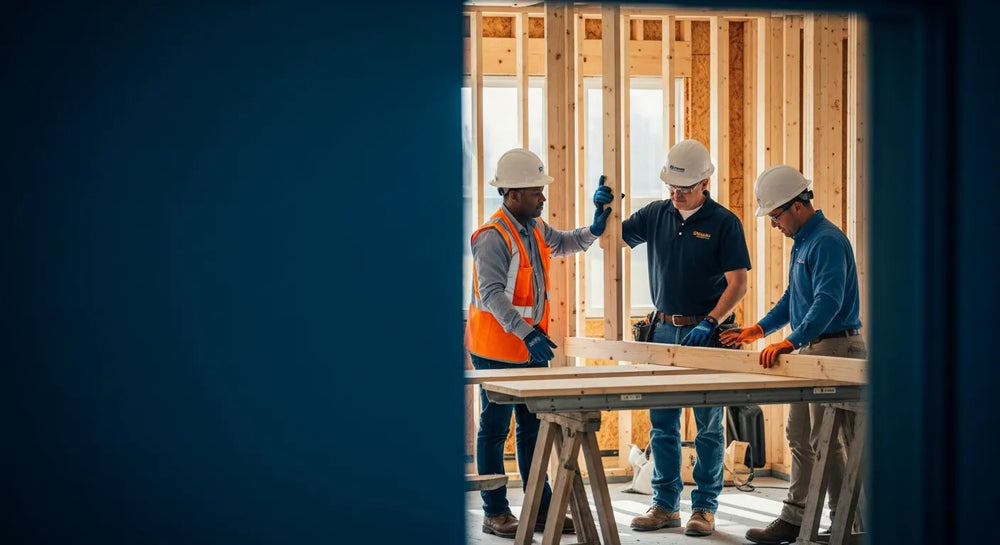
Building in NY: The Cost to Build a House in Long Island
Table of Contents
- Introduction
- The Long Island Economic Landscape: A B2B Perspective
- Breaking Down Hard Costs: Materials and Systems
- Soft Costs: The Regulatory and Professional Burden
- The Liquidity Challenge in Modern Construction
- Strategic Financing with Maden Pay
- Tax Strategies: Bonus Depreciation and CapEx Timing
- Sourcing American-Made: Quality and Compliance
- Case Scenario: Overcoming a Procurement Bottleneck
- Long-Term Maintenance and TCO
- Sustainable Building and Local Standards
- Navigating the Supply Chain Revival
- Building for the Future: Why Maden.co?
- Summary of Cost Components for Long Island Construction
- Conclusion
- FAQ
Introduction
For a general contractor managing a luxury residential project in the Hamptons or a developer breaking ground on a multi-unit development in Nassau County, the question isn’t just about the raw numbers—it’s about the volatility of the supply chain and the velocity of capital. When a specialized HVAC system is delayed by six weeks or the price of domestic lumber spikes mid-quarter, the projected cost to build a house in Long Island can shift from a manageable expense to a significant threat to your firm’s liquidity. In a region where zoning complexities and labor costs are among the highest in the nation, procurement efficiency is no longer a back-office function; it is a core competitive advantage.
At Maden.co, we recognize that the "U.S. Manufacturing Revival Is Here," and it is being built one foundation at a time. The purpose of this analysis is to provide a comprehensive breakdown of the variables influencing construction costs in the Long Island market, from material procurement to specialized labor. We will explore the hard costs of American-made components, the soft costs of New York’s regulatory environment, and the strategic financing tools that allow businesses to maintain momentum in a tightening credit market. Ultimately, managing the cost to build a house in Long Island requires a shift from transactional purchasing to a strategic partnership with a resilient, U.S.-based supply chain.
The Long Island Economic Landscape: A B2B Perspective
Building on Long Island presents a unique set of geographic and economic challenges. As an island, logistics are inherently more complex; every ton of gravel, every length of copper piping, and every pallet of American-made drywall must cross a bridge or a ferry. This "island tax" manifests in higher freight costs and longer lead times compared to mainland projects.
Furthermore, the regional labor market is heavily influenced by proximity to New York City. Prevailing wage requirements, union involvement in certain sectors, and a high cost of living for tradespeople drive labor costs significantly above the national average. For a business owner or procurement manager, this means that any delay in material arrival results in "burned" labor hours that are far more expensive than in other markets. We believe that sourcing through a transparent, domestic marketplace is the most effective way to mitigate these logistical risks. By connecting buyers with verified American manufacturers, we help ensure that the high cost of Long Island labor is utilized efficiently, not spent waiting for overseas shipments that are stuck in port.
Breaking Down Hard Costs: Materials and Systems
The primary driver of the cost to build a house in Long Island is the "hard cost"—the tangible materials and labor required for physical construction. In the current market, these costs typically range from $250 to over $600 per square foot for high-end custom builds, though commercial-grade residential developments may find efficiencies at lower price points.
Foundations and Framing
Long Island’s geography, particularly its sandy soil in some areas and high water tables in others, requires specialized foundation work. Whether utilizing poured concrete or insulated concrete forms (ICF), the cost of domestic cement and steel reinforcement is a major factor. Framing, traditionally the largest material expense, has seen unprecedented price swings. Sourcing U.S.-grown timber and engineered wood products through Maden.co provides builders with the quality assurance necessary to meet stringent NYS building codes while supporting the domestic economy.
Building Envelope and Energy Efficiency
New York’s Energy Conservation Construction Code is among the most rigorous in the United States. To meet these standards, builders must invest in high-performance windows, doors, and insulation. Opting for American-made, dual-pane or triple-pane windows not only ensures compliance but also reduces the long-term total cost of ownership (TCO) for the end-user. We encourage procurement managers to browse all categories to discover the breadth of U.S.-manufactured building materials that meet or exceed these local energy requirements.
Mechanical, Electrical, and Plumbing (MEP)
The complexity of MEP systems in Long Island homes—often including multi-zone HVAC, high-efficiency boilers, and sophisticated home automation—adds significant layers to the budget. For a facility manager or a site supervisor, the failure of a single critical component, such as a circulator pump or a circuit breaker, can halt inspections and delay closing. Utilizing a marketplace that prioritizes industrial excellence and supply chain transparency ensures that these critical components are sourced from reliable domestic vendors.
Soft Costs: The Regulatory and Professional Burden
When calculating the cost to build a house in Long Island, soft costs often surprise those unfamiliar with the region. These are the non-tangible expenses that occur before a single shovel hits the ground.
- Architectural and Engineering Fees: Given the density of Long Island and the environmental protections in place (particularly near the Pine Barrens or coastal erosion hazard areas), engineering requirements are extensive.
- Permitting and Zoning: Nassau and Suffolk counties are comprised of numerous towns and incorporated villages, each with its own building department and fee structure. Permit fees can range from a few thousand to tens of thousands of dollars depending on the project’s scope.
- Insurance: General liability, workers' compensation, and builder’s risk insurance in New York are notably higher than the national average due to the state’s "Scaffold Law" (Labor Law 240/241), which places significant liability on owners and contractors.
Strategic procurement can help offset these high soft costs. By reducing the time spent on supplier onboarding and credit negotiations, firms can reallocate their human capital toward navigating the complex local regulatory landscape.
The Liquidity Challenge in Modern Construction
A structural liquidity challenge currently faces the U.S. manufacturing and construction sectors. Many small-to-mid-sized contractors and manufacturers in the Long Island area operate on net-30 to net-90 payment cycles. However, as traditional bank credit continues to tighten, the "time-to-terms" friction becomes a major bottleneck.
In traditional procurement, establishing net terms with a new supplier for a specific project can take weeks. It involves credit applications, manual trade reference checks, and back-and-forth negotiations. For a project manager trying to lock in the cost to build a house in Long Island, this delay can result in price increases for materials while the application is pending.
We solve this by embedding credit directly at the point of transaction. With Maden Pay, businesses can bypass the weeks of onboarding and access the capital they need to keep projects moving. This innovation allows a single approval to work across our entire marketplace, eliminating the need to renegotiate terms every time you need to source from a different American manufacturer.
Strategic Financing with Maden Pay
In the B2B world, cash flow is the lifeblood of operations. For a construction firm, the ability to align outflows with project milestones is critical. Maden Pay is not just a payment method; it is a strategic operational tool designed to improve your business's cash conversion cycle.
- Speed of Decision: Traditional commercial loans or lines of credit can take a month or more for approval. Our embedded financing solution provides instant eligibility decisions—often in under 60 seconds—via a soft credit check that does not impact your credit score.
- Capacity for Growth: Qualified businesses can access credit lines typically ranging from $5,000 to over $250,000. This capacity allows for the bulk purchase of materials, which can help hedge against inflation and lock in the cost to build a house in Long Island.
- Flexible Terms: We offer Net 30, 60, and 90-day options. This flexibility is essential for builders who may be waiting for a draw from a construction loan or a payment from a client.
By integrating financing into the procurement process, we reduce the friction that often plagues the construction supply chain. To see how much purchasing power your business can unlock, you can check eligibility today. Note: Approvals, limits, and terms depend on business eligibility.
Tax Strategies: Bonus Depreciation and CapEx Timing
For business owners and developers, the timing of asset acquisition is a powerful lever for tax planning. When purchasing equipment or machinery necessary for large-scale construction projects—such as heavy-duty trailers, specialized power tools, or site-office modules—it is vital to consider 100% bonus depreciation.
Under current tax laws, businesses may be able to deduct the full purchase price of qualifying equipment in the year it is placed in service, rather than depreciating it over several years. This can significantly lower the effective cost of capital and provide an immediate boost to the bottom line. However, tax laws are subject to change and vary by jurisdiction, so you should always consult your tax professional before making significant CapEx decisions.
Strategic use of Maden Pay can help firms acquire these assets toward the end of the fiscal year, ensuring they are "placed in service" in time to qualify for depreciation benefits while deferring the actual cash outlay through net terms.
Sourcing American-Made: Quality and Compliance
The cost to build a house in Long Island is also an investment in quality. Sourcing American-made products is not just a matter of pride; it is a matter of technical excellence and compliance. U.S. manufacturers adhere to rigorous standards, such as those set by the American National Standards Institute (ANSI) or the American Society for Testing and Materials (ASTM).
When a procurement manager buys NPT (National Pipe Thread) fittings or electrical components with UL (Underwriters Laboratories) certification from a verified U.S. vendor, they are reducing the risk of project failure and future liability. At Maden.co, our mission is to democratize access to this level of manufacturing excellence. We believe in supply chain transparency, allowing you to know exactly where your materials come from and who made them.
For manufacturers interested in joining this ecosystem and reaching a wider network of professional buyers, we invite you to complete our vendor registration. By listing your products on America’s premier B2B marketplace, you become a vital part of the domestic manufacturing revival.
Case Scenario: Overcoming a Procurement Bottleneck
Consider a scenario involving a site supervisor on a project in Melville. A specialized pump for the geothermal heating system fails during the final stages of installation. The local distributor is out of stock, and an overseas replacement is eight weeks away. Every day the system is non-functional, the interior finishing work—drywall, flooring, and paint—is at risk due to lack of climate control.
In a traditional setup, the supervisor would have to find a new domestic supplier, set up a credit account (which could take days), and hope the shipping is expedited. With our platform, the supervisor can immediately search for the component among millions of verified products, use their existing marketplace credit via Maden Pay, and have the part shipped from a domestic facility within 24 to 48 hours. This efficiency minimizes the impact on the total cost to build a house in Long Island by preventing costly project delays and protecting the quality of the interior work.
Long-Term Maintenance and TCO
The cost to build a house in Long Island doesn't end when the keys are handed over. Maintenance, Repair, and Operations (MRO) buyers play a crucial role in the lifecycle of any property. High-quality, U.S.-made HVAC units, water heaters, and roofing materials often come with better warranties and more readily available replacement parts than their imported counterparts.
When a facility manager looks at the Total Cost of Ownership (TCO), the initial savings of a cheaper, imported product are often negated by the difficulty of finding specialized technicians or parts years down the line. By prioritizing industrial excellence during the initial build, developers provide long-term value to the property owners. To learn more about our commitment to this level of quality, visit our About Us page.
Sustainable Building and Local Standards
New York’s commitment to sustainability is reflected in local building codes and the "Climate Leadership and Community Protection Act." This has a direct impact on the cost to build a house in Long Island, as it necessitates the use of sustainable materials and energy-efficient systems.
From solar-ready roofing to low-VOC paints and reclaimed wood flooring, sourcing sustainable materials domestically reduces the carbon footprint associated with long-distance shipping. Furthermore, U.S. manufacturers are often at the forefront of green technology, producing the heat pumps and insulation materials required for "Passive House" or Net-Zero builds. Building to these standards may increase the initial hard costs, but it significantly enhances the property's market value and reduces operational expenses for decades.
Navigating the Supply Chain Revival
The global supply chain disruptions of recent years have taught the construction industry a valuable lesson: resilience is worth more than the lowest price. A project that is 95% complete is still 100% unusable if the final 5% of materials are stuck in a shipping container.
We are not just a catalog; we are a strategic partner in building a resilient, U.S.-based supply chain. By focusing on Digital Innovation, we provide the tools that modern procurement managers need to manage complex projects. Whether you are looking for a specific industrial fitting or a bulk order of structural components, our platform is designed to reduce procurement friction. For personalized assistance with complex sourcing needs, our team is always available through our Contact Us portal.
Building for the Future: Why Maden.co?
Choosing where to source your materials is one of the most consequential decisions in any construction project. When you partner with us, you are making a choice to support American Manufacturing Pride and ensure the highest standards of Industrial Excellence.
The cost to build a house in Long Island is undeniably high, but it is an investment in one of the most desirable real estate markets in the world. By utilizing embedded financing to manage your "time-to-terms" and sourcing from verified domestic manufacturers, you can protect your margins and deliver a superior product. We are committed to driving the manufacturing revival by providing the liquidity and the marketplace that American businesses deserve.
If you are ready to streamline your next project, we encourage you to check eligibility for Maden Pay and experience the efficiency of a modernized supply chain. Approvals, limits, and terms depend on business eligibility.
Summary of Cost Components for Long Island Construction
To help visualize the allocation of capital, consider the following typical percentage breakdown of the cost to build a house in Long Island:
- Site Work and Foundations (10-15%): Excavation, grading, septic systems (common in Suffolk County), and concrete work.
- Framing and Shell (25-30%): Lumber, roofing, siding, and windows. This is the stage where domestic sourcing is most critical for schedule maintenance.
- Systems and MEP (15-20%): HVAC, plumbing, electrical, and insulation. High-efficiency requirements drive these costs in New York.
- Interior Finishes (20-30%): Cabinetry, flooring, tile, and millwork. This is the most variable category, heavily dependent on luxury specifications.
- Soft Costs and Fees (10-15%): Architecture, permits, insurance, and legal fees.
By understanding these benchmarks, procurement managers can better identify where they can use strategic financing to optimize their cash flow.
Conclusion
Building on Long Island requires a sophisticated approach to procurement, financing, and project management. While the cost to build a house in Long Island is influenced by high labor rates and complex regulations, the most significant risk to any project is the friction within the supply chain. By embracing the "U.S. Manufacturing Revival," builders can access higher-quality materials, faster delivery times, and more transparent sourcing.
At Maden.co, we are dedicated to providing the tools—from our expansive marketplace to the strategic flexibility of Maden Pay—that allow American businesses to thrive. We invite you to explore our catalog, register your business, and join us in building a more resilient, efficient, and prosperous future for U.S. manufacturing. Whether you are a small contractor or a large-scale developer, our goal is to ensure that your next project is built on a foundation of excellence and financial strength.
FAQ
1. What is the average cost to build a house in Long Island per square foot?
In the current market, costs generally start at $250 to $350 per square foot for standard builds. However, for custom luxury homes or projects in high-demand areas like the Hamptons, costs can easily exceed $600 per square foot. These figures include hard costs like materials and labor but may vary based on soft costs like architectural fees and local permits.
2. How can I manage cash flow during a large construction project?
Managing cash flow is best achieved by aligning your material purchases with project milestones. Using tools like Maden Pay allows you to access net terms (30, 60, or 90 days), giving you the flexibility to pay for materials after a project draw is received. This reduces the need for large upfront outlays of capital and improves your business’s liquidity.
3. Why should I prioritize American-made materials for my Long Island build?
American-made materials offer several advantages, including adherence to strict U.S. quality and safety standards (ASTM, ANSI, UL), reduced shipping times compared to overseas imports, and a lower environmental footprint. Additionally, sourcing domestically supports the U.S. manufacturing revival and ensures that replacement parts for MRO needs are more easily accessible in the future.
4. How long does it take to get financing for material purchases?
Traditional bank credit can take weeks to process. However, through Maden Pay’s embedded financing, businesses can often receive an eligibility decision in under 60 seconds via a soft credit check. Once approved, this credit line can be used across the entire marketplace, significantly reducing the "time-to-terms" friction in your procurement process.


