
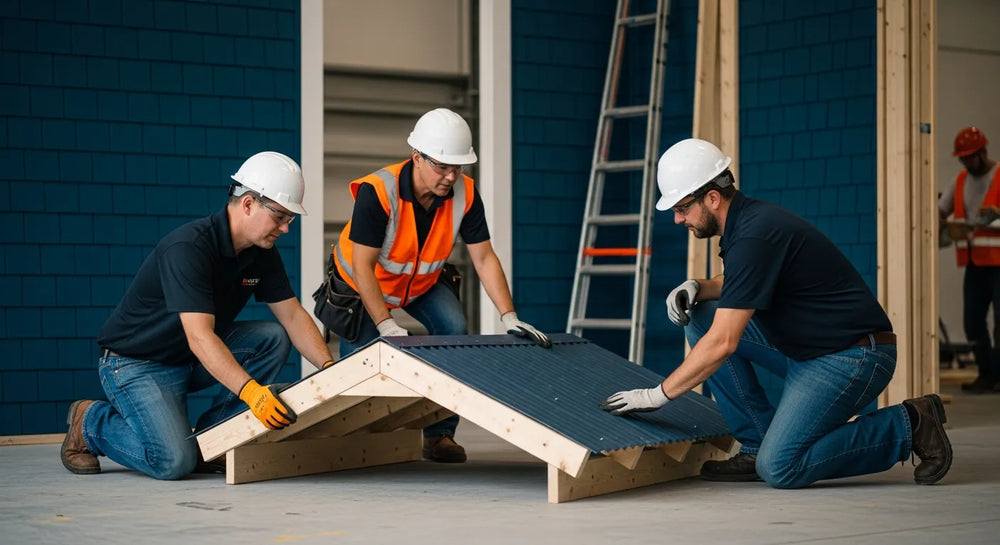
Cost to Build Garage on Side of House: Budgeting and Logistics
Table of Contents
- Introduction
- The Strategic Importance of Facility Expansion
- Breaking Down the Cost to Build Garage on Side of House
- The Liquidity Challenge in Industrial Construction
- Solving the Time-to-Terms Friction with Maden Pay
- Procurement Scenarios: The Reality of the Build
- Leveraging 100% Bonus Depreciation and CapEx Timing
- Technical Specifications: Choosing the Right Materials
- Navigating Permits and Zoning for Attached Structures
- The Resilience of American Manufacturing
- Improving Total Cost of Ownership (TCO)
- Why Speed Matters in Procurement
- Implementation: Step-by-Step Construction Guide
- Building for the Future
- FAQ
- Conclusion
Introduction
For a facility manager at a growing logistics hub, the realization that current vehicle storage is inadequate often comes at a moment of peak operational stress. Imagine four new service vans arriving on-site, only for the realization to sink in that there is no secure, climate-controlled space to house them. In the industrial world, every day a vehicle sits exposed to the elements or unsecured is a day that depreciates the asset’s value and increases the risk of downtime. This scenario is a classic example of how physical infrastructure bottlenecks can stifle business growth. Expanding your facility by adding an attached garage is a strategic move, but the primary hurdle is often understanding the true cost to build garage on side of house while managing the "time-to-terms" friction that plagues traditional procurement.
The purpose of this guide is to provide a detailed breakdown of the financial and logistical considerations involved in constructing a garage addition. We will explore everything from foundation requirements and structural tie-ins to the sourcing of high-quality, American-made materials. Beyond the physical construction, we will address the critical financial strategies that savvy business owners use to maintain liquidity, such as leveraging embedded financing and understanding the implications of bonus depreciation. At Maden.co, our mission is to democratize access to American manufacturing, and we believe that building a resilient supply chain starts with making informed, localized procurement decisions. By the end of this article, you will have a clear roadmap for your expansion project and the tools to execute it with financial precision.
The Strategic Importance of Facility Expansion
When assessing the cost to build garage on side of house, it is vital to view the project not as an expense, but as a strategic capital expenditure (CapEx). For businesses, an attached garage serves multiple functions: it protects high-value equipment, provides additional workspace for MRO (Maintenance, Repair, and Operations) activities, and increases the overall property value.
In the current economic climate, the U.S. manufacturing revival is here, and businesses are increasingly looking to bring operations back stateside. This shift requires more than just a change in mindset; it requires physical space. Whether you are a small manufacturer or a large-scale distributor, adding a garage to the side of your existing facility allows for seamless workflow integration. Unlike a detached structure, an attached garage can share utility lines—such as HVAC and electricity—reducing the long-term operational costs even if the initial "tie-in" construction is more complex.
Breaking Down the Cost to Build Garage on Side of House
The total investment required for an attached garage varies significantly based on size, materials, and local labor rates. However, for a standard commercial or high-end residential-style attachment, costs generally fall within a predictable range. Understanding these components individually allows procurement managers to find efficiencies and reduce the Total Cost of Ownership (TCO).
Excavation and Foundation Work
The foundation is the most critical element of any structure. For an attached garage, the foundation must not only support the new building but also be properly engineered to meet the existing structure's foundation. This often involves excavating to the frost line and pouring concrete footers that match the depth of the house or facility foundation.
Concrete costs have fluctuated, but sourcing from local, verified U.S. suppliers can mitigate some of the logistics-related price hikes. Expect the foundation work to account for approximately 15% to 20% of your total project cost. This phase is also where "time-to-terms" becomes a factor; waiting weeks for a credit line to open with a local concrete supplier can delay the entire project before the first shovel hits the ground.
Framing and Structural Tie-ins
Framing the walls and roof of an attached garage requires precise engineering. The "cost to build garage on side of house" includes the specialized labor and materials needed to install a ledger board—the structural member that connects the new garage to the existing wall. This connection must be flashed correctly to prevent water intrusion, which could lead to structural rot in both the new and old buildings.
Using American-made steel or lumber for framing ensures that the materials meet strict domestic quality standards. At Maden.co, we emphasize Supply Chain Transparency, ensuring that the materials you source are built to last and comply with relevant building codes.
Roofing and Exterior Integration
To maintain the aesthetic and functional integrity of the property, the garage roof must be integrated into the existing roofline. This often involves removing sections of the old roof, extending the rafters, and installing new shingles or metal roofing panels. Choosing industrial-grade roofing materials from American manufacturers can provide a longer lifespan and better protection against harsh weather conditions.
The Liquidity Challenge in Industrial Construction
U.S. manufacturing and construction face a structural liquidity challenge. Many small to mid-sized manufacturers and buyers operate on tight cash conversion cycles, often waiting 30, 60, or even 90 days for payment from their own clients. When a sudden need for expansion arises—like the need to build a garage—traditional bank credit can be frustratingly slow or entirely inaccessible.
Traditional procurement methods involve a series of friction points:
- Credit Applications: Manually filling out forms for every new vendor.
- Onboarding: Waiting for the vendor’s accounting department to verify your business.
- Negotiation: Haggling over terms that might not align with your cash flow.
This "time-to-terms" friction can add weeks to a project timeline. In construction, where labor schedules are tight, a two-week delay in material delivery because of a pending credit check can lead to thousands of dollars in lost productivity.
Solving the Time-to-Terms Friction with Maden Pay
At Maden.co, we have engineered a solution to this problem. We believe that procurement should move at the speed of your business. This is why we have integrated Maden Pay directly into our marketplace.
Instead of traditional, cumbersome credit applications, Maden Pay offers an embedded financing solution that provides instant eligibility decisions—often in under 60 seconds—via a soft credit check that does not impact your credit score. This allows you to secure the materials needed for your garage build without the typical delays.
For qualified businesses, credit lines can range from $5,000 to over $250,000, providing the capacity needed to handle significant expansion projects. You can check eligibility instantly, allowing you to move from planning to procurement in a single afternoon. (Note: Approvals, limits, and terms depend on business eligibility.)
Procurement Scenarios: The Reality of the Build
Consider a business owner who needs to upgrade their facility to include a side-attached garage for a new CNC machine that requires a specialized, climate-controlled environment.
Scenario A: Traditional Procurement
The owner identifies the necessary steel framing, insulation, and high-performance garage doors. They contact three different suppliers. Supplier A requires a full credit application and three trade references. Supplier B offers Net-15 terms, which doesn't fit the owner’s 45-day cash cycle. Supplier C is out of stock of American-made components and suggests a lower-quality import. The owner spends 10 hours on paperwork and waits two weeks for approvals, during which time the cost of steel rises by 5%.
Scenario B: Sourcing via Maden.co
The owner visits the Maden.co marketplace and browses for verified U.S.-manufactured construction materials. They use Maden Pay at checkout. With a single approval that works across the entire marketplace, they secure Net-60 terms that perfectly align with their cash flow. The materials are ordered on Tuesday and arrive at the site the following week. The project stays on schedule, and the business avoids the "time-to-terms" bottleneck entirely.
Leveraging 100% Bonus Depreciation and CapEx Timing
When calculating the cost to build garage on side of house, it is essential to consider the tax implications. Under current tax laws, businesses may be able to take advantage of 100% bonus depreciation for certain capital assets and improvements. This allows you to deduct the full cost of the investment in the first year it is placed in service, rather than spreading the deduction over several years.
This can significantly lower your effective tax rate and improve your immediate cash position. For example, if your garage project costs $100,000, a 100% bonus depreciation deduction could save a company in the 21% tax bracket $21,000 in federal taxes in the first year.
Disclaimer: Tax laws are subject to change and vary by jurisdiction. Always consult your tax professional to understand how bonus depreciation applies to your specific business and construction project.
By timing your construction and procurement strategically, you can maximize these benefits. Purchasing materials through Maden.co before the end of the fiscal year can be a powerful way to manage your taxable income while building the infrastructure necessary for future growth.
Technical Specifications: Choosing the Right Materials
Selecting the right materials is about more than just aesthetics; it is about performance, compliance, and longevity. When you browse all categories on our platform, you are looking at products that represent the pinnacle of industrial excellence.
Industrial-Grade Garage Doors
For a commercial-style garage, a standard residential door will not suffice. You need doors with high R-values for insulation, robust torsion springs designed for high-cycle use, and heavy-duty tracks. Sourcing these from U.S. manufacturers ensures that replacement parts are readily available, reducing future maintenance friction.
High-Performance Flooring
The garage floor must withstand the weight of vehicles, machinery, and potential chemical spills. Epoxy coatings or specialized concrete sealants are necessary to protect the foundation. American-made floor coatings are often formulated to meet stricter VOC (Volatile Organic Compound) standards, ensuring a safer work environment for your employees.
Electrical and Lighting Systems
An attached garage often requires an electrical sub-panel. Upgrading to energy-efficient LED lighting not only reduces operational costs but also improves safety and productivity within the space. When you contact us for sourcing assistance, we can help you find manufacturers who provide lighting solutions that meet specific industrial certifications like UL or ETL.
Navigating Permits and Zoning for Attached Structures
One often-overlooked cost to build garage on side of house is the price of permitting and the potential for zoning variances. Because an attached garage is considered part of the main structure, it must adhere to stricter setback requirements than a detached building might.
- Setbacks: Most municipalities require a minimum distance between the structure and the property line.
- Fire Separation: Building codes usually require a fire-rated wall (typically 5/8" Type X drywall) between the garage and the living or primary work quarters.
- Inspections: You will likely need inspections for the footer, framing, electrical, and final completion.
Factor these administrative costs into your initial budget. While they don't buy physical materials, they are essential for ensuring the legal and insurance-compliant status of your new facility.
The Resilience of American Manufacturing
Choosing to build with American-made products is a commitment to quality and transparency. At Maden.co, we are proud to support the manufacturers who are the backbone of our economy. Our platform isn't just a place to buy goods; it's a hub for the U.S. Manufacturing Revival.
When you source domestically, you reduce the risks associated with international shipping—such as port delays, customs issues, and geopolitical instability. This reliability is a key factor in keeping the cost to build garage on side of house within budget. A "cheap" imported part that arrives six weeks late is far more expensive than a quality American-made component that arrives on time.
We invite manufacturers to join this movement by exploring our vendor registration process. By listing on Maden.co, you connect with a network of buyers who value industrial excellence and are looking to build a more resilient, domestic supply chain.
Improving Total Cost of Ownership (TCO)
The initial sticker price is only one part of the cost to build garage on side of house. To truly understand the investment, you must calculate the TCO over the next 10 to 20 years.
- Maintenance: High-quality American hardware requires less frequent replacement.
- Energy Efficiency: Better insulation reduces HVAC loads.
- Insurance: A well-built, code-compliant attached structure can sometimes lead to lower insurance premiums compared to a temporary or poorly integrated detached shed.
- Operational Flow: The proximity of an attached garage saves man-hours every day, as staff don't have to travel between buildings to access tools or vehicles.
By using Maden Pay, you can invest in higher-quality materials today without draining your operating capital. This allows you to optimize for TCO from the very beginning, rather than cutting corners that will cost more in the long run.
Why Speed Matters in Procurement
In the B2B world, time is the one resource you can never recover. When a business decides to expand, it’s usually because the need is already pressing. The ability to check eligibility for financing in seconds means you can lock in material prices and contractor schedules immediately.
Consider the "Liquidity Challenge" once more. A contractor might give you a quote that is valid for only 15 days due to fluctuating lumber or steel prices. If your traditional bank takes 21 days to approve a small equipment or construction loan, you’ve already lost the quoted price. Maden Pay eliminates this risk by providing the "Speed" and "Capacity" necessary to act while the market is favorable.
Implementation: Step-by-Step Construction Guide
To manage the cost to build garage on side of house effectively, follow this structured approach:
Phase 1: Design and Engineering
Work with an architect or structural engineer to ensure the addition is safe and compliant. This phase defines your bill of materials (BOM).
Phase 2: Financing and Procurement
Once you have your BOM, visit Maden.co to source your materials. Apply for Maden Pay to secure the necessary credit line. This ensures that your cash flow remains healthy throughout the build.
Phase 3: Site Prep and Foundation
Clear the area and pour the concrete. Ensure the footers are inspected before proceeding.
Phase 4: Framing and Shell
Erect the walls and roof. This is where the structure begins to take shape and the "tie-in" to the house is completed.
Phase 5: Utilities and Interior
Install electrical, plumbing (if needed), and insulation. Ensure all "behind the wall" work is inspected.
Phase 6: Finishing Touches
Install the garage door, paint the exterior to match the existing facility, and apply floor coatings.
Building for the Future
The decision to add a garage to the side of your house or business facility is a significant milestone. It signals growth, stability, and a commitment to maintaining your assets. By focusing on American-made products, you are not only getting a superior product but also contributing to the strength of the national economy.
Our digital innovation at Maden.co allows us to provide a level of service that traditional industrial suppliers simply cannot match. From our vast catalog to our embedded financing, every tool we offer is designed to help you build better and faster.
FAQ
1. How does an attached garage affect my property's resale value? Generally, an attached garage offers a high return on investment (ROI). For businesses, it increases functional square footage and operational capacity. For residential properties, a two-car attached garage can add significant value, often recouping 60% to 80% of the construction cost upon sale.
2. Can I use Maden Pay for both materials and labor? Maden Pay is designed for the procurement of products and materials through our marketplace. While it doesn't pay your local contractor's labor bill directly, by using Maden Pay to finance 100% of your material costs, you free up your existing cash reserves to pay for labor and other soft costs.
3. What is the biggest hidden cost when building a garage on the side of a house? The most common hidden cost is the "tie-in" complexity. This includes rerouting existing utility lines (like exterior hose bibs or electrical outlets), adjusting the grade of the land for proper drainage away from the new foundation, and the cost of matching old, discontinued siding or roofing materials.
4. How long does the approval process take with Maden Pay? The initial eligibility decision is nearly instantaneous, often taking less than 60 seconds. Once approved, your credit line is available for use immediately across the marketplace, allowing you to bypass the weeks of onboarding normally required by industrial suppliers.
Conclusion
Understanding the cost to build garage on side of house is the first step toward a successful expansion. By breaking down the project into manageable phases—from foundation and framing to procurement and financing—you can ensure that your project stays on track and within budget. The challenges of traditional procurement, specifically the "time-to-terms" friction and the liquidity constraints of the manufacturing sector, no longer need to be barriers to your growth.
At Maden.co, we are more than just a marketplace; we are a strategic partner in your success. We are dedicated to the American Manufacturing Pride and the excellence that comes with it. By leveraging tools like Maden Pay, you can align your purchasing with your cash conversion cycle, take advantage of tax strategies like bonus depreciation, and invest in the high-quality, U.S.-made materials that will stand the test of time.
The U.S. manufacturing revival is here, and your business is a vital part of it. We encourage you to browse all categories in our catalog today and check your eligibility for financing to kickstart your next project. Let’s build a more resilient, American-made future together. (Approvals, limits, and terms depend on business eligibility.)


