
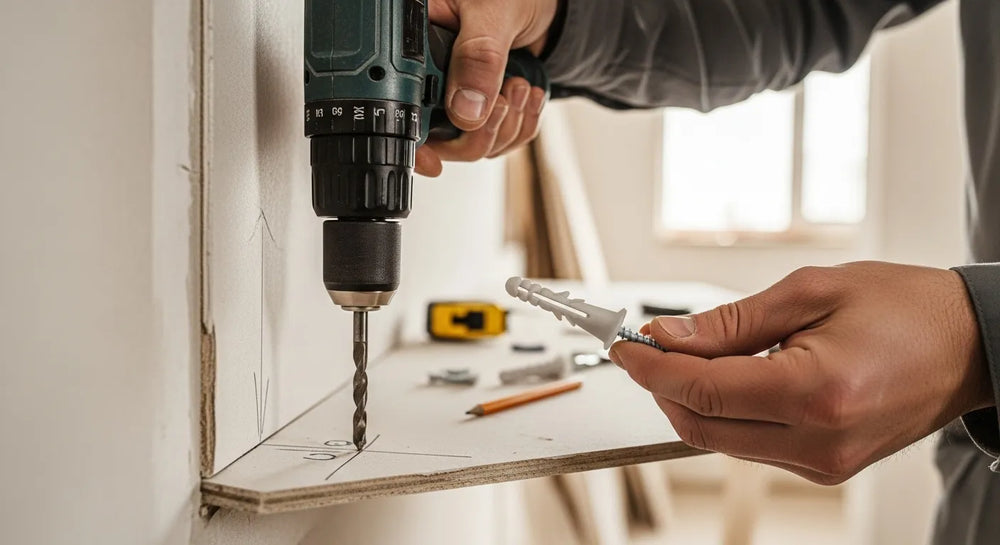
Anchor Pergola Posts in Concrete for Lasting Stability
Table of Contents
- Introduction
- Why Proper Pergola Post Anchoring is Non-Negotiable
- Understanding Concrete: The Foundation for Stability
- Essential Tools and Materials for Anchoring
- Choosing the Right Anchoring Method
- Step-by-Step Installation Guide
- Ensuring Long-Term Durability and Maintenance
- The Maden.co Advantage: Sourcing for Success
- Conclusion
- Frequently Asked Questions (FAQ)
Introduction
Imagine the quiet frustration of watching a prized outdoor living space begin to compromise its own structural integrity. Pergolas, often significant investments in both time and capital, are designed to offer beauty, shade, and a focal point for outdoor enjoyment. Yet, without a steadfast foundation, even the most elegantly crafted structure can quickly become a safety hazard or, at best, an unsightly testament to inadequate planning. The challenge lies not merely in erecting a pergola, but in ensuring its unwavering stability against the elements, particularly when anchored to concrete. From persistent wind uplift to the subtle shifts of settling ground, the forces at play demand more than a superficial connection; they require a robust, meticulously engineered anchoring solution.
This comprehensive guide delves into the critical methods for anchoring pergola posts in concrete, providing procurement managers, MRO buyers, and design engineers with the authoritative knowledge needed to achieve lasting stability. We will explore the various techniques, essential materials, and best practices that guarantee both the safety and longevity of your outdoor structures. Crucially, we’ll highlight how sourcing high-quality, American-made components not only strengthens your pergola but also fortifies your supply chain and supports the broader manufacturing revival championed by platforms like Maden.co. Our aim is to equip you with the insights to execute your projects with confidence, leveraging industrial excellence and strategic procurement for superior outcomes.
Why Proper Pergola Post Anchoring is Non-Negotiable
The stability of a pergola is paramount, influencing everything from its aesthetic appeal to the safety of those who enjoy it. Overlooking the importance of robust anchoring can lead to a cascade of problems, transforming a beneficial addition into a liability.
Structural Integrity Against Environmental Forces
Pergolas, by their open nature, are highly susceptible to wind forces. Wind uplift can exert significant stress on the posts and their connections, potentially tearing the structure from its foundation. Lateral forces, on the other hand, can cause swaying and eventual structural failure. Proper anchoring ensures that the pergola can withstand these environmental challenges, maintaining its form and function for years. This resistance is not just about raw strength; it’s about engineering that accounts for dynamic loads and distributes stresses effectively across the concrete foundation.
Enhancing Safety and Preventing Damage
A poorly anchored pergola is a significant safety risk. In severe weather, an unstable structure could collapse, causing injury to people or damage to surrounding property. From a business perspective, such an event could lead to liability issues, costly repairs, and reputational damage. By investing in correct anchoring techniques and high-quality components, you mitigate these risks, creating a safe environment and protecting your assets. This foresight is critical for any procurement manager or business owner prioritizing long-term value over short-term savings.
Longevity Through Protection Against Rot and Decay
When wood posts are in direct contact with concrete or buried within it, they are highly vulnerable to moisture absorption, leading to rot, fungal growth, and insect infestation. This decay compromises the structural integrity of the post from the ground up, significantly shortening the pergola's lifespan. Effective anchoring methods, particularly those that elevate the wood post off the concrete surface, create an essential barrier against moisture, promoting ventilation and protecting the timber. This small design detail translates into years, if not decades, of extended service life for the entire structure, a testament to the benefits of proactive MRO strategies.
Protecting Your Investment
A pergola represents a considerable investment. Whether it's a commercial installation designed to enhance a business’s outdoor space or a large-scale residential project, protecting this asset is crucial. Proper anchoring is the first line of defense in preserving that investment, ensuring that the structure remains sound, attractive, and functional, thereby maximizing its return. For procurement professionals, securing the right anchoring solutions from verified sources isn't just about buying a part; it’s about safeguarding a larger capital expenditure and ensuring project success.
Compliance and Standards
Depending on the project's scale and location, local building codes may dictate specific requirements for structural anchoring, especially regarding wind load resistance. Adhering to these standards is not only a legal necessity but also a best practice that ensures optimal safety and durability. Selecting components that meet or exceed industry specifications, a core offering at Maden.co, becomes vital for compliance and peace of mind.
Understanding Concrete: The Foundation for Stability
The effectiveness of any anchoring system begins with a thorough understanding of the concrete itself. It’s not just a slab; it’s the foundation upon which your pergola’s stability rests.
Concrete Basics: Strength, Curing, and Proper Mix
Concrete's strength is measured in pounds per square inch (psi) and is significantly influenced by its mix proportions and proper curing. A higher-strength mix (e.g., 3000-4000 psi) is generally recommended for structural applications like pergola foundations. Proper curing—maintaining moisture and temperature—allows the concrete to achieve its maximum compressive strength, preventing cracks and ensuring a solid base for anchors. Neglecting these fundamentals can lead to a weak, brittle foundation that compromises any anchoring efforts.
Slab vs. Footing: When to Use Each
The choice between anchoring to an existing concrete slab or pouring new footings is critical and depends on several factors:
- Existing Slabs: If a robust, well-cured concrete slab (e.g., a patio or deck) is already in place, it can serve as the anchoring base. The key is to assess its thickness, condition, and underlying support. Thin or cracked slabs may not provide sufficient holding power for anchors and could require reinforcement or the installation of separate footings. When working with existing slabs, the ability to drill precise holes and install high-performance anchors quickly is paramount for MRO buyers facing tight timelines.
- New Footings: For new pergola constructions or when existing slabs are inadequate, pouring dedicated concrete footings is the preferred method. Footings are typically deeper and often reinforced with rebar, extending below the frost line to prevent shifting due to freeze-thaw cycles. This approach provides superior stability and uplift resistance, making it ideal for larger, heavier pergolas or those in areas prone to high winds. The planning and execution of new footings underscore the need for durable, reliable materials from trusted suppliers.
Drainage Considerations
Proper drainage around concrete footings and post bases is crucial. Water pooling around the base of a post, even with stand-off brackets, can lead to moisture intrusion, rust on metal components, and eventually, concrete degradation. Ensuring adequate grading, incorporating gravel bases, or designing for proper runoff helps protect both the concrete and the anchoring hardware, contributing to the pergola's overall longevity.
Essential Tools and Materials for Anchoring
Executing a successful pergola anchoring project requires the right tools and materials. Quality components ensure precision, safety, and durability, reducing rework and increasing project efficiency.
-
Power Tools:
- Hammer Drill or Rotary Hammer: Essential for drilling clean, precise holes into concrete. The power and impact action are necessary for efficiently penetrating hardened surfaces.
- Impact Driver or Wrench: For securely tightening anchor bolts and post base fasteners to specified torque values.
-
Drill Bits:
- Carbide-Tipped Masonry Bits: Designed specifically for concrete, these bits ensure clean, accurate holes without excessive wear. Using the correct diameter for your chosen anchor is critical.
-
Cleaning Tools:
- Wire Brush and Shop Vacuum: After drilling, holes must be thoroughly cleaned of concrete dust and debris. Residual dust can significantly reduce an anchor's holding power, especially for adhesive or expansion anchors.
-
Fasteners and Anchors:
- Concrete Anchors: Wedge anchors, sleeve anchors, drop-in anchors, and chemical (epoxy) anchors. The selection depends on the concrete type, load requirements, and post base design.
- Structural Screws/Bolts: For connecting the pergola post to the metal post base.
- Scenario: For a procurement manager under pressure to source a specific anchor type for a large-scale outdoor living project, the ability to quickly find and verify high-quality, U.S.-made components is a game-changer. Our platform provides access to a vast catalog of industrial-grade fasteners, ensuring compliance with critical industry standards and enhancing overall project resilience.
-
Post Bases/Brackets:
- Metal Connectors: These elevate the wood post off the concrete, preventing moisture damage and providing a strong, secure connection point. They come in various designs for surface mounting or wet-setting into fresh concrete.
- Personal Protective Equipment (PPE): Safety glasses, hearing protection, gloves, and dust masks are essential when working with power tools and concrete.
- Measuring & Marking Tools: Tape measure, level, plumb bob, chalk line, and marking pens for accurate layout and placement. Precision in these initial steps prevents costly errors down the line.
Choosing the Right Anchoring Method
The selection of the anchoring method is pivotal to the stability and longevity of your pergola. Each method offers distinct advantages and is suited to different project requirements and concrete conditions.
Method 1: Surface Mount Post Bases
Surface mount post bases are among the most common and versatile solutions, particularly for existing concrete slabs. These involve attaching a metal bracket directly to the cured concrete surface, then securing the pergola post to the bracket.
- Description: These bases lift the wood post above the concrete, preventing direct contact with moisture. They typically feature a flat plate that bolts to the concrete and a saddle or bracket that cradles the bottom of the post.
-
Pros:
- Easier Installation: Generally less complex than embedded methods, especially for existing concrete.
- Moisture Protection: Keeps wood off concrete, significantly reducing the risk of rot.
- Versatility: Suitable for various pergola designs and sizes.
- Adjustability: Some designs offer slight post-installation adjustability for perfect alignment.
-
Cons:
- Visible Hardware: The metal base and anchors are often visible, which may be a minor aesthetic consideration for some.
- Uplift Resistance: While strong, some surface mounts may offer less ultimate uplift resistance compared to deeply embedded solutions, depending on the anchor type used.
Anchor Types for Surface Mount Post Bases:
- Wedge Anchors: These are heavy-duty, torque-controlled expansion anchors. When tightened, a clip at the bottom of the anchor expands, wedging itself against the drilled concrete hole. They offer high shear and tensile strength, making them suitable for substantial loads.
- Sleeve Anchors: Similar to wedge anchors but with a sleeve that expands when a nut is tightened. They are versatile and work well in various base materials, including concrete, brick, and block. They are generally suitable for medium-duty applications.
-
Drop-In Anchors: These anchors are ideal for flush mounting and heavy loads, particularly when the fixture needs to be removed or replaced later. They feature an internal thread and are set by tapping a plug that expands the anchor within the drilled hole.
- Scenario: A facilities manager is overseeing the installation of multiple pergolas across a commercial property. Consistency, speed, and reliability are key. For this application, a BN Products 3/8-inch Inside Thread Sanko Drop-In Concrete Anchor provides exceptional holding power and ease of use in pre-drilled holes, ensuring a robust connection that meets rigorous commercial standards. These anchors, when sourced through Maden.co, underscore our commitment to Industrial Excellence and Supply Chain Transparency, connecting you with verified U.S. manufacturers.
-
Epoxy Anchors (Chemical Anchors): These involve injecting a two-part chemical resin into a clean, drilled hole, then inserting a threaded rod or rebar. The epoxy chemically bonds with the concrete, creating an incredibly strong, waterproof connection that often surpasses mechanical anchors in holding power. They are excellent for critical applications or when working with compromised concrete.
- Scenario: For a design engineer developing a pergola for an area with extreme wind loads or seismic activity, the structural integrity provided by chemical anchoring is invaluable. Sourcing the right chemical anchors and associated installation tools that meet stringent engineering specifications and project timelines from verified U.S. manufacturers is crucial. This is where the strategic advantage of Maden.co, offering over 2.5 million American-made products from over 800+ verified U.S. manufacturers, becomes clear. Our mission is to democratize access to this quality, driving the manufacturing revival with our tagline: "America's manufacturing revival is here." You can learn more about our mission to champion American manufacturing and industrial innovation.
Method 2: Embedded Post Anchors (Wet Set)
Embedded post anchors are incorporated directly into wet concrete during a new pour, offering superior strength and a clean aesthetic.
- Description: These anchors consist of a metal bracket or bolt that is precisely positioned in the formwork before concrete is poured. As the concrete cures, the anchor becomes an integral part of the foundation.
-
Pros:
- Maximum Strength: Provides the highest level of uplift and lateral resistance, as the anchor is deeply integrated into the concrete mass.
- Concealed Hardware: Once installed, the anchoring hardware is largely hidden, offering a cleaner look.
- Longevity: Extremely durable due to being cast into the concrete.
-
Cons:
- Requires New Concrete Pour: Not suitable for existing slabs unless significant demolition and repouring are planned.
- Less Forgiving: Precise placement is critical, as adjustments after the concrete sets are difficult or impossible.
- Longer Project Time: Requires concrete curing time before the pergola posts can be installed.
Types of Embedded Anchors:
- J-Bolts/L-Bolts: These are large, heavy-duty bolts with a hook shape that gets embedded into the concrete. A nut and washer secure the post base to the exposed threaded end.
- U-Shaped Straps: Metal straps with an inverted U-shape that encase the bottom of the post, with the legs embedded into the concrete.
-
Specialized Post Base Embeds: Proprietary systems designed for specific structural needs, offering integrated stand-off features and robust connections.
- Maden.co relevance: When pouring new concrete, having the right tools for setting anchors precisely is critical to prevent misalignment and structural weaknesses. Our platform provides access to essential items like a 1-Headed Concrete Anchor Shear Connector Chuck for accurate and efficient placement of shear connectors and anchors. For projects requiring versatility, a comprehensive Concrete Anchor Shear Connector Chuck Set can meet varied needs, ensuring that your embedding process is as efficient and accurate as possible. These specialized tools, sourced from trusted U.S. manufacturers, exemplify the Digital Innovation and Industrial Excellence we champion in the supply chain, fostering Customer Empowerment through access to the best American-made products.
Method 3: Post in Concrete (Direct Burial)
While historically common, directly embedding wood posts into concrete is generally not recommended for the longevity of the wood.
- Description: The wood post is placed directly into a hole and surrounded by concrete.
- Pros: Very strong bond, seemingly simple installation.
- Cons: High risk of moisture retention at the concrete-wood interface, leading to rapid rot and decay of the wood post. This method significantly shortens the lifespan of the pergola and should be avoided in favor of methods that keep wood elevated and dry.
Step-by-Step Installation Guide
Executing the chosen anchoring method with precision is paramount. Here, we outline the general steps for the most effective methods.
For Existing Concrete Slabs (Surface Mount Post Bases)
This method is ideal for pergolas built on existing patios or walkways, focusing on speed and minimizing ground disturbance.
-
Marking and Layout:
- Precisely mark the exact locations for each pergola post base on the concrete slab. Use a chalk line and tape measure to ensure squareness and correct spacing. Double-check all measurements before drilling.
-
Drilling Anchor Holes:
- Using a hammer drill or rotary hammer fitted with a carbide-tipped masonry bit of the correct diameter for your chosen anchors, drill holes at each marked location through the post base’s mounting holes.
- Crucially, ensure the drill depth matches the anchor's length, allowing the anchor to fully engage with the concrete. For instance, a drop-in anchor needs a specific depth to sit flush.
-
Cleaning Holes:
- Thoroughly clean each drilled hole. Use a wire brush to scrub the sides of the hole and a shop vacuum or compressed air to remove all concrete dust and debris. This step is critical; residual dust significantly reduces the holding power of expansion and chemical anchors.
-
Setting Anchors:
- For Wedge or Sleeve Anchors: Insert the anchor through the post base hole and into the concrete. Tap lightly with a hammer until it's snug, then tighten the nut to the manufacturer's specified torque. This expands the anchor within the concrete.
- For Drop-In Anchors: Insert the drop-in anchor into the pre-drilled hole, flush with the concrete surface. Use the setting tool (often provided with the anchor or a specific punch) to expand the anchor inside the hole, creating the internal thread. Then, bolt the post base to the anchor.
- For Epoxy Anchors: Inject the mixed chemical adhesive into the clean hole, filling it about two-thirds full. Insert the threaded rod or anchor bolt with a twisting motion to ensure full coating. Allow the epoxy to cure fully according to manufacturer instructions before applying any load.
-
Attaching Post Base:
- Position the post base over the installed anchors. Secure it firmly by tightening the nuts or bolts to the manufacturer's recommended torque specifications.
-
Securing Post to Base:
- Carefully lift the pergola post into the post base. Use appropriate structural screws or bolts to attach the post securely to the metal bracket. Ensure the post is plumb (perfectly vertical) using a level before final tightening.
For New Concrete Footings (Embedded Anchors - Wet Set)
This method provides the strongest connection and is recommended for new constructions where maximum stability is required.
-
Digging Footings:
- Excavate holes for the concrete footings. The depth should extend below your local frost line to prevent ground heave, and the width should provide ample concrete mass. Consult local building codes for specific requirements.
-
Placing Rebar (if needed):
- For larger or heavily loaded pergolas, place steel rebar within the footing excavation before pouring concrete. Rebar adds significant tensile strength to the concrete, preventing cracks and enhancing overall stability.
-
Pouring Concrete:
- Pour the concrete into the prepared footings. Ensure the concrete mix is appropriate for structural use (e.g., 3000-4000 psi). Level and screed the top surface of the footing, ensuring it’s flat and smooth for the post base.
-
Setting Embedded Anchors:
- Crucial Step: While the concrete is still wet and workable, carefully position the embedded post anchors or J-bolts into the center of the footing. Use a level and a template (a piece of wood with holes drilled in the post base pattern) to ensure the anchor bolts are perfectly plumb and correctly spaced. This precision is paramount, as there is no adjustment once the concrete sets. Tools like a Concrete Anchor Shear Connector Chuck Set can assist in the precise placement of components during these critical stages, ensuring adherence to design specifications.
-
Curing Concrete:
- Allow the concrete to cure fully according to the type of concrete used and environmental conditions, typically 7 to 28 days for full strength. Protect the fresh concrete from extreme temperatures and rapid drying by covering it with plastic or frequently misting it. Do not place any load on the anchors until the concrete has reached sufficient strength.
-
Attaching Post to Anchor:
- Once the concrete is fully cured, attach the pergola post to the embedded anchor using the appropriate nuts, washers, and structural screws or bolts. Again, ensure the post is perfectly plumb before final tightening.
Ensuring Long-Term Durability and Maintenance
The installation process is only the beginning. Long-term durability requires ongoing vigilance and proactive maintenance.
- Regular Inspections: Periodically inspect all anchor points for signs of looseness, rust, or damage. Check the wood posts for any signs of rot, particularly where they meet the post base. Early detection can prevent minor issues from becoming major structural problems.
- Sealants and Coatings: Consider applying a protective sealant to the concrete around the post bases to repel moisture. For metal components, use rust-inhibiting paints or coatings, especially in corrosive environments.
- Drainage Management: Ensure that water continues to drain away from the pergola’s footings and post bases. Clear any debris that could impede runoff. Proper drainage is the simplest yet most effective way to prevent moisture-related decay.
- Material Quality: The choice of U.S.-made, verified components significantly impacts long-term durability. American-manufactured anchors, fasteners, and post bases often adhere to higher quality control standards, resulting in products that withstand harsh conditions better and longer. This is a core tenet of our platform at Maden.co.
The Maden.co Advantage: Sourcing for Success
In today's complex procurement landscape, the ability to source high-quality, reliable components is more critical than ever. Maden.co is not just a marketplace; it’s a strategic partner committed to revolutionizing how businesses procure American-made industrial products.
Democratizing Access to American Manufacturing
At Maden.co, our mission is to democratize access to American manufacturing. We achieve this by connecting industrial buyers—procurement managers, MRO buyers, and design engineers—with an unparalleled network of over 2.5 million American-made products from our 800+ verified U.S. manufacturers. This extensive catalog ensures that whether you need specialized concrete anchors, heavy-duty chucks, or any other industrial component, you can find it with ease. Our vision is to become the definitive platform that proves American-made components are as accessible and convenient as any global alternative, driving the manufacturing revival with our tagline: "America's manufacturing revival is here."
Core Values in Action for Your Projects
Our core values are not just statements; they are the operational principles guiding every aspect of our platform:
- American Manufacturing Pride: By choosing U.S.-made components, you support domestic jobs, foster innovation, and receive products crafted under stringent quality controls. This pride is built into every product available on our site.
- Digital Innovation: We leverage cutting-edge technology to streamline the procurement process, offering intuitive search, detailed product specifications, and a user-friendly interface that saves you time and reduces friction.
- Supply Chain Transparency: We provide clear visibility into the origin of your products. Knowing your components come from verified U.S. manufacturers builds trust and enhances your supply chain's resilience against global disruptions.
- Industrial Excellence: Our platform is dedicated to components that meet or exceed critical industry standards (e.g., DIN, NPT). This focus on quality ensures superior performance and reliability in your projects.
- Customer Empowerment: We empower our customers by providing them with the tools and access needed to make informed purchasing decisions, optimize their budgets, and achieve their project goals efficiently.
Strategic Procurement for Tangible Business Outcomes
Sourcing through Maden.co translates directly into tangible business benefits:
- Improved Total Cost of Ownership (TCO): High-quality, U.S.-made products often have a lower TCO due to reduced lead times, fewer defects, and enhanced durability, minimizing the need for premature replacements or costly rework.
- Enhanced Supply Chain Resilience: By reducing reliance on volatile international supply chains, Maden.co helps businesses build more robust and predictable procurement processes, safeguarding against delays and cost fluctuations.
- Ensured Compliance: Our commitment to Industrial Excellence means you can confidently source components that meet your project's precise specifications and regulatory requirements, from material certifications to dimensional accuracy.
- Reduced Procurement Friction: Our digitally innovative platform simplifies the entire buying journey, from discovery to delivery, saving your procurement team valuable time and resources. For a procurement manager under pressure to source a specific DIN 931 compliant hex cap screw, a design engineer needing specific material certifications for a new prototype, or an MRO buyer facing an unexpected equipment breakdown, the ability to quickly find and finance a verified, U.S.-made part is a game-changer.
- Instant Financing for Capital-Intensive Projects: A key differentiator for our platform is our Instant Financing option. This is not just a payment method; it's a strategic tool designed to help businesses manage cash flow effectively and make larger-volume purchases without tying up immediate capital. You can apply for Instant Financing at checkout to streamline your capital-intensive projects, ensuring your operations remain agile and responsive to market demands.
Whether you are a seasoned procurement professional or a business owner embarking on a new construction, partnering with Maden.co means choosing a strategic ally in building a more reliable and efficient procurement process. Are you a qualified U.S. manufacturer? We invite you to register as a vendor and join our growing network, contributing to the strength of American industry. If you have specific sourcing questions, our team is ready to help; feel free to contact us for expert guidance.
Conclusion
Anchoring pergola posts in concrete is a critical step that dictates the safety, stability, and longevity of your outdoor structures. By understanding the different anchoring methods—from surface-mount post bases with their versatile anchors like the BN Products 3/8-inch Inside Thread Sanko Drop-In Concrete Anchor, to the robust embedded solutions that might require specialized tools like a Concrete Anchor Shear Connector Chuck Set or a 1-Headed Concrete Anchor Shear Connector Chuck—you empower your projects with foundational strength. The meticulous execution of each step, coupled with a commitment to high-quality materials, transforms a simple structure into a lasting asset.
At Maden.co, we stand as your dedicated partner in this endeavor. Our expansive marketplace, brimming with over 2.5 million American-made products from more than 800 verified U.S. manufacturers, is engineered to meet the precise needs of industrial buyers. We believe that by providing unparalleled access to superior American manufacturing, we not only enhance your project outcomes but also contribute to a stronger, more resilient domestic supply chain.
Empower your projects with the strength of American manufacturing. Explore our vast catalog of U.S.-made products today, and leverage Instant Financing at checkout to manage your project budget effectively. With Maden.co, America's manufacturing revival is here, ready to build a more stable, durable future, one meticulously anchored pergola at a time.
Frequently Asked Questions (FAQ)
Q1: Can I anchor a pergola post directly into concrete?
A1: While technically possible, directly embedding wood posts into concrete is generally not recommended for the long-term health of the pergola. This method significantly increases the risk of moisture absorption and subsequent rot at the base of the wood post, leading to premature structural failure. It is always better to use a metal post base that elevates the wood off the concrete surface, allowing for proper drainage and ventilation.
Q2: How deep should pergola footings be?
A2: The depth of pergola footings depends primarily on your local frost line. In regions with freezing temperatures, footings must extend below the frost line to prevent ground heave caused by freeze-thaw cycles, which can lift and destabilize the structure. Local building codes will specify the minimum required depth, which can range from 12 inches to 48 inches or more. Always consult your local building department for specific requirements in your area.
Q3: What type of anchors are best for high wind areas?
A3: For pergolas in high wind areas, maximizing uplift and lateral resistance is crucial. Embedded post anchors (wet set into new concrete) often provide the highest strength, as they are integrated into the concrete mass. When using surface-mount post bases on existing concrete, chemical (epoxy) anchors or heavy-duty wedge anchors with appropriate post bases offer superior holding power compared to lighter-duty alternatives. Selecting strong, U.S.-made anchors designed for high tensile and shear loads, along with robust post bases, is essential.
Q4: How does Maden.co help with sourcing pergola anchoring components?
A4: Maden.co simplifies the procurement of high-quality, American-made pergola anchoring components by connecting industrial buyers with over 2.5 million products from 800+ verified U.S. manufacturers. We provide a platform for easy discovery of critical components like BN Products 3/8-inch Inside Thread Sanko Drop-In Concrete Anchors and specialized tools such as a Concrete Anchor Shear Connector Chuck Set. Our focus on American Manufacturing Pride, Supply Chain Transparency, and Industrial Excellence ensures you receive reliable, compliant products, while features like Instant Financing at checkout help manage project budgets.


