
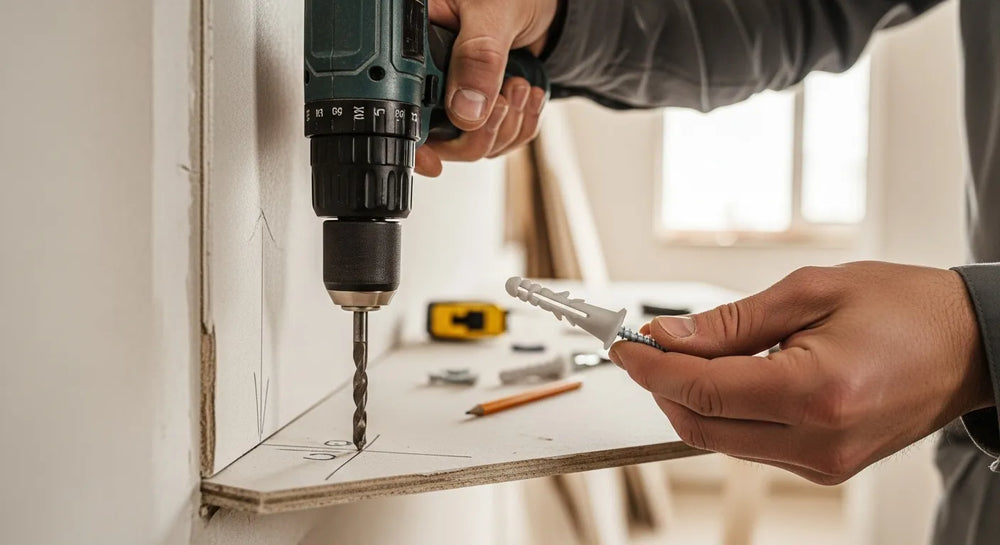
Anchoring a 6x6 Post to Concrete: Best Practices for Industrial Durability
Table of Contents
- Introduction
- The Criticality of Proper Post Anchoring in Industrial Applications
- Understanding the Forces at Play: Why Strength Matters
- Key Considerations Before You Begin
- Methods for Anchoring a 6x6 Post to Concrete
- Step-by-Step Installation Guide (General for Surface Mount with Post Base)
- Choosing the Right Hardware and Materials
- The Maden.co Advantage in Sourcing Anchoring Solutions
- Maintenance and Inspection for Lasting Durability
- Conclusion
- FAQ
Structural integrity in any construction, whether it's a new industrial facility, a heavy-duty storage solution, or critical infrastructure, often hinges on the smallest but most crucial connections. Consider the scenario where a vital piece of machinery's support structure, initially designed to withstand specific loads, begins to show signs of instability due to improperly anchored posts. This isn't just a minor inconvenience; it's a potential safety hazard, an operational bottleneck, and a costly repair waiting to happen. For procurement managers, MRO buyers, and design engineers, understanding the science and precision behind anchoring large timber posts like a 6x6 to a concrete foundation is paramount. It’s not merely about fastening wood to stone; it’s about creating a connection that can endure immense forces, resist environmental degradation, and maintain its strength over decades. This article delves into the essential methods, critical considerations, and expert insights required to securely anchor a 6x6 post to concrete, ensuring long-term stability and compliance with the highest industrial standards. We will explore various anchoring techniques, discuss the specific hardware required, and highlight how precise sourcing from verified U.S. manufacturers can elevate project reliability.
Introduction
The foundation of any robust structure lies in its connections. When it comes to anchoring a substantial timber post, such as a 6x6, to concrete, the stakes are exceptionally high. A weak or improperly executed connection can compromise the entire structure, leading to safety risks, accelerated wear, and expensive remedial work. Imagine a heavy-duty loading dock canopy or an essential equipment support frame that begins to lean due to an inadequate anchor point; the implications for operational continuity and worker safety are significant. This post is designed to provide a comprehensive guide for industrial professionals on how to effectively and durably anchor a 6x6 post to concrete. We will cover the fundamental principles, detail various methods ranging from cast-in-place solutions to surface-mounted strategies, and underscore the importance of selecting the right U.S.-made hardware to guarantee a resilient and compliant installation. Our goal is to equip you with the knowledge to make informed decisions that bolster the stability and longevity of your projects, emphasizing precision, reliability, and the unparalleled quality of American manufacturing.
The Criticality of Proper Post Anchoring in Industrial Applications
In the demanding world of industrial operations, a securely anchored 6x6 post isn't just a convenience; it's a cornerstone of safety and operational efficiency. Unlike residential applications where aesthetics or moderate loads might be the primary concern, industrial structures face relentless stresses: heavy machinery vibrations, dynamic loading from materials handling, extreme weather conditions, and the sheer weight of structural components. A 6x6 post, often employed in robust framing for warehouses, heavy-duty shelving, equipment platforms, or protective barriers, must be anchored with precision to withstand these forces without fail.
Improper anchoring can lead to a cascade of problems. Structural failure is the most severe, risking collapse, personal injury, and catastrophic financial losses. Even less dramatic failures, such as loosening posts, can cause misalignment in connected components, leading to premature wear of machinery, operational downtime, and costly repairs. For a design engineer, specifying the correct anchoring system from the outset is a non-negotiable step in ensuring a project's long-term viability and safety compliance. Procurement managers are tasked with sourcing these critical components, often under tight deadlines and strict budget constraints, yet without compromising on the quality and certification required for industrial resilience.
At Maden.co, we understand these challenges intimately. Our mission is to democratize access to American manufacturing, ensuring that industrial buyers can easily connect with over 2.5 million American-made products from our network of 800+ verified U.S. manufacturers. This commitment to American Manufacturing Pride means that when you source anchoring solutions through our platform, you're not just buying a part; you're investing in a piece of our nation's industrial excellence, backed by rigorous quality standards and transparent supply chains. We recognize that robust anchoring is foundational, and we provide the access to components that build that foundation reliably. You can learn more about our mission to champion American manufacturing and support the nation's industrial backbone here: About Maden.co.
Understanding the Forces at Play: Why Strength Matters
When anchoring a 6x6 post, it's crucial to understand the various forces it will be subjected to. These forces dictate the type of anchor, the materials, and the installation technique required to ensure long-term stability and safety. Ignoring these factors can lead to an under-engineered connection that fails prematurely.
Lateral Loads
These are forces acting perpendicular to the post, attempting to push it sideways. Examples include wind pressure on an exposed structure, impact from moving vehicles, or seismic activity. A post supporting a heavy gate or a large sign will experience significant lateral shear. The anchoring system must be able to resist this shearing force without bending, breaking, or pulling out of the concrete.
Uplift Forces
Uplift forces act vertically upwards, attempting to pull the post out of its concrete base. High winds creating suction on a roof structure, or cantilevered elements exerting leverage, are common sources of uplift. The anchor must have sufficient pull-out strength, resisting the tensile stress that seeks to separate the post from the foundation. This is where the depth of embedment and the design of the anchor itself become critical.
Compression Forces
These are forces acting vertically downwards, attempting to push the post into the concrete. The weight of the structure above the post, dynamic loads from equipment, or heavy snow loads all contribute to compression. While concrete is exceptionally strong in compression, the anchoring system must distribute this load effectively to prevent localized crushing of the concrete or deformation of the post base.
Rotational Forces (Torsion)
Less common but equally destructive, rotational forces can occur when a lateral load is applied unevenly or at a distance from the post's center. This twisting motion can weaken connections and compromise the structural integrity over time. A well-designed anchoring system, often involving multiple fasteners, helps to mitigate these torsional stresses.
For an MRO buyer, understanding these forces translates directly into selecting components that meet specific load ratings, ensuring compliance with critical industry standards like DIN or NPT. This often involves sourcing specialized hardware that can withstand extreme conditions. Our commitment to Industrial Excellence ensures that every product listed on Maden.co, including robust anchoring solutions, is vetted to meet these stringent requirements, providing procurement professionals with confidence in every purchase.
Key Considerations Before You Begin
Before you even think about drilling a hole, a thorough assessment of several critical factors is essential. These considerations will guide your choice of anchoring method, hardware, and installation process, ultimately determining the long-term success of your project.
1. Concrete Condition and Age
- New Concrete: If you're pouring new concrete, you have the advantage of using "cast-in-place" anchors, which are generally the strongest and most reliable. These anchors are embedded directly into the wet concrete, curing with it to form an integral, unyielding bond.
- Existing Concrete: When working with existing concrete slabs or foundations, you'll need "post-installed" anchors. The age and strength of the existing concrete are paramount. Older, weaker, or compromised concrete (e.g., with cracks, spalling, or excessive wear) may not provide sufficient holding power for certain anchor types. Always inspect the concrete thoroughly and, if necessary, conduct pull-out tests or consult with a structural engineer.
2. Post Treatment and Rot Resistance
A 6x6 timber post, especially if exposed to the elements, must be pressure-treated to resist rot, insect infestation, and fungal decay. However, even treated wood should not be in direct contact with concrete, as concrete can wick moisture, creating a persistently damp environment at the post base. This moisture trap can still lead to rot over time, compromising the post's integrity right where it needs to be strongest. Elevated post bases, which lift the post off the concrete by an inch or more, are crucial for promoting airflow and preventing moisture accumulation.
3. Environmental Factors
- Weather Exposure: Will the post be exposed to rain, snow, ice, or extreme temperatures? This impacts the choice of corrosion-resistant hardware (galvanized, stainless steel) and the longevity of the post treatment.
- Wind Zones: Structures in high-wind zones or coastal areas require significantly stronger anchoring to resist lateral and uplift forces. Local building codes will often specify enhanced requirements for these conditions.
- Seismic Activity: In earthquake-prone regions, specific seismic-rated anchors and fastening schedules may be mandated to ensure the structure can withstand dynamic ground movement.
4. Application and Load Requirements
What is the 6x6 post supporting?
- Light-duty fence post: May tolerate simpler anchoring.
- Deck support: Requires robust uplift and compression resistance.
- Heavy equipment platform or structural column: Demands engineered solutions capable of handling significant dynamic and static loads, often requiring chemical anchors or deeply embedded cast-in-place systems.
- Pergola or heavy canopy: Wind loads become a critical factor.
Each application has unique load requirements that dictate the necessary strength and redundancy of the anchoring system. This is where precise load calculations by a design engineer are essential.
5. Local Building Codes and Regulations
This is perhaps the most critical consideration for any industrial project. Building codes provide minimum standards for structural safety and are legally binding. They dictate:
- Minimum anchor sizes and types.
- Required embedment depths.
- Spacing of anchors.
- Specific requirements for treated lumber.
- Load capacities for various applications.
- Seismic and wind resistance standards.
Failure to comply with local codes can lead to inspection failures, costly rework, fines, and even project halts. Always consult the most current local building codes before commencing any anchoring project. For procurement professionals, ensuring that sourced hardware meets these often-stringent requirements is a core responsibility. Maden.co supports Supply Chain Transparency, helping you find components that are not only American-made but also engineered to meet or exceed industry and regulatory standards.
Methods for Anchoring a 6x6 Post to Concrete
Once you've assessed your project's specific needs, you can choose the most appropriate method for anchoring your 6x6 post. Each method has its advantages, ideal applications, and specific hardware requirements.
A. Cast-in-Place Anchors (for New Concrete Pours)
When pouring new concrete, cast-in-place anchors offer the highest level of strength and integration with the foundation. They become an integral part of the concrete structure as it cures, minimizing the risk of pull-out or shear failure.
1. J-Bolts or L-Bolts
These are common, straightforward anchors used to attach a post base to a concrete footing or slab.
- How they work: The threaded end protrudes above the concrete, while the J- or L-shaped bend is embedded deep within the wet concrete, providing resistance against pull-out.
- Installation: Position them accurately in the wet concrete before it sets, ensuring the correct spacing for your post base. Allow the concrete to cure fully before attaching the post base with washers and nuts.
- Advantages: Very strong, cost-effective, excellent pull-out resistance when properly embedded.
- Considerations: Requires precise placement, difficult to adjust once concrete sets. Best for applications where the post base footprint is known in advance.
2. Embedded Post Bases/Brackets
These are specialized metal brackets designed to be partially or fully embedded into wet concrete, providing a direct connection point for the post. Many designs include features to elevate the post off the concrete.
- How they work: A portion of the heavy-gauge steel bracket is submerged in the concrete, often with fins or tabs that lock it in place, while a saddle or U-shaped bracket extends above the surface to hold the post.
- Installation: Place the bracket in the wet concrete, ensuring it's plumb and at the correct height, then secure it until the concrete cures. The 6x6 post is then typically fastened to the bracket using bolts or lag screws.
- Advantages: Provides excellent uplift and lateral resistance, protects the post end from moisture contact with concrete, offers a clean and professional appearance.
- Considerations: Can be more expensive than J-bolts, requires careful placement during the pour.
B. Surface-Mounted Post Bases (for Existing Concrete)
For existing concrete slabs or foundations, surface-mounted post bases are the go-to solution. These bases are fastened onto the concrete surface using mechanical or chemical anchors, then the 6x6 post is attached to the base. This method is highly versatile and widely used in renovation, expansion, or retrofit projects.
1. Elevated Post Bases (Stand-Off Bases)
These are arguably the most recommended type for longevity, especially for outdoor or damp environments.
- How they work: These bases feature a bracket that lifts the bottom of the 6x6 post typically 1 inch or more off the concrete surface. This crucial gap prevents direct moisture wicking from the concrete into the end grain of the post, significantly reducing the risk of rot. The base itself is then secured to the concrete using heavy-duty anchors.
- Installation: Mark the anchor points, drill holes into the concrete, clean the holes thoroughly, install the chosen anchors (e.g., wedge, sleeve, drop-in, or chemical), secure the post base, and finally, attach the 6x6 post to the base.
- Advantages: Superior rot protection, excellent structural connection, wide range of load ratings available.
- Considerations: Requires precise drilling and anchor selection based on concrete condition and load.
2. Adjustable Post Bases
Some surface-mounted bases offer adjustability, allowing for minor leveling or alignment adjustments after installation.
- How they work: They often incorporate a threaded rod or a shim system that allows vertical adjustment of the post after the base has been anchored to the concrete.
- Advantages: Ideal for situations where perfect initial leveling of the concrete isn't guaranteed, or for fine-tuning structural alignment.
- Considerations: May have slightly lower load capacities than fixed bases, depending on the design.
3. Heavy-Duty Steel Brackets (U-Shaped or L-Shaped)
For straightforward, high-strength connections, simple heavy-gauge steel brackets can be used.
- How they work: A U-shaped bracket cradles the bottom of the post, while L-shaped brackets are bolted to adjacent faces. These are then secured to the concrete with an array of anchors.
- Advantages: Robust, straightforward, often more economical for very heavy loads if rot protection isn't the primary concern (though elevated bases are always preferred).
- Considerations: Does not elevate the post from the concrete, making rot prevention a higher priority for the post's treatment and maintenance.
C. Direct Embedment (With Caveats for Concrete)
While generally not recommended for directly anchoring a 6x6 on a concrete slab (due to the rot risk), direct embedment is relevant when a post is set into a concrete footer below grade.
- How it works: A hole is dug, the post is placed, and concrete is poured around it. The rough surface of the wood, combined with the curing concrete, creates a strong bond.
- Advantages: Extremely strong lateral resistance.
- Considerations: Critical to use highly treated lumber (e.g., ground-contact rated) and ensure proper drainage to prevent premature rot. The post must be perfectly plumb during the pour. This method is more common for fence posts directly in soil with a concrete collar, rather than structural posts on a concrete slab.
D. Chemical Anchoring
Chemical anchoring, also known as adhesive anchoring or epoxy anchoring, provides an incredibly strong and reliable bond, often exceeding the strength of the concrete itself. This method is increasingly preferred for heavy-duty, critical, or seismic applications.
- How it works: A hole is drilled into the concrete, then a two-part epoxy or resin adhesive is injected into the hole. A threaded rod or rebar anchor is then inserted into the wet adhesive. As the resin cures, it creates a chemical bond between the anchor and the concrete, filling any irregularities in the drill hole.
- Advantages: Extremely high pull-out and shear strength, vibration resistant, ideal for heavy dynamic loads, allows for closer edge distances and spacing compared to mechanical anchors, suitable for cracked and uncracked concrete.
- Considerations: Requires careful mixing and application according to manufacturer specifications, cure time must be observed, temperature sensitive. More costly than mechanical anchors but offers superior performance for demanding applications.
For a procurement manager under pressure to source a specific DIN 931 compliant hex cap screw, a design engineer needing specific material certifications for a new prototype, or an MRO buyer facing an unexpected equipment breakdown, the ability to quickly find and finance a verified, U.S.-made part is a game-changer. Our platform, Maden.co, offers precisely this advantage. We connect you directly with a vast catalog of industrial components that meet stringent specifications. For instance, when it comes to securing post bases to existing concrete, you'll need reliable concrete anchors. For high-strength applications, a robust solution like the BN Products 3/8-inch Inside Thread Sanko Drop-In Concrete Anchor provides excellent pull-out resistance and ease of installation in pre-drilled holes. For those who require specialized tools to work with concrete shear connectors, consider the specific engineering of a 1-Headed Concrete Anchor Shear Connector Chuck, or even a more comprehensive Concrete Anchor Shear Connector Chuck Set for versatile project needs.
Step-by-Step Installation Guide (General for Surface Mount with Post Base)
While specific instructions will vary based on your chosen anchor and post base, this general guide covers the critical steps for a surface-mounted system on existing concrete.
1. Preparation and Layout
- Clean the Surface: Ensure the concrete surface is clean, dry, and free of debris, oil, or loose material. Any contaminants can compromise the anchor's hold.
- Position the Post Base: Carefully position the post base on the concrete where the 6x6 post will be located. Use a level and measuring tape to ensure accurate placement.
- Mark Drill Points: Using a permanent marker or pencil, accurately mark the locations for drilling through the holes in the post base.
2. Drilling Anchor Holes
- Select the Correct Drill Bit: Use a hammer drill with a carbide-tipped masonry bit that matches the diameter specified by your chosen anchor manufacturer. The drill bit's diameter is crucial; too small, and the anchor won't fit; too large, and it won't hold properly.
- Set Drill Depth: Mark the required drilling depth on your drill bit with tape or use a depth stop. Over-drilling is generally better than under-drilling, but consistency is key.
- Drill Plumb: Hold the hammer drill absolutely perpendicular to the concrete surface to ensure straight holes for optimal anchor performance. Drill at a consistent speed, allowing the hammer action to do the work.
3. Cleaning the Holes
This is a frequently overlooked but critical step.
- Remove Debris: Use a wire brush specifically designed for anchor holes and a vacuum cleaner or compressed air (with eye protection) to thoroughly remove all dust and concrete particles from the drilled holes. Residual dust can severely reduce the holding power of any anchor, especially chemical anchors. For chemical anchors, a final clean with an air blower and nylon brush, sometimes followed by a solvent, is typically recommended by the manufacturer.
4. Installing the Anchors
- Mechanical Anchors (e.g., wedge, sleeve, drop-in): Insert the anchor into the clean hole. For wedge anchors, tighten the nut to engage the expansion mechanism. For sleeve anchors, tightening the bolt expands the sleeve. For drop-in anchors, they are hammered in until flush, and then a setting tool is used to expand the internal wedge. Always follow the manufacturer's specific tightening torque recommendations.
- Chemical Anchors: Inject the epoxy or resin into the hole, usually starting from the bottom, filling it to the recommended level (often 2/3 full). Immediately insert the threaded rod or rebar with a twisting motion to ensure full encapsulation and remove air bubbles. Allow the adhesive to cure for the manufacturer's specified time before applying any load.
5. Securing the Post Base
- Fasten the Base: Once the anchors are securely in place (and chemical anchors fully cured), position the post base over the anchors and fasten it down tightly using the appropriate nuts, washers, or bolts.
- Check for Level and Plumb: Double-check that the post base is level and oriented correctly for the 6x6 post.
6. Attaching the 6x6 Post
- Position the Post: Carefully lift and place the 6x6 post into the post base. Ensure it's fully seated and plumb.
- Fasten to the Base: Use the specified fasteners (e.g., structural screws, bolts, or lag screws) to attach the post to the post base. Ensure these fasteners are of appropriate length and corrosion resistance. Pre-drilling pilot holes in the post is often necessary to prevent splitting, especially near the end grain.
- Brace for Support: For tall posts, temporarily brace them plumb until the entire structure is stable and secured.
Throughout this process, selecting the right American-made hardware is not merely a preference; it's a strategic decision. Our platform features components built to rigorous standards, offering greater traceability and quality control. We firmly believe that America's manufacturing revival is here, and Maden.co is proud to be at the forefront, connecting you with the highest quality U.S.-made products.
Choosing the Right Hardware and Materials
The success of your anchoring project relies as much on the quality and specifications of your hardware as it does on proper installation. Compromising on these elements can undermine even the most meticulous planning.
Anchor Types and Their Properties
- Wedge Anchors: Excellent for heavy loads in solid concrete. They work by expanding a wedge against the concrete as the nut is tightened, providing strong pull-out resistance. Typically galvanized or stainless steel.
- Sleeve Anchors: Versatile for medium loads in various masonry materials, including concrete. A sleeve expands against the sides of the drilled hole as the bolt is tightened.
- Drop-In Anchors: Internally threaded anchors set flush with the concrete surface. Ideal for removable fixtures or when a flush finish is desired. An internal cone expands the anchor as a setting tool is driven into it.
- Chemical Anchors (Epoxy/Resin): As discussed, these offer superior strength for critical applications by bonding the anchor rod to the concrete. Available in various formulations for different temperature ranges and curing times.
Corrosion Resistance
Given the typical exposure of 6x6 posts to environmental factors, corrosion resistance for all metal components is non-negotiable.
- Hot-Dip Galvanized: A thick zinc coating provides excellent corrosion protection for most outdoor applications.
- Stainless Steel (304 or 316): Offers superior corrosion resistance, especially in marine environments, chemical exposure, or areas with high humidity. Stainless steel fasteners should always be used with stainless steel post bases to prevent galvanic corrosion.
- Coated Fasteners: Other specialized coatings (e.g., ceramic-coated, polymer-coated) can offer enhanced protection but ensure they are rated for exterior use and compatible with pressure-treated lumber chemicals.
Load Ratings and Engineering Specifications
Every anchor and post base will have manufacturer-specified load ratings (shear, tension, and moment loads). These are crucial.
- Certified Load Data: Always refer to manufacturer data sheets and ensure the chosen components meet or exceed the calculated loads for your specific application.
- Industry Standards (e.g., DIN, NPT): For industrial applications, adherence to recognized standards for fasteners, materials, and testing is vital. Sourcing through platforms like Maden.co helps ensure that components are manufactured to precise specifications, reducing risk and improving compliance.
- Material Certifications: For critical structural elements, material certifications (e.g., tensile strength, yield strength) may be required for traceability and quality assurance.
For procurement managers navigating complex sourcing requirements, particularly for design engineers requiring specific material certifications for new prototypes or MRO buyers facing unexpected equipment breakdowns, the ability to quickly find and finance verified, U.S.-made parts is transformative. Maden.co offers transparent access to a vast catalog where product specifications and certifications are readily available, streamlining the procurement friction often associated with specialized industrial components. Our platform is built on Customer Empowerment, providing you with the tools and information to make confident purchasing decisions.
The Maden.co Advantage in Sourcing Anchoring Solutions
In an industrial landscape where supply chain resilience and product traceability are more important than ever, Maden.co stands as America's premier B2B marketplace for U.S.-manufactured products. When you need to securely anchor a 6x6 post to concrete, you're not just looking for a part; you're looking for reliability, compliance, and long-term value. This is precisely where our unique value proposition shines.
Our mission is to democratize access to American manufacturing, making it as convenient and accessible as any global alternative. We achieve this by connecting industrial buyers with an expansive network of over 800+ verified U.S. manufacturers, offering more than 2.5 million American-made products. This means that whether you're sourcing specialized concrete anchors, heavy-duty post bases, or high-grade fasteners, you're accessing a depth and breadth of quality that is unparalleled.
Why Choose Maden.co for Your Anchoring Needs?
- Unmatched Quality and Traceability: Every product on Maden.co comes from a verified U.S. manufacturer. This commitment to American Manufacturing Pride means higher quality control, consistent adherence to industrial standards, and full traceability of your components. You know exactly where your products come from and the standards they meet.
- Supply Chain Resilience: By sourcing domestically, you significantly reduce the risks associated with global supply chain disruptions, lead times, and geopolitical instability. Our platform enhances your supply chain resilience, ensuring you get the parts you need, when you need them.
- Improved Total Cost of Ownership (TCO): While the upfront cost might sometimes be a factor, the long-term benefits of U.S.-made quality far outweigh initial considerations. Reduced failure rates, increased durability, fewer replacements, and minimized project delays all contribute to a significantly lower Total Cost of Ownership. Our products help ensure compliance with critical industry standards, further protecting your investment.
- Digital Innovation for Seamless Procurement: Our platform is designed for efficiency. With advanced search filters, detailed product specifications, and direct access to manufacturer information, Maden.co reduces procurement friction. For a procurement manager streamlining their capital-intensive projects, or a business owner managing cash flow effectively, we provide the tools to make larger-volume purchases with ease.
- Customer Empowerment: We put the power back in your hands. Our transparent marketplace allows you to compare products, review specifications, and connect directly with manufacturers, fostering a more informed and efficient buying experience.
Are you a U.S. manufacturer producing high-quality anchoring solutions, post bases, or other industrial components? We invite you to join our rapidly growing network and become part of America's manufacturing revival. You can Register as a Vendor and help us build the future of American industry.
One of our key differentiators that further empowers industrial buyers is our Instant Financing option. We understand that large-volume purchases or capital-intensive projects require flexible financial solutions. This feature, available directly at checkout, allows procurement managers and business owners to manage cash flow effectively and make strategic purchases without immediate upfront capital expenditure. It's not just a payment method; it's a strategic tool designed to keep your projects moving forward. You can apply for Instant Financing at checkout to streamline your capital-intensive projects.
For any specific sourcing questions or to discuss your unique project requirements, our expert team is ready to provide support. Don't hesitate to reach out to us: Contact Maden.co.
Maintenance and Inspection for Lasting Durability
Once your 6x6 post is securely anchored, the work isn't entirely done. Ongoing maintenance and regular inspections are crucial to ensure the long-term durability and safety of the connection, especially in industrial environments where wear and tear are significant.
Regular Visual Inspections
- Check for Looseness: Periodically attempt to rock the post. Any significant movement could indicate a loosening anchor or structural fatigue.
- Inspect Fasteners: Look for signs of corrosion, rust, or deformation on all bolts, nuts, and screws connecting the post to its base, and the base to the concrete.
- Concrete Integrity: Examine the concrete around the post base for cracks, spalling (flaking), or signs of anchor pull-out.
- Post Condition: Check the timber post itself for rot, insect damage, splitting, or signs of stress, particularly at the connection point with the post base. Ensure the elevated gap between the post and concrete remains clear of debris.
Torque Re-Checks
For mechanical anchors, initial settling of the concrete or wood can sometimes lead to a slight reduction in clamping force. Periodically (e.g., annually or semi-annually, depending on application), re-check the torque on nuts and bolts to ensure they remain tightened to the manufacturer's specifications. Be careful not to overtighten, which can strip threads or damage the concrete/wood.
Corrosion Management
If signs of corrosion appear on galvanized or coated hardware, address them promptly.
- Clean and Recoat: For minor surface rust, clean the affected area and apply a cold galvanizing compound or a suitable rust-inhibiting paint.
- Replace Damaged Hardware: Severely corroded fasteners should be replaced with new, appropriately rated, and corrosion-resistant hardware.
Drainage and Debris Management
Ensure that the area around the post base remains clear of standing water, debris, or soil buildup that could trap moisture and promote rot or corrosion. Good drainage is paramount for longevity.
By implementing a proactive maintenance and inspection schedule, you can significantly extend the lifespan of your anchored 6x6 posts, safeguard your structures, and prevent costly repairs or safety incidents, embodying the principle of Industrial Excellence.
Conclusion
Successfully anchoring a 6x6 post to concrete is a critical undertaking that demands precision, quality materials, and a deep understanding of the forces at play. Whether you're pouring new concrete or working with an existing foundation, selecting the appropriate method—be it cast-in-place anchors, surface-mounted post bases, or high-strength chemical solutions—is paramount for ensuring structural integrity, safety, and longevity. The long-term reliability of your industrial projects, from a simple support post to complex structural frameworks, hinges on the meticulous execution of these anchoring techniques and the superior quality of the components used.
For procurement managers, MRO buyers, and design engineers, the choice of supplier is as vital as the choice of anchor type. Maden.co is dedicated to providing unparalleled access to American-made excellence, championing a future where every industrial project benefits from robust, reliable, and domestically sourced components. Our commitment to American Manufacturing Pride, Supply Chain Transparency, Digital Innovation, and Customer Empowerment means you can confidently source everything you need, from high-strength concrete anchors to specialized post bases, knowing they meet the most rigorous standards. We are not just a marketplace; we are a strategic partner in building a more resilient and efficient procurement process, driving America's manufacturing revival forward.
Don't let inadequate anchoring compromise your next project. Explore our vast catalog of over 2.5 million American-made products today and discover the quality and reliability that only U.S. manufacturers can provide. From the specialized needs of a BN Products 3/8-inch Inside Thread Sanko Drop-In Concrete Anchor to a complete Concrete Anchor Shear Connector Chuck Set for complex installations, we have the solutions you need. Start building with confidence—visit Maden.co to find your next American-made component. You can apply for Instant Financing at checkout to streamline your capital-intensive projects.
FAQ
Q1: What is the most critical factor when anchoring a 6x6 post to existing concrete?
A1: The most critical factor is the condition and strength of the existing concrete itself, followed closely by the selection of the correct anchor type with appropriate load ratings. Thoroughly cleaning the drilled holes before anchor installation is also paramount for achieving full holding power. Using an elevated post base to prevent moisture contact with the post end is crucial for long-term rot resistance.
Q2: Can I use regular lag screws to attach a 6x6 post directly to concrete?
A2: No, you should never use regular lag screws directly into concrete. Lag screws are designed for wood-to-wood connections. To attach anything to concrete, you must use specialized concrete anchors (e.g., wedge anchors, sleeve anchors, drop-in anchors, or chemical anchors) that are designed to create a strong, secure bond with the concrete substrate. The 6x6 post should be attached to a metal post base, which is then anchored to the concrete.
Q3: How do Maden.co's U.S.-made products ensure better anchoring performance?
A3: Maden.co connects buyers with products from verified U.S. manufacturers, ensuring adherence to rigorous quality control standards, precise engineering, and material specifications. This leads to higher consistency in product performance, greater traceability of components, and compliance with strict industry standards, which are all critical for reliable and durable anchoring solutions in demanding industrial applications. Our focus on American Manufacturing Pride directly translates to products you can trust for critical structural connections.
Q4: What are the benefits of using Instant Financing at Maden.co for anchoring hardware?
A4: Instant Financing at Maden.co provides significant strategic advantages for procurement managers and business owners. It allows for effective cash flow management by deferring immediate payment, enabling larger-volume purchases of essential anchoring hardware without tying up upfront capital. This flexibility ensures that projects can proceed without financial delays, maintaining operational momentum and securing the highest quality U.S.-made components when they're needed most. This feature is conveniently available during the checkout process.


