
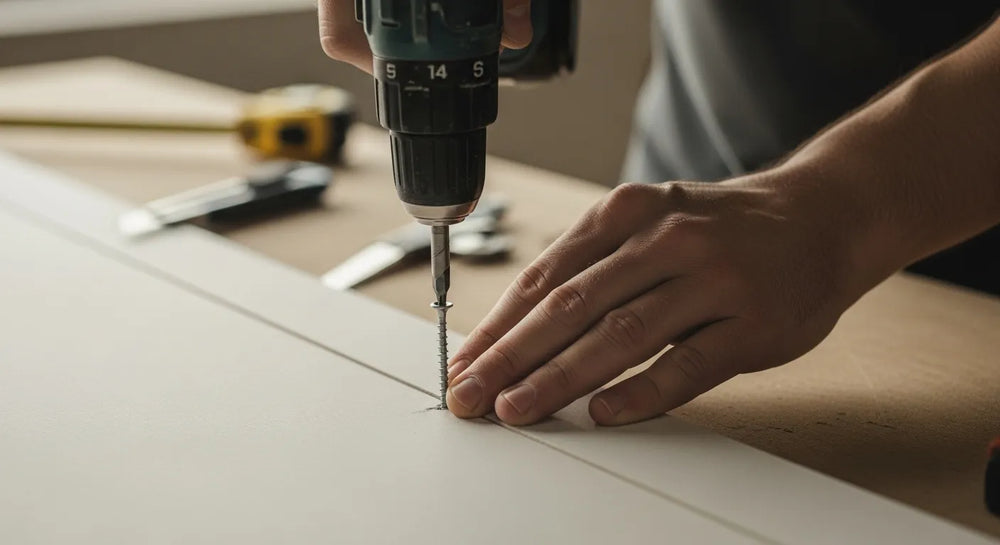
Anchoring Deck Posts to Concrete: A Foundation for Lasting Stability
Table of Contents
- Introduction
- Understanding the Importance of Secure Deck Post Anchoring
- Key Considerations Before You Begin
- Choosing the Right Anchoring Method
- Step-by-Step Guide: How to Anchor Deck Posts to Concrete
- Ensuring Long-Term Durability and Stability
- Sourcing American-Made Anchoring Solutions for Your Project
- Conclusion
- FAQ
Introduction
Imagine a beautifully constructed deck, a focal point for outdoor living or commercial property. Yet, no matter how exquisite the decking or how sturdy the railings, its true strength and longevity hinge on an often-overlooked but absolutely critical element: the connection between its structural posts and the concrete foundation. A failure at this fundamental junction can lead to instability, structural damage, and even safety hazards, costing businesses significant time and resources in repairs and liability. For procurement managers, MRO buyers, and design engineers, ensuring the secure anchoring of deck posts to concrete isn't merely a construction detail; it's a foundational requirement for structural integrity, safety, and long-term value. This post will delve into the essential principles, methods, and best practices for anchoring deck posts to concrete, emphasizing the importance of specifying high-quality, reliable, American-made components that bolster both project resilience and supply chain transparency. We'll explore why a meticulous approach to this critical connection is paramount for any commercial or industrial decking project, ensuring that your structures stand firm against the elements and the test of time.
Understanding the Importance of Secure Deck Post Anchoring
The stability of any deck begins where it meets the ground. Properly anchoring deck posts to a concrete foundation is not just a recommendation; it is a non-negotiable requirement for safety, compliance, and durability. Without a robust connection, deck posts are susceptible to uplift forces from high winds, lateral pressure from seismic activity or heavy loads, and even gradual movement caused by ground shifts or expansion and contraction cycles. A weak anchor can lead to several severe consequences, including:
- Structural Failure: The most critical risk is the potential collapse of the deck, posing extreme danger to occupants.
- Rot and Decay: Direct contact between wood posts and concrete or ground can lead to moisture wicking, accelerating rot and weakening the post base. Proper anchoring methods elevate the wood, mitigating this risk.
- Increased Maintenance and Repair Costs: Poorly anchored posts will inevitably require frequent adjustments, repairs, or premature replacement, driving up total cost of ownership (TCO) unnecessarily.
- Non-Compliance: Building codes universally mandate specific anchoring requirements to ensure structural safety. Failing to meet these standards can result in project delays, fines, and even demolition orders.
- Reduced Lifespan: A deck is a long-term investment. Secure anchoring protects that investment by extending the deck's usable life, reducing the frequency of costly overhauls.
For a procurement manager under pressure to source components that meet strict performance criteria, or a design engineer needing to ensure every specification contributes to overall structural integrity, understanding these risks underscores the immense value of quality anchoring solutions. At Maden.co, our mission is to democratize access to American manufacturing, providing verified, U.S.-made products that meet the highest standards of industrial excellence, ensuring your projects are built on the strongest foundations. You can learn more about our commitment to quality and American industry by visiting our About Us page.
Key Considerations Before You Begin
Before selecting an anchoring method and components, several factors must be carefully evaluated to ensure the integrity and longevity of your deck. These considerations are vital for any industrial buyer or engineer specifying materials for a commercial or public-facing project.
Local Building Codes and Regulations
Adherence to local building codes is paramount. These codes dictate minimum requirements for anchor types, sizes, embedment depths, and spacing, often varying significantly by region due to seismic activity, wind zones, and soil conditions.
- Permitting: Always obtain the necessary permits before starting construction. This typically involves submitting detailed plans that include anchoring specifications.
- Inspection: Be prepared for inspections at various stages, especially after anchor installation and before framing is complete. Ensure your specified anchors meet or exceed local code requirements.
- Engineer Specifications: For larger or more complex commercial decks, an independent structural engineer's stamp of approval on anchor designs and specifications is often required. This ensures that the chosen solution can withstand anticipated loads and environmental stresses.
Concrete Foundation Assessment
The existing or planned concrete foundation is the bedrock of your anchoring system. Its condition, composition, and dimensions directly influence the viability and effectiveness of various anchoring methods.
- Age and Strength: Older concrete may have reduced strength or hidden defects. New concrete must be fully cured (typically 28 days) before anchors are loaded. The concrete's compressive strength (e.g., 2500 psi, 4000 psi) will determine the allowable load for different anchors.
- Thickness: The concrete slab or footing must be thick enough to provide adequate embedment depth and edge distance for the chosen anchors without compromising its structural integrity. Generally, anchors should have an embedment depth of at least 8-10 times their diameter, and the concrete must be at least twice as thick as the anchor's embedment depth.
- Reinforcement: Identify the location of rebar or wire mesh within the concrete. Drilling into rebar can weaken the concrete and damage drill bits. Rebar locators can help avoid these critical structural elements.
- Surface Condition: The concrete surface should be clean, level, and free of spalling or cracks. Any imperfections can affect the post base's seating and the anchor's performance.
Environmental Factors and Material Selection
The environment in which the deck operates will dictate the material specifications for both the post and the anchors.
- Moisture Exposure: Decks exposed to consistent moisture (rain, humidity, sprinklers) require anchors with superior corrosion resistance. Stainless steel (Type 304 or 316) or hot-dip galvanized steel are often preferred over plain carbon steel.
- Chemical Exposure: If the concrete or surrounding soil is treated with chemicals, or if the deck is near a pool, the anchors must be resistant to those specific corrosive agents.
- Treated Lumber Compatibility: Modern pressure-treated lumber (e.g., ACQ, CA) contains copper-based preservatives that are highly corrosive to unprotected steel. Ensure all fasteners and connectors are explicitly rated for use with treated lumber (e.g., G185 hot-dip galvanized, stainless steel).
- Load Requirements: Beyond environmental factors, the anticipated dead and live loads on the deck (people, furniture, snow) will dictate the shear and tension capacities required of the anchors. This often involves specifying larger diameter anchors or more anchor points per post.
Careful consideration of these factors at the procurement and design stages prevents costly errors down the line. We pride ourselves on offering U.S.-manufactured products that meet stringent industry standards, ensuring compliance and long-term performance even in demanding conditions. Our commitment to Industrial Excellence and Supply Chain Transparency means you can trust the specifications and origins of every product on our platform.
Choosing the Right Anchoring Method
Selecting the appropriate anchoring method is crucial for the deck's stability and longevity. Several reliable options exist, each with specific advantages and ideal applications. For procurement professionals, understanding these differences is key to making informed decisions and ensuring the best fit for project requirements.
1. Post Base Connectors (Standoff vs. Flush)
Post base connectors, also known as post anchors or post bases, are the most common and versatile method for anchoring deck posts. They typically consist of a steel bracket that secures the wooden post to the concrete foundation.
-
Standoff Post Bases: These bases feature an elevated design, lifting the bottom of the wooden post 1 inch or more above the concrete surface. This critical gap prevents the end grain of the post from wicking moisture from the concrete, significantly reducing the risk of rot and extending the post's life. Standoff bases are highly recommended for all exterior deck projects.
- Advantages: Superior rot prevention, excellent for treated lumber, visible for inspection.
- Disadvantages: Can be more visually prominent than flush bases.
- Installation: Often secured to the concrete with heavy-duty fasteners like wedge anchors, concrete screws, or sometimes embedded bolts if the concrete is poured around them.
-
Flush Post Bases: These bases seat the post directly on the concrete surface. While providing a clean look, they offer less protection against moisture wicking. They might be suitable for interior applications or covered decks where moisture exposure is minimal, but generally less preferred for exposed outdoor decks.
- Advantages: Discreet appearance.
- Disadvantages: Increased risk of rot, less ideal for exposed outdoor use.
- Installation: Similar to standoff bases, using various concrete fasteners.
When specifying post bases, always look for products made from corrosion-resistant materials (e.g., hot-dip galvanized steel, stainless steel) compatible with treated lumber. These are often available through our network of over 800+ verified U.S. manufacturers.
2. Embedded Anchors (J-Bolts, U-Brackets)
Embedded anchors are cast directly into wet concrete, providing an incredibly strong, monolithic connection once the concrete cures. This method is ideal when new concrete footings or slabs are being poured.
-
J-Bolts or L-Bolts: These are threaded rods with a bent end (J or L shape) that is buried in the concrete. The straight, threaded end protrudes from the concrete, allowing a post base or custom bracket to be bolted down. The bent end provides excellent pull-out resistance.
- Advantages: Extremely strong, high pull-out resistance, cost-effective for new pours.
- Disadvantages: Requires precise placement during concrete pouring, cannot be easily adjusted once concrete sets.
- Installation: Positioned accurately in the wet concrete before it sets, ensuring correct height and alignment. A washer and nut then secure the post base.
-
U-Brackets (Embedded): Some post bases are designed with extended legs that are embedded directly into the wet concrete, creating an integrated anchor and post support. These are essentially a specialized form of embedded post base.
- Advantages: Combines anchor and base, very strong, good for heavy-duty applications.
- Disadvantages: Requires careful placement, difficult to adjust.
The strength and reliability of embedded anchors make them a top choice for critical structural elements. Our platform offers a wide range of U.S.-manufactured hardware suitable for embedding, from high-tensile bolts to custom fabricated brackets, supporting our core value of American Manufacturing Pride.
3. Drill-In Anchors (Wedge Anchors, Drop-in Anchors, Sleeve Anchors)
When attaching posts to existing concrete, drill-in anchors are the go-to solution. These mechanical anchors are inserted into holes drilled into cured concrete.
-
Wedge Anchors: These are heavy-duty, non-removable anchors commonly used for structural connections. A threaded bolt expands a wedge clip at the bottom of the anchor as the nut is tightened, creating a strong friction fit within the concrete.
- Advantages: Very high holding power, reliable, relatively straightforward to install.
- Disadvantages: Non-removable, requires precise hole drilling, sensitive to concrete quality.
- Usage Scenario: For a procurement manager needing a robust connection for a commercial deck, a U.S.-made wedge anchor offers critical structural integrity.
-
Sleeve Anchors: Similar to wedge anchors but often used for lighter to medium-duty applications. They consist of a threaded bolt surrounded by an expandable sleeve. As the bolt is tightened, it pulls a cone into the sleeve, expanding it against the sides of the drilled hole.
- Advantages: Good holding power, can work in less-than-perfect concrete, sometimes removable.
- Disadvantages: Not as strong as wedge anchors for heavy loads.
-
Drop-in Anchors: These are internally threaded anchors that are inserted into a pre-drilled hole and then set by driving an expansion plug or pin into the anchor with a setting tool. This creates an internal thread that allows a bolt or threaded rod to be screwed in.
- Advantages: Flush installation, allows for removable fixtures, good for repetitive assembly/disassembly, can be used close to edges.
- Disadvantages: Requires a setting tool, strength depends heavily on proper installation.
- Usage Scenario: For a design engineer needing a versatile, flush anchoring solution for fixtures or lighter post bases, the BN Products 3/8-Inch Inside Thread Sanko Drop-In Concrete Anchor offers a reliable U.S.-made option, ensuring precision and quality. This type of anchor provides excellent internal threading for secure bolted connections.
-
Concrete Screws (e.g., Tapcon®): While not traditional anchors, these specialized hardened screws cut their own threads into pre-drilled pilot holes in concrete. They are excellent for lighter-duty applications, temporary fixtures, or securing post bases that don't bear extreme loads.
- Advantages: Easy to install, removable, no setting tool required.
- Disadvantages: Lower shear and tension strength compared to mechanical anchors, not for heavy structural connections.
For any of these drill-in methods, having the right tools is paramount. Our marketplace offers robust solutions, including specialized chucks that ensure precision and durability for demanding projects. For instance, the 1-Headed Concrete Anchor Shear Connector Chuck is engineered for optimal performance when installing shear connectors or similar concrete anchors, providing a secure grip and efficient power transfer. For broader applications, the Concrete Anchor Shear Connector Chuck Set provides a versatile solution for MRO buyers, equipping them with a range of chucks to handle various anchor sizes and types, streamlining operations and reducing procurement friction.
Step-by-Step Guide: How to Anchor Deck Posts to Concrete
Proper installation is just as critical as selecting the right components. A detailed, step-by-step approach ensures that each anchor performs as intended.
1. Preparation: Tools and Safety
Before beginning, gather all necessary tools and prioritize safety.
- Tools: Rotary hammer drill (with appropriate concrete bits), impact wrench or torque wrench, measuring tape, level, chalk line, rebar locator, safety glasses, hearing protection, dust mask, setting tools (if using drop-in anchors), caulk gun (for sealants).
- Materials: Chosen post bases, anchors, compatible fasteners, treated lumber for posts, shims (if needed), epoxy/grout (for chemical anchors, if used), corrosion-resistant hardware.
- Safety First: Always wear appropriate PPE. Be aware of electrical lines, plumbing, or existing utilities embedded in the concrete.
2. Marking and Drilling
Precision in marking and drilling is fundamental to anchor performance.
- Layout: Carefully mark the precise locations for each post base according to your plans. Use a chalk line and square to ensure proper alignment.
- Anchor Point Marking: Once the post base is in position (dry fit), mark the exact drill points through its anchor holes onto the concrete.
-
Drilling:
- Use a rotary hammer drill with a carbide-tipped masonry bit of the correct diameter for your chosen anchor.
- Drill to the specified depth (check anchor manufacturer's instructions for minimum embedment). Over-drilling slightly (an extra 1/2 inch) can provide space for dust.
- For existing concrete, use a rebar locator to avoid drilling into rebar, which can weaken the concrete or damage your bit.
- Clean the hole thoroughly using a wire brush and a vacuum or compressed air. Dust left in the hole significantly reduces anchor holding power.
3. Anchor Installation (Method-Specific)
For Wedge/Sleeve Anchors:
- Insert the anchor into the clean, drilled hole.
- Tap it gently with a hammer until the washer and nut are flush with the concrete surface or the post base (if attaching through the base).
- Tighten the nut to the manufacturer's specified torque using a torque wrench. This expands the anchor within the hole, creating the secure connection. Do not overtighten.
For Drop-in Anchors:
- Insert the drop-in anchor flush with the concrete surface.
- Use the correct setting tool (specific to the anchor size) and a hammer to drive the expansion plug down into the anchor. You should feel a firm resistance as it sets.
- Ensure the anchor is fully expanded and secure before attaching the post base with a machine bolt. The BN Products 3/8-Inch Inside Thread Sanko Drop-In Concrete Anchor is an example of a high-quality, U.S.-made anchor that relies on this precise setting process.
For Embedded Anchors (New Pours):
- Securely position J-bolts or U-brackets in the wet concrete using templates or bracing to ensure perfect alignment and embedment depth while the concrete cures. This typically involves suspending them from a jig above the formwork.
- Ensure the threaded portion or connecting points are clean and accessible once the concrete is set.
4. Post Placement and Fastening
- Set the Post Base: If not already attached during anchor installation, position the post base over the installed anchors (or embedded bolts).
- Secure the Post Base: Fasten the post base to the concrete anchors using the appropriate washers and nuts, tightening to specifications.
- Position the Post: Place the treated lumber post into the post base. Ensure it is plumb using a level.
- Fasten the Post: Secure the post to the post base using specified fasteners (e.g., galvanized or stainless steel structural screws, bolts, or nails) suitable for the post base and treated lumber. Always follow the post base manufacturer's instructions for the number and type of fasteners.
- Sealant (Optional but Recommended): For added moisture protection, apply a bead of high-quality, flexible sealant around the perimeter of the post base where it meets the concrete, ensuring water sheds away.
This level of detail, from material sourcing to installation technique, exemplifies the Industrial Excellence we champion at Maden.co. By following these rigorous steps and utilizing verified U.S.-made components, you're building more than a deck; you're building a reputation for reliability and quality.
Ensuring Long-Term Durability and Stability
The longevity of a deck post anchoring system extends beyond initial installation. Proactive measures and regular oversight are essential to maintaining structural integrity and preventing premature failure. For MRO buyers and facility managers, this means implementing strategic procurement and maintenance protocols.
Proper Fasteners and Hardware
The quality of every component in the system impacts overall durability.
- Compatibility: All fasteners, washers, and nuts used with anchors and post bases must be compatible with the base materials (wood and concrete) and resistant to environmental factors. Using inferior fasteners can lead to premature corrosion, weakening the entire connection.
- Corrosion Resistance: As discussed, for outdoor applications, hot-dip galvanized (G185 rated) or stainless steel (Type 304 or 316) fasteners are mandatory, especially with modern treated lumber. The preservatives in treated wood can rapidly corrode unprotected steel.
- Strength and Shear Rating: Fasteners must have sufficient shear and withdrawal strength for the intended loads. Specifying components that meet recognized standards (e.g., ASTM, DIN, NPT equivalents where applicable) is critical. Maden.co emphasizes Supply Chain Transparency, ensuring that our products meet these vital industry specifications.
Corrosion Resistance
Corrosion is the silent enemy of deck anchors. Even robustly installed systems can fail if the materials are not adequately protected.
- Material Selection: Stainless steel offers superior corrosion resistance in harsh environments (coastal, high humidity). Hot-dip galvanization provides a sacrificial zinc coating that protects steel.
- Isolation: Where dissimilar metals are in contact, galvanic corrosion can occur. Use non-conductive shims or barriers if necessary, particularly between aluminum and steel components, though this is less common for deck post anchoring.
- Drainage: Ensure the design promotes proper drainage around the post bases. Pooling water significantly accelerates corrosion. Standoff post bases are invaluable for this reason.
Regular Inspection and Maintenance
A comprehensive maintenance schedule can identify potential issues before they become critical failures.
- Visual Checks: Annually inspect all post bases and anchors for signs of rust, corrosion, cracking in the concrete around the anchors, or loose fasteners. Look for any movement or tilting of posts.
- Tightening: Periodically check and retighten any accessible nuts and bolts on the anchor system, especially after the first few seasons, as wood can shrink and expand.
- Cleaning: Keep post bases free of debris, soil, and organic matter that can trap moisture against the metal or wood.
- Sealant Review: If sealants were used around the post bases, inspect them for cracks or deterioration and reapply as needed.
By integrating these practices into your facility's maintenance plan, you not only extend the life of your deck but also uphold the highest standards of safety and operational efficiency. Choosing high-quality, U.S.-made anchoring solutions from a trusted source like Maden.co is the first step in building that foundation of durability.
Sourcing American-Made Anchoring Solutions for Your Project
In today's complex procurement landscape, the decision of where to source industrial components extends far beyond simple price comparison. For procurement managers, design engineers, and MRO buyers, the strategic advantages of sourcing American-made anchoring solutions for deck posts are profound, impacting everything from supply chain resilience to overall project quality and cost. At Maden.co, we are committed to being America's premier B2B marketplace for U.S.-manufactured products, championing these benefits every step of the way.
The Unparalleled Value of U.S.-Made Components
When you choose American-made anchors and post bases, you're investing in more than just a piece of hardware; you're investing in reliability, accountability, and the future of domestic manufacturing.
- Assured Quality and Compliance: U.S. manufacturers adhere to stringent quality control standards and often surpass regulatory requirements (e.g., ASTM, ICC-ES listings, building codes). This provides an inherent guarantee of consistency, material integrity, and performance. For critical structural components like deck anchors, this peace of mind is invaluable, directly reducing project risk.
- Supply Chain Resilience: Relying on domestic suppliers significantly mitigates risks associated with international logistics, geopolitical instability, and unforeseen global disruptions. Shorter lead times, easier communication, and reduced freight costs contribute to a more predictable and robust supply chain. This is a cornerstone of our value proposition at Maden.co, fostering Digital Innovation to connect buyers directly with U.S. manufacturers.
- Superior Technical Support: Direct access to U.S.-based manufacturing experts and technical support teams ensures quick resolution of questions, accurate product specifications, and guidance on complex applications. This localized expertise can be a game-changer for design engineers tackling specific challenges. If you have specific sourcing questions, our team is ready to help through our Contact Us page.
- Economic Impact: Every purchase of an American-made product supports domestic jobs, fosters innovation within our borders, and strengthens the U.S. manufacturing base. This aligns with our core value of American Manufacturing Pride and our tagline: "America's manufacturing revival is here."
The Ease of Procurement Through Maden.co
We understand that procurement in the industrial sector demands efficiency, transparency, and a vast selection. Our platform is designed to deliver precisely that.
- Democratizing Access: Maden.co connects industrial buyers with over 2.5 million American-made products from our network of 800+ verified U.S. manufacturers. This extensive catalog means that whether you need a specialized 1-Headed Concrete Anchor Shear Connector Chuck for a robust connection, a comprehensive Concrete Anchor Shear Connector Chuck Set for diverse project needs, or a precise BN Products 3/8-Inch Inside Thread Sanko Drop-In Concrete Anchor, you can find it with unprecedented ease.
- Streamlined Search and Discovery: Our intuitive platform allows you to quickly locate hard-to-find components, compare specifications, and source precisely what your project demands, saving valuable time and reducing procurement friction.
- Verified Manufacturers: Every manufacturer on Maden.co is thoroughly vetted, ensuring you partner with reputable, U.S.-based companies committed to quality and ethical manufacturing. This aligns with our focus on Customer Empowerment and building trust.
- A Strategic Partner: For a design engineer needing specific material certifications for a new prototype, or an MRO buyer facing an unexpected equipment breakdown and needing to quickly find a verified, U.S.-made part, the ability to rapidly source and finance is a game-changer. We aim to become the definitive platform that proves American-made components are as accessible and convenient as any global alternative.
Are you a qualified U.S. manufacturer looking to expand your reach? Register as a vendor and join the American manufacturing revival.
Strategic Financing for Capital-Intensive Projects
We recognize that large-scale industrial and commercial projects often involve significant capital outlay. That's why we offer "Instant Financing" as a key differentiator and a strategic tool for businesses.
- Effective Cash Flow Management: Instant Financing allows procurement managers and business owners to manage cash flow effectively by enabling larger-volume purchases without immediate upfront capital expenditure. This can free up operating capital for other critical business needs.
- Flexibility for Growth: By providing access to immediate funds, businesses can seize opportunities, respond to urgent project requirements, and invest in higher-quality, more durable components that might otherwise be deferred due to budget constraints.
- Seamless Integration: The application process for Instant Financing is seamlessly integrated into the checkout process on Maden.co, making it convenient and efficient for businesses to leverage this powerful feature when they need it most.
Leveraging Maden.co for your anchoring needs means more than just buying parts; it means securing your projects with confidence, optimizing your procurement process, and strategically positioning your business for long-term success with the backing of American manufacturing strength.
Conclusion
The secure anchoring of deck posts to concrete is a foundational element that dictates the safety, durability, and overall success of any decking project. From understanding critical building codes and assessing concrete foundations to selecting the most appropriate anchoring method and ensuring meticulous installation, every step in the process demands attention to detail and a commitment to quality. The choice of materials, particularly their resistance to corrosion and compatibility with modern treated lumber, profoundly impacts the long-term stability and lifespan of the structure.
For procurement managers, MRO buyers, and design engineers, making informed decisions about these critical components is paramount. Sourcing high-quality, reliable, American-made anchoring solutions from verified manufacturers not only ensures compliance and superior performance but also fortifies your supply chain against disruptions, fosters economic resilience, and champions the revival of domestic manufacturing.
Maden.co stands as your strategic partner in this endeavor. Through our expansive marketplace, which connects you to over 2.5 million American-made products from 800+ verified U.S. manufacturers, we democratize access to the industrial excellence you need. We empower you to find everything from essential BN Products 3/8-Inch Inside Thread Sanko Drop-In Concrete Anchors to specialized tooling like the Concrete Anchor Shear Connector Chuck Set or the individual 1-Headed Concrete Anchor Shear Connector Chuck, all while upholding our core values of American Manufacturing Pride and Customer Empowerment.
Don't compromise on the foundation of your projects. Explore the vast catalog of U.S.-made anchoring solutions and related hardware available on Maden.co today. Empower your business with reliable components, strengthen your supply chain, and build with confidence. You can apply for Instant Financing at checkout to streamline your capital-intensive projects, ensuring that quality and strategic investment are always within reach. The future of American manufacturing is here, and we invite you to be a part of it.
FAQ
Q1: What are the most common reasons deck post anchors fail? A1: Deck post anchors typically fail due to improper installation (incorrect drill depth, uncleaned holes, insufficient torque), using materials with inadequate corrosion resistance for the environment (especially with treated lumber), or insufficient capacity for the loads (undersized anchors for the deck's weight or wind uplift). Direct wood-to-concrete contact leading to rot is also a significant factor that proper standoff post bases prevent.
Q2: Is it always necessary to use a standoff post base when anchoring to concrete? A2: For outdoor, exposed deck posts, using a standoff post base is highly recommended. It elevates the wooden post above the concrete, preventing moisture wicking into the end grain, which is a primary cause of rot. While flush bases might be used in very dry or fully protected indoor applications, the superior rot prevention of standoff bases makes them the standard choice for durable outdoor decking.
Q3: Can I use concrete screws (e.g., Tapcons) for structural deck post anchoring? A3: Concrete screws are generally suitable for lighter-duty applications, temporary fixtures, or securing non-load-bearing elements. For structural deck post anchoring where significant shear, tension, or uplift forces are present, heavy-duty mechanical anchors like wedge anchors, sleeve anchors, or robust drop-in anchors (such as the BN Products 3/8-Inch Inside Thread Sanko Drop-In Concrete Anchor) are usually specified by building codes and engineering guidelines. Always consult local codes and an engineer for structural applications.
Q4: How does Maden.co ensure the quality of its American-made anchoring products? A4: Maden.co is committed to industrial excellence and supply chain transparency. We exclusively feature products from over 800+ verified U.S. manufacturers who adhere to stringent quality control standards and industry specifications (e.g., ASTM, ICC-ES). Our platform provides detailed product specifications, allowing procurement managers and engineers to select components that meet specific compliance and performance requirements, ensuring that every American-made product purchased through our marketplace contributes to the stability and longevity of your projects.


