
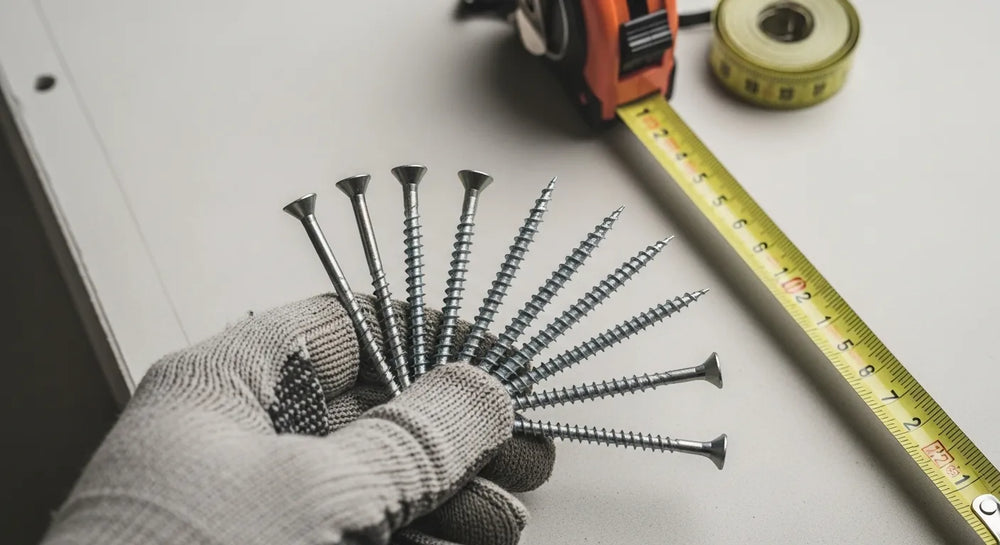
Eliminating Drywall Pops: How to Fix Popped Nails and Screws Effectively
Table of Contents
- Introduction
- Understanding the "Pop": Why Drywall Fasteners Fail
- The Operational Impact: Beyond the Visible Flaw
- Essential Tools and Materials for a Professional Repair
- Step-by-Step Guide to Fixing Popped Drywall Nails and Screws
- Prevention is Paramount: Best Practices for Drywall Installation
- The Maden.co Advantage: Strategic Sourcing for Lasting Quality
- Conclusion
- FAQ
The rhythmic hum of machinery, the structured flow of materials, and the meticulous precision of assembly lines often define the industrial landscape. Yet, even in the most controlled environments, small, persistent issues can emerge, creating not just aesthetic flaws but potential operational disruptions. Consider a manufacturing facility undergoing expansion or a commercial space requiring routine MRO; few things are as universally irritating, or as indicative of underlying structural movement, as a popped drywall nail or screw. These seemingly minor blemishes can signal deeper structural shifts, reflect material fatigue, or simply be the byproduct of improper installation, collectively impacting the perceived quality and longevity of an asset. For procurement managers, MRO buyers, and business owners, understanding and effectively addressing these issues isn't merely about aesthetics; it's about maintaining facility integrity, reducing future maintenance costs, and ensuring a professional environment that reflects operational excellence.
At Maden.co, our mission is to democratize access to American manufacturing, providing industrial buyers with the high-quality, U.S.-made components necessary for lasting solutions. This post delves into the common causes behind popped drywall fasteners, provides a comprehensive, step-by-step guide to fixing them, and, critically, highlights how strategic sourcing of superior, American-made materials can prevent these issues from recurring. We believe that America’s manufacturing revival is here, and it’s built on the foundation of quality, reliability, and informed procurement.
Introduction
Imagine walking through a newly renovated facility, or perhaps a critical operational space, only to spot a series of small, unsightly bumps protruding from the smooth drywall surfaces. These aren't just minor cosmetic flaws; popped drywall nails and screws are often symptoms of movement within the building's framing, fluctuating environmental conditions, or, crucially, improper fastening techniques during installation. For a procurement manager overseeing facility maintenance budgets, an MRO buyer tasked with ensuring operational continuity, or a business owner safeguarding asset value, these "pops" represent more than just an aesthetic annoyance—they signal potential structural instability and recurring maintenance headaches.
This comprehensive guide aims to equip professionals with the knowledge and practical steps required to not only effectively repair popped drywall fasteners but also to understand the underlying causes that lead to them. By delving into proper techniques, essential tools, and the critical role of high-quality U.S.-made fasteners, we will demonstrate how informed decision-making in material procurement can significantly reduce future maintenance burdens. Our ultimate goal is to provide a definitive resource for addressing this common challenge, emphasizing solutions that enhance durability and operational efficiency.
Understanding the "Pop": Why Drywall Fasteners Fail
Before tackling any repair, it's essential to understand why drywall nails and screws decide to surface. These "pops" are not random occurrences; they are indicators of tension, movement, or improper installation. Pinpointing the root cause is critical for a lasting repair and proactive prevention.
Common Causes of Drywall Fastener Pops
- Framing Movement and Wood Shrinkage: This is perhaps the most prevalent cause, especially in newer construction or structures subjected to significant temperature and humidity fluctuations. As wood framing dries and settles over time, it naturally shrinks and expands. If drywall is fastened rigidly to these moving studs, the fasteners can be pulled or pushed through the drywall surface, creating a noticeable bump. This is particularly common with nails, which have less holding power than screws.
-
Improper Fastener Installation:
- Over-Driving or Under-Driving: Screws and nails should be driven just below the surface of the drywall, creating a slight "dimple" that can be easily filled with joint compound. Over-driving a fastener can break the paper face of the drywall, severely reducing its holding power. Under-driving leaves the fastener head protruding, which will inevitably show through the joint compound and paint.
- Angled Fasteners: While some angled fastening can add strength, screws driven at a sharp angle without proper countersinking can create undue stress points, leading to failure.
- Insufficient Fastener Depth: If a screw or nail doesn't adequately penetrate the wood stud (typically at least 5/8 inch for drywall screws), its grip will be weak, making it prone to popping out.
- Missing the Stud: Fasteners that miss the stud entirely or only partially engage it will have no structural support, allowing the drywall sheet to flex and the fastener to move.
- Humidity and Environmental Fluctuations: Drywall itself can absorb moisture, expanding and contracting with changes in humidity. These subtle movements, combined with framing shifts, can exert pressure on fasteners, particularly in areas like bathrooms, basements, or regions with significant seasonal climate variations.
- Excessive Weight or Stress: In commercial or industrial settings, drywall in high-traffic areas or behind heavy fixtures (like large whiteboards, shelving, or wall-mounted equipment) can be subjected to additional stress. If the fasteners aren't robust enough or spaced appropriately, they can eventually give way.
- Using Nails Instead of Screws: While nails were once standard, screws have largely replaced them in modern drywall installation due to their superior holding power. Nails rely solely on friction and can be more easily worked loose by the forces described above. Screws, with their threads, actively grip the wood, providing a much more secure attachment.
The Material Factor: Quality Fasteners Matter
The quality of the fastener itself plays a crucial role. Cheap, brittle screws can snap, strip, or corrode, compromising the integrity of the drywall attachment. High-quality, U.S.-made drywall screws are designed with specific thread patterns, head types, and material compositions to ensure optimal grip, minimize stripping, and resist corrosion, making them a cornerstone of durable construction. For instance, coarse-thread drywall screws are specifically designed for optimal grip in wood studs, while fine-thread screws excel in metal studs, ensuring that each application has the right fastener for maximum performance.
Understanding these underlying causes helps shift the perspective from a simple repair job to a strategic maintenance decision. It underscores the importance of not just patching the problem but addressing its source with appropriate materials and techniques.
The Operational Impact: Beyond the Visible Flaw
For procurement managers and MRO buyers, the appearance of popped drywall fasteners extends beyond simple aesthetics. These issues carry tangible operational and financial implications that warrant a strategic response. They can signal broader challenges within a facility's infrastructure and impact critical business functions.
Erosion of Facility Professionalism and Perception
In any commercial or industrial setting, first impressions matter. A facility marred by numerous drywall pops can convey a sense of neglect or cut corners, potentially impacting client perception, employee morale, and even regulatory inspections. For businesses heavily reliant on their physical space—be it a showroom, a production floor, or an office complex—maintaining a polished, well-kept environment is a direct reflection of operational excellence. Addressing these issues promptly and effectively is part of maintaining a professional image.
Increased Maintenance Burden and Costs
Ignoring popped fasteners can lead to a compounding problem. As the underlying causes (e.g., framing movement) persist, more fasteners may pop, or existing repairs may fail. This translates into a recurring maintenance loop, where MRO teams are consistently re-patching and repainting. Each instance consumes valuable labor hours, materials, and disrupts daily operations. Over time, these cumulative costs can significantly impact the maintenance budget. Investing in a permanent fix with high-quality materials from the outset is a strategic decision that saves costs in the long run.
Potential for Structural Integrity Concerns
While a single popped screw won't bring down a wall, a widespread pattern of fastener failures can indicate significant movement in the building's framing. This movement, if left unchecked, could potentially lead to larger structural issues, such as cracking along seams, sagging sections of drywall, or compromise the integrity of wall-mounted fixtures. For design engineers, understanding the forces at play and specifying the correct fasteners during initial construction or renovation is paramount. Using robust, U.S.-made components, like those available through Maden.co, ensures adherence to stringent quality controls, offering peace of mind regarding structural reliability.
Challenges in Compliance and Safety
In certain industrial environments, maintaining wall surfaces free from defects can be a matter of compliance, especially in controlled environments, clean rooms, or areas subject to regular inspections. Protruding fasteners can also create minor snagging hazards in tight spaces. While seemingly small, these details contribute to an overall safety profile that meticulous MRO buyers are trained to uphold.
For a procurement manager under pressure to source a specific component for a critical repair, or an MRO buyer facing unexpected equipment downtime, the ability to quickly find and finance a verified, U.S.-made part is a game-changer. Our platform, Maden.co, provides exactly this—a direct conduit to a vast catalog of industrial components, helping you address these operational challenges efficiently and effectively. We understand that every component, down to a drywall screw, contributes to the overall resilience and performance of your operations.
Essential Tools and Materials for a Professional Repair
Approaching a drywall fastener repair with the right tools and materials is half the battle. Skimping on quality here can lead to re-dos and wasted effort, precisely what MRO teams and business owners aim to avoid. By investing in durable, appropriate tools and high-grade consumables, you ensure a lasting, professional finish.
Core Tool Kit
- Drywall Screw Gun or Drill with Clutch: Essential for driving new screws to the correct depth without stripping them or tearing the drywall paper. A dedicated screw gun is ideal for extensive work, offering precise depth control.
- Hammer: Needed if you encounter a nail pop that needs to be removed or driven in further.
- Utility Knife: For cutting away loose paper or old joint compound.
- 6-inch and 10-inch Drywall Taping Knives (or Mud Knives): The 6-inch is for applying the initial layers of joint compound and filling the dimples. The 10-inch is for feathering out the compound smoothly over a larger area.
- Sanding Block or Pole Sander: For smoothing dried joint compound. A sanding sponge is suitable for smaller areas.
- Dust Mask and Safety Glasses: Crucial for personal protection against drywall dust and debris.
- Clean Bucket and Mixing Paddle/Drill Attachment: For mixing joint compound to the correct consistency, especially for larger jobs.
Quality Materials Make the Difference
- High-Quality Drywall Screws: This is perhaps the most critical material. Opt for U.S.-made drywall screws known for their strength, reliable thread patterns, and resistance to corrosion. For securing drywall to wood studs, coarse-thread screws are generally preferred. If you are working with metal studs, fine-thread screws are the appropriate choice. We offer a wide selection of robust, American-made fasteners. For instance, the versatile 6 x 1-1/4 Coarse Thread Drywall Screws are an excellent choice for many wood-framed applications, providing reliable grip and durability. For situations requiring a longer reach or thicker drywall, consider the robust 8 x 4 Drywall Screw. If your project involves metal framing, the precision-engineered 6 x 1 Fine Thread Drywall Screw ensures optimal performance. Sourcing these through Maden.co connects you directly with verified American manufacturers, guaranteeing the quality your projects demand.
- All-Purpose Joint Compound (Mud): Choose a reputable brand of pre-mixed or setting-type joint compound. Pre-mixed is convenient for smaller repairs, while setting-type (powder that you mix with water) dries harder and faster, ideal for multiple coats or larger projects.
- Drywall Mesh Tape or Paper Tape (Optional, for larger cracks): While not always needed for simple screw pops, if the pop has created a significant crack or torn the drywall paper, tape provides reinforcement. Mesh tape is self-adhesive and easy to use, while paper tape requires a thin layer of compound underneath.
- Primer: A high-quality primer is essential to ensure uniform paint absorption and to prevent "flashing" (uneven sheen) over the repaired area. Some primers also have stain-blocking properties, which can be useful if the original fastener caused any discoloration.
- Matching Paint: Obtain paint that precisely matches the existing wall color for a seamless repair.
Procuring these materials through a reliable source like Maden.co ensures you're getting U.S.-made quality, which contributes significantly to the longevity and integrity of your repairs. We are committed to supply chain transparency, connecting you directly with manufacturers who uphold industrial excellence.
Step-by-Step Guide to Fixing Popped Drywall Nails and Screws
Executing a repair correctly ensures longevity and a professional finish, preventing repeat maintenance calls. This detailed process is applicable whether you're dealing with a single pop or multiple occurrences across a larger facility.
Step 1: Identify and Secure the Problem Area
- Locate All Pops: Systematically inspect the wall for all popped fasteners. Run your hand over the surface to feel for subtle bumps you might not see. Mark each one with a pencil.
-
Determine Fastener Type:
- Nail Pop: If it's a nail, use a hammer to gently tap the nail back in. Do not drive it completely through the stud. The goal is to get it flush or slightly below the surface. If the nail head is exposed and very loose, carefully pry it out with the claw of your hammer.
- Screw Pop: If it's a screw, use a screwdriver or drill to try and tighten it. If it spins freely, it may have stripped the wood or missed the stud. If it snugs up but then pops again when you release pressure, it's not holding properly.
-
Secure New Fasteners:
- For any identified pop (nail or screw), install two new drywall screws approximately 1.5 to 2 inches above and below (or to either side) of the original fastener.
- Drive these new screws into the stud until their heads are just below the drywall surface, creating a slight dimple without breaking the paper. This new positioning ensures a secure attachment to solid wood.
- If you removed a loose nail, these new screws are your primary attachment points. If you couldn't remove a nail or screw, these new fasteners will provide the necessary grip.
- For optimal security and to prevent future pops, use high-quality, American-made drywall screws such as the 6 x 1-1/4 Coarse Thread Drywall Screws for wood studs, or the 6 x 1 Fine Thread Drywall Screw if you're working with metal framing.
Step 2: Prepare the Surface
- Clean and Trim: Use a utility knife to carefully cut away any loose or torn drywall paper around the dimpled new screws or the old pop site. This creates a clean, stable base for the joint compound.
- Lightly Sand (Optional): If there are any slight ridges or existing compound from a previous, failed repair, a quick, light sanding can help create a smoother foundation. Wipe away dust with a damp cloth.
Step 3: Apply the First Coat of Joint Compound
- Mix Compound: If using setting-type compound, mix it according to package directions to a smooth, workable consistency. For pre-mixed, you might need to stir it to ensure even texture.
- Fill the Dimples: Using your 6-inch taping knife, scoop a small amount of joint compound. Apply it directly over the new screw heads and any remaining old fastener sites. Press firmly to ensure the compound fills the dimple completely.
- Feather Out: Lightly feather the edges of the compound using the taping knife, extending it slightly beyond the repair area. The goal is to create a small, smooth mound that tapers seamlessly into the surrounding wall.
Step 4: Dry and Sand the First Coat
- Allow to Dry: Let the first coat of joint compound dry completely. Drying times vary based on humidity, temperature, and compound type, but typically range from a few hours to overnight. It should be hard and white.
- Light Sanding: Once dry, lightly sand the area with your sanding block or sponge. The goal is to smooth out any ridges or imperfections. Avoid over-sanding, which can expose the fastener head. Wipe away dust with a damp cloth.
Step 5: Apply Subsequent Coats (As Needed)
- Second Coat: Apply a second, very thin coat of joint compound, extending it slightly wider than the first coat. Use your 10-inch knife for this, if preferred, to create a wider, flatter patch that blends more effectively. Feather the edges meticulously. This coat helps to further blend the repair into the wall.
- Dry and Sand: Allow the second coat to dry completely, then sand lightly until smooth. Repeat this process for a third coat if necessary, aiming for a perfectly flat and smooth surface that is indistinguishable from the surrounding wall. Always wipe away sanding dust.
Step 6: Prime and Paint
- Prime the Repair: Apply a high-quality primer over the entire repaired area. Primer ensures that the new paint adheres evenly and prevents "flashing"—where the repaired spot appears different in sheen from the rest of the wall, even with matching paint. Let the primer dry according to manufacturer instructions.
- Paint: Once the primer is dry, apply at least two coats of matching paint. Ensure even coverage and allow adequate drying time between coats.
By following these meticulous steps and utilizing high-quality fasteners from a trusted source, you can achieve a professional and lasting repair, restoring the integrity and appearance of your facility walls. Our commitment to industrial excellence ensures that the products you source through Maden.co meet the highest standards for durability and performance.
Prevention is Paramount: Best Practices for Drywall Installation
While fixing popped fasteners is essential, preventing them in the first place offers significant long-term savings in MRO costs and preserves the integrity of your facilities. Proactive measures, especially during initial construction or renovation, leverage superior materials and techniques. At Maden.co, we champion U.S.-made components precisely because they empower preventative strategies.
1. Choose the Right Fasteners for the Job
The type of fastener is not a one-size-fits-all decision.
- Screws Over Nails: Always opt for drywall screws over nails. Screws provide superior holding power due to their threaded design, which grips the wood fibers firmly, resisting pull-out more effectively than smooth-shank nails.
-
Thread Type Matters:
- Coarse-Thread Screws: Ideal for securing drywall to wood studs. Their aggressive threads create a strong bond with wood fibers. For general purpose wood framing, the 6 x 1-1/4 Coarse Thread Drywall Screws provide reliable performance. For situations requiring greater penetration, consider the 8 x 4 Drywall Screw.
- Fine-Thread Screws: Designed for metal studs. Their tighter threads cut into the thinner gauge metal without stripping. If your facility uses metal framing, the 6 x 1 Fine Thread Drywall Screw is the optimal choice for ensuring a secure, lasting attachment.
- Length and Penetration: Ensure screws are long enough to penetrate the framing member by at least 5/8 inch. For standard 1/2-inch drywall, 1-1/4 inch or 1-5/8 inch screws are common choices for wood studs.
- Quality Sourcing: Sourcing fasteners from verified U.S. manufacturers, as we facilitate at Maden.co, guarantees you receive products that adhere to strict quality controls, reducing the risk of material failure.
2. Master Proper Fastener Installation Techniques
- Depth Control: Use a drywall screw gun with an adjustable clutch or a drill with a depth-setting attachment. The screw head should create a slight "dimple" in the drywall surface, just breaking the paper but not tearing it. Over-driving damages the paper, while under-driving leaves a bump.
- Spacing: Follow recommended spacing guidelines, typically 12 inches on ceilings and 16 inches on walls for standard 1/2-inch drywall. Ensure fasteners are at least 3/8 inch from the edge of the drywall sheet to prevent edge blow-out.
- Avoid Angles (Mostly): Drive screws perpendicular to the drywall surface and into the center of the framing member. While sometimes angling screws for additional reinforcement is practiced, inconsistent or extreme angles can weaken the drywall's integrity around the fastener.
- Locate Studs Accurately: Use a reliable stud finder to ensure every fastener hits the center of a framing member. Screws that miss the stud entirely are guaranteed to pop.
3. Account for Environmental and Structural Dynamics
- Acclimation of Framing Lumber: If working with new wood framing, allow it to acclimate to the building's interior environment for several days or weeks before installing drywall. This reduces the amount of moisture the wood will lose after drywall installation, thereby minimizing shrinkage and movement.
- Humidity Control: In areas prone to high humidity (e.g., basements, bathrooms, or certain climates), consider using moisture-resistant drywall and ensure proper ventilation. Consistent humidity levels can reduce drywall and framing movement.
- Minimize Stress Points: In high-traffic areas or where heavy objects will be mounted, consider additional blocking within the wall cavity or heavier-gauge drywall. Reinforcing these areas during construction can prevent future problems.
By integrating these best practices into your procurement and construction protocols, you can drastically reduce the incidence of drywall pops. Our commitment to American Manufacturing Pride means we connect you with manufacturers who share these values of durability and performance. We empower customers by providing digital innovation in sourcing, ensuring supply chain transparency for all your critical industrial needs.
The Maden.co Advantage: Strategic Sourcing for Lasting Quality
For procurement managers, MRO buyers, and business owners, the choice of where and how to source industrial components is a strategic one, impacting everything from project timelines and budget adherence to long-term operational efficiency and facility integrity. When it comes to critical fasteners like drywall screws, the Maden.co platform offers a distinct advantage, positioning itself not just as a marketplace, but as a strategic partner in building more reliable and efficient procurement processes.
Unparalleled Access to American-Made Excellence
At Maden.co, our core mission is to democratize access to American manufacturing. We understand that sourcing high-quality, U.S.-made products is crucial for maintaining supply chain resilience, ensuring compliance with rigorous standards, and supporting domestic industries. Our platform connects industrial buyers with an extensive network of over 800+ verified U.S. manufacturers, providing access to more than 2.5 million American-made products. This vast catalog means that whether you're searching for specific coarse-thread drywall screws for a wooden frame or fine-thread screws for metal studs, you can find the exact, high-quality component you need, made right here in America.
Enhancing Supply Chain Resilience and Transparency
The past few years have underscored the fragility of global supply chains. Sourcing through Maden.co inherently strengthens your supply chain resilience by reducing reliance on overseas logistics and potential geopolitical disruptions. Our focus on U.S. manufacturing provides unparalleled supply chain transparency. You know exactly where your products come from, ensuring consistent quality and ethical production standards. This commitment to transparency is one of our core values, offering peace of mind to buyers who prioritize reliability and accountability.
Driving Down Total Cost of Ownership (TCO)
While the initial purchase price is a factor, smart procurement focuses on Total Cost of Ownership (TCO). Investing in superior, U.S.-made drywall screws, for instance, means fewer fastener pops, reduced rework, less labor for repairs, and a longer lifespan for your wall systems. This directly translates into lower maintenance costs over the lifetime of the asset. Our platform helps you make informed decisions that prevent future expenses, rather than just solving immediate problems.
Simplified Procurement and Digital Innovation
We understand the friction often associated with B2B procurement. Maden.co leverages digital innovation to streamline this process. Our user-friendly interface allows procurement managers to efficiently navigate a massive catalog, compare specifications, and make informed purchasing decisions with unprecedented ease. This efficiency reduces administrative overhead and frees up valuable time for strategic planning. You can easily locate specific products, such as robust 8 x 4 Drywall Screw for demanding applications, or ensure you have a ready supply of the versatile 6 x 1-1/4 Coarse Thread Drywall Screws for everyday needs.
Strategic Financing for Capital-Intensive Projects
A key differentiator that further empowers our customers is our "Instant Financing" option. We recognize that large-volume purchases or capital-intensive MRO projects require flexible financial solutions. Instant Financing isn't just a payment method; it's a strategic tool designed to help businesses manage cash flow effectively, allowing procurement managers and business owners to acquire the necessary materials without upfront capital strain. This feature, available directly at checkout, ensures that critical projects aren't delayed due to budgetary limitations. It allows you to invest in the quality components needed for lasting repairs and construction, bolstering your operational continuity.
Partnering for Industrial Excellence
Our commitment to Industrial Excellence extends beyond simply providing products. We aim to foster a community that champions American manufacturing. We are constantly expanding our network, and if you are a qualified U.S. manufacturer looking to reach a broader industrial audience, we invite you to register as a vendor and join us in driving America’s manufacturing revival. For our buyers, this means an ever-growing selection of top-tier products. Learn more about our mission and values, and how we are committed to revitalizing domestic production by visiting our About Us page.
Maden.co is more than just a marketplace; it’s a catalyst for progress, ensuring that the highest quality, U.S.-made components are accessible, transparent, and strategically beneficial for every industrial buyer. If you have specific sourcing questions or need assistance navigating our extensive catalog, our expert team is always ready to help; simply contact us directly.
Conclusion
Popped drywall nails and screws, while seemingly minor, are symptoms that can betray deeper issues within a facility's structure and maintenance protocols. For procurement managers, MRO buyers, and business owners, addressing these effectively moves beyond a simple cosmetic fix; it’s about making informed choices that enhance long-term durability, reduce operational costs, and uphold the professional image of your assets. By understanding the root causes, employing meticulous repair techniques, and—most importantly—prioritizing the use of high-quality, American-made fasteners, you can significantly mitigate these recurring problems.
The strategic choice to source industrial components from trusted U.S. manufacturers is fundamental to building resilient supply chains and ensuring consistent product quality. At Maden.co, we are proud to be at the forefront of America's manufacturing revival, connecting you directly with the verified U.S. manufacturers who produce the durable, reliable products your projects demand. From the precision-engineered 6 x 1 Fine Thread Drywall Screw for metal framing to the robust 8 x 4 Drywall Screw for tougher applications, our extensive catalog offers solutions that not only fix current problems but proactively prevent future ones.
Don't let recurring drywall issues become a drain on your resources. Empower your procurement process with the superior quality and transparency offered by Maden.co. Explore our vast selection of American-made industrial products today and discover the difference that industrial excellence makes. For your larger or capital-intensive projects, remember you can apply for Instant Financing at checkout to streamline your purchases and maintain optimal cash flow. Begin building a more resilient and efficient future for your operations, starting with the very best components, sourced right here in America, at Maden.co.
FAQ
Q1: Why do drywall nails and screws pop out in the first place?
A1: Drywall fasteners typically pop due to movement in the building's framing, primarily caused by wood shrinkage and expansion from changes in humidity or settling. Improper installation, such as over-driving screws (which breaks the drywall paper) or under-driving (leaving the head proud), can also contribute. Using nails instead of screws, which offer less holding power, is another common factor.
Q2: Is it better to use nails or screws for drywall installation and repair?
A2: It is definitively better to use screws. Drywall screws, especially those with coarse threads for wood studs or fine threads for metal studs, provide significantly superior holding power compared to nails. Their threads actively grip the framing material, making them far less prone to popping out due to building movement or vibrations. For repairs, always use new screws to re-secure the drywall.
Q3: Can I just mud over a popped drywall fastener?
A3: Simply mudding over a popped fastener is a temporary fix that will almost certainly fail again. The underlying cause of the pop—be it framing movement or a loose fastener—will persist. For a lasting repair, you must first secure the drywall by installing new screws into the stud a few inches above and below the original pop, ensuring they create a secure attachment to the framing. Only after the area is stable should you proceed with applying joint compound.
Q4: How can I prevent drywall pops in new construction or renovations?
A4: Prevention is key to reducing long-term MRO costs. Key preventive measures include: using high-quality drywall screws (coarse-thread for wood, fine-thread for metal) instead of nails; ensuring screws are driven to the correct depth (dimpled, not torn paper); proper fastener spacing; allowing framing lumber to acclimate to indoor conditions before drywall installation to minimize shrinkage; and ensuring consistent indoor humidity levels where possible. Sourcing U.S.-made, quality fasteners from verified manufacturers like those found on Maden.co contributes significantly to preventing these issues.


