
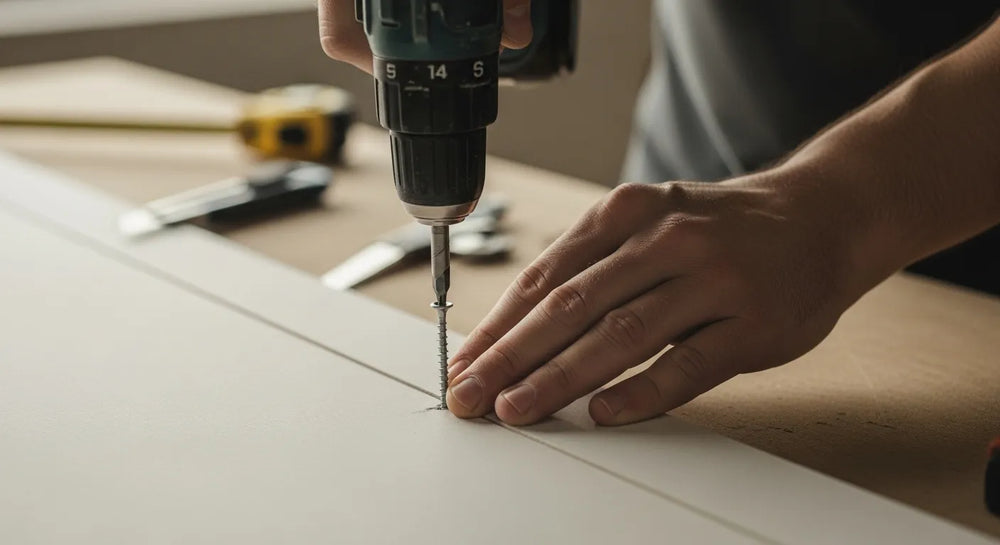
Extracting Stuck Screws from Metal: A Professional's Handbook
Table of Contents
- Understanding the Challenge: Why Screws Get Stuck
- Prevention is the Best Medicine: Proactive Strategies
- The Arsenal: Essential Tools for Stuck Screw Removal
- Step-by-Step Techniques for Extracting Stuck Screws
- Special Considerations for Different Metals
- Beyond Removal: Ensuring Future Reliability with Maden.co
- Conclusion
- Frequently Asked Questions (FAQ)
The hum of machinery, the rhythmic precision of an assembly line, the integrity of structural components – all rely on countless small, yet critical, fasteners. When one of these seemingly insignificant parts, a single screw, decides to seize its position within a metal assembly, it can bring an entire operation to an unexpected halt. A stuck screw isn't merely an inconvenience for a hobbyist; in industrial settings, it translates directly into lost productivity, unexpected downtime, material damage, and escalating maintenance costs. For a procurement manager scrambling to keep a line running, an MRO buyer facing an unforeseen equipment breakdown, or a design engineer needing to modify a prototype, the inability to swiftly address a seized fastener can cascade into significant operational and financial pressures.
This comprehensive guide is engineered for industrial professionals who understand that precision and efficiency are paramount. We will delve into the underlying causes of stubbornly stuck screws, explore a professional arsenal of tools and advanced techniques for their extraction, and, crucially, discuss proactive strategies to prevent future occurrences. Our aim is to equip you with the knowledge to diagnose, tackle, and overcome this common industrial challenge, ensuring your operations remain smooth and resilient. At Maden.co, we recognize that mastering such fundamental maintenance and repair tasks is vital, and our commitment is to provide the highest quality American-made components that prevent these very issues, thereby strengthening your supply chain and operational integrity.
Understanding the Challenge: Why Screws Get Stuck
Before attempting extraction, it's essential to understand why a screw might be stuck in the first place. This diagnostic step not only informs the best removal strategy but also highlights critical areas for preventative action.
Corrosion and Oxidation
This is arguably the most common culprit. When metals are exposed to moisture, chemicals, or atmospheric conditions, they can oxidize and corrode. Rust, a form of iron oxide, is particularly insidious, expanding in volume and effectively cementing the screw threads within the parent material. Dissimilar metals in contact (galvanic corrosion) can accelerate this process, leading to a strong bond that resists conventional loosening.
Over-tightening and Stripped Threads
Excessive torque during installation can stretch the screw, deform the threads of the fastener or the receiving material, or even shear the screw head. A stripped screw head, where the drive recess is damaged, is a direct result of improper torque or tool engagement, rendering standard screwdrivers useless. Over-tightening can also cold-weld the threads, essentially fusing them together under extreme pressure.
Material Expansion and Contraction (Thermal Locking)
When materials are subjected to significant temperature fluctuations, they expand and contract at different rates. If a screw and the material it's threaded into have different coefficients of thermal expansion, they can bind together tightly. This "thermal locking" can be particularly problematic in high-temperature industrial environments or outdoor applications where diurnal temperature swings are significant.
Thread-Locking Compounds
While designed to prevent screws from loosening due to vibration, thread-locking compounds (like anaerobic adhesives) can make intentional removal challenging. If a permanent-grade thread locker was used without applying the appropriate heat or chemical solvent during disassembly, the screw will remain stubbornly locked.
Improper Fastener Selection
Using a screw that is too weak for the application, made of an incompatible material, or has an incorrect thread pitch can lead to premature failure, stripping, or seizing. For instance, using a standard steel screw in an environment requiring stainless steel can quickly lead to corrosion and binding.
Fatigue and Shear Stress
Over time, screws exposed to dynamic loads, vibration, or repetitive stress can suffer material fatigue. This can lead to the screw head or shank shearing off, leaving a portion of the fastener embedded in the material. This scenario presents a unique set of extraction challenges.
Prevention is the Best Medicine: Proactive Strategies
The most efficient solution to a stuck screw is to prevent it from happening at all. Integrating best practices into your procurement, design, and maintenance protocols can significantly reduce downtime and the need for complex extraction procedures. At Maden.co, our mission to democratize access to American manufacturing directly supports these preventative measures by providing high-quality, reliable components.
Selecting the Right Fastener for the Job
Understanding the application's environment, material compatibility, load requirements, and desired permanence is crucial.
- Material: Choose materials resistant to the specific corrosive agents present (e.g., stainless steel for moisture, brass for non-sparking needs).
- Coating/Plating: Zinc plating offers good corrosion resistance for many indoor applications. For more demanding needs, consider specialized coatings. For example, our selection includes fasteners like the Steel Zinc Plated Type A Pan Slot Drive Self-Tapping Sheet Metal Screw, offering reliable performance in sheet metal applications where a protective coating is beneficial.
- Thread Type: Match the screw's thread type to the material it's fastening into. Self-tapping screws, such as our Hi-Lo Double Lead Thread Self-Tapping Sheet Metal Screw, are designed for specific materials and can prevent issues related to thread damage during installation.
- Head Type and Drive: Choose head types and drive styles that facilitate proper torque application and reduce cam-out. For applications requiring a robust connection in sheet metal, consider fasteners like the Steel Zinc Plated Type A Truss Square Drive Self-Tapping Sheet Metal Screw, which offers superior torque transmission and resistance to stripping compared to traditional drives.
Proper Torque Management
Over-tightening is a primary cause of stripped heads and threads.
- Torque Wrenches: Utilize calibrated torque wrenches for critical fasteners to ensure they are tightened to manufacturer specifications.
- Training: Ensure technicians are properly trained in fastener installation best practices.
Using Anti-Seize Compounds and Lubricants
For fasteners in corrosive environments, high-temperature applications, or dissimilar metal connections, anti-seize compounds are invaluable. These specialized lubricants prevent metal-to-metal contact, reduce friction during assembly, and allow for easier disassembly later. Graphite, copper, and nickel-based anti-seize compounds are common.
Material Compatibility
Be mindful of galvanic corrosion. When two dissimilar metals are in contact in the presence of an electrolyte (like moisture), one metal will corrode preferentially. Selecting fasteners and components from compatible materials or using insulating washers can prevent this.
Regular Maintenance and Inspection
Incorporating fastener checks into routine maintenance schedules can identify potential issues before they become critical. Loose fasteners can be re-torqued, and early signs of corrosion can be addressed.
The Arsenal: Essential Tools for Stuck Screw Removal
Approaching a stuck screw requires a strategic selection of tools. Having the right equipment can make the difference between a swift resolution and an irreversible problem.
Basic Hand Tools
- High-Quality Screwdrivers: Invest in screwdrivers with robust, properly sized tips that fit the screw head snugly.
- Pliers and Vice Grips: For screws with exposed heads or shafts, vice grips can provide immense clamping force and leverage.
- Wrenches: For screws with hex heads, combination wrenches or sockets are essential.
Impact Drivers (Manual and Powered)
- Manual Impact Driver: These use hammer blows to provide rotational force and downward pressure simultaneously, ideal for breaking loose stubborn Phillips head screws.
- Powered Impact Driver: Electric or pneumatic versions offer consistent, high-torque impacts, effective for a wide range of fasteners.
Screw Extractors
These are specialized tools designed to grip and remove screws with damaged heads or sheared shafts.
- Spiral Flute Extractors (Easy-Outs): These conical, reverse-threaded tools are drilled into a pilot hole in the screw and then turned counter-clockwise to bite into the metal and extract the screw.
- Straight Flute Extractors: Often used with tap wrenches, these square-profile tools are driven into a pilot hole and provide immense torque.
- Left-Hand Drill Bits: These drill bits are designed to rotate counter-clockwise. Sometimes, the drilling action itself can be enough to back out a stubborn screw.
Drilling Equipment
- Power Drill (Corded or Cordless): A variable-speed drill is indispensable for creating pilot holes for extractors or for drilling out the entire screw.
- Drill Bits: High-speed steel (HSS), cobalt, or carbide-tipped drill bits are needed for drilling into various metal types.
- Drill Guides: These jigs ensure accurate, perpendicular drilling, crucial when drilling out a screw to avoid damaging the surrounding material or snapping the drill bit.
Heating and Cooling Equipment
- Heat Gun/Torch: Controlled heat can expand the outer material, breaking the bond with the screw. Propane torches are common, but precise heat guns are safer for sensitive materials.
- Penetrating Oil: Formulated to creep into tight spaces, penetrating oils dissolve rust and lubrication, helping to free seized threads.
- Cold Spray/Dry Ice: Applying cold can contract the screw, shrinking its diameter and potentially breaking the corrosive bond.
Cutting Tools
- Rotary Tool (e.g., Dremel): Equipped with cutting wheels, these can be used to grind away a stripped head or cut a new slot for a flathead screwdriver.
- Hacksaw/Angle Grinder: For larger, more accessible screws, these can be used to cut off the head or exposed shaft.
Specialized Welders
- MIG/TIG Welder: For severely damaged or broken screws, welding a nut onto the exposed shaft can provide a new, strong purchase for a wrench.
Step-by-Step Techniques for Extracting Stuck Screws
Successfully removing a stuck screw requires a methodical approach, starting with the least destructive methods and escalating as needed. Safety must always be the paramount concern.
Initial Assessment and Preparation
- Safety First: Always wear appropriate personal protective equipment (PPE), including safety glasses, gloves, and hearing protection. Ensure adequate ventilation if using heat or chemicals.
- Clean the Area: Remove any dirt, grease, or debris around the screw head. Use a wire brush or pick tool to clear the drive recess.
- Identify the Screw Type and Material: Knowing the screw material (e.g., mild steel, stainless steel) and the parent material will influence tool selection and technique.
Technique 1: The Penetrating Oil and Impact Approach
This is the first line of defense for many seized screws, especially those rusted in place.
- Apply Penetrating Oil: Liberally apply a high-quality penetrating oil directly to the screw head and threads. Allow it to soak for at least 15-30 minutes, or even several hours or overnight for severely corroded fasteners. Tapping the screw head gently with a hammer can help the oil wick into the threads.
- Gentle Tapping: After soaking, use a hammer and a center punch to gently tap the screw head directly. The vibrations can help break the corrosion bond.
-
Using an Impact Driver:
- Manual Impact Driver: Select the correct bit, insert it into the driver, and press down firmly while striking the end with a hammer. Turn the driver counter-clockwise. The combined impact and rotational force can often free the screw.
- Powered Impact Driver: With the correct bit, apply firm, steady pressure and use short bursts of reverse action. Avoid continuous high-speed rotation, which can strip the head further.
Technique 2: Heat and Cold Cycling
Thermal shock can be highly effective at breaking corrosion bonds or expanding/contracting materials to create clearance.
- Applying Heat: Use a heat gun or small propane torch to heat the material surrounding the screw, not the screw itself, if possible. The expansion of the outer material can loosen its grip on the screw. Heat to a dull red glow (if permissible for the material), then immediately proceed to the next step.
- Applying Cold: Immediately after heating, apply cold directly to the screw head. Use cold spray, a can of compressed air held upside down, or even dry ice. The sudden contraction of the screw while the surrounding material is still expanded can create a micro-fracture in the corrosion or break the bond.
- Attempt Removal: While the temperature differential is still active, immediately try to turn the screw with an impact driver or vice grips. Repeat the heat/cold cycle several times if necessary.
Technique 3: For Stripped Heads – The Screw Extractor Method
When the drive recess is stripped, a screw extractor is your best friend.
- Prepare the Head: If the screw head is still somewhat intact but stripped, use a center punch to create a small dimple in the exact center of the screw head. This will guide your drill bit.
- Drill a Pilot Hole: Select a drill bit slightly smaller than the root diameter of the screw threads. Using your power drill, carefully drill a pilot hole into the center of the stripped screw. If using a left-hand drill bit, the drilling action itself might sometimes back out the screw.
-
Insert and Turn the Extractor:
- Spiral Flute: Gently tap the spiral extractor into the pilot hole with a hammer until it bites firmly. Then, using a tap wrench or adjustable wrench, slowly turn the extractor counter-clockwise. The extractor's reverse threads will dig into the screw, eventually causing it to turn out.
- Straight Flute: Drive the straight-flute extractor into the pilot hole with a hammer, then use a tap wrench to turn it counter-clockwise.
- Note on Replacement: After successfully extracting a problematic fastener, consider replacing it with a high-quality, U.S.-made alternative to prevent future issues. For sheet metal applications, the Hi-Lo Double Lead Thread Self-Tapping Sheet Metal Screw offers superior thread engagement and reduced cam-out risks, ensuring a more reliable connection.
Technique 4: When the Head is Gone – Drilling It Out
If the screw head has completely sheared off, or other methods have failed, drilling out the screw may be necessary. This requires precision to avoid damaging the threads of the parent material.
- Center Punch: Precisely center punch the exact middle of the broken screw shaft. Accuracy here is paramount.
- Drill Small Pilot Hole: Start with a small drill bit (e.g., 1/16" or 1/8") and carefully drill straight down through the center of the screw. Using a drill guide is highly recommended.
- Gradually Enlarge: Incrementally increase the drill bit size, always checking to ensure you are drilling concentrically. The goal is to drill away the screw material without damaging the existing threads in the parent material.
- Extract Remaining Shell: Once you've drilled close to the major diameter of the original screw, the remaining thin-walled shell of the screw threads may be loose enough to pick out with a scribe, dental pick, or small pliers.
-
Re-tap (if necessary): If the threads are damaged during this process, you may need to re-tap the hole to the original size or tap it to a larger size if space permits.
- Replacement Considerations: For applications where robust self-tapping screws are used in sheet metal, such as enclosures or HVAC systems, sourcing high-quality replacements is crucial for longevity. Our Steel Zinc Plated Type A Pan Slot Drive Self-Tapping Sheet Metal Screw is an excellent example of a reliable, U.S.-made fastener that ensures strong, lasting connections.
Technique 5: Creating a New Drive – The Dremel or Grinder Approach
For screws with completely rounded or stripped heads that are still protruding above the surface, you can create a new drive.
- Cut a Slot: Using a rotary tool (like a Dremel) with a thin cutting wheel, carefully cut a straight slot across the diameter of the screw head. This creates a new recess for a flathead screwdriver.
- Grind Flats: Alternatively, for larger screws, you can use an angle grinder to carefully grind two parallel flats onto the screw head, creating a surface that can be gripped by an open-end wrench or vice grips.
- Attempt Removal: With the new drive, apply penetrating oil and attempt to turn the screw.
Technique 6: The Nut and Weld Method (Advanced)
This technique is reserved for severely broken or inaccessible screws where other methods have failed and the screw is made of weldable material (e.g., steel, not aluminum or cast iron). This requires welding expertise.
- Prepare the Surface: Ensure the top surface of the broken screw is clean and free of corrosion.
- Position a Nut: Place a nut (slightly larger than the screw shaft) over the broken screw.
- Weld Together: Carefully weld the inside of the nut to the exposed tip of the broken screw shaft. Allow it to cool. The heat from welding can also help loosen the threads.
-
Turn the Nut: Once cooled, use a wrench on the newly welded nut to turn and extract the screw.
- Post-Extraction Best Practices: After such an intensive removal, selecting a high-quality replacement is paramount. Our extensive catalog of American-made fasteners, including options like the Steel Zinc Plated Type A Truss Square Drive Self-Tapping Sheet Metal Screw, provides robust solutions that reduce the likelihood of future issues, supporting industrial excellence and supply chain resilience.
Special Considerations for Different Metals
The properties of the parent material and the screw material significantly impact the best extraction strategy.
Aluminum
- Galling: Aluminum is prone to galling (cold welding) with certain fasteners, especially stainless steel, if not properly lubricated.
- Softer Material: Aluminum threads are softer and more easily damaged. Exercise extreme caution when drilling or using extractors to avoid stripping the hole.
- Heat Sensitivity: Aluminum has a lower melting point than steel; use heat sparingly and with great care to avoid warping or melting the component.
Stainless Steel
- Work Hardening: Stainless steel has a tendency to work-harden when drilled or machined without proper technique, becoming harder and more difficult to cut. Use slow speeds, high pressure, and cutting fluid.
- Galling: Stainless steel fasteners are highly prone to galling, especially when threaded into stainless steel or aluminum. Always use anti-seize when installing.
Cast Iron
- Brittleness: Cast iron is brittle and can crack if excessive force is applied or if it's subjected to rapid temperature changes.
- Corrosion: Cast iron is often prone to significant rust. Penetrating oil and heat cycling are particularly effective.
- Careful Drilling: Drill slowly and avoid sudden impacts.
Beyond Removal: Ensuring Future Reliability with Maden.co
Successfully removing a stuck screw is only half the battle. The long-term solution lies in understanding why it happened and implementing robust procurement strategies to prevent recurrence. This is where Maden.co stands as a critical strategic partner.
At Maden.co, our mission is to democratize access to American manufacturing. We achieve this by connecting industrial buyers – from procurement managers and MRO buyers to design engineers and business owners – with an unparalleled network of over 800+ verified U.S. manufacturers. Our platform features over 2.5 million American-made products, ensuring that you can find the precise, high-quality components you need to build resilience into your operations. We believe that America's manufacturing revival is here, driven by core values of American Manufacturing Pride, Digital Innovation, Supply Chain Transparency, Industrial Excellence, and Customer Empowerment. You can learn more about our mission and how we are championing U.S. industry.
The Importance of Sourcing Quality U.S.-Made Fasteners
Choosing U.S.-made fasteners from verified manufacturers offers several key advantages:
- Consistent Quality: Strict manufacturing standards in the U.S. lead to fasteners with reliable material composition, precise dimensions, and consistent performance, reducing instances of premature failure, stripping, or seizing.
- Compliance with Standards: American-made products often adhere to critical industry standards (e.g., DIN, NPT) more reliably, which is vital for compliance and safety in industrial applications.
- Reduced Total Cost of Ownership (TCO): While the initial price point might sometimes differ from global alternatives, the long-term benefits of U.S.-made quality — fewer failures, reduced downtime, and enhanced operational efficiency — significantly lower your TCO.
Enhanced Supply Chain Resilience and Transparency
In today's dynamic global landscape, supply chain disruptions are a constant threat. Sourcing through Maden.co offers:
- Shorter Lead Times: Localized sourcing reduces dependence on complex international logistics, leading to quicker delivery and improved responsiveness.
- Greater Visibility: Our platform provides clear visibility into the origin and specifications of products, fostering unparalleled supply chain transparency.
- Reliable Availability: Direct access to U.S. manufacturers means a more stable and predictable supply of critical components. For general exploration of what we offer, visit our homepage.
Reducing Procurement Friction
Our platform is designed with the industrial buyer in mind. We provide an intuitive, user-friendly experience that streamlines the procurement process, making it easier to find hard-to-find components and manage your orders efficiently. For a procurement manager under pressure to source a specific DIN-compliant fastener, a design engineer needing material certifications for a new prototype, or an MRO buyer facing an unexpected equipment breakdown, the ability to quickly find a verified, U.S.-made part is a game-changer.
We also encourage qualified U.S. manufacturers to join our growing network. Are you a U.S. manufacturer looking to expand your reach and connect with industrial buyers across America? Register as a vendor and join the American manufacturing revival.
Strategic Procurement: Leveraging Maden.co's Instant Financing
Understanding the capital-intensive nature of industrial operations, Maden.co offers Instant Financing at checkout. This isn't just a payment option; it's a strategic tool designed to empower businesses:
- Effective Cash Flow Management: Instant Financing allows procurement managers and business owners to acquire necessary components without immediate upfront capital outlay, preserving cash flow for other critical operational needs.
- Facilitating Larger Volume Purchases: For crucial projects or ensuring adequate inventory, this feature enables larger volume purchases of critical components, enhancing operational continuity and capitalizing on potential bulk discounts.
- Streamlined Capital-Intensive Projects: For projects requiring significant investment in parts, Instant Financing provides the flexibility needed to proceed without delays.
You can apply for Instant Financing at checkout to streamline your capital-intensive projects. If you have specific sourcing questions or need assistance navigating our platform, our dedicated team is ready to help; simply contact us and we'll provide the support you need.
Conclusion
The stubborn refusal of a screw to budge is a common, yet often disruptive, challenge in any industrial or maintenance setting. By understanding the root causes of seized fasteners and employing a methodical approach with the right tools and techniques, professionals can efficiently resolve these issues, minimizing downtime and protecting valuable assets. From applying penetrating oils and strategic heat to utilizing specialized extractors or even precision drilling, mastering these methods is fundamental to maintaining operational continuity and efficiency.
Beyond the immediate fix, the long-term solution lies in proactive prevention and strategic sourcing. By choosing high-quality, reliable, American-made fasteners, you not only avoid the headache of stuck screws but also build a more resilient, transparent, and efficient supply chain. At Maden.co, we are committed to providing the essential connection between industrial buyers and the robust backbone of U.S. manufacturing. We offer a vast catalog of verified American-made products designed to enhance your industrial excellence and empower your procurement decisions.
Don't let a single fastener compromise your operations. Explore the Maden.co marketplace today to discover our extensive catalog of American-made components that ensure durability and performance. And for your capital-intensive projects, remember you can leverage Instant Financing at checkout to streamline your purchases and fortify your supply chain with confidence. Join us in building a stronger future for American manufacturing, one reliable component at a time.
Frequently Asked Questions (FAQ)
1. What causes screws to get stuck most often?
The most common causes for screws getting stuck are corrosion (especially rust), over-tightening leading to stripped threads or cold welding, and material expansion/contraction due to temperature fluctuations, which can thermally lock the threads. Improper fastener selection for the environment or application can also contribute significantly.
2. Is there a universal tool for removing all stuck screws?
No, there is no single universal tool that works for all stuck screws. The best approach depends on the screw's condition (e.g., stripped head, broken shaft, corrosion level), its material, and the surrounding material. A combination of penetrating oil, impact drivers, screw extractors, and sometimes heat or specialized drilling techniques is often required.
3. How can I prevent screws from getting stuck in the future?
Prevention is key. Strategies include selecting the correct fastener material and coating for the environment, using anti-seize compounds or lubricants during installation, applying proper torque with calibrated tools, and avoiding dissimilar metal contact to prevent galvanic corrosion. Sourcing high-quality, U.S.-made fasteners from trusted platforms like Maden.co also ensures consistent quality and adherence to specifications, reducing failure rates.
4. Why should I prioritize U.S.-made fasteners for critical applications?
Prioritizing U.S.-made fasteners offers significant advantages for critical applications, including higher quality and adherence to rigorous industry standards, which translates to fewer failures and lower Total Cost of Ownership (TCO). It also enhances supply chain resilience by reducing lead times and providing greater transparency into product origins. Platforms like Maden.co connect buyers directly with verified American manufacturers, supporting reliable access to essential components.


