
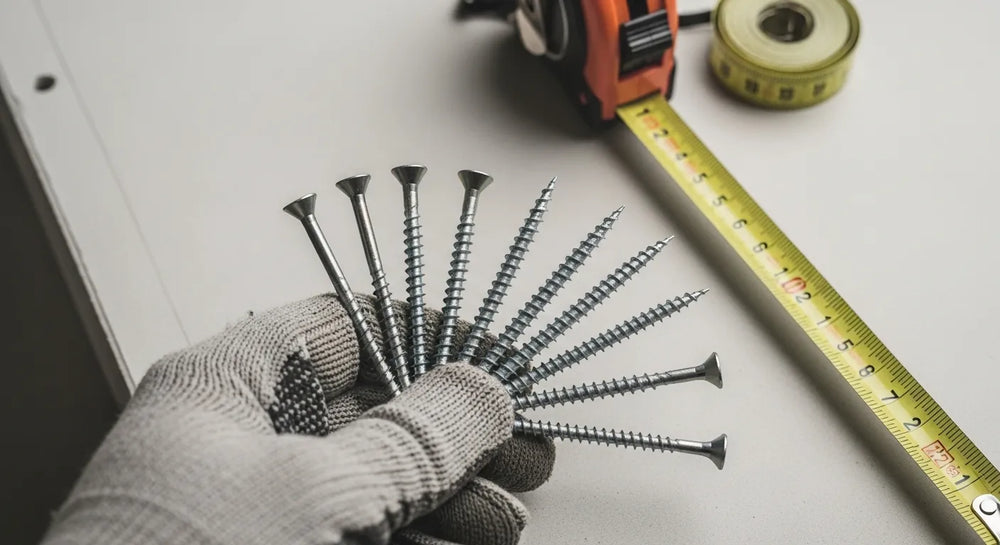
How to Drill Concrete Screws Into Concrete
Table of Contents
- Introduction
- The Foundation: Understanding Concrete Screws
- Selecting the Right Tools and Materials for the Job
- The Step-by-Step Installation Process
- Common Mistakes and How to Avoid Them
- Advanced Considerations for Procurement and Design
- Conclusion: Building with Confidence
- Frequently Asked Questions (FAQ)
Introduction
A critical project is on hold. The MRO team is waiting on a specific fastener to secure heavy machinery to a concrete floor, but the shipment is delayed, tangled in a complex global supply chain. This scenario is all too common, a small component causing a significant bottleneck, impacting timelines and budgets. The frustration lies not just in the delay, but in the search for a reliable, high-quality solution that can be sourced quickly. The humble concrete screw, a cornerstone of modern construction and industrial installation, becomes a pivotal piece in this operational puzzle. When installed correctly, it provides a secure, high-performance anchor; when installed incorrectly, it can lead to catastrophic failure, safety hazards, and costly rework.
This article is designed to be the definitive resource for procurement managers, design engineers, and MRO professionals on the proper installation of concrete screws. We will move beyond a simple "how-to" and delve into the critical details that ensure a successful, lasting application. We'll explore the science behind the fastener, the essential tools required, a meticulous step-by-step installation process, and advanced considerations for specialized applications. Our goal is to empower you with the technical knowledge and practical skills to not only install these fasteners correctly but also to make informed procurement decisions that enhance supply chain resilience and lower your Total Cost of Ownership (TCO). This focus on quality and reliability is at the heart of our mission at Maden.co, where we are committed to connecting industrial buyers with the very best of American manufacturing.
The Foundation: Understanding Concrete Screws
Before a single hole is drilled, it's crucial to understand what makes a concrete screw unique and why it's often the superior choice for securing items to concrete, brick, or block. Unlike expansion anchors or epoxy anchors, which rely on friction or chemical bonding, a concrete screw functions more like a self-tapping screw for masonry.
How They Work: The Science of Secure Anchoring
A concrete screw, often identified by its distinct high-low or serrated thread profile, is designed to cut its own mating threads directly into the base material. When you drive the screw into a precisely drilled pilot hole, these specialized threads engage with the concrete, creating an incredibly strong mechanical interlock.
- Material Displacement: The hardened steel threads bite into the walls of the pilot hole, displacing concrete and creating a tight, vibration-resistant connection.
- No Expansion Stress: A key advantage is that concrete screws do not exert outward expansion forces on the concrete. This makes them ideal for applications close to an edge or near other anchors, where the stress from a wedge anchor could cause the concrete to crack or spall.
- Removability: In many applications, particularly temporary installations like bracing or formwork, concrete screws can be removed, leaving a clean hole. This is a significant advantage over permanent anchor types.
This brilliant simplicity is why they are trusted for everything from installing industrial racking and machinery to securing electrical conduit and structural steel plates. The reliability of this connection, however, is entirely dependent on sourcing a quality product from a verified manufacturer and following a precise installation protocol.
Selecting the Right Tools and Materials for the Job
Achieving a professional-grade installation begins with assembling the correct toolkit. Using substandard tools or the wrong size bit is the fastest way to a failed anchor. Here, we believe in the principle of "measure twice, cut once," which in this context means "select correctly, drill once."
The Powerhouse: Your Drill
The type of drill you use is paramount. While a standard drill might work for a single, small-diameter screw in soft block, any serious or repetitive work in cured concrete demands a rotary hammer or a hammer drill.
- Hammer Drill: This tool combines standard rotation with a rapid hammering action. It's suitable for drilling into lighter-duty masonry like brick or cinder block and can handle smaller diameter holes in concrete.
- Rotary Hammer (SDS or SDS-Plus): For professional and industrial applications, a rotary hammer is the non-negotiable standard. It uses a piston mechanism to generate a much more powerful hammering action, pulverizing the concrete as it drills. This results in faster, cleaner, and more precise holes with significantly less effort from the operator. The SDS (Slotted Drive System) chuck provides a secure, quick-change system for compatible bits.
The Critical Component: The Drill Bit
The drill bit is not just an accessory; it is a precision instrument that must be perfectly matched to the concrete screw.
- Carbide-Tipped Masonry Bits: Always use a high-quality, carbide-tipped masonry bit. The hardened carbide tip is essential for breaking through the aggregate in the concrete. A dull or low-quality bit will generate excessive heat, wander off-center, and create an improperly sized hole.
- ANSI-Standard Bits: For optimal performance, use a drill bit that meets ANSI (American National Standards Institute) standards. These bits are manufactured to tight tolerances, ensuring the pilot hole diameter is exactly what the screw manufacturer specifies for proper thread engagement. Using a non-standard or worn bit can result in a hole that is too large (leading to poor holding power) or too small (making the screw impossible to install or causing it to break).
Choosing the Right Concrete Screw
The screw itself is the final piece of this performance puzzle. The variety available can be daunting, but understanding the key features will guide you to the right choice for your specific application. Our commitment at Maden.co is to provide access to a vast catalog of U.S.-made products, ensuring you can find the exact component you need with transparent sourcing. You can learn more about our mission to champion American manufacturing here.
Head Style
The head style determines how the screw will sit on the surface of the material being fastened.
- Hex Head: This is the most common style for industrial applications. A Hex Head Concrete Screw allows for high installation torque using a standard socket or wrench, providing excellent clamping force. It's ideal for securing machinery bases, steel plates, and structural components.
- Flat Head (Countersunk): When a flush finish is required, a 1/4" x 2-3/4" Flat Head Concrete Screw is the perfect solution. This style is often used for installing door frames, window bucks, and architectural elements where a protruding head is not acceptable.
- Phillips/Slotted: These are generally used for lighter-duty applications like fastening electrical boxes or conduit straps.
Material and Coating
The environment in which the screw will be used dictates the necessary material and protective coating. This decision directly impacts the long-term reliability and TCO of the installation.
- Standard Blue Coating: Many concrete screws feature a blue, corrosion-resistant coating that is suitable for dry, interior applications.
- Advanced Coatings (Ruspert, Ceramic): For exterior use, high-moisture environments, or exposure to corrosive chemicals, a more robust coating is essential. For instance, a Steel Blue Ruspert Ceramic Coating Flat Phillips® Drive Concrete Screw offers multiple layers of protection, including metallic zinc and a chemical conversion film, providing superior resistance to rust and degradation. Sourcing fasteners with these certified coatings from verified U.S. manufacturers is a critical step in risk mitigation for design engineers.
- Stainless Steel: In the most demanding environments, such as coastal areas, chemical plants, or food processing facilities, stainless steel screws offer the highest level of corrosion resistance.
The Step-by-Step Installation Process
With the right tools and materials selected, you are ready to perform a clean, secure, and professional installation. Following these steps precisely is not just a recommendation; it is a requirement for achieving the fastener's published load values.
Step 1: Safety First
Before starting any drilling operation into concrete, ensure you are equipped with the proper Personal Protective Equipment (PPE).
- Eye Protection: Safety glasses or goggles are mandatory to protect against flying dust and debris.
- Hearing Protection: A rotary hammer is loud. Earplugs or earmuffs are essential to prevent hearing damage.
- Respiratory Protection: Drilling concrete generates fine silica dust, which is a serious respiratory hazard. A well-fitting N95 respirator or a more advanced mask is crucial.
- Gloves: Work gloves will protect your hands and improve your grip on the drill.
Step 2: Mark Your Location
Use a pencil, marker, or chalk line to accurately mark the exact spot where the hole needs to be drilled. If you are fastening an object with pre-drilled holes (like a machine base or a bracket), place the object in its final position and use it as a template to mark the hole locations.
Step 3: Drill the Pilot Hole
This is the most critical step in the entire process. The depth and diameter of the pilot hole must be exact.
- Select the Correct Bit Size: The required drill bit diameter is determined by the screw's diameter. This information is typically printed on the screw's packaging or available on the manufacturer's technical data sheet. Never guess. For a 1/4" diameter concrete screw, you will typically use a 3/16" bit. For a 3/8" screw, you'll use a 5/16" bit.
- Set the Drilling Depth: The hole must be drilled deeper than the screw's intended embedment depth. A good rule of thumb is to drill the hole at least 1/2" to 1" deeper than the length of the screw that will be in the concrete. This extra space ensures the screw doesn't bottom out on debris and allows dust to collect at the bottom of the hole. Most rotary hammers come with an adjustable depth gauge to make this easy and repeatable.
- Drilling Technique: Hold the drill perpendicular (at a 90-degree angle) to the concrete surface. Start drilling slowly to create a small starting point and prevent the bit from "walking." Once the bit is set, increase the speed and apply firm, steady pressure. Let the tool do the work; there's no need to force it. If you hit rebar, stop immediately. Do not attempt to drill through it. Relocate your hole at least a few inches away.
Step 4: Clean the Hole Thoroughly
This step is frequently overlooked but is absolutely essential for achieving maximum holding power. Any dust or debris left in the hole will prevent the screw's threads from fully engaging with the concrete, drastically reducing its capacity.
Key Takeaway: A poorly cleaned hole can reduce a concrete screw's load capacity by up to 50%. This is not a corner you can afford to cut in any industrial or structural application.
Use a combination of the following methods for best results:
- Compressed Air: Use a can of compressed air or an air compressor with a narrow nozzle to blow all the dust out of the hole.
- Wire Brush: Use a nylon or wire brush that matches the hole's diameter. Insert it into the hole and twist it to scrub the walls, dislodging any remaining fine particles.
- Vacuum: A shop vacuum with a crevice tool is another excellent way to remove debris.
- Blow-Brush-Blow: The professional standard is a sequence: blow the hole out, brush the walls, and then blow it out a final time to ensure it is completely clean.
Step 5: Drive the Screw
With a clean, properly sized pilot hole, you are ready to install the screw.
- Choose the Right Driver: Use an impact driver or a drill with a clutch setting. For larger hex head screws, a socket wrench can also be used.
- Installation: Insert the tip of the screw into the hole. It should start easily by hand. Begin driving the screw at a slow, controlled speed. Ensure the screw is going in straight and not cross-threading.
- Do Not Overtighten: This is another common and critical mistake. Drive the screw until the head is snug against the surface of the material you are fastening. Overtightening can strip the threads you just created in the concrete or, in a worst-case scenario, snap the screw. An impact driver with torque settings or a calibrated torque wrench for critical applications can help prevent this.
Common Mistakes and How to Avoid Them
Even with a clear process, errors can happen. Being aware of the common pitfalls can save you time, money, and ensure the safety of your installation.
- Using the Wrong Drill Bit Size: The most common error. A hole that is too big will result in a screw that just spins and never tightens. A hole that is too small will make installation impossible or cause the screw to break. Always verify the required bit size.
- Inadequate Hole Cleaning: As mentioned, this is a critical failure point. Take the extra 30 seconds to clean the hole properly.
- Drilling a Hole That Is Too Shallow: If the screw bottoms out before being fully seated, the fixture will not be secure. Always use a depth stop and drill the hole deeper than the screw's embedment.
- Overtorquing the Screw: The desire to make it "extra tight" is a frequent cause of failure. The holding power comes from the thread engagement, not from excessive torque. Follow manufacturer specifications if available, or tighten until snug.
- Ignoring Edge and Spacing Distances: While concrete screws are excellent for close-to-edge applications, there are still minimum distances to observe. Check the technical data for the screw you are using to ensure you are not placing anchors too close to an edge or to each other, which could compromise the integrity of the concrete base.
Advanced Considerations for Procurement and Design
For professionals managing large-scale projects or designing critical systems, the conversation about concrete screws extends beyond installation technique to strategic sourcing and long-term performance. This is where partnering with a platform dedicated to industrial excellence becomes a competitive advantage. At Maden.co, we are building the definitive platform to prove that American-made components are as accessible and convenient as any global alternative, helping to fuel America's manufacturing revival.
Total Cost of Ownership (TCO) vs. Upfront Price
A procurement manager under pressure to meet a budget might be tempted to source the cheapest available fastener. However, this often leads to higher long-term costs. Consider the TCO, which includes:
- Cost of Failure: What is the cost of a failed anchor in terms of rework, downtime, and potential safety incidents?
- Replacement & Maintenance: How much does it cost to replace a corroded fastener in five years versus installing a U.S.-made screw with a superior ceramic coating that lasts for decades?
- Compliance & Certification: Does the fastener come with the material certifications and compliance documentation required for your industry? The time saved by having this documentation readily available is a significant part of the TCO.
Sourcing high-quality, verified components reduces risk and lowers TCO, turning procurement from a cost center into a value driver.
Supply Chain Resilience
The last few years have exposed the fragility of global supply chains. A design engineer needing a specific, DIN-compliant fastener for a new prototype cannot afford to wait 12 weeks for it to arrive from overseas. By sourcing from our network of over 800+ verified U.S. manufacturers, you can dramatically shorten lead times, reduce shipping costs, and increase the predictability of your project timelines. If you are a U.S. manufacturer producing high-quality fasteners and components, we invite you to join our mission. Register as a vendor and join the American manufacturing revival.
Conclusion: Building with Confidence
Mastering the installation of concrete screws is a fundamental skill for any industrial professional. It's a process where precision, preparation, and the right materials converge to create a secure and lasting connection. By understanding the mechanics of how these fasteners work, selecting the appropriate tools, and meticulously following the step-by-step installation process, you can ensure the integrity and safety of every anchor you set. From drilling a perfectly clean pilot hole to applying the correct amount of torque, each detail matters.
More importantly, building with confidence means building with quality components you can trust. It means moving beyond the transactional purchase and toward a strategic partnership that values supply chain transparency, industrial excellence, and customer empowerment. We built Maden.co to be that partner—your direct line to over 2.5 million American-made products. Whether you need a high-torque hex head for a structural mount, a corrosion-resistant flat head for an architectural finish, or any other industrial component, our platform is designed to eliminate procurement friction and connect you with the strength of American manufacturing.
Take the next step in building a more resilient and efficient procurement process. Explore our extensive catalog of U.S.-made fasteners and components today. For capital-intensive projects or large-volume orders, you can manage your cash flow effectively by applying for Instant Financing at checkout.
Frequently Asked Questions (FAQ)
1. Can I reuse concrete screws? Generally, it is not recommended to reuse concrete screws, especially in structural or critical applications. The process of cutting threads into concrete can wear down the screw's sharp threads, and removing and re-driving it can compromise its holding power. For temporary applications like concrete formwork, they are often reused, but they should be inspected for wear and damage before each use.
2. What is the main difference between a concrete screw and a wedge anchor? A concrete screw cuts its own threads into the concrete and creates no expansion stress, making it ideal for applications near edges. A wedge anchor works by expanding a clip at the bottom of the anchor against the walls of the hole, creating a very strong connection but also exerting significant outward pressure on the concrete. This expansion force means wedge anchors require greater edge and spacing distances.
3. How do I know what size screw I need for my project? The required screw diameter and length depend on the weight of the object you are fastening and the thickness of the material. Manufacturer technical data sheets provide detailed information on load capacities for different screw sizes and embedment depths. For heavy-duty applications, a structural engineer should always be consulted to determine the appropriate anchoring solution. If you have specific sourcing questions, our team is ready to help.
4. What should I do if my concrete screw just spins in the hole? A spinning screw is a clear sign that the pilot hole is too large or that the concrete is too soft or "green" (not fully cured). Unfortunately, there is no simple fix for an oversized hole. You must abandon that hole and drill a new one a few inches away. If the problem persists, you may need to use a larger diameter screw (which will require a correspondingly larger pilot hole) or consider a different type of anchor, such as an epoxy anchor, that is better suited for softer base materials.


