
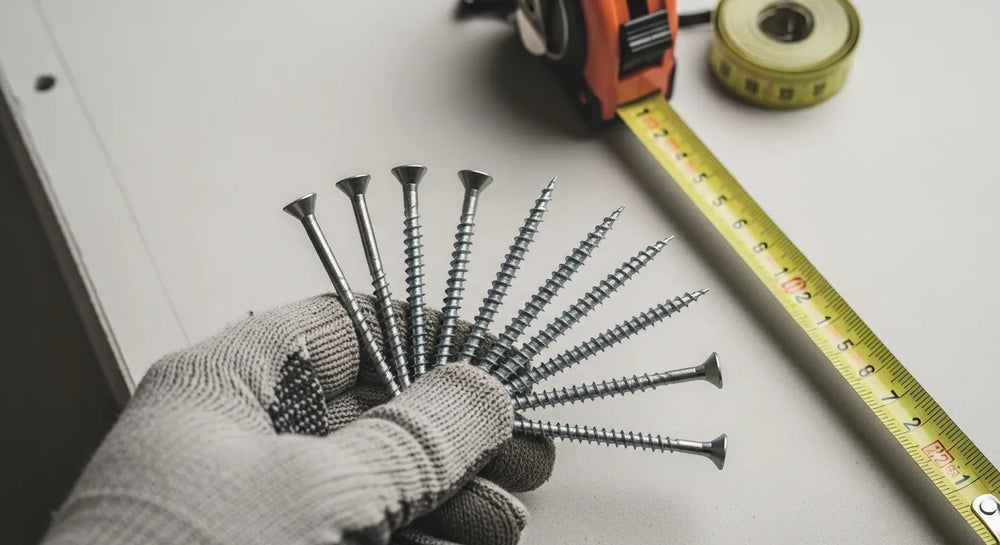
How to Remove a Broken Tapcon Screw From Concrete
Table of Contents
- Introduction
- Understanding Why Concrete Screws Break
- Safety First: Essential Preparation and PPE
- Step 1: Assess the Situation
- Step 2: Execute the Removal Method
- Step 3: Repairing the Hole and Preventing Future Failures
- Conclusion: From Problem to Proactive Partnership
- Frequently Asked Questions (FAQ)
Introduction
A single, sharp snap. That’s all it takes. The project grinds to a halt, the timeline is jeopardized, and frustration mounts. A broken concrete screw, sheared off at or below the surface, can feel like a small problem that creates a massive headache. For MRO buyers dealing with facility maintenance, design engineers prototyping new installations, or procurement managers trying to keep a construction project on schedule, this scenario is more than an annoyance—it's a costly delay that impacts the bottom line. The integrity of an entire assembly can depend on the reliability of its smallest components, and when a fastener fails, the challenge isn't just replacement; it's the difficult task of removal.
This is a common issue rooted in everything from installation error to subpar material quality. At Maden.co, we believe that building a resilient and efficient operation starts with sourcing reliable components. This guide provides a detailed, step-by-step process for removing a broken Tapcon or similar concrete screw, regardless of how it broke. We will cover the essential safety precautions, methods for every scenario—from protruding heads to deeply recessed shanks—and, most importantly, how to prevent this from happening again. Our goal is to empower you with the practical knowledge to solve the immediate problem and the strategic insight to build a more robust procurement process that prioritizes quality and long-term value, championing the principle that America's manufacturing revival is here.
Understanding Why Concrete Screws Break
Before grabbing any tools, it's critical to understand the root cause of the failure. Addressing the "why" is the first step in preventing a recurrence. A broken screw is often a symptom of a larger issue in the installation process or material selection. By diagnosing the cause, you can adjust your methods and sourcing strategy to ensure greater reliability in future applications.
Common Causes of Fastener Failure
- Over-Torquing: This is the most frequent culprit. Every fastener has a specific torque rating—the maximum rotational force it can withstand before its structural integrity is compromised. Exceeding this limit, often with a powerful impact driver, can stretch the screw beyond its elastic limit, causing it to shear off. The temptation to "make it extra tight" can be its undoing.
- Incorrect Hole Diameter or Depth: Concrete screws work by cutting their own threads into the masonry. If the pilot hole drilled into the concrete is too small, the screw will encounter immense resistance, leading to excessive torque and potential shearing. Conversely, if the hole is too large, the threads won't engage properly, resulting in poor holding power. An improperly drilled hole that is too shallow will cause the screw to bottom out, and continued torque will inevitably snap the head.
- Debris in the Pilot Hole: After drilling, the pilot hole is filled with concrete dust and debris. If this is not thoroughly cleaned out with a wire brush and compressed air or a vacuum, it can obstruct the screw. As the screw is driven in, it compacts this debris at the bottom of the hole, creating a solid blockage. The screw bottoms out prematurely, and the applied torque snaps it.
- Poor Quality Material or Manufacturing Defects: Not all screws are created equal. Inferior materials, improper heat treatment, or manufacturing flaws can create weak points in the fastener. These screws may fail even under correct installation procedures. This highlights the importance of supply chain transparency and sourcing from verified manufacturers who adhere to stringent quality control standards.
- Corrosion and Material Fatigue: In exterior or high-moisture environments, corrosion can weaken a screw over time. Rust compromises the steel's crystalline structure, making it brittle and susceptible to snapping under load or during attempted removal. For these applications, selecting a fastener with a robust protective coating is essential. For example, a Steel Blue Ruspert Ceramic Coating Flat Phillips® Drive Concrete Screw offers enhanced corrosion resistance designed for demanding conditions, significantly extending its service life and reliability.
Understanding these factors is foundational. It transforms the problem from a random accident into a preventable event, shifting the focus from reactive repair to proactive excellence.
Safety First: Essential Preparation and PPE
Working with concrete and broken metal shards requires a non-negotiable commitment to safety. Before attempting any removal method, ensure you are properly equipped to protect yourself from potential hazards. Dust, flying metal fragments, and powerful tools all present risks that must be mitigated.
Your Essential Safety Checklist:
- ANSI-Rated Safety Glasses or Goggles: This is the most critical piece of PPE. Drilling, hammering, or chiseling can send small, sharp fragments of metal or concrete flying at high velocity. Full-coverage eye protection is mandatory.
- Heavy-Duty Work Gloves: Protect your hands from sharp edges of the broken screw, abrasive concrete surfaces, and potential slips when using powerful tools.
- Hearing Protection: If you are using a hammer drill or angle grinder, the noise levels can be high enough to cause permanent hearing damage. Earmuffs or earplugs are highly recommended.
- Dust Mask or Respirator: Drilling into concrete releases fine silica dust, which is a serious respiratory hazard. A P95 or N95-rated mask is essential to prevent inhalation.
- Work Area Preparation: Clear the area of any unnecessary tools or materials to prevent tripping hazards. Ensure you have adequate lighting to see your work clearly.
Taking a few minutes to gather and use the right PPE is a small investment that prevents serious injury. At Maden.co, we champion a culture of industrial excellence, and that begins with a safe working environment.
Step 1: Assess the Situation
The method you use to remove the broken screw depends entirely on its condition. Carefully inspect the break to determine which of the following scenarios you are facing.
- Scenario A: The Screw is Protruding. A portion of the screw shank is sticking out from the concrete surface. This is the best-case scenario and offers the most straightforward removal options.
- Scenario B: The Screw is Flush or Slightly Below the Surface. The screw has snapped off level with the concrete or is just slightly recessed. This is more challenging and will require specialized tools.
- Scenario C: The Screw is Deeply Recessed. The screw has broken deep inside the pilot hole. This is the most difficult situation and may require more destructive methods to resolve.
A clear assessment will save you time and frustration by allowing you to select the correct tools and approach from the start.
Step 2: Execute the Removal Method
Based on your assessment, choose the appropriate method below. Always start with the least aggressive technique possible to minimize damage to the surrounding concrete.
Method 1: For Protruding Screws (Scenario A)
If you have enough of the screw shank to grip, the removal can be relatively simple.
Tools Needed:
- Locking Pliers (Vise-Grips)
- Penetrating Oil
Procedure:
- Clear the Area: Use a wire brush to clean around the protruding screw shank, removing any dust or debris.
- Apply Penetrating Oil: Spray a generous amount of penetrating oil around the base of the screw where it enters the concrete. Let it sit for 15-20 minutes to work its way into the threads. This will help lubricate the screw and break any bond caused by corrosion or friction.
- Get a Firm Grip: Clamp the locking pliers onto the screw shank as tightly as possible. You want to create a new "head" that you can turn. The closer you can grip to the concrete surface, the less likely you are to bend or break the remaining shank.
- Turn Counter-Clockwise: With a firm, steady pressure, begin turning the pliers counter-clockwise (lefty-loosey). Do not jerk the tool. Apply slow, consistent torque. You may feel a "pop" as the screw breaks free.
- Work it Back and Forth: If the screw is stubborn, try gently working it back and forth—a quarter turn counter-clockwise, then a slight turn clockwise. This can help to loosen the threads and clear any binding debris. Continue backing the screw out until it is completely removed.
Method 2: For Flush or Slightly Recessed Screws (Scenario B)
When there is nothing to grip, you need to create a new way to apply turning force. A screw extractor kit is the ideal tool for this job.
Tools Needed:
- Screw Extractor Kit (with corresponding drill bits)
- Variable-Speed Drill (preferably reversible)
- Center Punch
- Hammer
- Cutting Fluid or Oil
Procedure:
- Create a Starting Point: Use a center punch and a hammer to create a small dimple in the exact center of the broken screw's surface. This is a crucial step that prevents your drill bit from "wandering" off-center as you begin to drill.
- Drill a Pilot Hole: Select the drill bit recommended by your extractor kit for the diameter of the broken screw. Apply a drop of cutting fluid to the screw. Using your variable-speed drill on a low speed, carefully drill a pilot hole into the center of the screw. The depth should be sufficient for the extractor to get a good bite, typically about 1/4 to 1/2 inch. Keep the drill as straight and perpendicular to the surface as possible.
- Insert the Extractor: Select the corresponding screw extractor from your kit. It will have reverse threads. Gently tap the extractor into the pilot hole with a hammer until it is snug.
- Extract the Screw: Attach a tap wrench or your locking pliers to the end of the extractor. Apply firm, downward pressure and slowly turn the extractor counter-clockwise. The reverse threads of the extractor will bite into the sides of the pilot hole. As you continue to turn, the extractor will grip the broken screw and begin to back it out of the hole. Patience and steady pressure are key.
Method 3: For Deeply Recessed or Stubborn Screws (Scenario C)
This is the last resort when other methods have failed or are not possible. This method involves drilling out the entire screw, which will destroy the screw but save the surrounding concrete.
Tools Needed:
- High-Quality Cobalt or Titanium Drill Bits (slightly smaller than the screw diameter)
- Drill
- Shop Vacuum
- Small Chisel and Hammer
Procedure:
- Select the Right Drill Bit: Choose a high-quality drill bit made for drilling hardened steel. The bit's diameter should be slightly smaller than the core diameter of the screw shank. This will allow you to drill out the center of the screw without significantly damaging the threads it created in the concrete.
- Center and Drill: As in Method 2, use a center punch to create a starting point. Begin drilling slowly into the center of the screw. Use cutting fluid to keep the bit cool and aid in cutting. This will be a slow process. Let the drill do the work and apply steady, even pressure.
- Drill Out the Core: Continue drilling until you have gone past the full depth of the broken screw. You are effectively hollowing out the fastener.
- Collapse the Remaining Threads: Once the core is drilled out, the remaining outer shell and threads of the screw will be very weak. You can often use a small screwdriver or a narrow chisel to tap and collapse the remaining pieces inward.
- Clean the Hole: Use a shop vacuum and a wire brush to thoroughly remove all metal fragments and dust from the hole, preparing it for repair.
Step 3: Repairing the Hole and Preventing Future Failures
Successfully removing the broken screw is only half the battle. Now, you must properly repair the hole and, more importantly, implement strategies to ensure this doesn't happen again. This is where a focus on quality components and processes pays significant dividends. Our mission at Maden.co is to democratize access to superior American-made products, and you can learn more about our commitment to this on our About Us page. We believe that preventing failures through quality is always more cost-effective than reacting to them.
Repairing the Hole
You have two main options for the existing hole:
- Reuse the Hole with a Larger Diameter Screw: If the original hole is still in good condition, you can often simply move up to the next size concrete screw. For example, if a 3/16" screw broke, you can re-drill the hole to the appropriate size for a 1/4" screw. This is a quick and effective solution. A reliable option for general purpose fastening is a standard Hex Head Concrete Screw, whose hex head design allows for better torque control during installation.
- Patch and Re-Drill: If the hole is damaged or you need to use the exact same location and screw size, you must patch it. Use a high-quality anchoring epoxy or hydraulic cement to fill the old hole completely. Follow the manufacturer's instructions for mixing and curing time. Once fully cured, you can drill a new pilot hole in the repaired spot as if it were fresh concrete.
A Proactive Approach to Prevention
The best way to deal with a broken screw is to never have one in the first place. This requires a shift in mindset from simply buying a fastener to investing in a reliable fastening system.
- Source Quality Fasteners: The difference in performance between a generic, low-cost import and a fastener from a verified U.S. manufacturer is substantial. American-made components are often produced under stricter quality controls with superior materials and heat-treating processes. This investment in quality dramatically reduces the risk of failure and improves the Total Cost of Ownership (TCO) by eliminating downtime and rework. At Maden.co, we connect you with over 800+ verified U.S. manufacturers, giving you transparent access to the industrial-grade parts your projects demand. If you are a U.S. manufacturer producing high-quality fasteners, we invite you to Register as a vendor and join the American manufacturing revival.
-
Use the Correct Installation Technique:
- Drill to the Right Depth and Diameter: Always use the bit size specified by the screw manufacturer and drill the hole at least 1/2 inch deeper than the screw's intended embedment.
- Clean the Hole Thoroughly: This step is non-negotiable. Use a wire brush and compressed air or a vacuum to remove all dust and debris. A clean hole ensures proper thread engagement and holding power.
- Use a Torque-Controlled Driver: Whenever possible, use a drill or driver with an adjustable clutch or a dedicated torque wrench. Look up the manufacturer's recommended installation torque and set your tool accordingly. This single step will prevent the vast majority of over-torquing failures.
- Select the Right Screw for the Application: Consider the environment and the load requirements. For applications requiring a flush finish, a countersunk design like the 1/4" x 2-3/4" Flat Head Concrete Screw is ideal. For corrosive environments, choose a screw with a specialized coating. Don't use a standard zinc-plated screw where a ceramic-coated or stainless steel one is required.
For a procurement manager under pressure to source a specific component, a design engineer needing material certifications, or an MRO buyer facing an unexpected breakdown, the ability to quickly find and finance a verified, U.S.-made part is a game-changer. It's about building a resilient supply chain, one component at a time.
Conclusion: From Problem to Proactive Partnership
A broken concrete screw is a frustrating but solvable problem. By carefully assessing the situation, choosing the right method, and prioritizing safety, you can effectively remove the failed fastener and repair the damage. However, the most valuable lesson from this experience is the importance of prevention. Investing in high-quality, American-made fasteners and adhering to proper installation techniques is not an expense; it is a direct investment in project efficiency, safety, and long-term structural integrity.
At Maden.co, our entire platform is built to facilitate this strategic shift. We provide direct access to over 2.5 million U.S.-made products, empowering you to build a supply chain you can trust. Stop reacting to failures and start building with excellence. Explore our extensive catalog of industrial components and discover the tangible benefits of sourcing American. For businesses looking to manage cash flow on capital-intensive projects, you can apply for Instant Financing at checkout to streamline your procurement process and equip your team with the quality parts they need to succeed. If you have specific sourcing needs or can't find a particular component, please contact our team; we are ready to help.
Frequently Asked Questions (FAQ)
1. Can I reuse the same hole after removing the broken screw? It depends on the condition of the hole. If the removal process did not damage the concrete threads and you are moving up to a larger diameter screw, you can often reuse the hole after cleaning it thoroughly. However, if the hole is damaged or you need to use the same size screw, it is best to repair the hole with anchoring epoxy and then drill a new pilot hole once the epoxy has fully cured.
2. What is the most common reason Tapcon screws break during installation? The single most common cause is over-torquing. Using a high-powered impact driver without a proper torque setting can easily exceed the screw's tensile strength, causing it to shear. The second most common cause is failing to properly clean the drilled hole of dust and debris, which causes the screw to bottom out and snap under pressure.
3. Is a screw extractor kit really necessary for flush-broken screws? While there are alternative methods, a screw extractor kit is the most reliable and least destructive professional tool for the job. It is specifically designed to bite into hardened steel and apply removal torque from the inside out. Attempting to drill out the screw without one can be more difficult and risks damaging the surrounding concrete. For any professional who works with fasteners regularly, it is a worthwhile investment.
4. Why should I choose a U.S.-made concrete screw over a generic import? Choosing a U.S.-made screw offers several critical advantages that contribute to a lower Total Cost of Ownership (TCO). These advantages include superior material quality with traceable sourcing, more consistent and precise manufacturing and heat-treating processes, and adherence to stricter quality control standards. This results in a more reliable fastener with predictable performance, reducing the risk of failures, project delays, and costly rework. Sourcing domestically also strengthens your supply chain, reducing lead times and ensuring you get the exact component you specified.


