
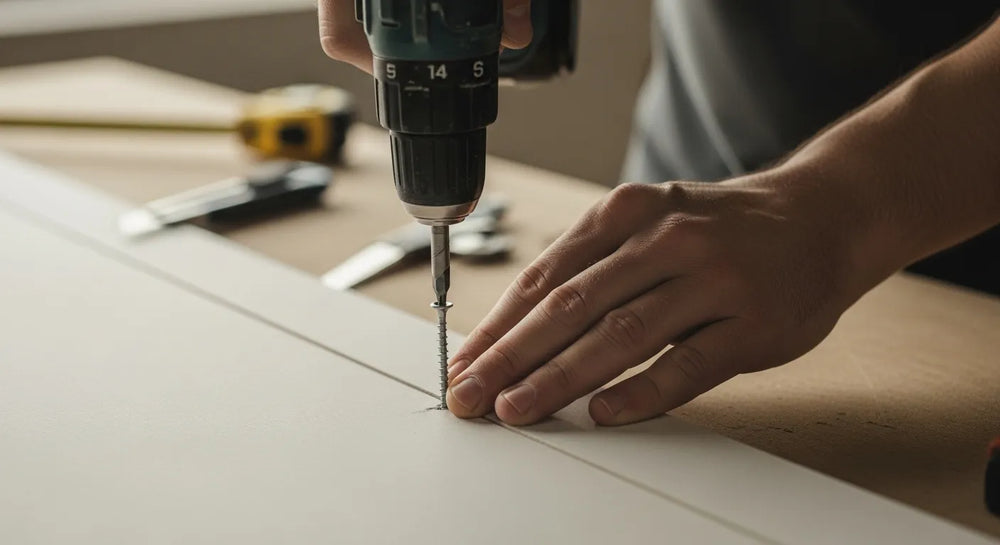
How to Fix a Pulled-Out Drywall Anchor
Table of Contents
- Introduction
- Understanding Why Drywall Anchors Fail
- Assessing the Damage: What You're Working With
- Essential Tools and Materials for the Repair
- Step-by-Step Repair Guide
- Choosing the Right Replacement Anchor: The Key to a Lasting Fix
- Sourcing for Success: The Maden.co Advantage
- Conclusion
- Frequently Asked Questions (FAQ)
Introduction
It’s a scenario familiar to every facilities manager, maintenance professional, and business owner: a heavy picture, a critical piece of equipment, or a fully-loaded shelf suddenly gives way, crashing to the floor and leaving an ugly, gaping hole in the wall where a drywall anchor used to be. This failure isn't just an aesthetic problem; it represents a point of weakness, a small but significant breakdown in operational integrity. The immediate temptation might be to quickly fill the hole with spackle and try again, but this approach almost guarantees a repeat failure. A professional, lasting repair requires more than a quick fix—it demands an understanding of why the failure occurred and a commitment to using the right techniques and materials to restore both the wall's surface and its structural soundness.
This article provides a detailed, step-by-step guide for MRO (Maintenance, Repair, and Operations) professionals and procurement managers on how to properly fix a pulled-out drywall anchor. We will move beyond superficial patches to explore the root causes of anchor failure, outline the correct procedures for repairing drywall damage of any size, and detail how to select and install a high-quality replacement anchor that ensures a secure, reliable mount. The goal is to transform a common maintenance headache into an opportunity to upgrade your facility's fixtures with durable, American-made components, reinforcing our collective commitment to industrial excellence. At Maden.co, we believe that even the smallest components are critical to a project's success, and this guide embodies that principle.
Understanding Why Drywall Anchors Fail
Before you can implement a permanent solution, you must first diagnose the problem. A drywall anchor pulling out is a symptom of an underlying issue. Identifying the cause is the first step toward preventing it from happening again.
Cause 1: Overloading the Anchor
This is the most frequent reason for failure. Every drywall anchor has a specific shear and tensile strength, indicating the maximum weight it can support. These ratings are often determined under ideal lab conditions. In the real world, factors like dynamic loads (e.g., a coat rack that is constantly being used) or leverage (an object extending far from the wall) can exert forces far greater than the object's static weight. Exceeding this capacity places immense stress on the relatively soft gypsum core of the drywall, causing the anchor to rip out. When sourcing fasteners, always scrutinize the technical specifications to ensure the load capacity is well above your application's requirements.
Cause 2: Incorrect Installation
The performance of an anchor is directly tied to its installation. Common errors include:
- Wrong Pilot Hole Size: Drilling a pilot hole that is too large will prevent the anchor from gripping the drywall effectively. A hole that is too small can damage the anchor or the drywall upon insertion.
- Improper Setting: Some anchors, particularly winged or expansion types, need to be set correctly behind the drywall to deploy their holding mechanism. If the screw is too short or not driven in far enough, the anchor won't engage properly.
- Using the Wrong Tool: Driving an anchor with excessive force from an impact driver can strip the anchor or crack the surrounding drywall, compromising its integrity from the start.
Cause 3: Poor Quality or Incorrect Type of Anchor
The market is flooded with low-cost, low-quality hardware. Many generic anchors are made from brittle, recycled plastic that can crack under pressure or degrade over time. Sourcing components from unverified suppliers introduces a significant risk of failure. Furthermore, using the wrong type of anchor for the job is a recipe for disaster. A light-duty ribbed anchor is fundamentally unsuited for hanging a heavy cabinet, just as a heavy-duty toggle bolt is overkill for a small picture frame. The selection process must match the anchor's design to the load requirements and wall conditions.
Cause 4: Compromised Wall Condition
The anchor is only as strong as the material it's installed in. Drywall can be compromised in several ways:
- Age: Older drywall can become brittle and powdery, offering very little holding strength.
- Moisture Damage: Past leaks or high humidity can soften the gypsum core, turning it into a paste-like substance that cannot support any load.
- Previous Repairs: An area with numerous old, patched holes will have significantly less structural integrity than a clean sheet of drywall.
Assessing the Damage: What You're Working With
The repair strategy is dictated by the size and severity of the hole left behind. Carefully inspect the area to determine the best course of action.
Small, Clean Hole
In this scenario, the anchor pulled out cleanly, leaving a hole slightly larger than the anchor itself. The surrounding drywall paper is intact, and there is minimal crumbling of the gypsum core. This is the easiest type of damage to repair.
Medium, Torn Hole
Here, the anchor has ripped out a chunk of the drywall, often taking a significant portion of the paper face with it. The hole is irregular, with frayed edges and loose gypsum. This requires more than just a simple fill; it will need reinforcement to restore the surface.
Large, Damaged Area
This is a catastrophic failure where a large section of drywall, several inches across, has been torn away. You may see the hollow cavity behind the wall. This level of damage cannot be fixed with spackle alone and requires a structural patch.
Essential Tools and Materials for the Repair
Gathering the correct tools and materials beforehand streamlines the repair process and ensures a professional result. For MRO teams, having these items stocked as standard inventory can significantly reduce downtime for facility repairs.
Repair Materials:
- Spackling Compound or Joint Compound: For small holes, a lightweight spackling compound is sufficient. For larger repairs requiring structural integrity, an all-purpose joint compound is superior.
- Drywall Patch: For medium-to-large holes, a self-adhesive fiberglass mesh patch or a metal-reinforced patch is essential.
- Sandpaper: A combination of medium-grit (120-150) for initial sanding and fine-grit (220+) for a smooth finish.
- Primer: A quality drywall primer is crucial for sealing the patch and ensuring the final paint coat has a uniform sheen.
- Matching Wall Paint
Tools:
- Utility Knife
- Putty Knife and/or Drywall Taping Knife (6-inch is versatile)
- Drill with appropriate bits
- Screwdriver
- Stud Finder
- Safety Glasses & Dust Mask
High-Quality Replacement Anchors: This is the most critical component. Replacing a failed anchor with one of the same low-quality type is a futile exercise. Upgrading to a superior, U.S.-made product is key to a permanent fix.
- For a simple, reliable solution in a new location, a classic Ribbed Plastic Anchor from a trusted manufacturer provides excellent holding power for light-duty applications when installed correctly.
- For an upgrade in material and strength, the Medium-Duty Nylon Wall Anchor #8 for Drywall offers superior durability and flexibility compared to standard plastic, reducing the risk of it becoming brittle and cracking.
- For maximum efficiency and a secure hold, especially in professional MRO settings, the Medium Duty Nylon Wall Anchor #6 Self-Drilling Drywall Zip-It® is an excellent choice. Its design allows for installation without a pilot hole, saving time and effort while its wide threads provide a very strong grip in drywall.
Step-by-Step Repair Guide
Follow the appropriate method based on your damage assessment for a durable, invisible repair.
Method 1: Repairing a Small, Clean Hole
This method is fast, simple, and effective for minor pull-outs where the surrounding drywall is stable.
- Prepare the Area: Use a utility knife to carefully trim away any loose paper or crumbled gypsum around the edge of the hole. Gently push in any protruding drywall to create a slight divot. Wipe the area with a damp cloth to remove all dust.
- Apply Spackling Compound: Using a flexible putty knife, press the spackling compound firmly into the hole. Apply enough pressure to ensure the hole is completely filled. The first application should slightly overfill the hole to account for shrinkage as it dries.
- Smooth and Dry: Scrape the putty knife flat against the wall to remove the excess compound, leaving a smooth surface. Allow it to dry completely according to the manufacturer's instructions (typically a few hours).
- Second Coat (If Necessary): If the spackle has shrunk below the wall surface, apply a very thin second coat, feathering the edges to blend seamlessly with the surrounding wall.
- Sand Smooth: Once fully cured, lightly sand the area with fine-grit sandpaper until it is perfectly flush with the wall. Be careful not to sand the surrounding paint.
- Prime and Paint: Wipe away all sanding dust. Apply a coat of primer to the patched area to seal it. Once the primer is dry, apply one or two coats of matching wall paint.
Critical Note: Never attempt to install a new anchor in the freshly patched hole. The patching compound does not have the compressive or tensile strength of the original drywall. The new anchor must be installed in a new location in solid drywall, at least a few inches away from the repair.
Method 2: Fixing a Medium to Large Hole with a Patch
For larger, torn holes, patching compound alone is not enough. You need to bridge the gap and reinforce the area with a mesh or metal patch.
- Prepare the Opening: Use a utility knife and a straight edge to cut a clean square or rectangle around the damaged area. This removes all frayed paper and weakened gypsum, providing a solid edge for the patch to adhere to.
- Apply the Patch: Select a self-adhesive fiberglass mesh patch that is at least one inch larger than the hole on all sides. Center it over the hole and press it firmly against the wall, ensuring strong adhesion.
- Apply the First Coat of Compound: Using a 6-inch drywall knife, apply a thin coat of all-purpose joint compound over the entire mesh patch. Use firm, even pressure to force the compound through the mesh and onto the drywall behind it. Extend the compound about two inches beyond the edges of the patch, feathering the edges thinly.
- Dry and Apply Subsequent Coats: Allow the first coat to dry completely (this can take up to 24 hours). Once dry, lightly sand to knock down any high spots or ridges. Apply a second, wider coat, extending it another two inches beyond the first coat and feathering the edges. For a perfectly smooth finish, a third, even wider coat may be necessary. The goal is to create a wide, gradual taper that becomes invisible after sanding.
- Final Sanding: Once the final coat is fully cured, sand the entire area with fine-grit sandpaper. Use a light touch and check your work frequently by running your hand over the surface to feel for imperfections. The transition between the patch and the wall should be undetectable.
- Prime and Paint: Thoroughly clean the area to remove all dust. Apply primer to the entire patched area, then finish with matching paint.
Choosing the Right Replacement Anchor: The Key to a Lasting Fix
The repair is only half the battle. Selecting the right replacement anchor is what ensures the problem won't recur. This is where moving beyond the cheapest option and investing in a quality-engineered, American-made component pays dividends in reliability and peace of mind.
Beyond the Basics: Upgrading from Standard Plastic
The small, conical plastic anchors often included in consumer product packaging are notorious for failing, especially in standard 1/2-inch drywall. When a failure occurs, it’s the perfect opportunity to upgrade. For a procurement manager overseeing facility maintenance, standardizing on a higher-quality anchor can dramatically reduce recurring repair requests and improve safety.
High-Strength Nylon Anchors for Superior Reliability
Nylon is a far superior material for wall anchors than the polypropylene or polyethylene used in cheaper versions. It offers greater tensile strength and flexibility, allowing it to grip the drywall more securely without becoming brittle over time. A product like the Medium-Duty Nylon Wall Anchor #8 for Drywall is an excellent all-around upgrade. Its split-rib design expands forcefully behind the drywall, providing a secure hold for medium-load applications like shelving, mirrors, and cabinetry.
Self-Drilling Anchors for Unmatched Efficiency
In a professional MRO environment, time is money. Every minute spent on a repair is a minute away from other critical tasks. This is where self-drilling anchors shine. The Medium Duty Nylon Wall Anchor #6 Self-Drilling Drywall Zip-It® combines a drill point and a wide, aggressive thread into a single unit. It can be driven directly into drywall with just a screwdriver, creating its own perfectly sized hole and cutting deep into the gypsum for a remarkably strong hold. For MRO teams performing numerous installations, the time savings and reliable performance make this an indispensable part of their toolkit.
Heavy Loads: Knowing When to Escalate
For truly heavy items like large televisions, commercial shelving, or safety equipment, even the best drywall anchor may not be sufficient. In these cases, it's imperative to locate a wall stud and drive a lag screw directly into the wood framing. If a stud isn't available in the desired location, you must escalate to a heavy-duty hollow wall anchor like a toggle bolt or a molly bolt, which clamp onto the back of the drywall for maximum holding power.
Sourcing for Success: The Maden.co Advantage
For a procurement manager under pressure to source a specific component, a design engineer needing material certifications, or an MRO buyer facing an unexpected equipment breakdown, the ability to quickly find a verified, U.S.-made part is a game-changer. The failure of a simple drywall anchor underscores a larger truth in the industrial supply chain: component quality matters. Sourcing from a reliable B2B marketplace eliminates the guesswork and risk associated with unvetted suppliers.
At Maden.co, our entire business model is built on this principle; our mission is to democratize access to American manufacturing, making high-quality, domestically produced components as accessible as any global alternative. We connect industrial buyers with over 2.5 million products from a growing network of more than 800 verified U.S. manufacturers. This commitment to supply chain transparency and American manufacturing pride means you can be confident that the parts you order meet rigorous standards of quality and performance. When you source anchors and other MRO supplies through our platform, you're not just buying a part; you're investing in a more resilient and reliable supply chain. America's manufacturing revival is here, and it’s built on the quality of components, big and small. For qualified domestic producers, this revival is an opportunity. Are you a U.S. manufacturer? Register as a vendor and join the American manufacturing revival.
To further empower businesses, we offer a strategic tool to manage procurement budgets. For larger MRO supply orders or capital-intensive projects, you can apply for Instant Financing at checkout to streamline your purchasing process and manage cash flow effectively.
Conclusion
Fixing a pulled-out drywall anchor is a task that demands precision, patience, and a commitment to quality. A successful repair goes beyond merely patching a hole; it involves a thorough process of assessing the damage, preparing the surface, executing a flawless patch, and, most importantly, installing a superior replacement anchor. By following the steps outlined in this guide, you can ensure your repair is not only invisible but also far stronger than the original installation.
Never compromise on the quality of your components. The integrity of your installations, the safety of your facility, and the efficiency of your operations depend on the reliability of every part, down to the last screw and anchor. We encourage you to explore the extensive catalog on Maden.co to find the verified, U.S.-made MRO supplies you need to prevent future failures and build with confidence. If you have specific sourcing questions, our team is ready to help.
Frequently Asked Questions (FAQ)
1. Can I reuse the same hole for the new anchor after I've patched it? No, this is a critical point. Patching compounds like spackle and joint compound are designed for cosmetic repairs and do not have the structural strength to support a load-bearing anchor. Attempting to install an anchor in a patched area will almost certainly result in another failure. You must install the new anchor in a new location in solid, original drywall, at least a few inches away from the repair.
2. What is the main difference between spackling compound and joint compound? Spackling compound is a lightweight, fast-drying filler best suited for small repairs like nail holes and minor cracks. Joint compound is a heavier, more durable material that dries more slowly but provides greater structural strength. It is the correct choice for larger repairs, taping drywall seams, and patching holes with fiberglass mesh, as it creates a much stronger bond.
3. How long should I wait for the patch to dry before sanding and painting? Drying time depends on the type of compound used, the thickness of the application, and the ambient humidity and temperature. Lightweight spackle can be dry in as little as an hour. All-purpose joint compound typically requires up to 24 hours to fully cure between coats. Always follow the specific instructions on the product's packaging for the most accurate drying times. Rushing the process can compromise the integrity of the repair.
4. Why is it better to choose a U.S.-made anchor over a generic imported one? Choosing a U.S.-made anchor from a verified manufacturer provides several key advantages. These products are typically subject to stricter quality control standards, ensuring consistency in material composition and manufacturing tolerances. This translates to more reliable performance and accurate load ratings. Furthermore, sourcing domestically supports a more resilient supply chain, ensures compliance with U.S. standards, and contributes to the strength of the American manufacturing sector.


