
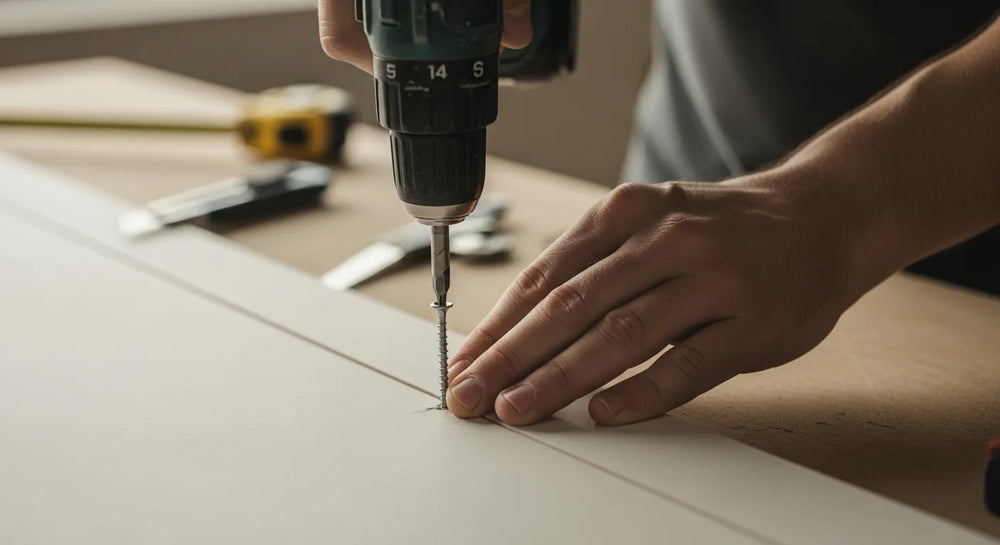
How to Get Rusty Screws Out of Wood
Table of Contents
- Introduction
- Understanding the Challenge: Why Rusty Screws Are Stubborn
- Preparation is Key: Setting Up for Success
- Essential Tools and Materials for Extraction
- Step-by-Step Rusty Screw Removal Techniques
- Post-Extraction: Repair and Prevention
- Conclusion
- FAQ
Introduction
There are few frustrations in a workshop or on a job site quite as immediate and vexing as encountering a stubborn, rusty screw embedded in wood. What seems like a simple task can quickly devolve into a project delay, damaged materials, or even injury if not approached correctly. For procurement managers overseeing MRO (Maintenance, Repair, and Operations) inventory, design engineers specifying components, and business owners managing project timelines, these seemingly minor roadblocks highlight a critical truth: the reliability and ease of maintenance often hinge on the quality of initial materials and the readiness to tackle unforeseen challenges. This post will serve as your authoritative guide to effectively removing rusty screws from wood, detailing the tools, techniques, and preventative measures necessary to save time, reduce material waste, and ensure the longevity of your projects. We will explore everything from understanding the science behind rust to employing specialized extraction methods, ultimately reinforcing the importance of robust, American-made components in preventing such issues from the outset.
Understanding the Challenge: Why Rusty Screws Are Stubborn
Rusty screws are not merely aesthetically unpleasing; they present a significant mechanical challenge. The primary culprit is corrosion, a natural process that degrades metal over time. When iron or steel screws are exposed to moisture and oxygen, a chemical reaction occurs, forming iron oxides—what we commonly call rust. This rust is expansive, meaning it takes up more volume than the original metal. As rust forms, it infiltrates the microscopic pores and fibers of the surrounding wood, effectively cementing the screw in place.
The Chemistry of Corrosion and Its Grip
Rust, primarily hydrated iron(III) oxides, acts like a microscopic glue, binding the screw to the wood. This bond can be incredibly strong, making extraction difficult for several reasons:
- Increased Friction: The rough, flaky texture of rust dramatically increases the friction between the screw threads and the wood, resisting rotation.
- Reduced Head Integrity: Rust often weakens the screw head, making it brittle and prone to stripping when torque is applied. A stripped screw head, where the drive recess is rounded out or damaged, turns a difficult situation into a much more complex one.
- Moisture-Induced Swelling: If the wood itself has absorbed moisture, it can swell around the screw, further tightening its grip. This is particularly true for wood types that are prone to expansion and contraction.
Different types of rust can also affect the extraction process. Red rust, common on ferrous metals, is usually flaky and powdery, while black rust (magnetite) is more stable and often forms a protective layer, although still problematic for extraction. Understanding these properties helps in choosing the right approach, whether it's breaking down the chemical bonds with penetrating oils or physically overcoming the friction. The material of the screw itself also plays a vital role. While steel screws are highly susceptible to rust, fasteners made from brass or silicon bronze offer superior corrosion resistance, a crucial consideration for long-term projects and components exposed to the elements.
Preparation is Key: Setting Up for Success
Before attempting to remove a rusty screw, thorough preparation is paramount. Rushing the process without proper setup can lead to further damage, stripped heads, or even personal injury.
Prioritizing Safety
Safety should always be your first consideration. When working with tools, especially those that involve force, heat, or chemicals, protective gear is non-negotiable.
- Eye Protection: Always wear safety glasses or goggles to shield your eyes from flying debris, rust flakes, or chemical splashes.
- Hand Protection: Durable work gloves will protect your hands from sharp edges, rust, and chemicals, while also improving grip on tools.
- Ventilation: If using penetrating oils or chemical rust removers, ensure the workspace is well-ventilated to avoid inhaling fumes.
Assessing the Screw and Surrounding Wood
Take a moment to evaluate the situation.
- Screw Condition: Is the head completely corroded or only partially? Is the drive recess still somewhat intact, or is it heavily stripped? How much of the screw head is exposed above the wood surface?
- Wood Condition: Is the wood soft and punky around the screw, indicating rot, or is it solid? Is the screw embedded in a structural component or a decorative piece? The condition of the wood will influence how much force you can apply without causing further damage.
- Location: Is the screw in an easily accessible spot, or is it in a tight corner? This will dictate the types of tools you can comfortably use.
A careful assessment allows you to choose the least invasive and most effective method, minimizing collateral damage and ensuring a smoother extraction process.
Essential Tools and Materials for Extraction
Having the right tools is half the battle when confronting a stubborn rusty screw. A well-equipped toolkit for such tasks can significantly increase your chances of success.
Lubricants and Penetrating Oils
These are often the first line of defense. Penetrating oils are designed to seep into the tiny gaps between the screw threads and the wood, breaking down rust and lubricating the seized components.
- Common Choices: WD-40, PB Blaster, Liquid Wrench, or even homemade concoctions like a 50/50 mix of acetone and automatic transmission fluid.
- Application: Apply generously to the screw head and threads. Allow ample time for the oil to work its magic—this could range from 15 minutes to several hours, or even overnight for severely corroded screws. Repeated applications can be beneficial.
- Mechanism: These oils contain solvents that dissolve rust and reduce the surface tension, allowing them to penetrate deep into the seized interface.
Manual Extraction Tools
Before resorting to power tools, several manual options can prove effective.
- Screwdrivers: Crucial for initial attempts. Ensure you use a screwdriver with a tip that perfectly fits the screw head (flat-slot, Phillips, square drive). A tight fit prevents further stripping. Applying downward pressure while turning can help engage the head.
- Impact Drivers (Manual): These tools use a hammer strike to simultaneously apply rotational force and downward pressure, helping to break the rust bond.
- Vise Grips/Locking Pliers: If the screw head is protruding or if you can create a new grip point (e.g., by filing flats onto a rounded head), vise grips can offer immense leverage.
- Channel Locks/Pliers: Less secure than vise grips but can be used for light gripping and turning if the screw head is accessible.
- Wrenches: For screws with hexagonal heads, a wrench provides superior grip and leverage compared to pliers, minimizing the risk of rounding off the head.
Specialized Extraction Tools
When standard tools fail, specialized extractors come into play.
- Screw Extractors (Easy-Outs): These conical, reverse-threaded tools are designed to bite into a drilled pilot hole in a stripped or broken screw head. They come in sets with various sizes. The process typically involves drilling a small pilot hole (usually with a left-hand drill bit) into the center of the damaged screw, then inserting and slowly turning the extractor counter-clockwise.
- Left-Hand Drill Bits: These drill bits are designed to rotate counter-clockwise. Sometimes, as you drill the pilot hole for a screw extractor, the left-hand drill bit will itself catch and back out the screw.
- Drill Bits: Essential for creating pilot holes for extractors or for drilling out the screw entirely. Sharp, high-quality drill bits appropriate for metal are crucial.
- Oscillating Multi-Tools: Equipped with a metal-cutting blade, these tools can precisely cut off the head of a screw that is flush with or slightly below the wood surface, allowing for subsequent removal of the wood or pulling the shank through.
- Rotary Tools (Dremel): With a thin cutting disc, a rotary tool can be used to cut a new slot into a stripped Phillips or square drive head, allowing a flat-slot screwdriver to gain purchase. This requires a steady hand and precise control.
Heat Application
Heat can be a surprisingly effective method, though it must be used with extreme caution, especially when working with wood.
- Tools: A soldering iron, heat gun, or even the tip of a blowtorch (briefly and with careful aim) can be used.
- Principle: The rapid expansion and contraction caused by heating and cooling can help break the rust bond and loosen the screw's grip on the wood. Apply heat directly to the screw head, then try to turn it. Be very mindful of the wood's flammability; keep a fire extinguisher or water source nearby.
Chemical Rust Removers (Cautionary Note)
For severely rusted screws, chemical rust removers might be considered, but they require careful application due to their potential to damage wood or finishes.
- Examples: Products containing oxalic acid or phosphoric acid can chemically convert rust.
- Application: Apply sparingly and precisely. Test on an inconspicuous area of the wood first. Follow manufacturer instructions carefully, including neutralization steps. These are typically a last resort due to the potential for wood discoloration or degradation.
Step-by-Step Rusty Screw Removal Techniques
With the right tools and preparation, you can approach rusty screw removal systematically, escalating your methods as needed.
Method 1: Lubrication and Gentle Persuasion
This is the least aggressive method and should always be the first attempt.
- Clean the Area: Use a wire brush or scraper to remove as much loose rust and debris from around the screw head as possible.
- Apply Penetrating Oil: Liberally apply your chosen penetrating oil to the screw head. Allow it to soak in for at least 15-30 minutes, or longer for more severe rust. Tap the screw head gently with a hammer a few times after applying the oil; this vibration can help the oil seep deeper.
- Choose the Right Screwdriver: Select a screwdriver (flat-slot, Phillips, square drive) that perfectly fits the screw head. The goal is to maximize contact and prevent further stripping.
- Apply Pressure and Turn Slowly: Press down firmly on the screwdriver to ensure maximum engagement with the screw head. Slowly and steadily turn the screwdriver counter-clockwise. If it doesn't budge, apply more penetrating oil and wait longer. Sometimes, wiggling the screw slightly clockwise before attempting counter-clockwise rotation can help break the initial bond.
Method 2: Enhancing Grip (Stripped Heads)
If the screw head starts to strip or is already rounded, you'll need to create a better grip.
- Rubber Band/Steel Wool Method: Place a wide rubber band or a piece of steel wool over the stripped screw head. Insert your screwdriver firmly over the rubber band/steel wool and press down, then try to turn. The material fills the gaps in the stripped head, providing extra friction.
- Vise Grips/Pliers: If the screw head is exposed above the wood, clamp a pair of vise grips onto it firmly. Once locked, use the vise grips to slowly turn the screw counter-clockwise. For flush or recessed heads, you might need to use a chisel or a small drill bit to carefully remove some wood around the screw head to expose enough material for the vise grips.
- Cutting a New Slot (Rotary Tool): If the screw head is completely rounded but still accessible, use a rotary tool with a thin cutting disc (like a Dremel) to carefully cut a new, deeper slot across the diameter of the screw head. This transforms a Phillips or square drive head into a flat-slot that can be engaged with a flat-slot screwdriver. Proceed with caution and wear eye protection.
Method 3: Drilling and Extraction
When the above methods fail, or the screw head is too damaged, drilling and using an extractor is often the next step.
- Center Punch: Use a center punch to create a small dimple in the exact center of the screw head. This prevents the drill bit from "walking" when you start drilling.
- Drill a Pilot Hole: Using a drill bit slightly smaller than the core of the screw (refer to your screw extractor kit for recommended drill bit sizes), drill a straight hole into the center of the screw. If using a left-hand drill bit, set your drill to reverse. Sometimes, the left-hand bit will catch and extract the screw on its own.
- Insert Screw Extractor: Gently tap the appropriate size screw extractor into the pilot hole with a hammer until it bites firmly.
- Extract the Screw: Using a tap wrench or an adjustable wrench on the extractor, slowly turn it counter-clockwise. The reverse threads of the extractor will bite into the screw, and with steady pressure, it should begin to back out. If it resists, apply more penetrating oil and allow it to soak.
Method 4: Head Removal (Last Resort)
If all else fails, or if the screw is broken flush with the surface, removing the head might be the only option.
- Cut the Head: Use an oscillating multi-tool with a metal-cutting blade to carefully cut the screw head off flush with the wood surface. A chisel can also be used, but risks more damage to the surrounding wood.
- Countersink/Recess: If the screw is in a non-structural area, you can sometimes drill a wider hole around the screw head to countersink it deeper into the wood, effectively burying the problem. Fill the hole with wood filler afterwards.
- Remove the Shank: Once the head is off, you might be able to extract the remaining shank using pliers or by drilling it out. If the wood is being replaced, this simplifies the process.
Post-Extraction: Repair and Prevention
Successfully removing a rusty screw is only part of the job. Repairing any damage and, more importantly, preventing future occurrences are crucial for long-term project integrity.
Repairing the Damage
After extraction, you might be left with a hole or some minor damage around the screw site.
- Filling Holes: For smaller holes, wood filler or epoxy putty can be used, sanded smooth, and finished to match the surrounding wood. For larger or deeper holes, especially if they compromised the structural integrity, a wood dowel glued into the hole can provide a stronger repair.
- Surface Repair: Light sanding, staining, or painting can usually address minor surface marring.
Preventing Future Rust: The Maden.co Advantage
The most effective way to avoid the headache of rusty screws is to prevent them from occurring in the first place. This begins with thoughtful material selection and understanding the environmental conditions your fasteners will face.
- Choosing the Right Screws: For applications requiring high corrosion resistance in demanding environments—whether outdoors, in marine settings, or in areas with high humidity—selecting the right fastener from the outset is crucial. Procurement managers understand that a high-quality, U.S.-made brass wood screw, like the Round Slot Drive Brass Wood Screw, can prevent countless future headaches and ensure the longevity of a project. Brass offers excellent resistance to rust and tarnishes rather than corrodes, making it ideal for both functional and aesthetic applications.
- Material Alternatives: Similarly, a Flat Slot Drive Brass Wood Screw provides a flush finish and maintains its integrity against environmental factors, offering excellent aesthetic and functional benefits for various projects where a clean, traditional look is desired. For maximum durability and a superior finish in marine or outdoor applications, consider an Oval Slot Drive Silicon Bronze Wood Screw. Silicon bronze boasts exceptional corrosion resistance, often outperforming even some stainless steels in saltwater environments, making it a premier choice for boat building, docks, and high-end outdoor furniture.
- Protective Coatings: For steel screws, consider those with advanced coatings such as hot-dip galvanization, ceramic coatings, or specialized polymer finishes that create a barrier against moisture and oxygen.
- Proper Storage: Store fasteners in dry, sealed containers away from humidity and corrosive chemicals.
- Sealing Wood: In outdoor applications, ensure the wood itself is properly sealed, painted, or treated to minimize moisture absorption, which can contribute to both wood rot and fastener corrosion.
At Maden.co, our mission is to democratize access to American manufacturing, providing industrial buyers with a vast selection of over 2.5 million American-made products from our network of 800+ verified U.S. manufacturers. We champion American Manufacturing Pride, believing in the unparalleled quality and durability that comes from domestic production. This commitment is not just about national pride; it’s about providing superior, reliable components that minimize maintenance issues and ensure project success. Our entire business model is built on this principle; you can learn more about our mission to champion American manufacturing here: About Maden.co.
Our Digital Innovation focuses on creating an intuitive platform that makes sourcing high-quality, specialized components as convenient as possible. This means providing clear specifications, material certifications, and robust search capabilities. We offer Supply Chain Transparency, ensuring you know exactly where your components come from and their quality standards. This is vital for maintaining Industrial Excellence in your operations and for achieving Customer Empowerment by giving you the tools to make informed, strategic purchasing decisions.
For a procurement manager under pressure to source a specific, high-quality U.S.-made component that won't succumb to corrosion, a design engineer needing specific material certifications for a new prototype, or an MRO buyer facing an unexpected equipment breakdown, the ability to quickly find and finance a verified, American-made part is a game-changer. We focus on the strategic business value of our platform, highlighting how sourcing through Maden.co saves time, reduces risk, and provides access to a vast catalog of hard-to-find, U.S.-made components. Our goal is to improve your Total Cost of Ownership (TCO), ensure compliance with critical industry standards, and enhance supply chain resilience by partnering with verified U.S. manufacturers. We provide the platform for you to find virtually any component, from standard fasteners to highly specialized parts, ensuring quality and availability. We offer a vast catalog of hard-to-find, U.S.-made components, reflecting our commitment to Industrial Excellence.
Conclusion
Removing a rusty screw from wood can be a daunting task, but with the right knowledge, tools, and a systematic approach, it's a manageable challenge. From lubricating stubborn threads and enhancing grip on stripped heads to utilizing specialized extractors and even applying controlled heat, each method offers a pathway to success. Yet, beyond the immediate fix, the enduring lesson is the critical importance of proactive material selection and quality sourcing to prevent such issues entirely.
By choosing corrosion-resistant fasteners like brass or silicon bronze wood screws, manufactured to exacting U.S. standards, you dramatically reduce the likelihood of future rust-related headaches, saving time, labor, and material costs down the line. This commitment to quality and resilience is at the heart of Maden.co. We believe that America’s manufacturing revival is here, driven by the accessibility of superior, U.S.-made components.
Don't let rusty screws or unreliable sourcing hinder your projects. We are dedicated to connecting industrial buyers with the highest quality American manufacturing. Explore our extensive catalog of over 2.5 million verified, U.S.-made products today. Experience the difference that American Manufacturing Pride, Digital Innovation, Supply Chain Transparency, Industrial Excellence, and Customer Empowerment can make in your procurement process. You can apply for Instant Financing at checkout to streamline your capital-intensive projects, ensuring you have access to the quality components you need, exactly when you need them. If you have specific sourcing questions, our team is ready to help: Contact Us.
Are you a U.S. manufacturer looking to expand your reach and connect with thousands of industrial buyers committed to American-made products? Register as a vendor and join the American manufacturing revival: Vendor Registration.
FAQ
Q1: What's the best lubricant for rusty screws?
A1: While many commercial penetrating oils like PB Blaster, Liquid Wrench, or WD-40 are highly effective, a homemade mixture of 50% acetone and 50% automatic transmission fluid is often cited by professionals as a superior alternative for breaking down severe rust. The key is to apply generously and allow ample time (at least 15-30 minutes, or even overnight) for the lubricant to penetrate the rusted bonds.
Q2: Can I use heat on all rusty screws?
A2: Heat can be very effective in loosening rusty screws by causing the metal to expand and contract, breaking the rust bond. However, it must be used with extreme caution. Direct heat sources like blowtorches or heat guns can scorch or ignite wood, melt surrounding plastics, or damage finishes. A soldering iron applied directly to the screw head provides more localized heat and is safer for use near wood. Always have a fire extinguisher or water source nearby when using heat and ensure good ventilation.
Q3: How do I prevent screws from rusting in wood in the future?
A3: Prevention starts with proper material selection. For outdoor or high-moisture environments, always choose corrosion-resistant fasteners like those made from brass, silicon bronze, or stainless steel. These materials are inherently resistant to rust. For steel screws, opt for those with protective coatings such as hot-dip galvanization, ceramic coatings, or polymer finishes. Additionally, store fasteners in dry, sealed containers, and ensure the wood itself is properly sealed or treated to minimize moisture exposure.
Q4: What if the screw head is completely stripped and flush with the wood?
A4: If the screw head is stripped and flush with the wood, several advanced methods can be employed. You can try to cut a new slot across the head with a rotary tool (like a Dremel) to create a flat-slot drive. Alternatively, you may need to use a screw extractor. This involves center-punching the screw, drilling a pilot hole (often with a left-hand drill bit), and then inserting a reverse-threaded extractor to grip and remove the screw. As a last resort, you can carefully cut off the screw head using an oscillating multi-tool with a metal-cutting blade, or drill out the entire screw.


