
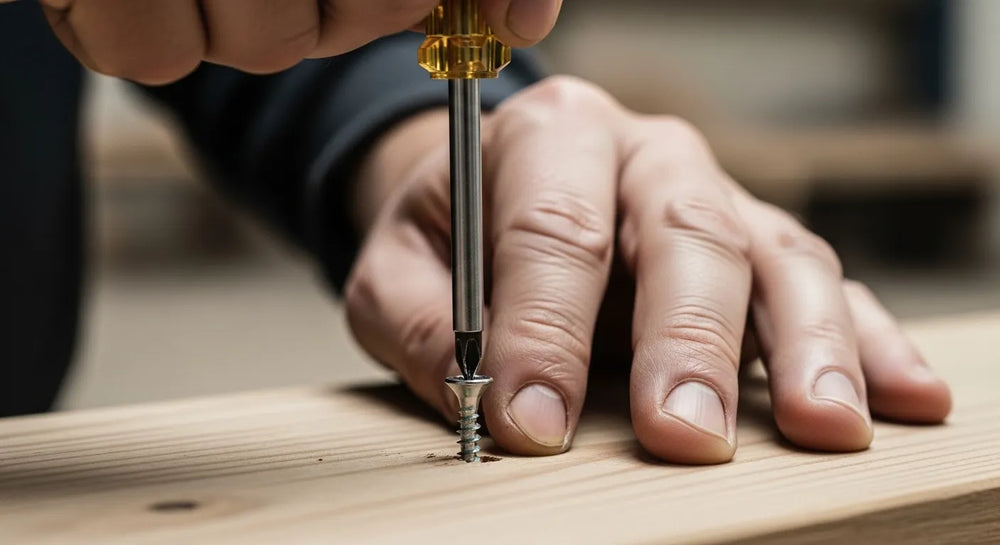
How to Use Coach Screws in Wood Effectively
Table of Contents
- Understanding Coach Screws: The Backbone of Heavy-Duty Wood Fastening
- Why Choose Coach Screws for Your Projects? The Strategic Advantage
- Selecting the Right Coach Screw for Optimal Performance
- Essential Tools and Equipment for Installation
- Step-by-Step Guide: How to Properly Install Coach Screws in Wood
- Common Challenges and Troubleshooting
- Best Practices for Maximizing Performance and Longevity
- Coach Screws in Industrial Applications and MRO
- The Maden.co Advantage: Sourcing American-Made Excellence
- Conclusion
- Frequently Asked Questions (FAQ)
Imagine a critical outdoor structure, a heavy-duty industrial fixture, or a foundational wooden beam that absolutely cannot fail. The integrity of such applications hinges not just on the quality of the timber, but crucially, on the strength and reliability of its fastenings. Often, in situations demanding exceptional holding power in wood, standard screws simply won't suffice. This is where coach screws, also known as lag screws, step in as the unsung heroes of heavy-duty fastening. Their robust design provides a level of structural integrity that few other fasteners can match, making them indispensable for demanding projects in construction, manufacturing, and maintenance.
This article delves into the precise art and science of using coach screws in wood, ensuring maximum holding power, structural stability, and longevity for your critical assemblies. We will explore everything from understanding their unique design and selecting the appropriate material and size, to mastering the essential installation techniques and troubleshooting common challenges. Furthermore, we'll highlight the strategic advantages of sourcing high-quality, American-made coach screws and other heavy-duty wood fasteners, demonstrating how platforms like Maden.co are revolutionizing industrial procurement by providing direct access to verified U.S. manufacturers. Mastering coach screw usage is vital for robust, long-lasting wood construction, and our mission at Maden.co is to empower you with the knowledge and the components to achieve industrial excellence.
Understanding Coach Screws: The Backbone of Heavy-Duty Wood Fastening
Coach screws, often referred to as lag screws or lag bolts (though technically screws, not bolts, as they don't require a nut), are a specialized type of heavy-duty threaded fastener designed for exceptional holding power in wood. Unlike a standard wood screw, a coach screw is substantially thicker and longer, featuring a coarse thread that bites deeply into timber, and most commonly, a distinctive hexagonal head. This hex head is engineered to be driven by a wrench or socket, allowing for significantly higher torque application than traditional slotted or Phillips head screws, thereby creating a much stronger joint.
While the term "coach screw" typically refers to these hex-headed heavy-duty fasteners, the principles of selecting materials, preparing pilot holes, and ensuring proper installation for robust wood fastening extend to other specialized wood screws that offer superior strength and durability compared to standard fasteners. These might include wood screws with alternative drive types like slot drives, often chosen for specific aesthetic requirements, historic restoration, or where a flush, traditional finish is desired, yet still demanding high quality and strength.
Key Characteristics of Coach Screws and Robust Wood Fasteners
- Hex Head: The most defining feature of a traditional coach screw, allowing for high torque application with a wrench or socket. This enables extreme clamping force, crucial for structural connections.
- Coarse Thread: Designed specifically for wood, these threads are deep and widely spaced to maximize grip and pull-out resistance, distributing stress over a larger surface area within the wood fibers.
- Shank Diameter: Coach screws boast a significantly larger diameter than typical wood screws, contributing directly to their increased shear strength and resistance to bending under heavy loads.
- Pointed Tip: Facilitates initial penetration into the wood, though a pilot hole is always essential to prevent splitting and ensure proper engagement.
- Material Strength: Constructed from robust materials such as steel (often zinc-plated or hot-dip galvanized for corrosion resistance), stainless steel (304 or 316 for enhanced durability in harsh environments), brass, or silicon bronze. The material choice is paramount and depends heavily on the application environment and desired longevity. For instance, in applications demanding both durability and a specific aesthetic, specialized options like a round slot drive brass wood screw can be invaluable. Similarly, a flat slot drive brass wood screw might be chosen for a flush, traditional finish in a demanding wood assembly, while an oval slot drive silicon bronze wood screw offers superior corrosion resistance for marine or outdoor use.
The Role of Material in Performance and Longevity
The material composition of a coach screw or heavy-duty wood fastener dictates its performance, especially concerning strength and resistance to environmental degradation.
- Zinc-Plated Steel: Common for indoor applications or sheltered outdoor use where moderate corrosion resistance is acceptable. The zinc coating provides a sacrificial layer against rust.
- Hot-Dip Galvanized Steel: Offers superior corrosion resistance compared to zinc plating, making it ideal for outdoor, exposed applications and treated lumber. The thick zinc layer forms a barrier against moisture and chemicals.
- Stainless Steel (304 & 316): Excellent for environments with high moisture, chemical exposure, or marine conditions. 316 stainless steel offers superior resistance to chlorides (like saltwater) than 304. It's often specified where longevity and aesthetic integrity in harsh settings are paramount.
- Brass & Silicon Bronze: Chosen for their aesthetic appeal, non-magnetic properties, and exceptional corrosion resistance in specific applications, particularly marine environments or architectural projects requiring a traditional finish. These materials also offer good machinability and are often preferred when working with certain hardwoods or for specific electrical isolation needs.
Understanding these characteristics and the nuanced material choices is the first step toward successful and durable wood fastening.
Why Choose Coach Screws for Your Projects? The Strategic Advantage
When contemplating fastening solutions for wood, the decision to opt for coach screws (or other equally robust wood screws) over nails or standard screws is a strategic one, driven by the need for superior strength, durability, and reliability. This choice is particularly critical in industrial, commercial, and structural applications where failure is not an option.
Unmatched Holding Power and Structural Integrity
The primary advantage of coach screws lies in their exceptional holding power. Their larger diameter, coarse threads, and deeper penetration into wood fibers create a joint that can withstand significantly higher shear and pull-out forces compared to nails or smaller-diameter screws. This makes them indispensable for:
- Heavy Timber Framing: Connecting large beams, posts, and joists in construction, ensuring the structural integrity of the entire framework.
- Deck Ledger Boards: Securing deck ledger boards to the main house structure, a critical connection for safety and stability.
- Securing Heavy Gates and Doors: Preventing sag and ensuring long-term functionality for heavy wooden gates and oversized doors.
- Anchoring Machinery: Fastening industrial machinery or heavy equipment to wooden bases or subflooring, minimizing vibration and ensuring operational stability.
- Playground and Outdoor Structures: Providing robust connections that can endure dynamic loads and environmental exposure over many years.
- Custom Crates and Industrial Packaging: Constructing sturdy crates for transporting heavy or sensitive industrial components, where secure fastening prevents damage during transit.
Enhanced Durability and Longevity
The robust construction and material options of coach screws contribute to the overall durability and longevity of the fastened assembly. When properly selected and installed, they resist loosening, fatigue, and environmental degradation, leading to a longer service life for the structure or component.
- Resistance to Shear Forces: Their thick shank diameter makes them highly resistant to shearing, essential for joints that experience lateral loads.
- Pull-Out Resistance: The aggressive, deep threads provide superior resistance to withdrawal, maintaining the integrity of the joint even under significant tension.
- Corrosion Resistance: With options like hot-dip galvanized steel, stainless steel, brass, or silicon bronze, coach screws can be specified to withstand challenging environments, from marine conditions to chemical exposure, ensuring the fastener itself does not become a point of failure due to rust or degradation. This is where sourcing from verified U.S. manufacturers through Maden.co becomes invaluable, as we prioritize supply chain transparency and the availability of fasteners with certified material specifications.
Versatility Across Wood Types
Coach screws are versatile enough to be used in a wide range of wood types, from softwoods like pine and cedar to dense hardwoods such as oak and maple, and even engineered wood products. The key to this versatility lies in proper pre-drilling and selection of the appropriate pilot hole size, which we will detail later. This adaptability makes them a go-to choice for procurement managers and design engineers working with diverse material specifications.
Strategic Sourcing for Business Outcomes
For procurement managers under pressure to source a specific, high-strength fastener, a design engineer needing precise material certifications for a new prototype, or an MRO buyer facing an unexpected equipment breakdown, the ability to quickly find and finance a verified, U.S.-made part is a game-changer. Sourcing through platforms like Maden.co doesn't just provide a product; it improves your Total Cost of Ownership (TCO) by reducing lead times, minimizing risks from inconsistent quality, and ensuring compliance with critical industry standards. Our network of 800+ verified U.S. manufacturers means you're getting industrial excellence, directly supporting supply chain resilience and American manufacturing pride.
Selecting the Right Coach Screw for Optimal Performance
Choosing the correct coach screw or heavy-duty wood fastener is paramount for the success and safety of your project. This involves a careful evaluation of material, size, and specific design features in relation to the application's demands and environmental conditions.
1. Material Selection: Matching the Environment
As discussed, the material dictates the screw's resistance to corrosion and its overall strength.
- For Exterior or Wet Applications: Hot-dip galvanized steel is a common and cost-effective choice for general outdoor use, especially with pressure-treated lumber (where its zinc coating helps prevent interaction with wood preservatives). For more extreme conditions, such as coastal areas, marine applications, or environments with specific chemical exposure, stainless steel (304 or 316) is highly recommended. The superior corrosion resistance of stainless steel ensures long-term integrity without the risk of rust stains or structural weakening.
- For Interior or Controlled Environments: Zinc-plated steel is typically sufficient. However, for applications demanding non-magnetic properties, specific chemical resistance, or a traditional aesthetic, brass or silicon bronze fasteners are excellent choices. For instance, in crafting high-end cabinetry or restoring antique furniture, a round slot drive brass wood screw can provide both strength and a period-appropriate finish. For flush surfaces, a flat slot drive brass wood screw ensures a clean look, while a oval slot drive silicon bronze wood screw offers unmatched corrosion resistance and strength in specialized, demanding wooden structures.
2. Size Matters: Diameter and Length
The dimensions of your coach screw directly impact its holding power and suitability for the wood members being joined.
- Diameter: The general rule is to use the largest diameter screw that is practical for your application without weakening the wood by splitting. Larger diameters offer greater shear strength and pull-out resistance. Common diameters range from 1/4" to 1".
- Length: This is critical. The screw needs to be long enough to pass through the material being fastened and penetrate the base material deeply enough to achieve adequate grip. A good guideline is that the screw should penetrate the base material by at least half its thickness, or ideally, a minimum of 1.5 to 2 inches for smaller screws, and proportionately more for larger diameters. The unthreaded shank portion of the coach screw should ideally pass through the material being fastened without threading into it, allowing the threads to fully engage in the base material for optimal clamping force.
3. Head Type and Drive
While traditional coach screws feature a hex head, other heavy-duty wood fasteners may have different drive types, each with its own advantages.
- Hex Head: As noted, this allows for maximum torque with a socket wrench, making it ideal for structural applications where extreme tightness is required.
- Slot Drive (Flat Head): Often chosen for aesthetic reasons, particularly in fine woodworking, historic restoration, or where a flush, traditional appearance is desired. While it provides less torque than a hex head, when coupled with strong materials like brass or silicon bronze, it still offers robust fastening for many applications. Our collection of U.S.-made round slot drive brass wood screws exemplifies this combination of strength and classic appeal.
4. Thread Type
Coach screws universally feature coarse threads optimized for wood. These threads are designed to cut into wood fibers efficiently and provide maximum grip without stripping the wood, provided the correct pilot hole is drilled.
5. Sourcing for Quality and Compliance
When selecting fasteners for industrial applications, beyond material and size, the origin and manufacturing quality are paramount. At Maden.co, we pride ourselves on connecting buyers with over 2.5 million American-made products from our network of 800+ verified U.S. manufacturers. This ensures:
- Consistent Quality: Adherence to stringent American manufacturing standards.
- Material Certifications: Availability of detailed specifications and certifications, crucial for compliance in regulated industries.
- Supply Chain Transparency: Knowing exactly where your products come from, fostering trust and reducing risk.
Our entire business model is built on this principle; you can learn more about our mission to champion American manufacturing here on our About Us page.
Essential Tools and Equipment for Installation
Proper installation of coach screws in wood requires more than just the screws themselves. Having the right tools ensures efficiency, accuracy, and ultimately, a secure and lasting joint.
- Power Drill: A powerful corded or cordless drill is essential. For larger diameter coach screws, an impact driver with the appropriate socket adapter can speed up the process, but caution must be exercised to avoid overtightening. Ensure your drill has sufficient torque to drive screws into dense wood.
-
Drill Bits for Pilot Holes:
-
Twist Bits or Auger Bits: These are used to create the pilot holes. You'll need two specific sizes:
- Shank Clearance Bit: This bit should match the unthreaded shank diameter of the coach screw. It's used to drill through the material being fastened, creating a clearance hole so the screw doesn't thread into this first piece of wood. This allows the two pieces to be pulled tightly together by the threads engaging only in the base material.
- Pilot Hole Bit: This bit should match the root (core) diameter of the coach screw, excluding the threads. This smaller hole is drilled into the base material. Its size is critical – too small, and the wood may split or the screw might snap; too large, and the threads won't get a good grip, leading to a weak joint. (More on sizing below.)
-
Twist Bits or Auger Bits: These are used to create the pilot holes. You'll need two specific sizes:
- Wrench or Socket Set: For hex-headed coach screws, a properly sized socket wrench or spanner is necessary for applying the high torque needed to drive the screw fully. Impact wrenches are also an option for speed, but require careful control to prevent overtightening.
- Screwdriver: If using slot-drive heavy-duty wood screws (like the Maden.co brass or silicon bronze options), a robust, appropriately sized flat-head screwdriver is required. Choose one with a comfortable grip that can withstand significant torque.
- Measuring Tools: Tape measure, pencil, and a carpenter's square or speed square for accurate marking and layout.
- Countersink Bit (Optional but Recommended): If you plan to recess the head of the coach screw for a flush finish or to cap it later, a countersink bit will create a clean recess.
- Safety Gear: Always wear safety glasses to protect against wood chips and dust. Gloves can protect your hands during handling and drilling.
Equipping your team with these professional-grade tools, alongside high-quality, U.S.-made fasteners, ensures projects are completed safely, efficiently, and to the highest standards of industrial excellence.
Step-by-Step Guide: How to Properly Install Coach Screws in Wood
The correct installation of coach screws is critical for achieving their full potential in terms of holding power and structural integrity. Rushing this process or neglecting key steps can lead to split wood, stripped threads, or a weakened joint.
1. Planning and Layout
Before drilling, meticulous planning is essential.
- Marking: Clearly mark the precise location for each coach screw. Use a tape measure and carpenter's square to ensure accuracy, especially when fastening multiple components.
- Spacing: Ensure adequate spacing between screws and from the edges of the wood to prevent splitting. Generally, screws should be placed no closer than two screw diameters from the edge of the wood and at least ten screw diameters apart.
- Wood Grain: Whenever possible, avoid driving screws directly into end grain, as this offers significantly less holding power and is more prone to splitting. If unavoidable, use longer screws and consider pre-drilling a slightly smaller pilot hole.
2. Selecting the Right Pilot Hole Size: The Most Critical Step
This cannot be overstressed: Always pre-drill for coach screws. Failing to do so will almost certainly result in split wood, bent screws, or fasteners that don't achieve their full clamping force. You need two distinct pilot hole sizes:
- Shank Clearance Hole: This hole is drilled only through the first piece of wood (the one being fastened). Its diameter should match the unthreaded shank diameter of the coach screw. This allows the screw's shank to pass freely through the first board, ensuring that the threads only engage the base material and pull the two pieces tightly together.
-
Thread Pilot Hole: This smaller hole is drilled into the base material. Its diameter should correspond to the root (core) diameter of the coach screw, which is the diameter of the screw shaft minus the threads. The exact size will vary depending on the density of the wood:
- Softwoods (e.g., Pine, Spruce, Fir): Use a pilot hole that is approximately 60-70% of the screw's core diameter.
- Medium Woods (e.g., Cherry, Maple): Use a pilot hole that is approximately 70-80% of the screw's core diameter.
- Hardwoods (e.g., Oak, Ash, Ipe): Use a pilot hole that is approximately 80-90% of the screw's core diameter. For very dense hardwoods, you might even consider lubricating the screw threads with wax or soap to reduce friction during driving.
A practical method to determine the thread pilot hole size: Hold the drill bit against the coach screw. The bit should be just slightly smaller than the core of the screw, such that the threads barely protrude beyond the drill bit's diameter.
3. Drilling the Pilot Holes
- Depth: Drill the pilot holes to the full depth that the coach screw will penetrate the base material.
- Perpendicularity: Use a drill guide or a steady hand to ensure the holes are drilled straight and perpendicular to the wood surface. Any angle can compromise the strength of the joint.
- Clear Debris: Regularly clear wood dust and chips from the pilot holes to prevent binding.
4. Countersinking (Optional but Recommended)
For a flush finish, or if you plan to plug the screw heads for aesthetics, use a countersink bit to create a slight recess for the coach screw head. This prevents the head from marring the wood surface and reduces the risk of splitting when the head draws down.
5. Driving the Coach Screw
- Initial Engagement: Start the coach screw by hand, turning it a few times to ensure it properly engages the pilot hole and is aligned correctly.
- Using a Wrench/Socket (for Hex Heads): Place the appropriately sized socket onto the hex head. Drive the screw slowly and steadily. Apply consistent pressure to keep the socket engaged.
- Using a Screwdriver (for Slot Drives): For robust slot-drive wood screws, select a screwdriver with a blade that fits snugly into the slot, matching its width and thickness. Apply firm, consistent downward pressure while turning to prevent cam-out (the screwdriver slipping out of the slot), which can damage the screw head and the wood.
- Avoid Overtightening: This is crucial. Overtightening can strip the wood fibers, effectively ruining the thread's grip, or even snap the screw itself. Stop tightening once the screw head is flush (or countersunk) and the joint feels firm. An impact driver can be useful but must be used on a low torque setting with extreme care.
6. Inspection
Once driven, visually inspect each coach screw. Check for:
- Tightness: The joint should feel solid with no movement.
- Flushness: The screw head should be flush or properly recessed.
- Absence of Splitting: Check for any signs of the wood splitting around the screw. If splitting occurs, you may need to use a smaller screw, a larger pilot hole, or relocate the fastener.
By following these detailed steps, you ensure that every coach screw installed contributes maximally to the strength and longevity of your wooden assembly, reflecting the highest standards of industrial excellence.
Common Challenges and Troubleshooting
Even with careful planning and execution, challenges can arise when working with coach screws. Knowing how to identify and address these issues efficiently is vital for maintaining project timelines and ensuring structural integrity.
1. Stripped Threads in Wood
- Problem: The coach screw spins freely without tightening, indicating the wood fibers around the threads have been damaged or widened. This often results from an oversized pilot hole or overtightening.
-
Solution:
- For minor stripping: Carefully remove the screw, fill the pilot hole with wood glue and toothpicks or wood slivers, let it dry, and then re-drill a new, slightly smaller pilot hole.
- For significant stripping: You might need to move the screw to a new location, use a larger diameter coach screw (after re-drilling a new pilot hole), or insert a threaded wood insert (though this is less common for heavy-duty coach screws).
- Prevention: Always use the correct pilot hole size and avoid overtightening. Stop immediately once the screw is snug.
2. Wood Splitting
- Problem: Cracks or splits appear in the wood, especially near the edges or ends, as the screw is driven in. This is almost always due to an insufficient pilot hole (too small or not deep enough) or driving the screw too close to an edge.
-
Solution:
- If the split is minor and the screw still holds securely, it might be acceptable for non-structural areas.
- For significant splits or structural applications, remove the screw, repair the split with wood glue and clamps (if possible), or replace the wood member. Then, re-drill a larger or deeper pilot hole.
- Prevention: Always pre-drill with the correct pilot hole sizes. Ensure screws are placed an adequate distance from edges and ends (minimum two screw diameters from the edge, much more from the end grain). Countersinking can also help prevent surface splitting from the screw head.
3. Screw Snapping or Stripping Head
- Problem: The head of the coach screw snaps off during driving, or the drive recess (for slot drive screws) becomes stripped, making it impossible to drive or remove. This can be caused by excessive torque, a pilot hole that is too small, a low-quality screw, or hitting an obstruction in the wood.
-
Solution:
- Snapped Screw: This is the most challenging. You'll need to either drill out the snapped portion with a metal drill bit (requires precision and specialized bits), or if enough of the shank protrudes, try to grip it with locking pliers and back it out. Often, the easiest solution is to abandon the location and start a new screw nearby.
- Stripped Head (Slot Drive): Try a screw extractor kit. If unsuccessful, you may need to drill out the screw head to remove the material being fastened, then extract the remaining shaft as described above.
- Prevention: Use high-quality, American-made coach screws and heavy-duty wood fasteners, which typically have superior material strength. Ensure pilot holes are correctly sized. Use a socket wrench or appropriate screwdriver, and avoid excessive force or overtightening, especially with impact drivers. For slot drives, use a perfectly fitting screwdriver bit and apply firm downward pressure. Sourcing from Maden.co ensures you receive products from verified U.S. manufacturers known for industrial excellence and consistent material quality, significantly reducing the risk of such failures.
4. Corrosion
- Problem: Rust or material degradation appears on the screw surface, compromising its strength and aesthetic. This happens when the screw material is not suitable for its environment (e.g., zinc-plated steel in a marine setting).
- Solution: Replace corroded screws with fasteners made from the appropriate corrosion-resistant material (e.g., hot-dip galvanized, stainless steel, silicon bronze).
- Prevention: Select the correct material for the application's environment from the outset. For outdoor or marine environments, opting for an oval slot drive silicon bronze wood screw from a verified U.S. manufacturer, for example, offers significantly better long-term performance than standard steel options.
By understanding these common challenges and implementing preventative measures, procurement managers, MRO buyers, and design engineers can streamline their projects, minimize rework, and ensure the lasting quality of their wood assemblies.
Best Practices for Maximizing Performance and Longevity
Beyond the fundamental installation steps, adhering to best practices will significantly enhance the performance, longevity, and safety of your coach screw applications. These insights are crucial for achieving industrial excellence in any wood-fastening project.
- Always Pre-Drill, No Exceptions: This is the golden rule. It prevents splitting, ensures straight driving, and allows the screw threads to fully engage without binding, maximizing holding power. The two-stage pilot hole (shank clearance and thread pilot) is key.
- Select the Correct Material and Finish: Never compromise on material choice. For exterior or wet environments, hot-dip galvanized or stainless steel (304 or 316) is paramount. For specific aesthetic or non-corrosive properties, consider brass or silicon bronze. A quick call to a supplier or checking detailed product specifications on Maden.co can confirm material properties.
- Match Screw Size to the Load and Material: Use a screw of adequate diameter and length for the anticipated load and the thickness of the wood members. Over-specifying is generally safer than under-specifying, provided it doesn't weaken the wood.
- Avoid Overtightening: This cannot be stressed enough. Overtightening strips threads, damages wood, and can lead to screw failure. Drive until snug, then stop. For hex heads, this means a firm resistance; for slot drives, it means the screw head is flush and the joint is tight.
- Consider Washers for Softwoods: When fastening into softer woods or using large diameter coach screws, a flat washer under the head can significantly increase the bearing surface, preventing the screw head from compressing into the wood over time. This helps maintain clamping force and prevents head pull-through.
- Lubricate for Hardwoods: For extremely dense hardwoods, rubbing the coach screw threads with wax, soap, or specialized screw lubricant can reduce friction, making driving easier and significantly reducing the risk of snapping the screw or stripping the wood.
- Use Impact Drivers Cautiously: While impact drivers can be powerful and efficient, they deliver high torque in bursts. Use them on lower settings and exercise extreme caution to avoid overtightening or snapping screws, especially with smaller diameters or in brittle wood.
- Regular Inspection and Maintenance: For outdoor or high-stress applications (e.g., decks, structural elements, machinery mounts), periodically inspect coach screws for signs of corrosion, loosening, or wood degradation around the fastener. Address any issues promptly to prevent cascading failures.
- Source from Reputable Suppliers: The quality of the coach screw itself profoundly impacts its performance. Sourcing from verified U.S. manufacturers ensures consistent quality, adherence to material specifications, and reliable performance. This is where Maden.co excels, providing a transparent marketplace for industrial excellence.
By integrating these best practices into your procurement and installation processes, you elevate the quality and reliability of your wood structures, ensuring that your projects not only meet but exceed expectations for durability and safety.
Coach Screws in Industrial Applications and MRO
The strength, durability, and versatility of coach screws make them invaluable across a wide spectrum of industrial applications and Maintenance, Repair, and Operations (MRO) scenarios. Their ability to form robust, long-lasting joints in wood is critical for the safety, stability, and operational efficiency of numerous industrial assets.
Construction and Infrastructure
- Heavy Timber Framing: In post-and-beam construction, glulam beam assemblies, and large-scale wooden structures, coach screws are essential for connecting primary structural elements, providing shear and withdrawal resistance vital for load-bearing capacity.
- Foundation Work: Securing sill plates to wooden foundations or anchoring wooden elements to concrete using appropriate anchors in conjunction with coach screws ensures a strong and stable base for buildings and large machinery.
- Outdoor Structures: From industrial walkways, heavy-duty staging, and utility pole crossarms to large-scale fencing and retaining walls, coach screws provide the necessary resilience against environmental forces and heavy usage.
Manufacturing and Industrial Facilities (MRO)
- Machinery Anchoring: In many manufacturing plants, heavy machinery is mounted onto wooden platforms, skids, or directly onto wooden floors. Coach screws are used to securely anchor these machines, minimizing vibration, ensuring precise alignment, and enhancing operator safety.
- Robust Shelving and Racking: Constructing heavy-duty wooden shelving units or industrial racks requires fasteners that can support significant weight without failure. Coach screws provide the strength to hold shelves and uprights securely.
- Conveyor Systems: Wooden components within conveyor systems, such as supports or guides, often require robust fastening. Coach screws ensure these elements remain stable under continuous motion and load.
- Repair and Overhaul: During MRO activities, coach screws are frequently used for repairing damaged wooden structural elements, reinforcing worn joints, or replacing fasteners that have failed due to fatigue or corrosion. For an MRO buyer needing a specific, corrosion-resistant coach screw for repairing a critical outdoor wooden structure, our platform streamlines the sourcing process.
Logistics and Packaging
- Custom Crates for Heavy Goods: For transporting oversized or sensitive industrial equipment, custom-built wooden crates rely on coach screws to create incredibly strong joints, ensuring the contents are securely protected during transit.
- Securing Loads: In specialized logistics, wooden blocking or bracing used to secure heavy loads within shipping containers or on flatbed trucks often utilizes coach screws for maximum stability.
Design Engineering and Prototyping
- Specifying Robust Fasteners: Design engineers frequently specify coach screws for applications where a strong, reliable wood-to-wood or wood-to-metal connection is required. This includes designing custom jigs, fixtures, and specialized wooden components for industrial processes.
- Prototyping: In the development of new industrial equipment or systems, wooden prototypes or test fixtures benefit from the robust and adaptable fastening provided by coach screws, allowing for iterative design changes with secure connections. A design engineer sourcing fasteners for a new heavy-duty wooden prototype will find that the need for precise dimensions and material certifications is paramount, and our platform connects them directly to U.S. manufacturers who can meet these exact needs.
In all these scenarios, the ability to rapidly source high-quality, specified coach screws and other heavy-duty wood fasteners is paramount. Procurement managers, MRO buyers, and design engineers consistently seek reliable suppliers who offer not just products, but solutions that enhance efficiency, compliance, and supply chain resilience. This brings us to the distinct advantages of partnering with Maden.co.
The Maden.co Advantage: Sourcing American-Made Excellence
In today's dynamic industrial landscape, where supply chain disruptions and quality inconsistencies are constant concerns, the strategic choice of a sourcing partner can significantly impact a business's operational efficiency, cost management, and long-term resilience. At Maden.co, we are committed to being that strategic partner, offering unparalleled access to the finest American-made industrial products, including a vast array of high-quality coach screws and heavy-duty wood fasteners.
Democratizing Access to American Manufacturing
Our core mission at Maden.co is to democratize access to American manufacturing. We achieve this by connecting industrial buyers—procurement managers, MRO specialists, design engineers, and business owners—with an expansive network of over 2.5 million American-made products from 800+ verified U.S. manufacturers. Our vision is to become the definitive platform that proves American-made components are as accessible and convenient as any global alternative, driving the manufacturing revival with our tagline: "America's manufacturing revival is here."
Building Supply Chain Resilience
Sourcing through Maden.co directly contributes to building a more robust and resilient supply chain. By prioritizing U.S.-made products, you benefit from:
- Reduced Lead Times: Shorter shipping distances and domestic production mean faster delivery and improved project timelines.
- Consistent Quality: Products manufactured in the U.S. adhere to stringent quality controls and labor standards, ensuring reliability and industrial excellence.
- Minimized Geopolitical Risk: Less reliance on international logistics and fluctuating global trade policies.
- Enhanced Visibility: Greater transparency into the manufacturing process and product origins.
Unwavering Commitment to Quality and Compliance
We understand that for critical industrial applications, adherence to specifications and material certifications is non-negotiable. Our platform features detailed product listings, allowing buyers to easily find fasteners that comply with industry standards (e.g., DIN, NPT where applicable) and come with necessary material certifications. This commitment to supply chain transparency and industrial excellence empowers our customers to make informed decisions that uphold the highest standards of safety and performance.
Streamlined Procurement and Customer Empowerment
We believe in simplifying the procurement process. Our user-friendly digital marketplace reduces procurement friction, allowing you to efficiently navigate a vast catalog of hard-to-find, U.S.-made components. Beyond mere transactions, we focus on customer empowerment by providing:
- Comprehensive Product Data: Detailed specifications, material breakdowns, and application guidelines.
- Expert Support: If you have specific sourcing questions or need assistance finding a particular heavy-duty wood fastener, our team is ready to help through our Contact Us page.
- Digital Innovation: Leveraging technology to make sourcing American-made products as convenient as possible.
Strategic Financial Flexibility: Instant Financing
A key differentiator that sets Maden.co apart is our "Instant Financing" option. We recognize that industrial procurement often involves significant capital outlays, and managing cash flow is paramount for businesses. Our Instant Financing feature, available directly at checkout, is not just a payment method; it's a strategic tool designed to:
- Improve Cash Flow Management: Allows businesses to acquire necessary components without immediately depleting working capital.
- Facilitate Larger-Volume Purchases: Empowers procurement managers to make bulk orders or invest in capital-intensive projects without financial strain, securing better pricing or ensuring product availability.
- Expedite Projects: Removes financial bottlenecks, enabling faster project initiation and completion.
This financial flexibility, coupled with the quality and reliability of American manufacturing, creates a powerful value proposition. You can apply for Instant Financing at checkout to streamline your capital-intensive projects and keep your operations running smoothly.
Are you a qualified U.S. manufacturer producing high-quality industrial fasteners or other American-made products? We invite you to expand your reach and contribute to the nation's industrial strength. Register as a vendor and join the American manufacturing revival on Maden.co.
Conclusion
The strategic application of coach screws and other robust wood fasteners is fundamental to the structural integrity, longevity, and safety of countless industrial, commercial, and residential projects. From ensuring the stability of heavy machinery mounts in manufacturing facilities to securing critical structural elements in construction, the choice of fastener and its correct installation are non-negotiable for industrial excellence. By understanding the unique properties of coach screws, meticulously selecting the right materials and sizes, and adhering to best practices for pre-drilling and driving, businesses can prevent costly failures, extend asset lifespans, and bolster overall operational reliability.
The resurgence of American manufacturing brings with it a renewed focus on quality, transparency, and resilience in the supply chain. At Maden.co, we are proud to be at the forefront of this movement, connecting industrial buyers with an extensive network of verified U.S. manufacturers. Our commitment to American Manufacturing Pride, Digital Innovation, Supply Chain Transparency, Industrial Excellence, and Customer Empowerment ensures that you have unparalleled access to the high-quality, American-made components you need to build with confidence.
Don't let unreliable sourcing or inadequate fasteners compromise your next critical project. Explore the vast catalog of American-made coach screws and heavy-duty wood fasteners on Maden.co today. Experience the tangible benefits of sourcing through our platform: improved Total Cost of Ownership, enhanced supply chain resilience, and access to premium, compliant products from verified U.S. manufacturers. When you find the perfect component for your demanding wood applications, remember that you can apply for Instant Financing at checkout to streamline your capital-intensive projects, ensuring your procurement process is as efficient and reliable as the American-made products you purchase.
Frequently Asked Questions (FAQ)
1. What is the main difference between a coach screw and a standard wood screw?
The primary difference lies in their size, head type, and intended application. Coach screws (or lag screws) are significantly larger and heavier-duty than standard wood screws. They typically feature a hexagonal head, designed to be driven with a wrench or socket for high torque, providing superior holding power in structural applications. Standard wood screws are smaller, often have slotted, Phillips, or Torx heads, and are suitable for lighter-duty fastening where less clamping force is required.
2. Do I always need a pilot hole when using coach screws in wood?
Yes, absolutely. Pre-drilling a pilot hole is critical for coach screws. Without one, the aggressive threads and large diameter of the screw will almost certainly split the wood, especially hardwoods or when fastening near edges. A properly sized pilot hole prevents splitting, guides the screw straight, and allows the threads to engage the wood fibers effectively for maximum holding power without stripping.
3. How do I determine the right size (diameter and length) coach screw for my project?
For diameter, choose the largest size that can be used without weakening the wood by splitting, typically based on the load it needs to bear. For length, the screw should pass completely through the material being fastened and penetrate the base material by at least half its thickness, or ideally 1.5 to 2 inches (or more for larger diameters). The unthreaded shank should pass through the first piece of wood, with the threads fully engaging the base material for optimal clamping.
4. Can coach screws be used in pressure-treated lumber?
Yes, coach screws are commonly used in pressure-treated lumber for outdoor and structural applications. However, it is crucial to use coach screws that are specifically designed and coated for compatibility with the chemicals in treated lumber. Hot-dip galvanized steel or stainless steel (304 or 316) coach screws are generally recommended for these applications, as standard zinc-plated screws can corrode rapidly when exposed to the corrosive preservatives in treated wood. Always check the fastener's specifications for treated lumber compatibility.


