
How to Use Sheet Metal Screws Effectively: A Masterclass in Fastening
Table of Contents
- Understanding Sheet Metal Screws: More Than Just a Fastener
- The Anatomy of a Sheet Metal Screw: Crucial for Selection
- How to Use Sheet Metal Screws: A Step-by-Step Guide
- Common Mistakes and How to Avoid Them
- The Maden.co Advantage: Sourcing American-Made Excellence
- Beyond the Basics: Advanced Considerations
- The Future of Fastener Sourcing: American-Made Innovation
- Conclusion
- FAQ
In the demanding world of industrial manufacturing and maintenance, even the smallest components can dictate the success or failure of a project. Consider the seemingly simple act of joining two pieces of sheet metal. An incorrect fastener choice, an improperly drilled pilot hole, or inadequate torque can lead to structural weaknesses, material damage, and ultimately, costly rework or equipment failure. For a procurement manager overseeing critical infrastructure projects, an MRO buyer dealing with an unexpected equipment breakdown, or a design engineer finalizing a new product prototype, understanding the nuances of how to use sheet metal screws isn't just a technical detail—it's a fundamental aspect of operational integrity and fiscal responsibility.
This guide delves deeply into the essential world of sheet metal screws, exploring their diverse types, optimal selection criteria, and precise application techniques. We will uncover best practices for installation, identify common pitfalls to avoid, and highlight how strategic sourcing through platforms like Maden.co can enhance your procurement processes and project outcomes. Our aim is to provide comprehensive insights that empower you to make informed decisions, ensuring robust, reliable assemblies while optimizing your Total Cost of Ownership (TCO) and bolstering supply chain resilience.
Understanding Sheet Metal Screws: More Than Just a Fastener
Sheet metal screws are a specific category of self-tapping fasteners designed to create their own mating threads in thin metal, plastic, or composite materials. Unlike standard machine screws that require a pre-tapped hole or a nut, sheet metal screws boast sharp, often hardened threads and points, allowing them to pierce and secure material efficiently. This self-tapping capability significantly streamlines assembly processes, reducing the need for additional tooling and labor, making them indispensable in industries ranging from HVAC and automotive to electronics and construction.
The Fundamental Design Principles
At their core, sheet metal screws are engineered for efficiency and strength in specific applications. Their fully threaded bodies provide maximum engagement, while various head and point configurations cater to different material thicknesses, aesthetic requirements, and installation methods. The selection of materials and finishes is equally critical, impacting everything from corrosion resistance to shear strength under load. Understanding these fundamental design principles is the first step toward mastering their effective use and ensuring the longevity and reliability of your fastened assemblies.
Common Materials and Coatings
The performance of a sheet metal screw is heavily influenced by its material composition and protective coatings.
- Carbon Steel: The most common material, offering a good balance of strength and cost-effectiveness. Often heat-treated to achieve the necessary hardness for self-tapping.
- Stainless Steel (302, 304, 316): Chosen for its superior corrosion resistance, particularly in outdoor, humid, or chemical-exposed environments. Different grades offer varying levels of resistance and strength.
- Aluminum: Lightweight and corrosion-resistant, suitable for applications where weight is a concern or galvanic corrosion with dissimilar metals needs to be avoided.
Coatings serve to enhance durability, corrosion resistance, and even aesthetics:
- Zinc Plated: A very common and economical coating that provides good corrosion resistance in mild environments. It's often identifiable by its silvery-white finish.
- Phosphate: Offers a dark, dull finish and excellent adhesion for paints and primers, commonly found in automotive and industrial applications where a painted finish is desired.
- Galvanized: Hot-dip galvanizing offers a thicker zinc coating for superior corrosion resistance in harsh outdoor environments, although it can affect thread fit.
- Ruspert/Ceramic Coatings: Advanced multi-layer ceramic-polymer coatings offering exceptional corrosion and chemical resistance, often seen in marine or highly corrosive industrial settings.
For any procurement manager, MRO buyer, or design engineer, sourcing fasteners with the correct material and finish is paramount. Maden.co emphasizes Supply Chain Transparency by connecting buyers with verified U.S. manufacturers who provide detailed product specifications, ensuring that the components meet stringent industry standards for material and coating integrity.
The Anatomy of a Sheet Metal Screw: Crucial for Selection
Choosing the right sheet metal screw is a precise exercise, where the specific characteristics of the fastener must perfectly align with the demands of the application. Each element—from the head style to the thread configuration—plays a vital role in performance, aesthetics, and ease of installation.
Head Types and Their Applications
The head of a sheet metal screw serves multiple purposes: it provides a surface for the driving tool, helps distribute the clamping force, and contributes to the final aesthetic.
- Pan Head: Featuring a slightly rounded top and vertical sides, the pan head is one of the most versatile and common types. It offers a good bearing surface without being overly bulky and is suitable for most general-purpose applications where a flush finish isn't required.
- Truss Head: Wider and flatter than a pan head, the truss head provides an even larger bearing surface. This increased surface area is ideal for securing thinner materials or softer plastics, as it distributes the clamping force over a broader area, reducing the risk of crushing or distorting the material. For applications requiring a broad, low-profile clamp, consider the robust design of a Steel Zinc Plated Type A Truss Square Drive Self-Tapping Sheet Metal Screw, available from our network of American manufacturers.
- Hex Head: Designed for use with wrenches or hex drivers, hex heads allow for higher torque application, making them excellent for heavy-duty applications where maximum clamping force is needed. They also provide a firm grip during installation.
- Flat Head (Countersunk): Engineered to sit flush with the surface of the material, flat heads require a countersunk hole. They are perfect for applications where a smooth, snag-free finish is critical for aesthetics or safety.
- Oval Head: Similar to a flat head but with a slightly rounded, decorative top surface. Oval heads also require countersinking and are often used in applications where a finished, slightly raised appearance is desired.
Drive Types for Optimal Torque and Control
The drive type dictates the tool required for installation and significantly impacts the transfer of torque and resistance to cam-out (when the driver slips out of the screw head).
- Phillips Drive: The most ubiquitous drive type, recognizable by its cross-shaped recess. While common, Phillips drives can be prone to cam-out if not properly aligned or if excessive torque is applied, potentially stripping the screw head or the bit.
- Slotted Drive: The oldest and simplest drive type, featuring a single slot. Slotted drives are less common in industrial applications today due to their tendency to cam-out easily and their difficulty in high-speed driving. However, for certain traditional or low-torque applications, they remain relevant. You can find dependable Steel Zinc Plated Type A Pan Slot Drive Self-Tapping Sheet Metal Screws for a variety of general-purpose fastening needs through our extensive catalog.
- Square (Robertson) Drive: Developed in Canada, the square drive offers superior torque transfer and significantly reduced cam-out compared to Phillips or slotted drives. Its positive engagement makes it a favorite in construction and manufacturing for efficient and reliable fastening.
- Torx (Star) Drive: Featuring a six-point star pattern, Torx drives provide the best torque transfer and virtually eliminate cam-out. They are increasingly popular in high-volume assembly and applications where precise torque control and reliable fastening are critical.
Thread Types: Matching the Material and Application
The thread design is perhaps the most critical factor for a sheet metal screw's performance, determining its ability to tap into and hold securely within various materials.
- Type A: Characterized by a coarse thread and a sharp, gimlet point, Type A screws are designed for use in thin sheet metal (typically 18 to 28 gauge) where a pilot hole has been punched or drilled. They are also effective in plywood and certain plastics.
- Type AB: Similar to Type A but with a finer thread pitch and a more pointed tip, allowing for better engagement in slightly thicker metals and plastics, often without pre-drilling depending on material thickness.
- Type B: Features a blunt point with coarse, spaced threads. Type B screws are ideal for heavier gauge sheet metal, non-ferrous castings, plastics, and resin-impregnated plywood. They require a pre-drilled pilot hole.
- Hi-Lo (High-Low) Thread: This specialized thread type features alternating high and low thread profiles. The high thread provides strong engagement in the material, while the low thread helps reduce driving torque and stress on the material. Hi-Lo screws are exceptional for securing components in softer materials such as plastics, composites, and wood, where they offer superior pull-out resistance and reduced stripping. For applications requiring enhanced grip and reduced stripping in softer materials, explore the detailed specifications of a Hi-Lo Double Lead Thread Self-Tapping Sheet Metal Screw manufactured right here in the U.S.
- Other Specialized Types: Other thread forms like Type F (machine screw threads with a tapered blunt point), Type 25 (spaced threads with a blunt point), and various thread-cutting (rather than thread-forming) screws exist for highly specific applications in harder plastics or even some metals.
For design engineers, MRO buyers, and procurement managers, understanding these intricate details is paramount. At Maden.co, we simplify this complex selection by offering detailed product specifications from over 800+ verified U.S. manufacturers. Our platform empowers you with the precise information needed to ensure every fastener chosen contributes to Industrial Excellence and project success.
How to Use Sheet Metal Screws: A Step-by-Step Guide
Proper application of sheet metal screws goes beyond simply driving them into material. It involves a systematic approach that considers material properties, tool selection, and critical installation techniques to ensure a secure, long-lasting connection.
1. Preparation is Key: Assessing Your Material and Project
Before even selecting a screw, a thorough assessment of the application is crucial. This initial step can prevent numerous issues down the line.
- Material Thickness and Type: Identify the exact material (e.g., 20-gauge steel, ABS plastic, aluminum sheet) and its thickness. This directly influences screw length, diameter, and thread type. Thicker materials may require longer screws or different thread profiles. Softer materials might benefit from Hi-Lo threads to prevent stripping.
- Environmental Conditions: Will the assembly be exposed to moisture, chemicals, temperature extremes, or UV radiation? These factors dictate the necessary material (e.g., stainless steel) and coating (e.g., galvanized, Ruspert) for corrosion resistance and durability.
- Load Requirements: Understand the forces the fastener will experience (shear, tensile, vibration). This impacts the screw's diameter, length of engagement, and head type. Over-specifying can lead to unnecessary costs, while under-specifying can lead to failure.
2. Selecting the Right Screw for the Job
With a clear understanding of your project's needs, you can confidently select the appropriate sheet metal screw from the vast array available.
- Matching Thread Type to Material: This is arguably the most critical choice. For thin metals, Type A or AB are common. For plastics or composites, Hi-Lo threads often provide superior performance. For heavier gauge metals or certain plastics, Type B or specialized thread-cutting screws may be necessary.
- Choosing Head and Drive Type: Consider both functionality and aesthetics. Pan or truss heads for general purpose, flat heads for flush finishes, hex heads for high torque. Select a drive type that allows for efficient installation with your available tools and minimizes cam-out risk (e.g., square or Torx for demanding applications).
- Considering Material and Finish: Based on environmental exposure and required longevity, choose between plain steel (for internal, dry applications), zinc-plated (general corrosion resistance), stainless steel (high corrosion resistance), or specialized coatings.
For a design engineer needing specific material certifications or an MRO buyer replacing a critical component, the ability to quickly filter and source fasteners based on precise specifications is invaluable. Maden.co's platform allows for detailed search parameters, connecting you with verified U.S. manufacturers who meet stringent quality standards, thereby enhancing your Customer Empowerment and reducing procurement friction.
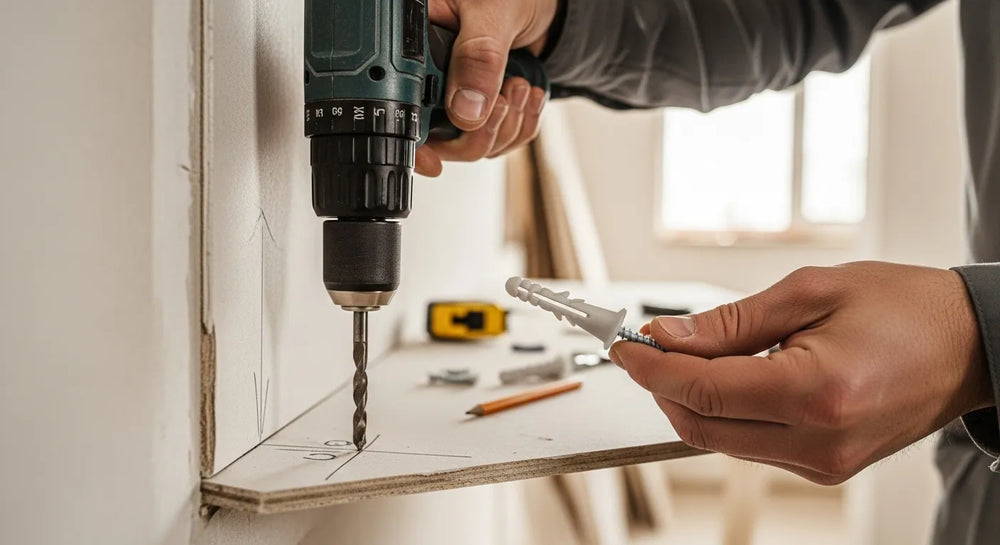
3. Pre-Drilling: When and How
While "self-tapping" implies no pre-drilling, it's often a misnomer in precision industrial applications. Pre-drilling a pilot hole is frequently essential for optimal results, especially in metals and harder plastics.
-
Why Pre-Drill?
- Prevents Material Distortion: In thin sheet metal, driving a screw without a pilot hole can warp or tear the material around the fastener.
- Reduces Cracking: In plastics and brittle materials, pre-drilling prevents stress cracking.
- Ensures Proper Thread Engagement: A correctly sized pilot hole allows the screw to form strong, clean threads, maximizing holding power and preventing stripping.
- Aids Alignment: Helps guide the screw accurately, ensuring perpendicular installation.
- Extends Screw Life: Reduces the stress on the screw during installation, minimizing the risk of breakage.
- Determining Pilot Hole Size: This is crucial. The pilot hole should be slightly smaller than the major (outermost) thread diameter of the screw but larger than the minor (innermost) thread diameter. This allows the screw threads to cut into the material effectively without excessive resistance or insufficient material engagement. Refer to manufacturer specifications or standardized charts for precise pilot hole recommendations based on screw gauge and material thickness.
- Tools: Use a high-quality drill bit (HSS for metal, specific plastic bits for plastics). For very thin materials, an automatic center punch can create a small indentation for precise drill bit placement.
Practical Scenario: For a procurement manager under pressure to source a specific DIN 931 compliant hex cap screw or a design engineer needing specific material certifications for a new prototype, the ability to quickly find and finance a verified, U.S.-made part is a game-changer. Our platform, Maden.co, offers an extensive catalog where you can source everything from standard fasteners to highly specialized components, all backed by American Manufacturing Pride.
4. Driving the Screw: Technique and Tools
The act of driving the screw is where preparation meets execution. Proper technique and tool selection are vital for a secure, undamaged connection.
-
Proper Tools:
- Power Drills/Drivers: Variable speed drills are common. Cordless impact drivers are highly effective for driving sheet metal screws due to their high torque and resistance to cam-out, especially with square or Torx drives.
- Manual Screwdrivers: For delicate work or when power tools are impractical.
- Appropriate Bits: Always use the correct size and type of bit for the screw head to prevent stripping and damage.
-
Speed and Torque Settings:
- Start Slow: Begin at a slow speed to ensure the screw engages properly and to avoid cross-threading.
- Increase Speed: Once threads are started, increase speed to drive the screw efficiently.
- Reduce Speed for Final Tightening: As the screw bottoms out, reduce speed and apply controlled torque to prevent over-tightening.
- Preventing Over-Tightening and Stripping: Over-tightening is a common culprit of failure. It can strip the threads in the material, damage the screw head, or even deform the material. Many modern power tools have adjustable clutch settings to prevent this. Stop driving as soon as the screw head makes firm contact with the material and feels snug. A small gap or wobble indicates insufficient tightening, while material deformation indicates over-tightening.
- Maintaining Perpendicular Alignment: Hold the driver perfectly perpendicular to the material surface throughout the driving process. Angled driving can lead to improper thread formation, weaker connections, and increased risk of stripping.
5. Inspection and Quality Assurance
The final step is to inspect the installed fasteners to ensure they meet quality standards.
- Check for Flush Fit: If using flat or oval heads, ensure they are flush or properly seated.
- Verify Secure Connection: Gently test the connection for any looseness or movement.
- Examine Screw Head: Look for any signs of stripping or damage to the drive recess. A damaged head makes future removal difficult.
- Assess Material Integrity: Ensure there's no cracking, dimpling, or deformation around the screw, which indicates excessive force or an incorrectly sized pilot hole.
Common Mistakes and How to Avoid Them
Even with careful planning, mistakes can happen. Recognizing and actively avoiding these common pitfalls will significantly improve your fastening outcomes.
-
Using the Wrong Pilot Hole Size: This is a leading cause of failure.
- Too Small: Leads to excessive driving torque, stripped screw heads, broken screws, or material deformation/cracking.
- Too Large: Results in poor thread engagement, stripped holes, reduced pull-out strength, and loose connections.
- Solution: Always consult manufacturer charts or reliable reference guides for the correct pilot hole size based on screw gauge and material type/thickness.
-
Over-tightening: A pervasive issue that degrades the integrity of the fastener and the material.
- Consequences: Stripped threads (in the material or on the screw), deformed material, weakened joint strength, and difficulty of future removal.
- Solution: Use torque-controlled drivers or exercise extreme caution with standard drills. Stop driving as soon as the screw feels snug against the material. A slight "give" in the material (especially plastic) can be a sign of impending stripping.
-
Using the Wrong Screw Type for the Material: Attempting to use a Type A screw in thick plastic or a Type B in very thin sheet metal will yield poor results.
- Solution: Meticulously match the screw's thread design to the material. Hi-Lo threads for plastics, fine threads for some metals, coarse for others.
-
Lack of Proper Preparation: Rushing the setup leads to errors.
- Issues: Misaligned holes, dirty surfaces affecting thread engagement or corrosion resistance.
- Solution: Always ensure surfaces are clean, pilot holes are accurately positioned, and the material is stable before driving.
-
Ignoring Environmental Factors: Neglecting the environment the assembly will operate in.
- Consequences: Premature corrosion, material degradation, and joint failure.
- Solution: Select appropriate materials (e.g., stainless steel, specialized coatings) for humid, chemical-rich, or outdoor environments. Consider galvanic corrosion when joining dissimilar metals.
By understanding these common errors and implementing preventative measures, procurement managers, MRO buyers, and design engineers can ensure that their fastening solutions are not only effective but also contribute to the long-term reliability and cost-efficiency of their projects. This proactive approach is a cornerstone of Industrial Excellence, a value proudly upheld by Maden.co.
The Maden.co Advantage: Sourcing American-Made Excellence
In today's dynamic industrial landscape, where supply chain disruptions and quality inconsistencies are constant concerns, strategic sourcing has never been more critical. At Maden.co, our mission is to democratize access to American manufacturing, providing a direct and transparent pathway for industrial buyers to source high-quality, U.S.-made products. We believe that America's manufacturing revival is here, and we are dedicated to leading the charge.
Enhancing Supply Chain Resilience and Transparency
One of the most compelling reasons to choose Maden.co is the inherent resilience offered by domestic sourcing. By connecting industrial buyers with over 2.5 million American-made products from our network of 800+ verified U.S. manufacturers, we significantly reduce reliance on fragile global supply chains. This means faster lead times, fewer logistical headaches, and a more predictable flow of critical components. Our core values of Supply Chain Transparency and American Manufacturing Pride mean you have unparalleled visibility into the origins and quality of your parts, minimizing risks and ensuring continuity of operations. You can learn more about our mission to champion American manufacturing here.
Compliance, Quality, and Industrial Excellence
Sourcing through Maden.co means partnering with manufacturers who adhere to the highest standards of quality. For design engineers, MRO buyers, and procurement managers, this translates into peace of mind. Our platform facilitates access to detailed specifications and material certifications, ensuring compliance with critical industry standards such as DIN, NPT, and others. This commitment to Industrial Excellence is embedded in every product listed, providing a level of reliability that is unmatched. When you purchase from Maden.co, you're not just buying a part; you're investing in quality assurance and manufacturing integrity.
Reducing Procurement Friction and Empowering Customers
We understand the complexities of industrial procurement. That's why Maden.co is designed to simplify the process. Our intuitive digital platform, a testament to our commitment to Digital Innovation, offers advanced search functionalities, detailed product listings, and a streamlined ordering experience. This approach drastically reduces procurement friction, allowing buyers to quickly find hard-to-source, U.S.-made components. Our goal is Customer Empowerment, giving you the tools and access to make efficient, informed purchasing decisions that directly impact your operational efficiency and bottom line.
Strategic Financing for Capital-Intensive Projects
A key differentiator and a significant benefit for businesses is our Instant Financing option. We recognize that large-volume purchases or unexpected equipment needs can strain cash flow. Instant Financing, available at checkout, is not just a payment method; it's a strategic tool designed to help procurement managers and business owners manage capital more effectively. It enables you to make timely, larger-volume purchases without immediate upfront capital outlay, ensuring your projects stay on schedule and your operations remain uninterrupted. You can apply for Instant Financing at checkout to streamline your capital-intensive projects and maintain healthy cash flow.
Beyond the Basics: Advanced Considerations
For those pushing the boundaries of design and manufacturing, a deeper understanding of fastening principles extends beyond basic application.
Corrosion Protection Strategies
While coatings offer initial protection, long-term corrosion resistance requires a holistic approach.
- Material Selection: Stainless steel grades (304, 316) offer inherent resistance.
- Galvanic Corrosion Awareness: Avoid direct contact between dissimilar metals, especially in the presence of an electrolyte. Use insulating washers or choose compatible fasteners.
- Environmental Sealing: Employ washers, gaskets, or sealants to prevent moisture ingress.
Vibration Resistance
In dynamic environments, fasteners can loosen.
- Thread-Locking Compounds: Anaerobic adhesives fill the gaps between threads, preventing movement.
- Lock Washers: Split-lock, external tooth, or internal tooth washers provide friction or spring action to resist loosening.
- Nyloc Nuts: For machine screws, nylon inserts provide a prevailing torque that resists vibration.
Material Compatibility
Fastener material must be compatible with the base material to prevent premature degradation. For instance, using plain steel screws in aluminum without proper insulation can accelerate corrosion in the aluminum due to galvanic action. Always verify compatibility or choose fasteners of the same or highly compatible material.
Custom Fasteners: When Standard Isn't Enough
Sometimes, off-the-shelf solutions simply won't suffice. Unique design requirements, specialized material properties, or unusual dimensions call for custom-manufactured fasteners. The value of partnering with U.S. manufacturers through Maden.co is amplified here. Our network can produce bespoke components to your exact specifications, ensuring perfect fit, form, and function, rather than compromising with suboptimal foreign alternatives. This agility in sourcing custom solutions is another facet of our commitment to American Manufacturing Pride and Digital Innovation.
The Future of Fastener Sourcing: American-Made Innovation
The precise and effective use of sheet metal screws is a testament to the meticulous detail required in industrial applications. From selecting the appropriate head and drive type to mastering pilot hole dimensions and proper driving techniques, every decision impacts the longevity and integrity of an assembly. The ability to source these critical components efficiently and reliably is where Maden.co stands apart.
We are not just a marketplace; we are a strategic partner in building more resilient, transparent, and efficient supply chains. By connecting you directly with the ingenuity and quality of American manufacturing, we ensure that you have access to the best fasteners for your needs. The comprehensive catalog of U.S.-made components on Maden.co provides the quality, compliance, and convenience that modern industrial procurement demands.
Conclusion
Understanding how to use sheet metal screws effectively is a fundamental skill that underpins the success of countless industrial projects. From selecting the right thread type for specific materials to mastering pilot hole dimensions and driving techniques, each step is critical to ensuring robust, reliable, and durable fastenings. These seemingly small components play an outsized role in the structural integrity and operational efficiency of everything from HVAC systems to complex machinery. Informed decisions in fastener procurement and application directly contribute to optimizing Total Cost of Ownership and avoiding costly failures.
For procurement managers, MRO buyers, and design engineers, the strategic advantage lies not just in knowing how to use these fasteners, but where to source them. Maden.co is dedicated to becoming the definitive platform that proves American-made components are as accessible and convenient as any global alternative. Our commitment to American Manufacturing Pride, Digital Innovation, and Customer Empowerment ensures you have access to a vast network of verified U.S. manufacturers offering over 2.5 million high-quality products.
Elevate your procurement strategy and build with confidence. Explore Maden.co's extensive catalog today and discover American-made fasteners that meet your exact specifications. For your next critical project, for any volume, and for the peace of mind that comes with domestic sourcing, we invite you to leverage our platform. And for those capital-intensive projects, remember that you can apply for Instant Financing at checkout to streamline your operations and manage cash flow effectively. Are you a qualified U.S. manufacturer? Register as a vendor and join the American manufacturing revival to connect with buyers seeking quality U.S.-made products. If you have specific sourcing questions or need expert guidance, our team is ready to help; feel free to contact us.
FAQ
Q1: What is the main difference between Type A and Type B sheet metal screws?
A1: Type A sheet metal screws typically have a sharp, gimlet point and coarse threads, making them ideal for thin sheet metal (18-28 gauge) or softer materials where a pilot hole has been punched or drilled. Type B screws, conversely, feature a blunt point and coarser, spaced threads, designed for heavier gauge metals, non-ferrous castings, and harder plastics, always requiring a pre-drilled pilot hole.
Q2: How do I know what size pilot hole to drill for a sheet metal screw?
A2: The correct pilot hole size is critical for optimal thread engagement and to prevent stripping or material damage. Generally, the pilot hole should be slightly smaller than the major (outermost) diameter of the screw threads but larger than the minor (innermost) diameter. Always consult the screw manufacturer's specifications or a reliable drill size chart based on the screw gauge and the material thickness and type you are fastening.
Q3: Can sheet metal screws be used in wood or plastic?
A3: Yes, many types of sheet metal screws are highly effective in wood and plastic. Screws with coarser threads, like Type A or Type B, can work well in wood. For plastics and composites, specialized thread designs such as Hi-Lo (high-low) threads are particularly effective as they provide superior pull-out resistance and reduce the risk of stripping or cracking the material due to their optimized thread geometry.
Q4: What does "self-tapping" mean in the context of sheet metal screws?
A4: "Self-tapping" means the screw is designed to create its own mating threads in the material as it is driven in. Unlike machine screws that require a pre-tapped hole, self-tapping screws have a hardened point and thread design that cuts or forms threads into the substrate (metal, plastic, wood) without the need for a separate tapping operation. This significantly speeds up assembly processes.


