
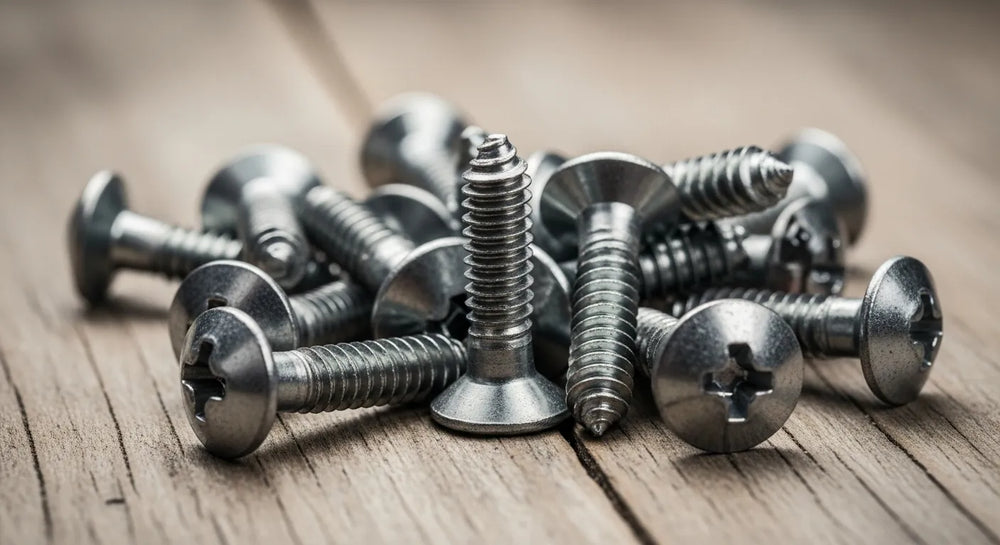
Mastering Metal Stud Fasteners: How to Screw into a Metal Stud
Table of Contents
- Introduction
- Understanding Metal Studs: Beyond Wood
- The Science of Fastening into Metal
- Essential Tools and Equipment for Metal Stud Fastening
- Choosing the Right Screw for Metal Studs: A Critical Decision
- Step-by-Step Guide: How to Screw into a Metal Stud
- Advanced Considerations for Industrial and Commercial Applications
- The Maden.co Advantage: Sourcing American-Made Excellence
- Strategic Procurement and Financial Flexibility
- Join Our Network: A Call to U.S. Manufacturers
- Conclusion
- FAQ
Imagine a scenario: a critical industrial facility upgrade is underway, and a procurement manager discovers that a specific batch of framing studs, originally specified as wood, has been swapped for metal due to fire rating requirements. The project timeline is tight, and the fastening strategy needs an immediate pivot. Or perhaps a design engineer is finalizing plans for a new modular building system, tasked with ensuring structural integrity when anchoring heavy fixtures to lightweight steel framing. In both instances, the ability to correctly and efficiently secure components into metal studs is not just a technical detail—it’s a cornerstone of project success, structural safety, and operational efficiency. The wrong approach can lead to costly delays, structural failures, and a significant drain on resources.
This comprehensive guide is designed to empower procurement managers, MRO buyers, design engineers, and business owners with the authoritative knowledge needed to confidently select fasteners and master the techniques for screwing into metal studs. We will navigate the unique characteristics of metal studs, delve into the science behind effective fastening, explore essential tools, and dissect the crucial differences in screw types—highlighting why choosing the right American-made fastener can make all the difference. Our objective is to demystify the process, provide actionable insights, and illustrate how a strategic approach to sourcing components can enhance project outcomes, streamline operations, and bolster the resilience of your supply chain.
Introduction
In the evolving landscape of construction and industrial fabrication, metal studs have become an indispensable alternative to traditional wood framing. Valued for their strength-to-weight ratio, fire resistance, pest immunity, and dimensional stability, they offer significant advantages across commercial, institutional, and even some residential applications. However, fastening into metal presents a distinct set of challenges compared to wood. Unlike wood, which allows for relatively forgiving thread engagement, metal studs demand precision in screw selection, drilling technique, and material compatibility to ensure a secure, long-lasting connection.
This guide will dissect the complexities of screwing into metal studs, moving beyond basic instructions to explore the underlying engineering principles and best practices. We will start by contrasting metal studs with their wooden counterparts, laying the groundwork for understanding why specialized fasteners and techniques are essential. From there, we will delve into the critical role of material science, examining how factors like steel gauge, coatings, and screw thread designs influence fastening performance. A detailed exploration of essential tools and safety protocols will follow, ensuring that every professional is equipped with the knowledge to execute tasks efficiently and safely.
A significant portion of our discussion will be dedicated to the nuanced world of self-tapping and self-drilling screws—the workhorses of metal stud fastening. We will explore various types, their specific applications, and the benefits of sourcing these critical components from verified U.S. manufacturers. For a procurement manager under pressure to source a specific, high-performance fastener, a design engineer needing specific material certifications, or an MRO buyer facing an unexpected equipment breakdown, understanding these distinctions is paramount. Our ultimate goal is to equip you with the expertise to make informed decisions, ensuring the integrity of your assemblies and the efficiency of your operations, all while emphasizing the strategic value of American-made quality.
Understanding Metal Studs: Beyond Wood
While wood studs have been the industry standard for centuries, metal studs have rapidly gained traction, particularly in commercial and industrial construction, due to their inherent advantages. Recognizing these benefits and understanding their distinct properties is the first step toward effective fastening.
Why Metal Studs? The Advantages and Applications
Metal studs, typically manufactured from galvanized steel, offer a compelling array of benefits:
- Superior Strength-to-Weight Ratio: Despite often being lighter than comparable wood studs, steel offers exceptional tensile strength, making it ideal for load-bearing and non-load-bearing applications alike.
- Fire Resistance: Steel is non-combustible, significantly improving fire safety ratings in buildings and reducing the spread of flames. This is a critical factor in commercial and multi-story construction.
- Pest and Rot Immunity: Unlike wood, metal studs are impervious to termites, carpenter ants, and other wood-boring insects, as well as mold, mildew, and rot, contributing to a longer structural lifespan and reduced maintenance.
- Dimensional Stability: Steel does not warp, twist, shrink, or swell with changes in temperature or humidity, ensuring straight walls and consistent dimensions over time. This prevents issues like nail pops and drywall cracks commonly associated with wood movement.
- Sustainability: Many steel studs are made from recycled content and are fully recyclable at the end of a building's life, aligning with modern sustainability goals.
- Consistency: Factory-produced metal studs offer unparalleled consistency in dimensions and quality, which streamlines construction and reduces waste.
Common applications for metal studs span a wide range:
- Commercial Buildings: Office complexes, retail spaces, hotels, and hospitals frequently use metal studs for interior and exterior walls.
- Industrial Facilities: Warehouses, manufacturing plants, and cleanrooms benefit from metal studs' durability and fire resistance.
- Multi-Family Residential: Apartments and condominiums often incorporate metal framing to meet stringent fire codes and structural requirements.
- Specialty Construction: The stability of metal studs makes them suitable for soundproofing applications, curved walls, and areas requiring high-level environmental control.
Key Differences from Wood Studs: Material and Fastening Implications
The fundamental difference lies in the material itself: wood is fibrous and somewhat pliable, allowing a screw to cut and compress fibers for thread engagement. Steel, conversely, is a dense, hard metal. This distinction profoundly impacts fastening.
When screwing into wood, a standard wood screw creates its own path by displacing fibers. For metal studs, especially those made from thin-gauge steel (typically 18-25 gauge for non-load-bearing walls, and heavier gauges for load-bearing applications), a screw must either pre-drill its own hole (self-drilling) or displace the metal to form threads (self-tapping). Incorrect fastener choice or technique can lead to several problems:
- Stripped Threads: If the screw's threads are too aggressive or the material too thin, the threads can strip out, resulting in a loose connection.
- Screw Breakage: Applying excessive torque or using a brittle screw can cause the fastener to shear off, leaving a broken screw embedded in the stud.
- Deformation of the Stud: Too much pressure or an improperly sized pilot hole can deform the metal stud, compromising its structural integrity.
- Reduced Pull-Out Strength: A weak connection will not withstand the required loads, leading to potential failures.
Understanding these material characteristics underscores the necessity of a specialized approach when working with metal studs. It's not merely about driving a screw; it's about engineering a secure, reliable connection that meets the demands of the application.
The Science of Fastening into Metal
Effective fastening into metal studs is more than just selecting a screw; it involves a nuanced understanding of material science, thread mechanics, and the forces at play. This knowledge is crucial for design engineers and procurement managers aiming for optimal performance and safety.
Material Considerations: Gauge, Type of Steel, and Coatings
The properties of the metal stud itself are paramount:
- Gauge: This refers to the thickness of the steel. Lower gauge numbers (e.g., 18-gauge) indicate thicker, stronger steel, while higher numbers (e.g., 25-gauge) denote thinner material. The gauge dictates the appropriate screw length, thread design, and drilling point required. Thicker gauges demand screws with longer, more robust drilling points and coarser threads for proper engagement.
- Type of Steel: Most metal studs are made from galvanized steel, a carbon steel coated with a layer of zinc to prevent corrosion. The specific grade of steel (e.g., ASTM A653 for galvanized steel sheet) influences its hardness and ductility, which in turn affects how easily a screw can penetrate and form threads. Some specialty studs might use different alloys requiring specific fasteners.
- Coatings: The galvanization or other protective coatings (e.g., paint, primer) on the stud can affect friction during drilling and fastening. While generally not a major concern for self-drilling screws, it's a factor in specific, high-precision applications.
Forces at Play: Shear, Pull-Out, and Vibration Resistance
When a screw is driven into a metal stud and subjected to load, several forces come into play, each requiring careful consideration in fastener design and selection:
- Shear Strength: This is the screw's ability to resist forces parallel to its axis. If a heavy object is hung from a screw, the screw is subjected to shear force. The diameter and material strength of the screw (e.g., hardened carbon steel) are critical here. For procurement managers, understanding a screw's specified shear strength is vital for ensuring compliance with engineering loads.
- Pull-Out Strength: This refers to the screw's resistance to being pulled directly out of the material. It depends heavily on the thread engagement, the strength of the threads formed in the metal stud, and the screw's thread design. Adequate thread engagement within the stud's material thickness is key. A longer screw or one with a more aggressive thread profile can enhance pull-out resistance, provided it doesn't strip the hole.
- Vibration Resistance: In environments subject to dynamic loads or vibrations (e.g., machinery, seismic zones), screws must resist loosening over time. This can be achieved through specific thread designs, specialized locking features (e.g., serrations under the head, thread-locking compounds), or the use of lock washers.
Essential Tools and Equipment for Metal Stud Fastening
Having the right tools is as crucial as selecting the correct fasteners. Using improper equipment can lead to damaged materials, stripped screws, and compromised safety.
Power Tools: Drills and Impact Drivers
-
Drill Drivers (Corded vs. Cordless):
- Cordless Drills: Offer portability and convenience, making them ideal for sites without immediate power access or for tasks requiring frequent movement. Look for models with sufficient voltage (18V or 20V) and torque for driving screws into metal. A clutch setting is vital to prevent over-driving and stripping screws.
- Corded Drills: Provide consistent power without battery concerns, often preferred for high-volume work or when maximum torque is needed continuously.
- RPM: For self-drilling screws, higher RPMs (revolutions per minute) are generally more effective for quickly penetrating metal, but care must be taken not to burn out the drill point.
- Impact Drivers: These tools deliver rotational force along with short, rapid hammer-like blows (impacts). This percussive action is exceptionally effective at driving screws into dense materials like metal, particularly larger or longer fasteners, with less cam-out (the driver bit slipping out of the screw head). Impact drivers are generally preferred for speed and efficiency in metal stud applications, as they apply torque more effectively without needing to pre-drill in many cases.
Drill Bits and Accessories
- Pilot Hole Bits (if pre-drilling): While self-drilling screws eliminate the need for pilot holes, certain applications (e.g., very thick steel, using non-self-drilling screws, or precise alignment) may necessitate pre-drilling. High-speed steel (HSS) or cobalt bits are suitable for drilling into metal. The pilot hole diameter must precisely match the screw's core diameter to allow the threads to form properly without stripping.
- Driver Bits: Always use the correct driver bit type (Phillips, square, hex, slot) and size for the screw head. Using an ill-fitting bit leads to cam-out, damaging both the screw head and the bit. Magnetic bit holders are highly recommended for ease of use.
- Magnetic Stud Finders: Essential for accurately locating metal studs behind drywall or other coverings.
Measuring and Marking Tools
- Tape Measure, Pencil/Marker: For precise layout and marking fastener locations.
- Level and Square: To ensure components are installed straight and true.
Safety Gear (PPE)
- Safety Glasses: Crucial to protect eyes from metal shavings, dust, and potential screw breakage.
- Gloves: To protect hands from sharp metal edges and provide a better grip on tools.
- Hearing Protection: Recommended when using loud power tools, especially impact drivers, for extended periods.
For procurement managers and MRO buyers, specifying high-quality, durable tools and accessories is an investment in productivity and safety. We understand the importance of reliable equipment, and our platform, Maden.co, can help streamline the acquisition of these essential American-made components.
Choosing the Right Screw for Metal Studs: A Critical Decision
The most pivotal aspect of screwing into metal studs is selecting the appropriate fastener. This choice hinges on the thickness of the metal, the load requirements, environmental conditions, and the specific application.
Self-Drilling/Self-Tapping Screws: The Go-To Solution
Self-drilling and self-tapping screws are engineered specifically to penetrate metal without the need for a pre-drilled pilot hole (in most cases), making them incredibly efficient for metal stud applications.
How They Work
These screws have a drill-point tip that functions like a drill bit, creating its own hole as it rotates. Once the point has drilled through the material, the screw's threads engage the metal, forming a secure connection as the screw advances. This "drill and tap" action in a single step saves significant time and effort. The length of the drill point is crucial; it must be long enough to completely penetrate the top layer of metal before the threads engage, preventing "thread stripping" as the drill point is still cutting.
Advantages for Metal Studs
- Speed and Efficiency: Eliminates the separate steps of drilling pilot holes and then driving screws, significantly speeding up installation.
- Reduced Labor Costs: Less time spent on each fastener translates directly into lower labor expenditures.
- Precision: The integrated drill point ensures that the threads are formed exactly where the hole is drilled, leading to consistent engagement.
- Versatility: Available in a wide range of sizes, materials, and head types to suit various applications and metal gauges.
Common Types and Their Applications
Understanding the nuances of self-drilling and self-tapping screws is essential for optimal performance:
-
Hi-Lo (High-Low) Thread Screws: These screws feature a unique double-lead thread design with alternating high and low threads. The high thread provides strong engagement, while the low thread assists in tapping and creates a larger flank contact area. This design offers excellent pull-out resistance, reduces radial stress, and minimizes the risk of stripping, particularly in thinner gauge metals or plastics. They are ideal for applications requiring strong, reliable connections in materials where consistent thread formation is challenging. For a high-strength solution with superior pull-out resistance, our Hi-Lo Double Lead Thread Self-Tapping Sheet Metal Screw offers robust performance for demanding applications, ensuring durable assemblies.
-
Type A Self-Tapping Screws: These screws have sharp, coarse threads and a gimlet point (a pointed tip with a single thread for easy starting). They require a pilot hole but are excellent for forming strong threads in lighter gauge sheet metal once the hole is established. While not self-drilling, they are self-tapping once a pilot hole is created. Their aggressive threads ensure strong grip. For a classic, reliable fastening option where a pilot hole can be easily pre-drilled, our Steel Zinc Plated Type A Pan Slot Drive Self-Tapping Sheet Metal Screw provides dependable performance and ease of installation.
-
Truss Head Screws: Distinguished by their wide, low-profile, dome-shaped head, truss head screws offer a larger bearing surface than other head types. This wider surface area distributes the load over a greater area, making them ideal for attaching thin materials (like drywall or insulation board) without tearing or crushing them. The low profile also makes them less conspicuous. When a broader bearing surface is needed to secure thin materials without damage, consider our Steel Zinc Plated Type A Truss Square Drive Self-Tapping Sheet Metal Screw for its robust connection and minimal protrusion.
Material and Finish Considerations
- Carbon Steel (Zinc Plated): The most common material for metal stud screws due to its strength and cost-effectiveness. Zinc plating provides basic corrosion resistance for interior, dry applications.
- Stainless Steel: Essential for outdoor applications, marine environments, or areas with high humidity or chemical exposure, where superior corrosion resistance is critical. Stainless steel screws typically have lower shear strength than hardened carbon steel.
- Specialty Coatings: For enhanced corrosion resistance, specific aesthetic requirements, or reduced friction during installation, screws can be found with specialized coatings (e.g., ceramic coatings, mechanical galvanization).
Head Types and Drives
The choice of head type affects the aesthetics of the finished assembly and the load distribution. Drive types impact ease of installation and cam-out resistance.
-
Pan Head: A slightly rounded, low-profile head with a flat underside, offering a good bearing surface without being overly intrusive. Common drive types include Phillips, Slot, and Square.
-
Truss Head: As mentioned, a very wide, low-profile dome, excellent for securing thin materials. Often found with Phillips or Square drives.
-
Hex Head: Provides a large bearing surface and can be driven with a hex socket, offering excellent torque transfer and resistance to cam-out. Commonly used for heavier-duty applications.
-
Wafer Head: A very flat, wide head, designed for minimal protrusion, often used in drywall applications where flush finishes are critical.
-
Drive Types:
- Phillips: Most common, but prone to cam-out if not properly sized or if too much torque is applied.
- Square (Robertson): Excellent resistance to cam-out, preferred by many professionals for efficiency and reduced stripping.
- Hex (External): Offers superior torque transfer and cam-out resistance, ideal for power driving.
- Slot: Less common for power tools, primarily used for manual fastening or specific aesthetic requirements.
Length and Diameter Considerations
- Length: The screw must be long enough to achieve adequate thread engagement in the metal stud after passing through the material being attached. Generally, at least three full threads should extend beyond the metal stud's surface for optimal pull-out strength.
- Diameter: Larger diameter screws typically offer greater shear strength and pull-out resistance, but they also require more torque to drive and may not be suitable for very thin-gauge studs without deforming them.
At Maden.co, we understand that precision and compliance are non-negotiable for design engineers and procurement managers. Our platform provides access to a vast catalog of over 2.5 million American-made products from 800+ verified U.S. manufacturers, ensuring you can find the exact fasteners that meet your project's exacting specifications, from specific thread types to material certifications. Our mission is to democratize access to American manufacturing, making it simpler than ever to source industrial-grade components.
Step-by-Step Guide: How to Screw into a Metal Stud
Executing the fastening process correctly ensures a secure connection and minimizes rework. This step-by-step guide covers the best practices for installing screws into metal studs.
Preparation is Key
Proper preparation sets the foundation for successful fastening.
-
Locating Studs:
- Magnetic Stud Finder: For finished walls, a magnetic stud finder is the most reliable tool. It detects the steel screws or nails used to fasten drywall to the metal studs. Run it slowly across the wall until it indicates a stud.
- Tapping Method: For exposed framing, simply visually identify the studs. For covered walls, an experienced professional can sometimes tap the wall to listen for changes in sound density, but this is less precise than a stud finder.
- Measurement: Standard stud spacing is typically 16 or 24 inches on center. Once one stud is located, you can measure to find subsequent studs.
-
Marking Accurately:
- Once the stud edges are located, use a pencil or marker to clearly mark the center of the stud where the screw will be driven. For precise alignment, especially when attaching objects with multiple fastener points, use a level to draw a vertical line along the stud center.
-
Drill Bit Selection (If Pre-Drilling):
- If you are using self-tapping screws that are not self-drilling (e.g., Type A with no drill point) or if the metal stud is exceptionally thick, a pilot hole is necessary.
- Pilot Hole Size: The pilot hole should be slightly smaller than the outer diameter of the screw's threads but larger than the screw's core (shank) diameter. This allows the threads to bite into the metal without stripping. Consult fastener manufacturer guidelines for specific pilot hole recommendations.
- Bit Type: Use an HSS (High-Speed Steel) or cobalt drill bit, specifically designed for drilling into metal.
The Fastening Process
With preparation complete, the actual driving of the screw requires specific technique.
-
Securing the Material to the Stud:
- Position the material you are attaching (e.g., drywall, blocking, mounting bracket) against the metal stud, aligning it with your marks.
- If possible, use clamps or have a helper hold the material firmly in place to prevent movement during fastening. This ensures the screw enters the stud squarely and prevents misalignment.
-
Using the Drill/Driver:
- Insert the Correct Driver Bit: Ensure your driver bit is firmly seated in the drill or impact driver and correctly matches the screw head (Phillips, square, hex).
- Position the Screw: Place the tip of the self-drilling screw directly onto your marked center point on the material, ensuring it's perpendicular to the surface.
- Apply Steady, Moderate Pressure: Begin driving the screw at a consistent speed. For self-drilling screws, maintain steady, firm pressure to allow the drill point to penetrate the metal cleanly. Avoid excessive force, which can cause the screw to skip or wobble, or insufficient pressure, which can cause the drill point to dull or "walk" across the surface.
-
Speed Control:
- Self-Drilling Screws: Start at a moderate speed to allow the drill point to engage, then increase speed slightly to cut through the metal. Once the threads engage, reduce speed to prevent over-tightening.
- Impact Drivers: Impact drivers are particularly effective here, as their percussive action helps to drive the screw quickly and efficiently through the metal without excessive force from the user.
- Continue Driving: Maintain steady pressure until the screw head is flush with the surface of the material you are attaching.
- Stop When Engaged: With self-tapping screws, stop immediately once the head is flush or slightly countersunk (if applicable). Over-driving is a common mistake that strips the threads in the stud, compromising the connection. If using a drill driver, utilize the clutch setting to prevent over-tightening.
Troubleshooting Common Issues
Even with the right tools and technique, issues can arise. Knowing how to troubleshoot can save time and materials.
-
Stripped Screws: If the screw spins freely and doesn't tighten, the threads in the metal stud have likely been stripped.
- Solution: Remove the stripped screw. If possible, move the fastener location slightly (e.g., half an inch) and try again with a new screw. If moving is not an option, you might need to use a larger diameter screw to engage new metal, or in critical applications, consider a different fastening method like a rivet or toggle bolt (though less common for framing).
-
Spinning Fasteners (Before Engagement): This occurs when the drill point is spinning but not penetrating the metal, often accompanied by smoke or a burning smell.
- Solution: Increase pressure on the drill. The drill point might be dull, or you might not be applying enough force to initiate drilling. Ensure your drill is set to a high enough RPM for metal.
-
Screw Breaking: If the screw shears off, it's usually due to excessive torque, using a screw that's too brittle for the application, or encountering an obstruction within the stud.
- Solution: Use a higher-quality, harder screw. Reduce the driving speed and torque. If an obstruction is suspected, inspect the stud before attempting another fastener.
Adhering to these steps ensures not only a visually clean installation but, more importantly, a structurally sound connection that will withstand the intended loads and last for the duration of its service life.
Advanced Considerations for Industrial and Commercial Applications
For design engineers, MRO buyers, and procurement managers in industrial and commercial sectors, fastening into metal studs extends beyond basic installation. It involves rigorous compliance, understanding complex load dynamics, and mitigating environmental risks.
Load-Bearing Requirements and Engineering Principles
In heavy industrial settings or commercial construction, the integrity of a fastened connection can directly impact operational safety and structural stability.
- Understanding Shear Strength and Pull-Out Values: For critical applications, fasteners are not chosen arbitrarily. They must meet specific shear and pull-out strength requirements, often dictated by structural engineers. These values are determined through testing and are critical for preventing structural failure, especially when mounting heavy equipment, critical infrastructure, or in areas subject to significant forces. Procurement managers must ensure that the fasteners sourced have traceable specifications that meet or exceed these engineered demands.
- Consulting Engineering Specifications: Projects in seismic zones, those involving heavy machinery, or structures exposed to high wind loads will have detailed engineering specifications that dictate fastener type, size, material, and installation pattern. Deviations can have severe consequences, from non-compliance fines to catastrophic failure.
Compliance and Standards (e.g., DIN, NPT, ASTM)
The industrial sector operates under stringent regulatory frameworks.
- Importance of Certified Components: Sourcing fasteners that comply with recognized industry standards (such as ASTM for materials, DIN for dimensions, or NPT for pipe threads, where applicable) is not merely a suggestion—it's often a legal and safety mandate. Certified components offer assurance of consistent quality, performance, and material composition. This is particularly vital in sectors like aerospace, automotive, and heavy manufacturing.
- Traceability and Documentation: For auditing, quality control, and liability purposes, the ability to trace the origin and specifications of every fastener is paramount. Maden.co is committed to supply chain transparency, connecting you with American-made products where traceability is inherent in our commitment to Industrial Excellence and American Manufacturing Pride. This minimizes risk and ensures accountability throughout the supply chain.
Vibration and Dynamic Loads
Systems exposed to continuous vibration or cyclical loads require specialized fastening solutions.
-
Locking Mechanisms: Standard screws can loosen under vibration. Solutions include:
- Lock Washers: Split lock washers, spring washers, and external/internal tooth washers are designed to provide tension or bite into surfaces, preventing loosening.
- Thread-Locking Compounds: Chemical compounds applied to threads create a strong bond, resisting vibrational loosening.
- Nyloc Nuts/Screws: Fasteners with integrated nylon inserts that deform to create friction and prevent backing out.
- Material Fatigue: Repeated stress from dynamic loads can cause fasteners or the surrounding material to fail over time due to fatigue. Engineers must consider fatigue life during design, and procurement must source fasteners made from materials with appropriate fatigue resistance properties.
Environmental Factors
The operating environment significantly influences fastener selection.
- Corrosion Resistance: For outdoor installations, marine environments, or facilities with corrosive chemicals, standard zinc-plated screws are insufficient. Stainless steel (304 or 316 grade), hot-dip galvanized, or specially coated fasteners are essential to prevent rust and maintain structural integrity.
- Temperature Extremes: Fasteners used in environments with extreme hot or cold temperatures must be made from materials that retain their strength and ductility across the anticipated thermal range. Thermal expansion and contraction can also put stress on connections.
At Maden.co, we emphasize that our mission is to become the definitive platform that proves American-made components are as accessible and convenient as any global alternative. This includes providing the detailed specifications and certification information that professionals like you demand, enabling informed decisions that uphold the highest standards of safety and performance. You can learn more about our commitment to this mission on our About Us page.
The Maden.co Advantage: Sourcing American-Made Excellence
In the complex world of industrial procurement, where supply chain disruptions, material inconsistencies, and lead time uncertainties are constant threats, strategic sourcing becomes a competitive differentiator. At Maden.co, our entire business model is built around empowering industrial buyers by democratizing access to American manufacturing, ensuring stability and excellence in your procurement process.
Connecting You with Verified U.S. Manufacturers
Our platform is a vibrant ecosystem connecting procurement managers, MRO buyers, and design engineers with a robust network of over 800+ verified U.S. manufacturers. This curated network ensures that every product listed, from a specialized fastener to a complex machinery part, adheres to rigorous quality standards and is genuinely American-made. We offer an expansive catalog of over 2.5 million products, meticulously categorized to facilitate quick and precise sourcing.
Enhancing Supply Chain Resilience and Transparency
The past few years have underscored the critical need for resilient supply chains. By sourcing through Maden.co, you mitigate risks associated with international shipping delays, geopolitical instability, and fluctuating import tariffs. Our focus on American Manufacturing Pride means you benefit from shorter lead times, clearer communication, and a transparent view of the manufacturing process. This direct access strengthens your supply chain, making it more predictable and less susceptible to external shocks.
Reducing Procurement Friction and Improving Total Cost of Ownership (TCO)
Traditional procurement can be a maze of RFQs, vendor vetting, and uncertain lead times. Maden.co streamlines this process through digital innovation, offering an intuitive, user-friendly marketplace that reduces the friction inherent in industrial sourcing. For the procurement manager tasked with optimizing the Total Cost of Ownership (TCO), Maden.co offers substantial benefits:
- Reduced Expediting Fees: Shorter lead times for U.S.-made products minimize the need for costly expedited shipping.
- Higher Quality, Less Rework: Access to Industrial Excellence means fewer defects and less time spent on returns or repairs.
- Streamlined Vendor Management: Our verified network simplifies vendor qualification and management.
- Predictable Pricing: Transparency helps in budgeting and cost control.
These factors collectively contribute to a lower TCO, demonstrating that investing in quality American-made components via our platform delivers long-term financial advantages. Explore our comprehensive selection of products, including an array of industrial fasteners, by visiting our homepage.
Driving the Manufacturing Revival with Customer Empowerment
Our tagline, "America's manufacturing revival is here," isn't just a statement; it's a commitment to our core values. We believe in customer empowerment, providing you with the tools and information to make informed, strategic purchasing decisions. Whether you're a design engineer needing specific certifications for a new prototype or an MRO buyer facing an unexpected equipment breakdown, the ability to quickly find and finance a verified, U.S.-made part is a game-changer. Our platform is designed to make sourcing American-made components as accessible and convenient as possible, fostering a robust domestic manufacturing base that benefits everyone.
Strategic Procurement and Financial Flexibility
Beyond the tangible benefits of quality and supply chain resilience, Maden.co offers strategic advantages that impact your business's financial health and project management capabilities.
The Value of Strategic Sourcing Through Maden.co
Strategic sourcing is about more than just finding the lowest price; it's about securing the best value, reliability, and support. By choosing Maden.co, you gain:
- Access to Hard-to-Find Components: Our vast network often carries specialized or legacy parts that are difficult to source elsewhere, preventing project delays or costly re-engineering.
- Quality Assurance: Direct access to U.S. manufacturers means components meet stringent American quality standards, reducing risks associated with inferior materials.
- Expert Support: Our team is dedicated to Industrial Excellence and customer success. If you have specific sourcing questions or need assistance navigating our catalog, our team is ready to help; simply Contact Us.
Introducing Instant Financing: A Strategic Tool for Businesses
A key differentiator that sets Maden.co apart is our "Instant Financing" option, designed to provide businesses with crucial financial flexibility. This isn't just a payment method; it's a strategic tool for managing cash flow and empowering procurement teams to make larger, more impactful purchases without immediate capital strain.
Instant Financing allows procurement managers and business owners to:
- Manage Cash Flow Effectively: Defer payment while projects are underway, aligning expenditures with revenue streams.
- Make Larger Volume Purchases: Secure bulk discounts or fulfill critical large-scale orders without depleting immediate working capital.
- Respond Quickly to Needs: Expedite urgent procurements for MRO, design, or manufacturing, preventing costly downtime or project delays.
This feature is seamlessly integrated into the checkout process, offering a straightforward application and approval experience. It’s designed to be a practical solution for capital-intensive projects, ensuring that vital American-made components are always within reach.
Join Our Network: A Call to U.S. Manufacturers
If you are a qualified U.S. manufacturer producing industrial products, Maden.co offers an unparalleled opportunity to expand your reach and connect directly with thousands of industrial buyers across America. Our platform is more than just a marketplace; it's a partnership built on shared values of American Manufacturing Pride and Digital Innovation. By joining our network, you contribute to the nation's manufacturing revival, gain access to new markets, and simplify your sales process. We invite you to be part of this growing movement. Register as a vendor and join the American manufacturing revival today.
Conclusion
Mastering the art of screwing into metal studs is an indispensable skill for professionals across various industrial and commercial sectors. From selecting the right self-drilling screw with the appropriate thread design and material to employing precise installation techniques, every decision impacts the safety, longevity, and efficiency of your projects. We've explored the unique advantages of metal studs, the critical science behind robust fastening, the essential tools required, and the specific characteristics of different fastener types—emphasizing why American-made quality is often the most strategic choice.
For procurement managers, MRO buyers, design engineers, and business owners, prioritizing high-quality, traceable, and appropriately designed fasteners for metal studs is not merely a best practice; it is a fundamental aspect of building resilient infrastructure and ensuring operational excellence. The tangible benefits—improved structural integrity, enhanced project timelines, reduced long-term maintenance, and a more robust supply chain—all underscore the strategic value of intelligent sourcing.
At Maden.co, we are dedicated to championing American manufacturing, providing an authoritative platform where you can confidently source over 2.5 million verified American-made products from a network of 800+ U.S. manufacturers. We offer the transparency, digital innovation, and customer empowerment necessary to navigate complex procurement challenges, ensuring that your projects benefit from industrial excellence. Don't compromise on the integrity of your installations or the efficiency of your procurement process. We encourage you to explore our extensive catalog today to find the precise American-made components you need. To further streamline your capital-intensive projects and manage cash flow effectively, remember that you can apply for Instant Financing directly at checkout. The future of American manufacturing, driven by quality and strategic partnerships, is here—and we invite you to be a part of it.
FAQ
Q1: What is the most common type of screw used for metal studs?
A1: The most common and efficient fasteners for metal studs are self-drilling, self-tapping screws. These screws have a drill-point tip that allows them to create their own pilot hole and form threads in the metal stud in a single operation, significantly speeding up installation compared to traditional screws that require pre-drilling.
Q2: How do I prevent stripping screws when fastening into metal studs?
A2: To prevent stripping, ensure you use the correct screw type and size for the metal stud's gauge, apply steady and consistent pressure during driving, and avoid over-tightening. Using a drill driver with a clutch setting can help prevent over-driving, and choosing screws with specific thread designs, like Hi-Lo threads, can also enhance pull-out resistance and reduce stripping, particularly in thinner gauges.
Q3: Do I always need to pre-drill a pilot hole when screwing into metal studs?
A3: No, not always. If you are using self-drilling screws, they are designed to create their own pilot hole as they are driven into the metal. However, if you are using self-tapping screws that are not self-drilling (e.g., Type A with a gimlet point), or if you are working with very thick gauge metal studs, a pilot hole is typically required to ensure proper thread formation and prevent screw breakage.
Q4: Why should I consider American-made fasteners for my projects involving metal studs?
A4: Sourcing American-made fasteners through platforms like Maden.co offers several strategic advantages. It ensures higher quality and consistent compliance with U.S. industry standards, strengthens supply chain resilience by reducing reliance on international logistics, often leads to shorter lead times, and supports domestic manufacturing. For design engineers and procurement managers, this translates to reduced risk, improved traceability, and a lower total cost of ownership over the project's lifespan.


