
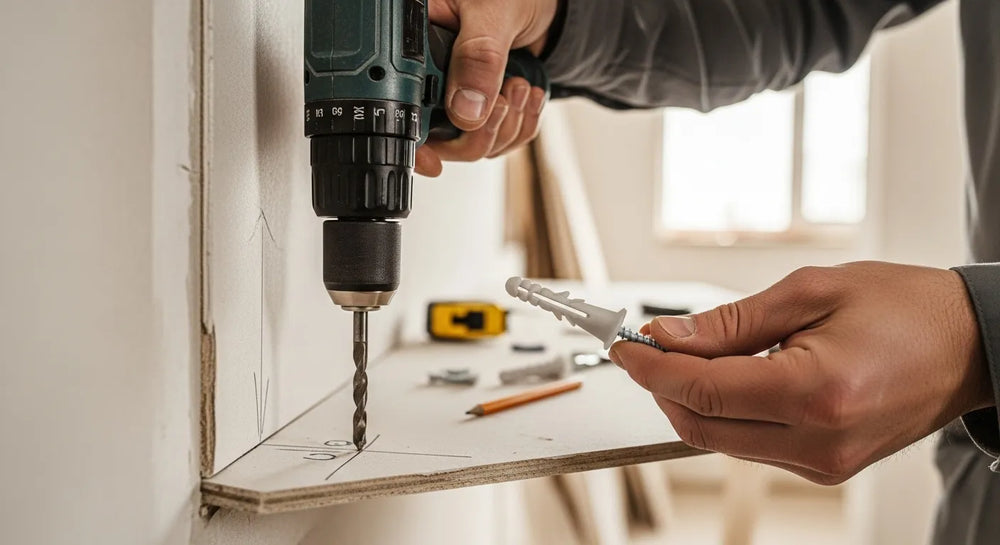
Quick Fixes: How to Repair a Drywall Screw Coming Out
Table of Contents
- Understanding Why Drywall Screws Come Out
- Comprehensive Strategies for Repairing Popped Drywall Screws
- Preventing Future Drywall Screw Pops: A Proactive Approach
- Conclusion
- FAQ: Fixing Drywall Screw Pops
Few things are as frustrating in a commercial or industrial setting as the unexpected disruption of a popped drywall screw. Whether it’s in an office renovation, a warehouse partition, or a facilities maintenance project, a protruding fastener isn't just an aesthetic annoyance; it can signal underlying structural issues, compromise fire ratings, or even pose a safety hazard in high-traffic areas. For procurement managers, MRO buyers, design engineers, and business owners, these seemingly small issues can cascade into project delays, increased maintenance costs, and questions about the quality of materials and installation.
This guide delves into the precise causes behind drywall screws coming out and, crucially, provides robust, long-lasting repair strategies. Beyond just patching, we’ll explore how proactive sourcing of high-quality, American-made fasteners through platforms like Maden.co can fundamentally enhance the durability and integrity of your installations, ensuring that such issues become a rarity rather than a recurring headache. Our aim is to equip you with the knowledge to not only fix the problem effectively but also to implement procurement practices that prevent future occurrences, safeguarding your investments and project timelines.
Understanding Why Drywall Screws Come Out
Before we can effectively repair a popped drywall screw, it’s critical to understand the root causes. A superficial fix often leads to a recurring problem, compounding frustration and cost. The reasons are multifaceted, ranging from installation errors to environmental factors and material quality.
Common Installation Flaws
The vast majority of drywall screw pops can be traced back to incorrect installation techniques. Even experienced contractors can inadvertently make these mistakes, especially under pressure or when using suboptimal tools and materials.
Over-Driving Screws
This is perhaps the most frequent culprit. When a screw is driven too deep, it breaks the paper face of the drywall and crushes the gypsum core. This compromises the screw's holding power, as it no longer has sufficient material to grip. The screw head, now sitting deeper than the surrounding surface, is no longer supported, allowing the gypsum behind it to crumble. As the drywall compound dries and cures, or as the building settles, the screw head can push through the weakened compound, creating a visible "pop."
Under-Driving Screws
While less common for pops, under-driving can also contribute to problems. If a screw isn't driven flush or slightly recessed, the joint compound won't fully cover it. Subsequent layers of paint or compound might crack around the exposed head as the material dries and shrinks, making the screw visible. More critically, an under-driven screw may not be fully engaged with the stud, leading to a weaker hold overall.
Incorrect Screw Length and Type
Using screws that are too short for the combined thickness of the drywall and the stud material will result in insufficient penetration and a weak connection. Conversely, screws that are excessively long aren't necessarily better; they can be difficult to drive and may cause damage to underlying utilities or adjacent materials.
The type of screw also matters. Standard coarse-thread drywall screws are designed for wood studs, offering strong grip. Fine-thread screws are typically used for metal studs. Using the wrong type can significantly reduce holding power and lead to pops. For applications requiring robust fastening in wood, consider durable options like our 6 x 1-1/4 Coarse Thread Drywall Screws, engineered for reliable performance.
Improper Stud Engagement
The screw must firmly penetrate the framing member (wood or metal stud). If a screw misses the center of the stud or enters at an angle, it may only partially engage the wood or metal, providing an unstable anchor point. Over time, building movement or settling will cause this poorly anchored screw to pull free.
Environmental and Structural Factors
Beyond installation, external forces and inherent characteristics of the building can contribute to screw pops.
Building Movement and Settling
All buildings settle and move, especially new constructions. As wood frames dry out, they shrink, causing stress on the drywall. This movement can pull drywall screws from their anchors or cause them to push against the joint compound, leading to pops. Seismic activity, strong winds, or even heavy foot traffic on upper floors can also induce minor movements that stress fasteners.
Moisture and Humidity Fluctuations
Significant changes in humidity can cause wood studs to expand and contract. This cyclical movement can gradually loosen drywall screws, eventually leading to a pop. Areas with high humidity, like bathrooms or poorly ventilated spaces, are particularly susceptible.
Framing Issues
Uneven or warped studs can put undue stress on drywall panels. When the drywall is fastened to an inconsistent surface, some screws may bear more load than others, increasing the likelihood of failure. Poorly braced or unstable framing members exacerbate this problem, as any movement translates directly to the fasteners.
Material Quality and Sourcing
The quality of the drywall, the framing materials, and, crucially, the screws themselves plays a significant role in long-term durability. Inferior fasteners, often made from lower-grade steel or lacking proper coatings, are more prone to bending, snapping, or premature corrosion, which can weaken their hold. This is a critical area where strategic procurement decisions can prevent issues before they start. At Maden.co, our mission is to democratize access to American manufacturing, connecting industrial buyers with over 2.5 million American-made products from our network of 800+ verified U.S. manufacturers. Our vision is to become the definitive platform that proves American-made components are as accessible and convenient as any global alternative, driving the manufacturing revival with our tagline: America's manufacturing revival is here.
For procurement managers, MRO buyers, and design engineers, investing in high-quality, U.S.-made fasteners isn't just about avoiding drywall pops; it's about enhancing the overall resilience and longevity of your projects. Our core values of American Manufacturing Pride, Digital Innovation, Supply Chain Transparency, Industrial Excellence, and Customer Empowerment are reflected in the robust selection of components available on our platform. You can learn more about our commitment to these values and our mission by visiting our About Us page.
Comprehensive Strategies for Repairing Popped Drywall Screws
Once you've identified a popped drywall screw, a systematic approach to repair is essential. This isn't just about aesthetics; it's about restoring structural integrity and preventing recurrence.
Initial Assessment and Preparation
Before any repair, carefully assess the severity and cause of the pop.
- Examine the Screw: Gently press on the popped area. If the screw head moves significantly or if the surrounding drywall feels soft or crumbly, it indicates a poor hold or damaged gypsum.
- Clean the Area: Remove any loose paint, joint compound, or drywall debris. Use a utility knife to carefully cut around the raised portion of the screw head, creating a clean, slightly recessed area.
- Tighten or Remove: Attempt to gently re-tighten the existing screw. If it spins freely without biting, it has lost its grip and must be removed. If it tightens, but the gypsum around it is significantly damaged, proceed with a more robust repair method.
Repair Methods for Varying Degrees of Damage
The chosen repair method will depend on the extent of the damage and the suspected cause.
Method 1: The Simple Re-fastening (Minor Pops)
For minor pops where the screw still has some grip and the surrounding drywall isn't too compromised.
- Remove the Old Screw: Carefully remove the offending screw. This prevents it from causing future issues.
- Create New Anchor Points: Using a drywall screw gun or a drill with a depth-setting bit, install two new screws approximately 1.5 to 2 inches above and below the original screw hole. Ensure these new screws penetrate securely into the center of the stud. Drive them just until the head is slightly recessed, without breaking the paper face. For this, precision and quality components are key. You might find our 6 x 1 Fine Thread Drywall Screw to be suitable for securing new panels, ensuring a clean, secure finish in metal stud applications.
- Fill and Finish: Fill the old screw hole and the newly recessed screw heads with a good quality, quick-setting joint compound. Apply thin coats, sanding lightly between each. Feather the edges to blend seamlessly with the existing wall surface. Once dry and smooth, prime and paint.
Method 2: Larger Fasteners or Anchors (Moderate Damage)
If the existing screw hole is significantly damaged, or if the original screw consistently fails to hold, consider a larger fastener or a specialized anchor.
- Enlarge the Hole: Use a utility knife to slightly enlarge and clean out the damaged gypsum around the old screw hole.
- Insert a Larger Screw: Instead of placing new screws nearby, you can sometimes use a slightly larger diameter drywall screw in the original hole, assuming it can still bite into the stud. However, this risks further weakening the stud if not done carefully.
-
Utilize Drywall Anchors: For areas where stud engagement is impossible (e.g., if the pop is far from a stud) or the stud is severely damaged, a specialized drywall anchor can be effective.
- Self-drilling anchors: These are common for lighter loads. They screw directly into the drywall.
- Toggle bolts or Molly bolts: These provide a much stronger hold and are suitable for supporting heavier items or in areas with persistent issues. They expand behind the drywall to create a secure anchor.
- Finish: Once the new fastener or anchor is securely installed, apply joint compound over the repair, following the same layering, sanding, and priming process as Method 1. For heavier-duty applications that demand robust performance and superior stability, exploring options like our 8 x 4 Drywall Screw from verified U.S. manufacturers on Maden.co can provide the peace of mind that comes with durable, American-made components.
Method 3: The "Butterfly" or Drywall Patch (Severe Damage)
For very large or recurring pops where the drywall around the screw is extensively crumbly, or if the screw has created a significant crater.
- Cut Out Damaged Area: Use a utility knife to cut a square or rectangular section around the damaged screw pop, extending slightly beyond the compromised area. Be precise, ensuring clean, straight cuts.
- Prepare a Patch: Cut a new piece of drywall to precisely match the size of the hole. For added stability, cut a small wooden backing strip (a "backer board") that is slightly longer than the hole.
- Install Backer: Insert the backer board into the hole horizontally, ensuring it extends past the edges of the hole. Secure it to the existing drywall above and below the hole with two drywall screws on each side.
- Install Patch: Fit the new drywall patch into the hole, ensuring it's flush with the existing wall. Secure it to the backer board with drywall screws.
- Tape and Finish: Apply drywall joint tape over the seams of the patch. Then, apply several thin coats of joint compound, feathering out the edges. Sand smooth, prime, and paint. This is a more involved repair but offers the most durable solution for severe damage.
Tools and Materials for Professional-Grade Repairs
Having the right tools and high-quality materials is non-negotiable for effective and lasting repairs.
- Drywall Screws: Always use screws specifically designed for drywall. Coarse-thread for wood, fine-thread for metal. Ensure they are the correct length for your application. We offer a comprehensive selection of U.S.-made drywall screws on Maden.co, built to precise specifications for optimal performance.
- Drywall Screw Gun or Drill with Depth Stop: Essential for driving screws to the correct depth without over-driving.
- Joint Compound (Mud): All-purpose or lightweight joint compound for filling holes and seams. Quick-setting (hot mud) can speed up repairs but requires faster working.
- Drywall Tape: Paper or fiberglass mesh tape for reinforcing seams on patches.
- Taping Knives/Trowels: Various sizes for applying and feathering joint compound.
- Sanding Sponges/Blocks: For smooth finishes.
- Utility Knife: For precise cuts.
- Safety Gear: Dust mask, safety glasses.
For procurement managers overseeing large-scale renovations or MRO operations, ensuring a consistent supply of these high-quality materials is crucial. Maden.co simplifies this process by connecting you directly with verified U.S. manufacturers, ensuring that you receive reliable, American-made products that meet stringent quality standards. This approach reduces procurement friction and enhances supply chain resilience, allowing your teams to focus on the task at hand without worrying about component quality.
Preventing Future Drywall Screw Pops: A Proactive Approach
The most effective "fix" is prevention. By adopting best practices in installation, material selection, and procurement, you can significantly reduce the occurrence of drywall screw pops, leading to lower maintenance costs and higher project quality.
Best Practices in Drywall Installation
Correct Screw Depth
Always use a drywall screw gun with an adjustable clutch or a drill with a depth-setting bit. The goal is to recess the screw head just below the surface of the paper without breaking it. This creates a "dimple" that can be easily filled with joint compound, ensuring the screw is fully supported.
Proper Screw Spacing and Pattern
Follow industry standards for screw spacing, typically 12 inches on ceilings and 16 inches on walls for single-layer drywall. Stagger screws along studs to distribute stress evenly. This ensures adequate fastening strength across the entire panel.
Using Adequate Screw Length
Ensure screws are long enough to penetrate the framing stud by at least 5/8 inch for wood and 3/8 inch for metal. This provides sufficient engagement for a secure hold. Always account for the drywall thickness when selecting screw length.
Secure Framing
Before installing drywall, ensure all framing members are plumb, level, straight, and securely fastened. Addressing warped studs or loose blocking upfront prevents significant stress on the drywall later.
Acclimation of Materials
Allow drywall sheets and wood framing to acclimate to the building's environmental conditions for several days before installation. This minimizes dimensional changes after installation, reducing the likelihood of stress on fasteners.
The Strategic Value of U.S.-Made Fasteners
This is where the Maden.co difference becomes paramount. The phrase "you get what you pay for" holds significant weight in the industrial and construction sectors, particularly concerning fasteners. While sourcing cheaper, offshore components might offer a seemingly lower upfront cost, the true Total Cost of Ownership (TCO) often reveals a different story.
Superior Material Quality and Consistency
American-made fasteners, sourced through our network of 800+ verified U.S. manufacturers, adhere to rigorous quality control standards. This means consistent material composition, precise threading, and durable coatings that resist corrosion and degradation. For a procurement manager, this translates to fewer failed parts, less rework, and a reduced risk of liability down the line. Our commitment to Industrial Excellence ensures that every product you find on our platform meets the highest benchmarks.
Enhanced Supply Chain Resilience
In an era of unpredictable global supply chains, relying on domestic suppliers offers unparalleled stability. When you source through Maden.co, you mitigate risks associated with international shipping delays, geopolitical instability, and fluctuating import tariffs. This means your projects stay on schedule and within budget. For MRO buyers facing an unexpected equipment breakdown or a design engineer needing specific material certifications for a new prototype, the ability to quickly find and finance a verified, U.S.-made part is a game-changer. Our platform focuses on Supply Chain Transparency, giving you clear visibility into the origins of your components.
Compliance and Standards Adherence
U.S. manufacturers often comply with strict national and industry-specific standards, which can be critical for certain applications. While DIN and NPT might be more relevant for specific plumbing or mechanical components, the general principle of adhering to established quality benchmarks is universal for fasteners. Our platform ensures that the products you procure meet the necessary specifications, reducing your compliance burden.
Supporting the American Manufacturing Revival
Every purchase made on Maden.co directly supports American jobs and strengthens our nation's industrial base. This aligns with our core value of American Manufacturing Pride and contributes to the vital economic mission we champion. By choosing U.S.-made, you're not just buying a product; you're investing in a future where American innovation and craftsmanship lead the way.
As America's premier B2B marketplace for U.S.-manufactured products, we provide unprecedented access to a vast catalog of industrial components. Whether you're searching for specific fasteners or need to stock up on general MRO supplies, our platform, found at maden.co, is designed to streamline your procurement process.
Leveraging Maden.co for Sustainable Solutions
Maden.co is more than just a marketplace; it's a strategic partner in building a more reliable and efficient procurement process.
- Vast Product Catalog: With over 2.5 million products, including a wide array of fasteners, you're likely to find exactly what you need. From specialized drywall screws to heavy-duty industrial bolts, our selection covers diverse requirements.
- Verified Manufacturers: We vet all our suppliers, ensuring you're connecting with legitimate, high-quality U.S. manufacturers. This takes the guesswork out of supplier qualification for procurement teams.
- Digital Innovation: Our platform is built for ease of use, leveraging digital tools to simplify complex industrial sourcing. This focus on Digital Innovation makes finding and ordering American-made products as convenient as any global alternative.
- Customer Empowerment: We empower buyers with transparent information, competitive options, and efficient tools to make informed decisions. If you have specific sourcing questions or need assistance navigating our extensive catalog, our team is ready to help. You can easily reach us through our Contact Us page.
For those undertaking larger-scale MRO projects, substantial renovations, or requiring significant volumes of components, our Instant Financing option, available at checkout, provides a strategic tool to manage cash flow effectively. This enables procurement managers and business owners to make larger-volume purchases without immediate capital strain, further enhancing project flexibility and efficiency.
Are you a U.S. manufacturer producing top-tier fasteners, industrial components, or other essential supplies? Consider joining our network and becoming part of the American manufacturing revival. Register as a vendor and connect with thousands of industrial buyers seeking quality American-made products.
Conclusion
The nuisance of a popped drywall screw, while seemingly minor, can underscore deeper issues related to installation quality, material selection, and procurement strategy. By understanding the causes, implementing durable repair techniques, and, most importantly, adopting a proactive approach to sourcing high-quality, U.S.-made fasteners, businesses can significantly enhance the longevity and integrity of their constructions and renovations.
At Maden.co, we believe that America's manufacturing revival is here, driven by a commitment to quality, transparency, and innovation. We stand as your strategic partner in ensuring that every component, down to the smallest drywall screw, contributes to the overall success and resilience of your projects. Our platform democratizes access to millions of American-made products from verified manufacturers, empowering you to build with confidence, improve your Total Cost of Ownership, and strengthen your supply chain.
Don't let subpar fasteners or recurring maintenance issues compromise your operations. Explore the vast catalog of American-made industrial supplies on Maden.co today. From robust 6 x 1-1/4 Coarse Thread Drywall Screws for secure framing to specialized 8 x 4 Drywall Screw for demanding applications, and precise 6 x 1 Fine Thread Drywall Screw options, we have the quality fasteners you need. And remember, for those larger, capital-intensive projects, you can apply for Instant Financing at checkout to streamline your capital-intensive projects and ensure uninterrupted progress. Partner with Maden.co and build better, smarter, and with lasting American quality.
FAQ: Fixing Drywall Screw Pops
Q1: What is the most common reason for drywall screws coming out?
A1: The most common reason is "over-driving" the screw, which breaks the paper face and crushes the gypsum core of the drywall. This compromises the screw's hold, allowing it to push through the finishing compound over time due to building movement or drying. Other factors include incorrect screw length, missing the stud, or building settlement.
Q2: Can I just put joint compound over a popped screw without re-securing it?
A2: While you can temporarily conceal a popped screw with joint compound, it is generally not recommended as a permanent solution. If the underlying screw is loose or poorly anchored, the problem will almost certainly recur. For a lasting fix, it's crucial to either re-secure the existing screw properly (if it still has a good bite) or remove it and install new screws nearby or use a more robust anchoring method, then finish with compound.
Q3: What type of screws should I use to repair a drywall pop, and why is quality important?
A3: When repairing, use high-quality drywall screws specifically designed for the type of stud you have (coarse thread for wood, fine thread for metal). Quality is paramount because superior U.S.-made fasteners offer consistent material composition, precise threading, and durable coatings that ensure a stronger, more reliable hold and resistance to corrosion. This reduces the risk of future pops and contributes to the overall durability and safety of your installation.
Q4: How can I prevent drywall screw pops in new installations?
A4: Prevention involves several key practices:
- Correct Depth: Use a drywall screw gun or drill with a depth-setting bit to recess screws just below the surface without breaking the paper.
- Proper Length and Type: Ensure screws are long enough to penetrate the framing securely and match the stud material.
- Secure Framing: Address any warped or loose studs before installing drywall.
- Quality Materials: Source high-quality, American-made drywall screws and finishing compounds from trusted suppliers like Maden.co to ensure consistent performance and longevity.


