
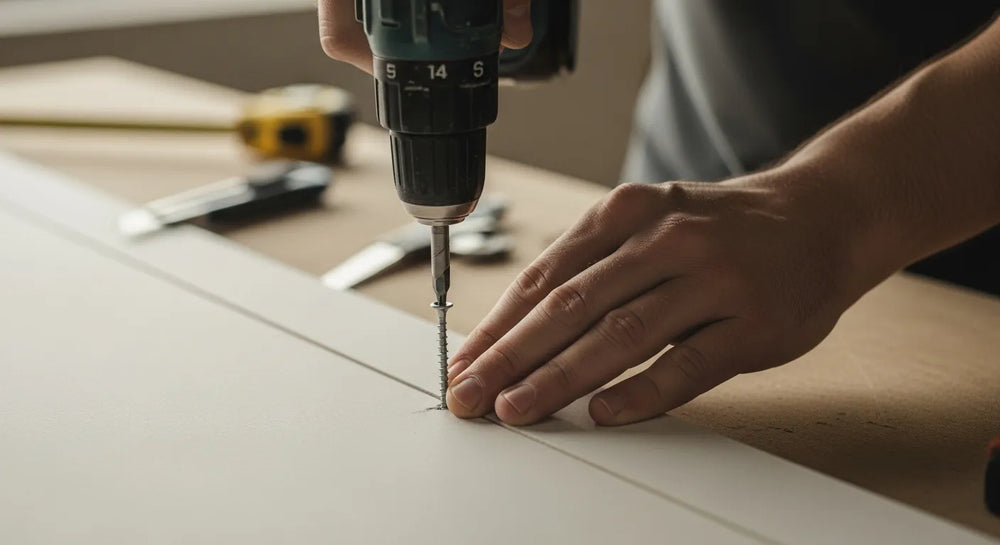
Rescue a Stripped Screw from Wood
Table of Contents
- Introduction
- Understanding the Problem: Why Screws Strip
- Essential Tools for Stripped Screw Extraction
- Method 1: The Friction Boost (Rubber Band or Steel Wool)
- Method 2: Increasing Grip with Pliers or Vice Grips
- Method 3: Creating a New Slot (Rotary Tool or Hacksaw)
- Method 4: The Screw Extractor Kit (Dedicated Solution)
- Method 5: Drilling Out the Screw (Last Resort)
- Beyond Extraction: Preventing Future Stripped Screws
- Conclusion
- FAQ
Few things can derail a project or frustrate a maintenance task faster than a stubborn, stripped screw. That moment when your screwdriver cam-outs, chewing away at the drive, leaving you with a smooth, uncooperative hole, is universally aggravating. It’s a common scenario that can bring operations to a halt, wasting valuable time and resources. For procurement managers, MRO buyers, and design engineers, every component, no matter how small, plays a critical role in the integrity and efficiency of a larger system. A single stripped screw, if not addressed effectively, can necessitate reworks, material damage, or even project delays.
This comprehensive guide will equip you with a range of proven techniques and essential tools to successfully extract stripped screws from wood, minimizing collateral damage and restoring productivity. Beyond the immediate fix, we'll delve into the root causes of stripped screws and, crucially, explore proactive strategies for prevention, emphasizing the critical role of high-quality, American-made fasteners in maintaining operational excellence. Our mission at Maden.co, America's premier B2B marketplace for U.S.-manufactured products, is to democratize access to these superior components, ensuring that frustrating setbacks like stripped screws become a rarity, not a recurring problem. You can explore our extensive catalog and learn more about our commitment to American manufacturing revival at Maden.co.
Introduction
The seemingly minor incident of a stripped screw can cascade into significant operational friction. Imagine a critical piece of equipment requiring a quick repair, only to be held captive by a single fastener whose head has surrendered to rotational force. Or a furniture assembly line halted as workers struggle with compromised components. This isn't just a DIY homeowner's plight; it's a real-world challenge for industrial and commercial operations, impacting schedules, budgets, and the overall quality of output. The core problem often lies in a combination of improper technique, unsuitable tools, and, most critically, the inherent quality of the fastener itself.
In this guide, we'll systematically break down the most effective methods for extracting stripped screws from various wooden applications, moving from the least invasive to more assertive approaches. But our discussion won't end there. We will then pivot to the paramount importance of prevention, demonstrating how strategic sourcing of robust, precisely engineered, U.S.-made fasteners can virtually eliminate this common frustration. By understanding both the remediation and prevention, businesses can significantly enhance their operational resilience and efficiency, aligning with our core values of Industrial Excellence and Supply Chain Transparency.
Understanding the Problem: Why Screws Strip
Before we tackle how to get a stripped screw out of wood, it's crucial to understand why screws strip in the first place. This insight is not just academic; it's the foundation for preventing future occurrences, saving significant time and resources in the long run. Stripping typically refers to two distinct but related issues: either the screw head's drive recess is damaged (cam-out), making it impossible for a driver bit to engage, or the screw's threads are stripped from the wood itself, causing it to spin freely without backing out. While our primary focus here is on the damaged head, many of the preventive measures apply to both.
Common Causes of Stripped Screw Heads
- Incorrect Driver Bit Size or Type: This is perhaps the most frequent culprit. Using a Phillips head bit on a Pozidriv screw, or a bit that's too small for the screw's recess, leads to an imperfect fit. When torque is applied, the bit doesn't fully engage and chews away at the soft metal of the screw head.
- Excessive Torque or Impact: Over-tightening a screw, especially with power tools, can easily strip the head. The force can overcome the screw's material strength or exceed the driver bit's ability to maintain purchase, causing the bit to slip and damage the drive.
- Poor Quality Fasteners: Mass-produced, low-cost screws often use softer metals or have shallower, less precisely formed drive recesses. These are inherently more prone to stripping, even with correct technique. For procurement managers prioritizing Total Cost of Ownership (TCO), the initial savings on cheap fasteners are quickly overshadowed by the costs of rework, damage, and delays.
- Corrosion and Rust: Over time, exposure to moisture or chemicals can cause screws to rust or corrode, weakening the metal of the head and making it brittle. This makes them much more susceptible to stripping when removal is attempted.
- Angle of Approach: Driving or removing a screw at an angle rather than straight on can cause the driver bit to slip out, damaging the screw head. Maintaining proper alignment is key.
- Worn Driver Bits: Just like screws, driver bits wear out. A bit with rounded edges or a compromised tip will not grip a screw head effectively, increasing the likelihood of stripping.
- Lack of Pilot Hole or Incorrect Pilot Hole Size: If a pilot hole is too small or nonexistent in dense wood, the screw encounters excessive resistance. This extra friction requires more torque to drive the screw, increasing the risk of stripping the head or, conversely, shearing the screw shaft itself.
Understanding these factors empowers you to not only extract a stripped screw but to implement practices that dramatically reduce future occurrences. This proactive approach is a cornerstone of efficient MRO and procurement strategies, fostering what we at Maden.co champion as Industrial Excellence.
Essential Tools for Stripped Screw Extraction
Approaching a stripped screw situation requires patience and, more importantly, the right set of tools. Having a well-equipped toolkit can significantly improve your chances of a successful extraction without further damaging the surrounding material. Here's a breakdown of the essential items you might need:
Basic Hand Tools
- High-Quality Screwdriver Set: Ensure you have a range of sizes and drive types (Phillips, flathead, Torx, square) in good condition. A fresh, sharp driver bit is less likely to cam-out.
- Pliers (Needle-nose, Slip-joint, Locking): For screws with slightly raised heads, pliers can offer the necessary grip. Locking pliers (like Vise-Grips) are particularly useful for maintaining constant pressure.
- Vice Grips: Excellent for applying significant, sustained gripping force to screw heads that are still proud of the wood surface.
- Hacksaw Blade or Rotary Tool (Dremel-style): For creating new slots in the screw head if it's rounded out. A rotary tool with a thin cutting wheel offers precision.
- Hammer: For tapping screw heads, screw extractors, or for carefully prying if the screw is exposed.
- Center Punch: Used to create a dimple for drilling, preventing the drill bit from "walking."
Specialized Extraction Tools
- Screw Extractor Set: These are designed specifically for removing stripped or broken screws. They come in various sizes and generally feature a drill bit on one end to create a pilot hole and a reverse-threaded extractor on the other to bite into the screw.
- Impact Driver (Manual or Powered): A manual impact driver uses a hammer blow to simultaneously turn and push the bit into the screw, often breaking the grip of a seized or stripped fastener. Powered impact drivers can also be effective by providing rapid rotational bursts.
- Left-Hand Drill Bits: These drill bits are designed to rotate counter-clockwise. Sometimes, as they drill into a stripped screw, they can catch and twist the screw out without the need for a separate extractor.
- Taps and Dies (for larger screws): While more advanced, for very large or specialized screws, creating a new, larger internal thread (tap) or external thread (die) can sometimes provide a new gripping surface.
Auxiliary Materials
- Rubber Bands or Steel Wool: These can be placed over a stripped screw head to provide extra friction for a screwdriver.
- Penetrating Oil: For screws that are rusted or seized, a penetrating oil can help loosen their grip on the wood.
- Safety Glasses and Gloves: Always wear appropriate personal protective equipment (PPE) when working with tools, especially when drilling or cutting.
- Wood Glue/Epoxy (optional): In some desperate cases, gluing a driver bit into a stripped screw head can provide a temporary bond strong enough for extraction. This is a last resort, as it typically sacrifices the driver bit.
Having these tools readily available, rather than scrambling for substitutes, will make the extraction process smoother and more successful. When selecting tools, remember that quality matters, just as it does with fasteners. Investing in durable, well-made tools from trusted suppliers can prevent further headaches down the line.
Method 1: The Friction Boost (Rubber Band or Steel Wool)
This is often the first technique to try when the screw head is only mildly stripped and there's still some semblance of the drive recess left. It's a non-invasive method that simply aims to provide your screwdriver bit with a little extra grip.
How it Works
The principle is straightforward: you insert a material between your screwdriver bit and the stripped screw head. This material fills the gaps created by the stripped metal, allowing the driver bit to get a better purchase.
- Rubber Band: Use a wide, thick rubber band. Lay it flat over the stripped screw head, then press your screwdriver bit firmly into the rubber band, aligning it with the remnants of the screw's drive. The rubber band deforms, filling the stripped-out areas, and provides increased friction.
- Steel Wool: For a slightly more aggressive approach, a small piece of fine steel wool can also work similarly. Place it over the screw head, then press your driver bit into it. The fine metallic strands can conform to the stripped head and offer a surprising amount of grip.
When to Use This Method
- When the screw head is only slightly rounded or cam-out.
- When you can still identify the original drive type (e.g., a Phillips head, even if damaged).
- As a first attempt before moving to more destructive methods.
- For smaller, less deeply embedded screws.
Technique Tips
- Firm, Downward Pressure: Apply significant downward pressure on the screwdriver while slowly turning counter-clockwise. The goal is to maximize the friction and prevent the bit from lifting out.
- Slow and Steady: Avoid sudden, jerky movements. Consistent, slow torque is more likely to engage the stripped head.
- Try Different Bits: If one screwdriver bit doesn't work, try a slightly larger one that can wedge itself into the remaining drive.
This method is surprisingly effective for light stripping and can save you from having to resort to more complex or damaging techniques. It's a quick, low-cost solution that embodies efficient problem-solving.
Method 2: Increasing Grip with Pliers or Vice Grips
When the screw head is more significantly stripped, or if it has broken off flush with the surface but still has some material exposed, manual gripping tools become indispensable. This method is ideal when you can get a secure hold on the screw's exterior.
How it Works
Pliers, especially locking pliers (like Vise-Grips), are designed to apply strong, concentrated clamping force. If even a small portion of the screw head is protruding from the wood, or if you can access the shaft, these tools can provide the necessary leverage.
- Pliers: Use needle-nose pliers for smaller, tighter spaces, or slip-joint pliers for a broader grip. Clamp the pliers firmly onto the exposed edges of the screw head. Once you have a secure grip, slowly rotate the pliers counter-clockwise to back the screw out.
- Locking Pliers (Vise-Grips): These are superior because they lock onto the screw head with immense, constant pressure, freeing your hands to focus on rotation. Adjust the jaws to tightly fit the screw head, then lock them in place. Once secured, slowly turn the entire plier-and-screw assembly counter-clockwise.
When to Use This Method
- When the screw head is stripped but still protrudes sufficiently from the wood surface to be gripped.
- When the rubber band/steel wool method has failed.
- For screws that are not deeply embedded or extremely tight.
- If the screw head is partially sheared off, leaving an irregular but grippable surface.
Technique Tips
- Clean the Area: Ensure the area around the screw head is free of debris to allow for the best possible grip.
- Maximum Grip: Adjust the pliers for the tightest possible grip without deforming the screw head further. With Vise-Grips, clamp them down as hard as you can.
- Wiggle and Turn: Sometimes, a gentle back-and-forth wiggle while turning can help break the screw's initial resistance.
- Penetrating Oil: If the screw seems seized, apply a penetrating oil around its base and let it soak for 15-30 minutes before attempting removal. This can significantly reduce friction.
This method leverages brute force in a controlled manner, often proving successful for moderately stripped and accessible screws. It's a testament to the utility of versatile, well-made hand tools in MRO operations.
Method 3: Creating a New Slot (Rotary Tool or Hacksaw)
When the screw head is completely rounded out, and there's no way for a conventional driver or pliers to get a grip, the next step involves modifying the screw head itself to create a new purchase point. This usually means cutting a slot into it, effectively turning it into a flathead screw.
How it Works
This method requires precision cutting to create a new, functional slot in the center of the stripped screw head.
- Rotary Tool (Dremel-style) with a Thin Cutting Wheel: This is the preferred tool due to its precision. Fit your rotary tool with a thin abrasive cutting disc. Carefully and slowly cut a straight, deep slot across the center of the stripped screw head. The slot needs to be deep enough to accommodate a flathead screwdriver bit securely.
- Hacksaw Blade: If you don't have a rotary tool, a hacksaw blade can be used, provided there's enough clearance around the screw head. Remove the hacksaw blade from its frame and use just the blade to carefully saw a slot into the screw head. This requires more control and patience but can be effective.
When to Use This Method
- When the screw head is completely rounded or mangled, rendering other methods useless.
- When the screw head is still reasonably flush with the wood surface.
- When you have enough clearance around the screw head to safely operate a cutting tool without damaging the surrounding wood.
- For screws that are not extremely small, as cutting a slot can weaken smaller heads too much.
Technique Tips
- Safety First: Always wear safety glasses when using rotary tools or hacksaws, as metal fragments can fly.
- Go Slow and Steady: Precision is key. Take your time to create a clean, deep slot without slipping.
- Depth is Crucial: The slot needs to be deep enough for a flathead screwdriver to seat securely and apply torque without cam-out.
- Use the Right Flathead Bit: Once the new slot is cut, select a flathead screwdriver bit that fits snugly into the new slot, almost filling its width and depth.
- Apply Downward Pressure: As with other methods, maintain firm downward pressure while slowly turning the screwdriver counter-clockwise.
This method transforms a seemingly unremovable screw into one that can be extracted with a common tool. It requires a steady hand and highlights the value of having diverse tools in your MRO arsenal.
Method 4: The Screw Extractor Kit (Dedicated Solution)
When all less invasive methods fail, or when dealing with a deeply embedded or severely damaged screw, a specialized screw extractor kit is often the most reliable solution. These kits are designed specifically for this purpose and are invaluable for any professional or serious DIYer.
How it Works
Screw extractor kits typically contain two main components for each size: a drill bit (often left-handed) and a reverse-threaded extractor.
-
Drill a Pilot Hole: The first step is to drill a small pilot hole directly into the center of the stripped screw head. This hole serves two purposes:
- It creates a starting point for the extractor.
- It can, in some cases, loosen the screw's grip on the wood.
- Crucially, if using a left-hand drill bit, the drilling action itself might catch and start to back out the screw.
- Technique: Select a drill bit from the kit that is slightly smaller than the core diameter of the screw's shaft (the part without threads). Using a drill, carefully drill a pilot hole into the center of the stripped screw head. Ensure you drill straight and not too deeply, just enough for the extractor to get a bite. A center punch can help prevent the drill bit from walking.
-
Insert the Extractor: Once the pilot hole is drilled, remove the drill bit and insert the screw extractor into your drill (or a tap handle for larger extractors). The extractor typically has a tapered, reverse (left-hand) thread.
-
Extract the Screw: Set your drill to reverse (counter-clockwise) and low speed. Insert the extractor into the pilot hole in the screw head. As the extractor turns, its reverse threads will bite firmly into the metal of the stripped screw. Continue turning slowly and steadily in reverse. As the extractor bites deeper, it will begin to unscrew the stripped fastener from the wood.
When to Use This Method
- When the screw head is severely stripped, rounded out, or even broken off below the surface.
- When the screw is tightly seized or deeply embedded in the wood.
- When other, simpler methods have failed to provide any grip.
- For screws of almost any size, as extractor kits come with a range of sizes.
Technique Tips
- Right Size Matters: Always choose an extractor size appropriate for the screw you're trying to remove. Too small, and it won't grip; too large, and it won't fit the pilot hole.
- Straight and Centered: Drill the pilot hole as straight and centered as possible. An off-center hole can cause the extractor to break or further damage the screw.
- Firm, Consistent Pressure: Apply steady downward pressure while drilling and extracting to ensure the tools remain engaged.
- Avoid Over-Torquing the Extractor: While extractors are robust, excessive force can cause them to break inside the screw, creating a much bigger problem. Let the extractor do the work of biting into the screw.
- Lubrication: For stubborn screws, applying penetrating oil before drilling can aid significantly in loosening its grip.
Screw extractor kits are an essential investment for anyone frequently dealing with fasteners. They are a prime example of a specialized tool that, while perhaps not used daily, provides an indispensable solution when a critical problem arises. For professional environments, ensuring these kits are part of standard MRO inventory is a strategic move, improving efficiency and reducing downtime.
Method 5: Drilling Out the Screw (Last Resort)
When all other methods fail, or if the screw is broken flush or below the surface without enough material for an extractor to grab, drilling out the screw entirely becomes the last resort. This method is destructive to the screw and potentially to the surrounding wood, but it guarantees removal.
How it Works
This technique involves drilling through the entire screw shaft, effectively destroying it and removing its hold on the wood. The goal is to use a drill bit that is slightly larger than the screw's shaft diameter, or progressively larger bits, to grind away the screw until it disintegrates or can be easily pulled out.
- Center Punch: Use a center punch to create a precise dimple in the exact center of the stripped screw head (or what remains of it). This prevents the drill bit from wandering.
- Select Drill Bit: Choose a drill bit that is just slightly larger than the core diameter of the screw's shaft. You want to drill away the screw without excessively enlarging the existing hole in the wood. Alternatively, start with a smaller bit and progressively increase the size.
- Drill Slowly and Straight: With your drill set to a slow speed, carefully drill straight down through the screw. Maintain steady, firm pressure. As you drill, the screw metal will be removed.
- Check Progress: Periodically stop and check your progress. The goal is to drill deep enough to sever the screw's grip, or completely drill out the screw.
- Remove Remnants: Once the screw is drilled out, the remaining wood fibers or screw fragments can usually be pulled out with needle-nose pliers or tweezers.
When to Use This Method
- When the screw head is completely destroyed, broken, or inaccessible to other tools.
- When the screw extractor has failed or broken off inside the screw.
- As an absolute last resort, accepting that the wood around the screw might be damaged.
- When replacing the screw with a larger diameter screw or using a wooden dowel to fill and redrill the hole is an acceptable outcome.
Technique Tips
- Protect the Wood: If possible, place a piece of scrap wood with a pilot hole over the stripped screw to guide the drill bit and protect the surrounding material.
- Sharp Drill Bits: Use a sharp metal-drilling bit. A dull bit will only make the job harder and generate excessive heat.
- Cooling: If drilling through a large or tough screw, periodically remove the drill bit and allow it to cool, or apply a cutting lubricant.
- Prepare for Repair: Understand that you will likely need to repair the enlarged hole afterward. This typically involves filling the hole with a wooden dowel and wood glue, letting it dry, and then redrilling a new pilot hole for a replacement screw.
While destructive, drilling out a stripped screw is a guaranteed way to resolve the immediate problem. It emphasizes the importance of having robust repair and maintenance strategies in place for unforeseen circumstances.
Beyond Extraction: Preventing Future Stripped Screws
Successfully removing a stripped screw is a victory, but the truly strategic approach lies in preventing the problem from recurring. For procurement managers, MRO buyers, and design engineers, this means prioritizing quality, precision, and adherence to specifications in every fastener sourced. This is where Maden.co’s commitment to American manufacturing and industrial excellence truly shines.
1. The Paramount Importance of Quality Fasteners
The single most effective way to prevent stripped screws is to start with high-quality fasteners. Cheap, imported screws often feature soft metal alloys, poorly formed drive recesses, and inconsistent threading, all of which contribute to premature stripping and failure.
At Maden.co, we understand that "good enough" is rarely good enough in industrial applications. Our network of over 800+ verified U.S. manufacturers provides access to over 2.5 million American-made products, engineered for performance and durability. This commitment to American Manufacturing Pride means:
- Superior Material Composition: U.S.-made screws are manufactured from high-grade steel, brass, silicon bronze, and other alloys, ensuring greater tensile strength and resistance to shearing and stripping. For instance, a quality Round Slot Drive Brass Wood Screw offers excellent corrosion resistance and a drive that holds up to torque. Similarly, a precisely manufactured Flat Slot Drive Brass Wood Screw or an Oval Slot Drive Silicon Bronze Wood Screw ensures consistent performance for critical applications. The material choice isn't just about strength; silicon bronze, for example, offers exceptional resistance to saltwater corrosion, making it ideal for marine or outdoor applications where fastener integrity is paramount.
- Precision Manufacturing: Our manufacturers adhere to stringent quality control standards, resulting in perfectly formed drive recesses (Phillips, Torx, Square, Slot, etc.) and consistent thread geometry. This precision ensures a snug fit with the corresponding driver bit, minimizing cam-out and stripping.
- Reliable Performance: When you specify a certain grade or material, you receive exactly that. This transparency is a core value at Maden.co, empowering our customers with confidence in their supply chain. This focus on reliability translates directly into reduced rework, fewer component failures, and a lower Total Cost of Ownership (TCO) over the lifespan of your projects and equipment.
By sourcing through Maden.co, you're not just buying a fastener; you're investing in supply chain resilience and partnering with verified U.S. manufacturers dedicated to industrial excellence. Our platform ensures that finding the right, high-quality, American-made component is as convenient and accessible as any global alternative, directly fueling America's manufacturing revival.
2. Best Practices for Driving and Removing Screws
Even with the best quality fasteners, proper technique is essential to prevent stripping.
- Use the Correct Driver Bit: Always match the bit type and size precisely to the screw head. A snug fit is crucial. If using power tools, ensure the bit is fully seated before engaging the trigger.
- Apply Firm, Consistent Downward Pressure: Especially with Phillips and flathead screws, maintaining firm downward pressure helps keep the bit engaged in the screw head, preventing it from lifting out and camming-out.
- Drill Appropriate Pilot Holes: For most wood screws, a pilot hole is critical. It reduces the resistance the screw encounters, minimizing the torque required to drive it, and thus reducing the risk of stripping the head or splitting the wood. The pilot hole should match the screw's shank diameter (the solid part) and extend the length of the threaded portion entering the wood.
- Control Torque: With power drills, use a clutch setting or an impact driver with controlled settings to avoid over-tightening. Hand-tightening the final turns is often ideal for delicate applications.
- Use Sharp, Unworn Bits: Worn-out driver bits with rounded edges are a major cause of stripped screws. Replace bits regularly to maintain optimal performance.
- Lubrication: For very hard woods or long screws, a small amount of wax or soap on the screw threads can reduce friction, making it easier to drive and less prone to stripping.
3. Supply Chain Resilience and Digital Innovation
Beyond individual fasteners, the ability to quickly and reliably source high-quality components is paramount for modern industrial operations. Maden.co offers:
- Democratized Access: Our platform streamlines the procurement process, connecting buyers directly with a vast catalog of U.S.-made industrial components. This means less time spent searching for obscure parts and more time focusing on core business activities.
- Supply Chain Transparency: We prioritize clear information about product origins and specifications, aligning with our value of Supply Chain Transparency. This gives you the confidence that your components meet stringent American quality standards.
- Customer Empowerment: We empower procurement managers and business owners with the tools they need to make informed decisions and manage their capital effectively. For larger-volume purchases or critical projects, our Instant Financing option, available during the checkout process, allows you to manage cash flow efficiently without compromising on quality or project timelines. You can apply for Instant Financing at checkout to streamline your capital-intensive projects.
By integrating these preventive measures and leveraging Maden.co's platform, businesses can significantly mitigate the frustration and cost associated with stripped screws, fostering a more efficient, resilient, and productive operational environment. Our entire business model is built on this principle; you can learn more about our mission to champion American manufacturing here: About Us.
Conclusion
A stripped screw, while a small component, can represent a significant hurdle in any project or maintenance operation. Mastering the techniques for their removal is an essential skill, equipping you to overcome immediate challenges and keep your projects moving forward. From the simple rubber band trick to the specialized power of a screw extractor, each method offers a viable path to resolution.
However, true operational excellence goes beyond remediation. The most effective strategy is prevention, rooted in the conscious choice of superior quality fasteners and the implementation of best practices. By understanding why screws strip and by proactively sourcing robust, precisely manufactured components, businesses can drastically reduce downtime, minimize rework, and enhance the overall integrity of their assemblies.
At Maden.co, we are dedicated to providing that proactive solution. We believe that America's manufacturing revival is here, driven by the unparalleled quality, reliability, and innovation of U.S.-made products. We democratize access to this excellence, connecting you with over 2.5 million American-made industrial components from our network of 800+ verified U.S. manufacturers.
Don't let a stripped screw dictate your project's pace. Empower your procurement process with the certainty of quality. Explore our extensive catalog today to find the exact American-made fasteners and industrial components you need. Whether you're seeking a resilient Round Slot Drive Brass Wood Screw, a precise Flat Slot Drive Brass Wood Screw, or a specialized Oval Slot Drive Silicon Bronze Wood Screw for your next critical application, Maden.co is your strategic partner. Remember, you can apply for Instant Financing at checkout to streamline your capital-intensive projects, ensuring your operations never miss a beat.
Are you a U.S. manufacturer? Join our growing network and become part of America's manufacturing revival. Register as a vendor and expand your reach to industrial buyers across the nation: Vendor Registration. For any specific sourcing questions or assistance, our dedicated team is ready to help; simply reach out through our Contact Us page.
FAQ
Q1: What is the most common reason for a screw to strip in wood?
A1: The most common reason is using an incorrect driver bit size or type, or applying insufficient downward pressure while turning, causing the driver bit to "cam-out" and chew away at the screw head's drive recess. Poor quality screws made from softer metals are also highly susceptible to stripping, even with correct technique.
Q2: What should I do if my screw extractor breaks inside the stripped screw?
A2: A broken screw extractor is a challenging situation because extractors are made of hardened steel, making them very difficult to drill through. Your best options are to try a larger screw extractor (if the broken piece is small enough to allow it), use a carbide-tipped drill bit (designed for hardened steel), or if all else fails, carefully drill around the broken extractor with a bit slightly larger than the screw's shank to remove the surrounding wood and screw material, essentially destroying the screw and the extractor within it.
Q3: How can I prevent stripping screws in the future, especially in critical industrial applications?
A3: Prevention is key. Always use the correct driver bit that fits snugly into the screw head, apply firm downward pressure, and use appropriate pilot holes for the wood type. Most importantly, invest in high-quality, U.S.-made fasteners. These components feature superior materials and precise manufacturing, significantly reducing the likelihood of stripping. Maden.co specializes in connecting buyers with such durable, American-made products from verified manufacturers.
Q4: Can I use super glue or epoxy to remove a stripped screw?
A4: While some individuals attempt to glue a driver bit into a severely stripped screw head with super glue or epoxy, this method is generally a last resort and comes with significant caveats. It can permanently bond the driver bit to the screw, sacrificing the bit and potentially causing more damage if it fails. It's only feasible for very small screws and requires a strong, quick-setting adhesive. More reliable methods like screw extractors or creating a new slot are usually preferred for a cleaner, more controlled outcome.


