
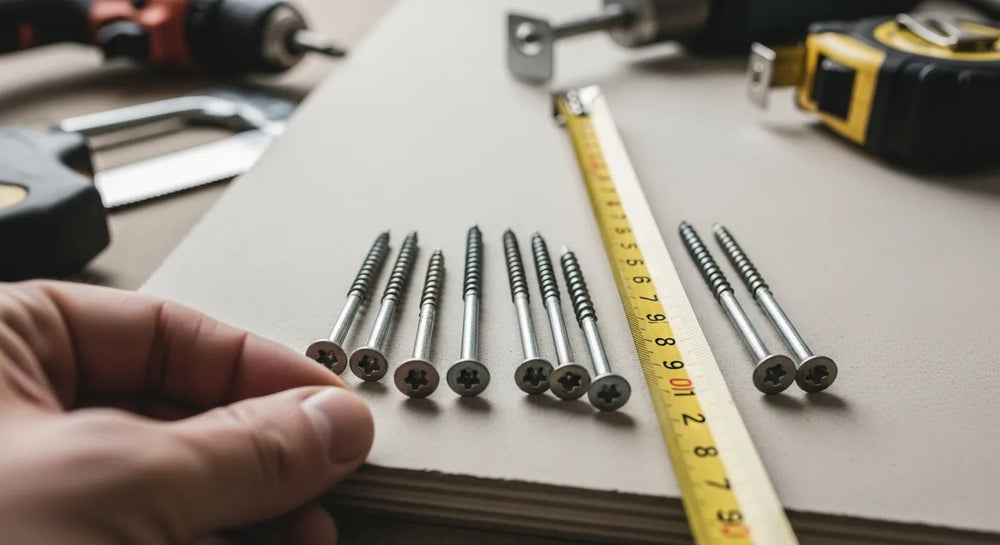
Seamlessly Concealing Screw Holes in Wood for Industrial Excellence
Table of Contents
- The Imperative of Professional Screw Hole Concealment
- Essential Preparation for Flawless Concealment
- Comprehensive Methods for Covering Screw Holes
- Finishing Touches for a Professional Result
- Choosing the Right Method: Key Considerations
- Partnering with Maden.co for Quality and Efficiency
- Conclusion
- FAQ
In the intricate world of manufacturing, design, and maintenance, every detail contributes to the overall integrity and perceived value of a product or structure. While the functionality of a screw in securing components is paramount, the aesthetic impact of visible screw holes, or the need to address them after removal, is a critical consideration for procurement managers, MRO buyers, and design engineers alike. A seemingly minor detail, an uncovered screw hole can compromise the visual appeal of a finely crafted wooden product, create points of weakness, or even become a harbinger of moisture ingress in demanding environments. For businesses committed to delivering superior quality and durability, understanding the professional techniques to seamlessly conceal screw holes in wood is not merely a cosmetic exercise but a commitment to industrial excellence and product longevity.
This comprehensive guide delves into the various methods for effectively covering screw holes in wood, moving beyond superficial fixes to provide robust, long-lasting solutions. We will explore the critical preparatory steps, examine a range of materials and techniques—from traditional wood fillers and plugs to innovative epoxy solutions—and discuss how to choose the optimal approach based on the wood type, desired finish, and environmental conditions. Our aim is to equip you with the knowledge to achieve flawless results, ensuring that every project, whether a custom furniture piece for commercial spaces, an architectural element, or a piece of heavy-duty equipment with wooden components, reflects the highest standards of craftsmanship and durability, echoing the precision we uphold in American manufacturing.
The Imperative of Professional Screw Hole Concealment
Why dedicate significant attention to covering a screw hole? For many industrial applications and finished goods, the reasons extend far beyond mere aesthetics. Consider a high-end commercial millwork project, a meticulously restored antique machine with wooden parts, or robust crating designed for sensitive equipment. In these scenarios, exposed or poorly covered screw holes can detract from the product's value, signaling a lack of attention to detail that compromises both form and function.
Enhancing Aesthetic Appeal and Perceived Value
From a design perspective, a clean, unblemished wooden surface conveys quality and professionalism. Visible screw heads or unsealed holes can disrupt the natural grain and finish, cheapening the overall look. For a design engineer finalizing a prototype with wooden elements, or a procurement manager sourcing materials for a batch of high-end furniture, ensuring a perfect finish is non-negotiable. The ability to make screw holes disappear into the surrounding wood elevates the product, enhancing its market appeal and reflecting the superior standards associated with American-made goods.
Ensuring Structural Integrity and Longevity
Beyond aesthetics, properly covering screw holes plays a vital role in maintaining the structural integrity and extending the lifespan of wooden components. An open screw hole can become a weak point, susceptible to:
- Moisture Ingress: Water and humidity can penetrate uncovered holes, leading to swelling, rot, and degradation of the wood, particularly in outdoor applications or high-humidity environments.
- Pest Infestation: Open cavities can provide entry points for insects, compromising the wood from within.
- Dust and Debris Accumulation: Unfilled holes can collect dust, grime, and other contaminants, making cleaning difficult and potentially affecting the performance of nearby mechanical parts.
- Splintering and Damage: The edges of an empty screw hole can splinter or chip, especially if subjected to stress or impact, further weakening the material.
By effectively filling and sealing these holes, businesses prevent these issues, ensuring that their wooden products and structures remain robust and durable over time. This foresight aligns with the values we champion at Maden.co: Industrial Excellence and American Manufacturing Pride, where every component contributes to a resilient and high-performing whole.
Facilitating Refinishing and Maintenance
For MRO buyers involved in the maintenance and repair of existing wooden assets, proper screw hole concealment is crucial for future refinishing or restoration projects. A well-filled and sanded hole provides a smooth, uniform surface for staining, painting, or varnishing, ensuring an even finish. This simplifies maintenance protocols and prolongs the service life of equipment and structures, reducing the Total Cost of Ownership (TCO)—a key benefit we aim to deliver through our platform by offering access to verified U.S. manufacturers.
Essential Preparation for Flawless Concealment
Before applying any filler or plug, thorough preparation is key to achieving a lasting and seamless finish. Rushing this stage often leads to unsatisfactory results, highlighting the importance of precision in every step of a manufacturing or repair process.
Step 1: Clean the Hole and Surrounding Area
The first step is to ensure the screw hole and the adjacent wood surface are impeccably clean. Any dust, debris, wood shavings, or old adhesive residue will prevent the new material from bonding properly, compromising the repair's durability and appearance.
- Remove Loose Debris: Use a small brush, compressed air, or a vacuum cleaner with a narrow nozzle attachment to clear out any loose particles from within the hole.
- Degrease and Clean: If the wood has been treated with oils, waxes, or if there's any grease, wipe the area with a degreaser or a mild solvent (like mineral spirits for oil-based finishes, or denatured alcohol for other contaminants). Ensure the area is completely dry before proceeding.
- Inspect for Damage: Check for any splintered wood around the edge of the hole. Gently trim away any loose splinters with a sharp utility knife or chisel to create a clean edge.
Step 2: Consider the Wood Type and Finish
The type of wood (hardwood, softwood, engineered wood) and its existing finish (stained, painted, natural) will heavily influence the choice of concealment method and materials.
- Hardwoods (e.g., Oak, Maple, Cherry): These dense woods require stronger fillers or precisely matched wood plugs for the best results. The grain pattern needs careful consideration for aesthetic matching.
- Softwoods (e.g., Pine, Cedar, Fir): Softer woods are more forgiving but can absorb fillers differently. They often require a lighter touch during sanding.
- Engineered Woods (e.g., Plywood, MDF, Particle Board): These materials benefit greatly from specific wood fillers or epoxy solutions that can bond effectively with the composite nature of the material.
- Finished vs. Unfinished: If the wood is unfinished, you have more flexibility with staining and coloring the filler. If it’s already finished, you’ll need to match the existing color and sheen precisely.
Understanding these nuances is crucial for any procurement manager tasked with sourcing the right repair materials or for a design engineer specifying finishes. Maden.co's commitment to Supply Chain Transparency means we connect you with manufacturers who understand these material requirements, ensuring you get the exact U.S.-made components you need.
Comprehensive Methods for Covering Screw Holes
With proper preparation, you can now select the most appropriate method to conceal your screw holes. Each technique offers distinct advantages, making it suitable for different applications and desired outcomes.
1. Wood Putty and Wood Filler: Versatility for Many Applications
Wood putty and wood filler are among the most common and versatile options, ideal for minor repairs and cosmetic finishes. While often used interchangeably, there are subtle differences:
- Wood Filler: Typically made from wood fibers suspended in a binder, designed to be stained and sanded like natural wood. Best for unfinished wood.
- Wood Putty: Oil-based or latex-based, often pre-colored, and remains slightly flexible. It's ideal for already finished wood, as it doesn't typically accept stain well but can be painted.
Application Process:
- Select the Right Product: Choose a filler or putty that closely matches the wood's color if you're not planning to paint. For staining, ensure the product explicitly states it is stainable.
- Apply Generously: Using a putty knife, apply the filler or putty, pressing it firmly into the screw hole. Overfill slightly, creating a small mound above the surface to account for shrinkage and allow for sanding.
- Cure Time: Allow the filler to dry completely according to the manufacturer's instructions. This is crucial for durability.
- Sand Smooth: Once dry, sand the area flush with the surrounding wood using progressively finer grits of sandpaper (e.g., starting with 120-grit, then 180-grit, finishing with 220-grit). Ensure you sand with the grain to avoid visible scratches.
- Clean and Finish: Wipe away sanding dust, and then proceed with staining, painting, or sealing the wood as desired.
For projects where the integrity of the initial fastener is paramount to prevent future repair needs, ensuring you start with a quality component is key. For robust construction, consider sourcing high-quality, U.S.-made fasteners like the Round Slot Drive Brass Wood Screw or the Flat Slot Drive Brass Wood Screw from our extensive catalog, ensuring a secure and lasting hold from the outset.
2. Wood Plugs and Dowels: The Artisanal and Durable Choice
For a truly integrated and virtually invisible repair, especially on high-quality furniture, flooring, or architectural elements, wood plugs and dowels are often the preferred method. This technique uses actual pieces of wood to fill the hole, allowing for seamless grain matching and a highly durable finish.
Application Process:
-
Choose the Right Plug/Dowel:
- Matching Wood Species: Ideally, use the same species of wood as the piece being repaired. This ensures consistent grain, color, and density.
- Grain Direction: For plugs, try to match the grain direction of the plug with the surrounding wood for the most seamless look.
- Size: The plug or dowel must match the diameter of the screw hole. Consider using a plug cutter on scrap wood to create custom plugs that perfectly fit.
- Prepare the Hole (Optional, but Recommended for Plugs): For a perfectly flush and centered plug, you might use a counterbore or a Forstner bit to create a clean, uniform recess slightly larger than the screw hole itself, ensuring a flat bottom for the plug.
- Apply Wood Glue: Apply a small amount of high-quality wood glue (e.g., Titebond III for moisture resistance) to the plug or dowel and the inside of the screw hole.
-
Insert and Seat:
- For Plugs: Insert the plug firmly into the hole, ensuring its grain aligns with the surrounding wood as much as possible. Tap it gently with a mallet if necessary until it is slightly proud of the surface.
- For Dowels: Insert the dowel into the hole, ensuring it goes deep enough to fill the void. Cut the dowel so it's slightly proud of the surface.
- Cure Time: Allow the glue to dry completely, typically 24 hours, clamping if possible for a tighter bond.
- Trim and Sand: Once dry, use a sharp chisel, flush-cut saw, or oscillating multi-tool to carefully trim the plug or dowel flush with the wood surface. Then, sand the area smooth using progressively finer grits, paying close attention to blending the plug seamlessly into the surrounding wood grain.
- Finish: Apply stain, paint, or sealant to match the existing finish.
This method exemplifies Industrial Excellence, demonstrating a commitment to meticulous detail and long-term performance. For specialized applications demanding specific materials and dimensions, finding U.S.-made fasteners for initial assembly is streamlined on our platform. For example, for superior corrosion resistance in challenging environments, our Oval Slot Drive Silicon Bronze Wood Screw provides exceptional durability, aligning with the quality expectation of this repair method.
3. Sawdust and Glue Mixture: A Custom DIY Filler
For a truly custom filler that perfectly matches the wood's color and accepts stain identically, a mixture of sawdust and wood glue can be highly effective. This method is particularly useful when working with exotic or unique wood species where commercially available fillers may not match.
Application Process:
- Collect Fine Sawdust: The key is to use very fine sawdust from the same type of wood you are repairing. Collect it from sanding or sawing operations.
- Mix with Wood Glue: In a small, disposable container, mix the sawdust with a good quality wood glue (e.g., PVA wood glue) until it forms a thick, paste-like consistency. It should be thick enough to hold its shape but pliable enough to press into the hole.
- Apply the Mixture: Firmly press the sawdust-glue mixture into the screw hole using a putty knife or even your finger. Overfill slightly, as it will shrink slightly upon drying.
- Cure Time: Allow the mixture to dry completely. This can take longer than commercial fillers, depending on the thickness, often 24 hours or more.
- Sand and Finish: Once fully cured, sand the area flush with the surrounding wood, following the grain. Because it's made from the same wood, it will accept stain and finish just like the original material, offering an almost invisible repair.
This bespoke approach showcases the depth of expertise often required in specialized manufacturing and MRO, a value that resonates with our focus on providing access to niche, high-quality American products on Maden.co.
4. Wax Filler Sticks and Crayons: Quick Cosmetic Fixes
For purely cosmetic repairs on finished surfaces where durability or structural strength is not a primary concern, wax filler sticks or crayons offer a quick and easy solution. These are often used for minor scratches, nail holes, or small screw holes in furniture that won't be subjected to heavy wear.
Application Process:
- Select Matching Color: Choose a wax stick or crayon that perfectly matches the existing wood finish.
- Apply Heat (Optional): Some wax sticks require a little heat (from a hairdryer or soldering iron on a low setting) to soften them for easier application.
- Fill the Hole: Rub the wax stick firmly across the screw hole, pressing the softened wax into the cavity.
- Remove Excess: Use a plastic scraper, credit card, or the edge of a putty knife to carefully scrape away any excess wax, making it flush with the surface.
- Buff: Buff the area lightly with a soft cloth to blend the repair and restore the sheen.
While convenient, it's important to remember that wax fillers are not structural and can melt with heat or be dislodged with friction. They are best suited for areas with minimal traffic or stress.
5. Epoxy Fillers: Unmatched Strength and Durability
For applications requiring superior strength, moisture resistance, and extreme durability—such as outdoor wooden structures, marine applications, or repairs on high-stress components—epoxy fillers are the gold standard. Two-part epoxies create a bond stronger than the wood itself, making them ideal for structural repairs or situations where wood putty might fail.
Application Process:
- Prepare the Area: As with other methods, ensure the hole is clean and dry. For better adhesion, slightly rough up the inside of the hole.
- Mix Epoxy: Follow the manufacturer's instructions carefully for mixing the two parts of the epoxy (resin and hardener). Most epoxies have a specific mixing ratio and pot life (the time you have to work with it before it starts to harden).
- Apply the Filler: Using a putty knife or applicator, firmly press the mixed epoxy into the screw hole. Overfill slightly, as epoxy typically does not shrink.
- Cure Time: Allow the epoxy to cure completely. This can range from a few hours to 24 hours, depending on the product and temperature. Do not attempt to sand prematurely.
- Shape and Sand: Once fully cured, epoxy can be sanded, drilled, and shaped just like wood. Use progressively finer grits to achieve a smooth finish. Be aware that cured epoxy is very hard, so start with a coarser grit if a lot of material needs to be removed.
- Finish: Most epoxies can be painted or stained, but always test on a scrap piece first, as some may not absorb stain as readily as wood.
Epoxy fillers are an embodiment of the robust solutions industrial buyers seek. At Maden.co, we understand the need for reliable, high-performance materials. Our mission is to democratize access to American manufacturing, connecting you with over 2.5 million U.S.-made products from our network of 800+ verified manufacturers. This ensures you can source not only the best fasteners but also the best repair and maintenance materials, reinforcing our core value of Industrial Excellence.
6. Concealing Hardware and Decorative Caps
Sometimes, the best way to "cover" a screw hole is to integrate it into the design with specialized hardware. This is particularly relevant in situations where screws need to be accessible for future adjustments or disassembly, or when a decorative element is desired.
- Screw Caps/Covers: Small plastic or metal caps that snap or glue over the screw head, designed to match the surrounding material or provide a contrasting decorative touch.
- Decorative Washers/Collars: These metal components sit beneath the screw head, providing a finished look and often distributing load more evenly.
- Bolt Covers: Larger, often dome-shaped covers used for hex bolts or larger fasteners, typically made of plastic or chrome-plated metal.
- Recessed Fasteners: Designing components with recessed screw pockets allows the fastener head to sit below the surface, which can then be covered with a matching wood plug or even a metal plate.
When choosing this approach, the quality of the initial fastener is paramount. Maden.co offers a vast selection of U.S.-made fasteners, ensuring that whether you need standard dimensions or specific compliance, you're sourcing from trusted manufacturers.
Finishing Touches for a Professional Result
Regardless of the method chosen, the final steps are crucial for ensuring the repair is truly seamless and long-lasting.
Sanding and Smoothing
This is where the repair truly disappears. Always sand with the grain of the wood. Start with a medium-grit sandpaper (e.g., 120-150 grit) to bring the filled area flush with the surrounding surface. Progress to finer grits (180-220 grit) to remove scratches and prepare the surface for finishing. For very fine work, a final pass with 320-grit can create an exceptionally smooth surface. Ensure the entire area, not just the repair, is uniformly sanded for an even finish.
Staining, Painting, and Sealing
- Staining: If you used a stainable filler or wood plug, test your chosen stain on a scrap piece of wood that has also been filled. Different fillers absorb stain differently, so adjust application as needed. Apply stain evenly and wipe off excess according to the product instructions.
- Painting: If painting, ensure the filled area is perfectly smooth and clean. Apply a primer suitable for wood to ensure good adhesion and an even topcoat. Then, apply your chosen paint, using multiple thin coats for the best finish.
- Sealing/Topcoat: Once the stain or paint is dry, apply a protective topcoat (varnish, polyurethane, lacquer, shellac) to seal the repair and match the sheen of the original surface. This protects the wood and the repair from moisture and wear.
The meticulous attention to these finishing details reflects our core value of Industrial Excellence. For businesses that cannot compromise on quality, sourcing U.S.-made components from a transparent supply chain is essential. Our platform provides that direct connection, fostering American Manufacturing Pride in every project.
Choosing the Right Method: Key Considerations
Selecting the best method for covering a screw hole isn't a one-size-fits-all decision. Procurement managers, MRO buyers, and design engineers must weigh several factors to ensure the optimal choice for their specific application.
- Visibility of the Repair: Is the hole in a prominent location or a hidden area? For highly visible surfaces, wood plugs, sawdust and glue, or perfectly matched wood filler are ideal. For less visible areas or painted surfaces, standard wood filler or putty may suffice.
- Strength and Durability Required: For structural repairs, outdoor exposure, or high-traffic areas, epoxy fillers provide the highest strength and moisture resistance. For purely cosmetic fixes, wax sticks or basic wood putty are adequate.
- Type of Wood and Finish: The wood species and its existing finish dictate the compatibility of the repair material. Matching grain and color is easier with wood plugs or sawdust-glue mixtures.
- Time and Budget Constraints: Wax sticks offer quick, inexpensive fixes. Wood fillers are moderately priced and relatively fast. Wood plugs and epoxy repairs are more labor-intensive and may require specialized tools, thus increasing time and cost.
- Future Maintenance: Consider if the repair might need to be removed or adjusted in the future. Epoxy is permanent, while wax is easily reversible.
Making informed choices at every stage of a project, from initial component sourcing to final finishing, is crucial for success. This is where Maden.co stands as your strategic partner. Our platform empowers you with access to a vast, verified catalog of U.S.-made industrial products, allowing you to improve your supply chain resilience and reduce procurement friction. You can learn more about our commitment to empowering American industry by visiting our About Us page.
Partnering with Maden.co for Quality and Efficiency
At Maden.co, our mission is to democratize access to American manufacturing. We understand that securing the right components—whether they are the initial fasteners, the tools for installation, or the materials for repair—is foundational to delivering quality and efficiency in any industrial project. By connecting industrial buyers with over 2.5 million American-made products from our network of 800+ verified U.S. manufacturers, we aim to streamline your procurement process, enhance supply chain resilience, and ultimately contribute to a thriving domestic manufacturing sector.
We believe America's manufacturing revival is here, driven by Digital Innovation and a commitment to Supply Chain Transparency. This means that from the moment you initiate a search on our platform to the final delivery of a U.S.-made part, you experience unparalleled ease and confidence.
For a procurement manager under pressure to source specific materials, a design engineer needing precise components, or an MRO buyer facing an unexpected equipment breakdown, the ability to quickly find and finance verified, U.S.-made parts is a game-changer. We simplify the complex world of industrial procurement, allowing you to focus on the excellence of your projects.
Are you a U.S. manufacturer producing high-quality wood repair materials, specialized fasteners, or other industrial components? We invite you to expand your reach and join our growing network. Register as a vendor and join the American manufacturing revival today. Our platform offers a powerful channel to connect with industrial buyers across the nation, ensuring your products contribute to the resurgence of American industry.
Conclusion
The art of seamlessly covering a screw hole in wood is more than just a repair technique; it is a testament to an unwavering commitment to quality, durability, and aesthetic perfection in industrial applications. From basic wood fillers to intricate wood plugs and robust epoxy solutions, each method offers a pathway to restoring the integrity and beauty of wooden surfaces. By understanding the nuances of preparation, application, and finishing, procurement managers, MRO buyers, and design engineers can ensure that every project reflects the highest standards of craftsmanship, contributing to products that are not only functional but also visually impeccable and built to last.
At Maden.co, we are dedicated to providing the foundational elements for such excellence. We empower you to make informed decisions and secure the finest American-made components, from the highest quality fasteners to the most effective repair materials. Our platform simplifies the procurement journey, saving you time, reducing risk, and ensuring access to a vast catalog of hard-to-find, U.S.-made industrial products. Explore our offerings and discover how our commitment to American Manufacturing Pride and Customer Empowerment can transform your operations. When undertaking significant projects or large-volume purchases, remember you can apply for Instant Financing at checkout to streamline your capital-intensive projects and maintain healthy cash flow. Visit Maden.co today to begin your journey towards a more resilient and efficient procurement process.
FAQ
Q1: What is the most durable way to cover a screw hole in wood for outdoor use?
A1: For outdoor applications where durability and moisture resistance are critical, a two-part epoxy filler is the most robust solution. Epoxy creates a bond that is often stronger than the wood itself, seals against moisture ingress, and can withstand extreme environmental conditions, making it ideal for high-performance outdoor projects.
Q2: How can I ensure the covered screw hole perfectly matches the surrounding wood's color and grain?
A2: The best way to achieve a perfect match is by using a wood plug made from the same species of wood, aligning its grain with the surrounding wood. Alternatively, a mixture of fine sawdust from the original wood combined with wood glue can create a custom filler that accepts stain and finishes identically to the surrounding material.
Q3: Can I paint over any type of screw hole filler?
A3: Most wood fillers and epoxy can be painted over, but it's crucial to ensure the filler is completely dry, sanded smooth, and, ideally, primed before painting. Wax fillers are typically not suitable for painting. Always check the manufacturer's recommendations for the specific filler you are using to ensure compatibility with your chosen paint.
Q4: When is it better to use a wood plug instead of wood filler?
A4: Wood plugs are generally preferred for highly visible areas, high-end projects, or structural repairs where a truly seamless and durable finish is required. They offer superior strength, better grain matching, and are less prone to shrinkage or cracking over time compared to most wood fillers, making them a more permanent and aesthetically superior solution for quality-driven applications.


