
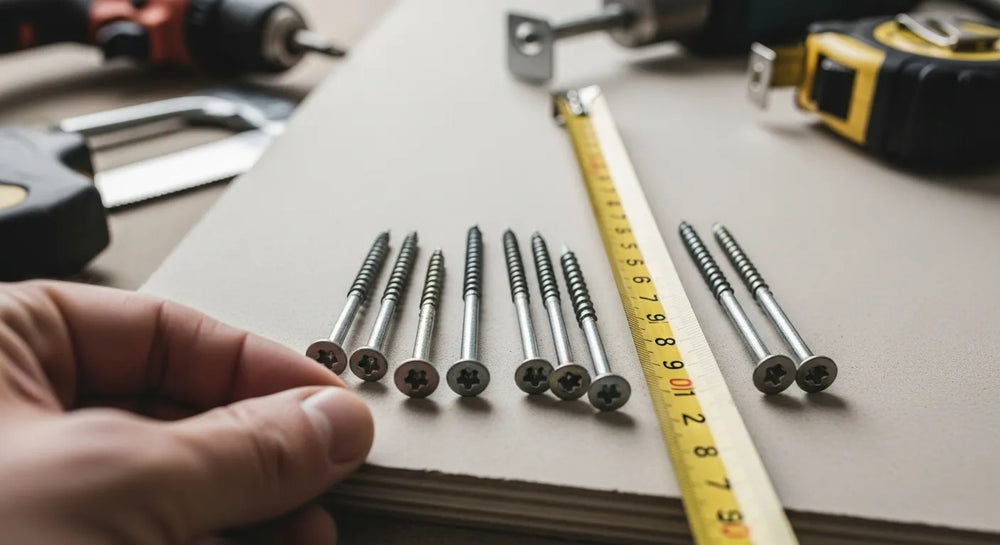
Secure Your Investment: How to Anchor a Shed to Concrete
Table of Contents
- Introduction
- Why Anchor a Shed to Concrete? The Pillars of Stability and Security
- Understanding Your Shed and Foundation: The First Steps to a Solid Plan
- Choosing the Right Anchoring Method: Precision for Performance
- Tools and Materials Required: Equipping for Success
- Step-by-Step Installation Guide: Anchoring an Existing Shed to Concrete
- Advanced Considerations for Robust Anchoring
- The Maden.co Advantage: Sourcing American-Made Anchoring Solutions
- Conclusion
- FAQ
The unexpected gust of wind that sends a gardener's tools scattering, or worse, shifts an entire storage shed off its foundation, is a scenario no property owner wants to experience. Beyond the immediate inconvenience and potential damage to property, an unanchored shed poses significant safety risks, especially in regions prone to high winds or seismic activity. Ensuring the long-term stability and security of your shed begins with a robust connection to its concrete foundation. This comprehensive guide will walk you through the essential steps, considerations, and available solutions for how to anchor a shed to concrete, highlighting how reliable, American-made components are fundamental to a lasting, secure installation. We’ll explore various anchoring methods, the tools required, and a detailed installation process, emphasizing the critical role of quality materials in safeguarding your assets.
Introduction
Imagine the peace of mind knowing that your valuable equipment, tools, or seasonal decorations stored in your shed are protected not just from the elements, but also from the forces of nature that can cause catastrophic structural failure. In the construction and industrial maintenance sectors, the integrity of every structure, no matter its size, hinges on the quality of its foundational connections. For procurement managers, MRO buyers, and business owners, selecting the right anchoring solutions is not merely about fastening; it's about mitigating risk, ensuring operational continuity, and upholding safety standards. This post aims to demystify the process of anchoring a shed to concrete, providing clear, actionable insights into achieving a secure, long-lasting installation. We will delve into the critical factors influencing anchor selection and installation, ultimately showcasing how sourcing high-quality, U.S.-manufactured components from trusted platforms like Maden.co is key to building resilience from the ground up.
Why Anchor a Shed to Concrete? The Pillars of Stability and Security
While a shed might seem like a simple structure, its stability is paramount. Neglecting to properly anchor it to its concrete foundation can lead to a host of problems, impacting everything from safety to insurance claims. Understanding the core reasons behind this necessity underscores the importance of choosing the right anchoring strategy and materials.
Safety First: Mitigating Wind Uplift and Seismic Risk
The most immediate and critical reason to anchor a shed is safety. High winds, common in many parts of the country, can generate significant uplift forces that literally try to pull a shed off its foundation. Even moderate winds, when funneled or sustained, can cause smaller structures to shift or overturn. The consequences range from damaged property and structural failure to severe injury or even fatalities if the shed becomes airborne. Similarly, in seismic zones, an unanchored shed can slide off its foundation during an earthquake, causing structural damage and potential collapse. Proper anchoring effectively transfers these forces into the stable concrete slab, preventing dangerous movement and ensuring the safety of personnel and property.
Longevity and Structural Integrity
An unanchored shed is constantly at the mercy of micro-movements caused by wind, ground shifts, and even everyday use. Over time, these subtle shifts can weaken the shed's frame, loosen fasteners, and compromise its overall structural integrity. This leads to premature wear and tear, wood rot where the shed meets the ground, and misaligned doors or windows that no longer seal properly. By firmly securing the shed to its concrete base, you create a unified, rigid structure that resists these movements, significantly extending the life of your shed and preserving its functional condition. This principle applies universally, from a backyard storage shed to larger industrial outbuildings; a stable foundation is key to enduring performance.
Regulatory Compliance and Insurance Requirements
Many local building codes and ordinances have specific requirements for anchoring auxiliary structures like sheds, especially if they exceed a certain size or are located in high-wind areas. Failing to comply can result in fines, mandates for costly retrofits, or even the forced removal of the structure. Furthermore, insurance providers may deny claims for damage to unanchored sheds, viewing them as preventable losses due to negligence. For procurement managers and business owners, ensuring compliance with these regulations is not just about avoiding penalties; it's about diligent risk management and protecting the organization's assets and reputation.
Enhanced Security
Beyond environmental forces, anchoring a shed significantly enhances its security against theft. A shed that is firmly bolted to its foundation is much more difficult for intruders to move or gain access to. While no security measure is foolproof, a well-anchored shed acts as a strong deterrent, adding a layer of protection to the valuable contents within. For industrial buyers, the security of remote storage facilities or equipment sheds is a constant concern, making robust anchoring a vital part of a comprehensive security strategy.
Understanding Your Shed and Foundation: The First Steps to a Solid Plan
Before selecting an anchoring method, a thorough assessment of both your shed and its foundation is critical. This initial evaluation will inform your choices regarding anchor types, placement, and the overall scope of your project.
Shed Type and Material
Sheds come in a variety of materials and designs, each presenting unique anchoring considerations:
- Wood Sheds: Typically built with a wooden base plate or sill that sits directly on the concrete. Anchors will pass through this wood frame into the concrete. The wood itself provides some flexibility but requires strong, corrosion-resistant anchors.
- Metal Sheds: Often feature a galvanized steel base rail. These sheds are generally lighter, making them more susceptible to wind uplift, and thus requiring robust anchoring. The anchoring method must securely fasten to this metal base without compromising its integrity.
- Resin/Plastic Sheds: Usually have a molded plastic base with pre-drilled holes or designated spots for anchoring. These are the lightest sheds and absolutely require anchoring to prevent them from becoming projectiles in high winds. The anchors used must be compatible with plastic, often involving larger washers to distribute pressure.
Consider the size and weight of your shed. A larger, heavier shed will still require anchoring to resist lateral forces and seismic activity, even if it feels stable. Smaller, lighter sheds, conversely, have a higher risk of uplift and demand meticulous anchoring.
Foundation Type and Condition
The concrete foundation itself plays a crucial role. Most sheds are placed on one of three types of concrete foundations:
- Concrete Slab: A monolithic pour of concrete, typically 4-6 inches thick, laid directly on prepared ground. This is the ideal foundation for anchoring, offering a solid, continuous base.
- Concrete Runners/Pads: Individual concrete blocks or strips that support the shed's skids. Anchoring to these requires careful planning to ensure each pad is substantial enough to hold an anchor and that the shed frame is adequately connected to all of them.
- Existing Concrete Patio: If you're repurposing a patio, assess its thickness and condition. Older, thinner, or cracked patios may not provide sufficient anchoring strength. It's imperative to ensure the patio is structurally sound before attempting to anchor a shed to it.
Before drilling, inspect the concrete for cracks, spalling, or areas of weakness. A compromised foundation will not provide reliable anchoring, regardless of the quality of the anchors used.
Choosing the Right Anchoring Method: Precision for Performance
Selecting the appropriate anchoring method is paramount for the long-term stability of your shed. The choice depends on a variety of factors, including the shed material, foundation type, environmental conditions, and specific load requirements. At Maden.co, we understand that precision in selection, particularly for critical components, directly translates to enhanced operational safety and resilience.
Overview of Anchor Types
There are several primary categories of concrete anchors, each with distinct advantages and applications:
- Mechanical Anchors: These anchors rely on friction or positive interlock within a pre-drilled hole in the concrete. They are highly versatile and widely used.
- Chemical Anchors: Involve injecting a resin or epoxy into a drilled hole, which then cures around a threaded rod or rebar to create an incredibly strong bond.
- J-Bolts/L-Bolts (Pre-pour Anchors): These are embedded directly into fresh concrete during the pouring process, with the threaded end protruding to secure the structure once the concrete cures. This method is ideal for new constructions.
Factors to Consider When Selecting an Anchor
- Load Requirements: What kind of forces will the anchors need to withstand? This includes uplift (wind), shear (lateral forces), and tension (pull-out). Larger sheds in high-wind zones will require anchors with higher load capacities.
- Environmental Conditions: Consider moisture, temperature fluctuations, and exposure to corrosive elements. Stainless steel or galvanized anchors are preferred for outdoor use to prevent rust and ensure longevity.
- Shed Material: The type of material the shed's base is made from (wood, metal, plastic) will influence the type of fasteners and potentially the anchor itself.
- Ease of Installation: Some anchors are simpler to install for DIY enthusiasts, while others may require specialized tools or expertise.
- Budget: Anchor costs vary, but prioritizing quality over upfront savings can prevent costly failures down the line.
- Regulatory Compliance: Always check local building codes for specific anchor requirements, especially regarding anchor size, spacing, and embedment depth.
Deep Dive into Mechanical Anchors
Mechanical anchors are the most common choice for anchoring existing sheds to concrete due to their versatility and relative ease of installation.
Wedge Anchors
- Description: A wedge anchor consists of a threaded stud, an expansion clip (wedge), and a nut and washer. As the nut is tightened, the wedge is pulled up, expanding the clip against the sides of the drilled hole, creating a secure grip.
- Pros: High load capacity, easy to install, available in various sizes and materials (zinc-plated, hot-dip galvanized, stainless steel). Excellent for heavy-duty applications.
- Cons: Can be challenging to remove without damaging the concrete. Requires precise drilling depth.
- Applications: Ideal for anchoring heavier wood or metal sheds where maximum holding power is needed.
Sleeve Anchors
- Description: A sleeve anchor has a pre-assembled body with a nut, washer, and a metal sleeve that expands as the nut is tightened, pressing against the concrete.
- Pros: Versatile for light to medium-duty applications, suitable for various base materials including concrete, block, and brick. Easier to install than wedge anchors in some scenarios.
- Cons: Not as strong as wedge anchors for heavy loads.
- Applications: Good for securing lighter sheds or when fastening to thinner concrete sections.
Drop-in Anchors
- Description: A female-threaded anchor that is "dropped" into a pre-drilled hole. A setting tool is then used to drive a plug into the anchor, expanding its base and locking it into the concrete. A bolt is subsequently threaded into the anchor to secure the shed.
- Pros: Flush mounting once installed (no protruding parts until the bolt is added), allowing for temporary removal of the shed if needed. Excellent for applications where a strong, internal thread is desired.
- Cons: Requires a specific setting tool for proper installation. Not suitable for very shallow concrete.
- Applications: Perfect for scenarios where you might need to detach the shed from its foundation occasionally or for a cleaner finish. For a highly reliable solution, consider the BN Products 3/8-inch Inside Thread Sanko Drop-In Concrete Anchor. Manufactured with American quality and precision, this anchor provides robust holding power and the flexibility of a removable bolt, making it an excellent choice for securing sheds to concrete with a clean, professional finish.
Chemical Anchors
- Description: Involves drilling a hole, cleaning it thoroughly, and then injecting a two-part epoxy or resin. A threaded rod is inserted into the wet chemical, which then cures, forming an incredibly strong, waterproof bond.
- Pros: Extremely high load capacity, excellent for cracked concrete, waterproof, creates a monolithic bond with the concrete, minimal stress on the concrete during installation.
- Cons: Longer cure times, requires careful mixing and application, more expensive than mechanical anchors.
- Applications: Best for heavy-duty sheds, high-wind zones, or when anchoring to less-than-perfect concrete.
J-Bolts/L-Bolts (Pre-Pour Anchors)
- Description: These are large, bent bolts (shaped like a "J" or "L") that are placed into the concrete formwork before the concrete is poured. The hooked end is embedded in the concrete, and the threaded end protrudes.
- Pros: Extremely strong, permanent, and ideal for new concrete foundations. Provides the highest level of security as the anchor is fully integrated into the concrete.
- Cons: Can only be installed during a new concrete pour. Not an option for existing slabs.
- Applications: The preferred method for permanent, heavy-duty structures where a new concrete foundation is being laid.
Tools and Materials Required: Equipping for Success
Having the right tools and materials is half the battle when undertaking an anchoring project. Using the correct equipment not only ensures a more efficient process but also guarantees a safer and more secure installation. Sourcing these industrial-grade tools and components from a reliable marketplace like Maden.co, where every product is American-made, ensures you start with quality.
Essential Tools:
- Hammer Drill: Absolutely indispensable for drilling into concrete. A standard drill will struggle and likely burn out. A hammer drill combines rotation with a hammering action, making quick work of concrete.
- Masonry Drill Bits: Specifically designed for concrete, these bits typically have a carbide tip. Ensure the bit diameter matches the specifications of your chosen anchors. It's wise to have a couple of spares on hand, as concrete can be tough on bits.
- Tape Measure and Marker/Pencil: For accurately marking anchor points on both the shed base and the concrete.
- Level: To ensure the shed is properly positioned before marking and drilling.
- Wrench/Socket Set: To tighten nuts on mechanical anchors or bolts into drop-in anchors.
- Vacuum Cleaner or Wire Brush: Critical for cleaning out drilled holes to ensure anchors seat properly and chemical anchors bond effectively.
- Caulking Gun and Weatherproof Sealant: For sealing around the anchor points to prevent water intrusion.
-
Safety Gear:
- Safety Glasses/Goggles: Non-negotiable to protect against concrete dust and flying debris.
- Work Gloves: To protect hands during drilling and handling materials.
- Ear Protection: Hammer drills are loud; earplugs or earmuffs are essential.
- Dust Mask/Respirator: To avoid inhaling concrete dust, which can be harmful.
Essential Materials:
- Selected Anchors: Based on your assessment and chosen method (wedge, sleeve, drop-in, chemical, or J-bolts for new pours). Ensure they are appropriate for outdoor use (galvanized or stainless steel).
- Bolts, Washers, and Nuts (if not included with anchors): Ensure compatibility with your anchors and shed base. Large fender washers can help distribute pressure on softer shed materials like plastic.
- Shed Brackets/Hardware (if needed): Some sheds may require additional metal brackets to connect the shed's frame to the anchors. These should be sturdy and corrosion-resistant.
- Wood Shims (optional): If your shed base isn't perfectly level against the concrete, shims can help fill small gaps before anchoring.
At Maden.co, our commitment to American Manufacturing Pride means we provide a vast catalog of industrial components, including all the high-quality anchors, fasteners, and tools you'll need for projects like this. From robust drilling accessories to corrosion-resistant bolts, our platform connects you with over 2.5 million American-made products from our network of 800+ verified U.S. manufacturers. This ensures that every component, down to the smallest washer, meets stringent quality standards, contributing to the overall durability and safety of your installation.
Step-by-Step Installation Guide: Anchoring an Existing Shed to Concrete
Anchoring an existing shed might seem daunting, but by following a clear, methodical process, you can achieve a secure and professional result. This guide focuses on mechanical anchors, the most common solution for existing structures.
Step 1: Preparation is Key
- Clear the Area: Remove any obstructions around the shed, ensuring you have ample space to work safely and comfortably.
- Inspect the Shed and Foundation: Double-check the shed's base frame for any rot or damage. Repair as needed before anchoring. Confirm the concrete slab is solid and free of major cracks.
- Gather All Tools and Materials: Lay out your hammer drill, masonry bits, selected anchors, fasteners, safety gear, measuring tape, and marker. Ensure your drill battery is charged if cordless.
Step 2: Marking Anchor Points
Accurate placement is crucial for even load distribution and maximum holding power.
- Position the Shed: Ensure the shed is exactly where you want it on the concrete slab. Use a level to confirm it’s sitting plumb and level.
- Determine Anchor Quantity and Spacing: A general rule of thumb is to place anchors at each corner of the shed, and then every 2-4 feet along each side, depending on the shed's size and local wind load requirements. For a standard 8x10 shed, 8-10 anchors (one in each corner, and one or two along each long side) is a good starting point.
- Mark Through the Shed Base: Using the shed's base frame or metal rail as a template, mark the precise drilling locations directly onto the concrete. If your shed doesn't have pre-drilled holes, you'll need to drill through the shed material first (using a standard wood or metal bit), then use that hole to mark the concrete.
Step 3: Drilling Pilot Holes
This is the most critical step for proper anchor seating.
- Select the Correct Drill Bit: The masonry drill bit diameter must precisely match the diameter of your chosen anchor. Check the anchor manufacturer's specifications.
- Set the Depth: Most hammer drills have a depth stop rod. Set this rod to ensure you drill to the recommended embedment depth for your anchor, plus about 1/4 inch to allow for dust accumulation. Deeper is not always better; too deep and the anchor may not expand correctly.
-
Drill the Holes:
- Don your safety glasses, ear protection, and dust mask.
- Hold the hammer drill firmly and perpendicular to the concrete surface.
- Begin drilling slowly to create an initial indentation, then increase speed and apply steady, firm pressure. Allow the hammer drill to do the work.
- Periodically pull the bit out of the hole to clear dust and cool the bit. Do not force the drill or twist it excessively.
- Repeat for all marked anchor points.
Step 4: Cleaning the Holes
A clean hole is vital for anchor performance, especially for mechanical and chemical anchors.
- Remove Dust: Use a vacuum cleaner with a narrow nozzle to thoroughly suction out all concrete dust and debris from each drilled hole. Alternatively, use a stiff wire brush and blow out the dust (while wearing your dust mask and safety glasses). Even a small amount of dust can compromise an anchor's holding power.
Step 5: Installing the Anchors
The method varies slightly depending on your chosen anchor type.
For Wedge or Sleeve Anchors:
- Align and Insert: Position the shed carefully over the drilled holes. Insert the anchor through the pre-drilled hole in the shed's base and into the concrete hole. Ensure the washer and nut are on the anchor.
- Drive and Tighten: Gently tap the anchor with a hammer until the washer is flush with the shed's base. Then, using your wrench or socket, tighten the nut. As you tighten, the anchor will expand and grip the concrete. Do not overtighten, as this can strip threads or crack the concrete.
For Drop-in Anchors:
- Insert Anchor: Once the holes are clean, insert the drop-in anchor flush with the concrete surface.
- Set the Anchor: Use the specific setting tool designed for your drop-in anchor. Place the tool into the anchor and strike it firmly with a hammer several times until the anchor's internal plug expands and it is securely set in the concrete. You will feel a solid resistance when it is properly set.
-
Secure the Shed: Position the shed over the now set drop-in anchors. Insert bolts with washers through the shed's base holes and thread them into the drop-in anchors. Tighten firmly.
- For a high-strength solution that offers precision and durability, the BN Products 3/8-inch Inside Thread Sanko Drop-In Concrete Anchor is an excellent choice. When you're securing a critical structure, knowing your components are U.S.-made brings an added layer of confidence.
Step 6: Sealing and Finishing
- Weatherproof: Apply a bead of weatherproof silicone caulk around the base of the shed where it meets the concrete, and also around any exposed anchor heads or nuts. This prevents water from seeping underneath the shed or into the drilled holes, which could lead to rot or corrosion.
- Final Check: Give the shed a gentle push or wiggle to confirm it feels rock-solid and securely anchored.
Advanced Considerations for Robust Anchoring
While basic anchoring methods are sufficient for many residential sheds, certain applications or environmental conditions demand a more robust, engineered approach. This is where expertise in industrial-grade anchoring solutions, available through platforms like Maden.co, becomes invaluable.
Wind Load Calculations and Local Building Codes
For larger sheds, workshops, or sheds located in high-wind regions (e.g., coastal areas, hurricane-prone zones), simply following general guidelines for anchor spacing might not be enough. Professional wind load calculations may be necessary to determine the precise uplift and shear forces your shed must withstand. These calculations will dictate the specific anchor type, size, embedment depth, and spacing required. Procurement managers and design engineers often consult local building codes which provide explicit requirements for structures based on their location and potential wind exposure. Adhering to these codes is not just a legal obligation but a fundamental aspect of structural engineering and long-term asset protection.
Seismic Zones: Special Considerations
In areas prone to earthquakes, anchoring solutions must account for not only uplift but also significant lateral (shear) forces. Specialized seismic anchors, designed to maintain integrity under dynamic loading, may be required. These often feature larger diameters, deeper embedment, and unique expansion mechanisms to resist shear stresses without failing. Consulting with structural engineers familiar with seismic design principles is crucial in these regions to ensure compliance and safety.
Material Compatibility and Corrosion Prevention
When different metals are in contact in the presence of an electrolyte (like moisture), galvanic corrosion can occur, accelerating the degradation of one of the metals. This is a critical consideration for outdoor anchoring. For instance, using galvanized steel anchors with aluminum shed bases might accelerate corrosion of the aluminum. Always aim for anchors and fasteners made from compatible materials (e.g., stainless steel with stainless steel, or properly isolated components). Hot-dip galvanized anchors offer superior corrosion resistance for general outdoor use, while stainless steel is preferred in highly corrosive environments. This attention to detail extends the lifespan of both the anchors and the shed structure itself.
Shed-Specific Framing Attachments
Not all sheds have a simple wooden base plate. Metal sheds often have thin, rolled steel base rails, and plastic sheds have molded plastic bases. These materials may require specialized brackets, larger washers (to prevent pull-through), or specific fastener types to create a secure connection to the concrete anchor without damaging the shed material. For instance, a heavy-duty industrial shed might incorporate steel base plates that are then welded or bolted to the main frame, and these plates would then be anchored to the concrete using high-capacity solutions.
Using Specialized Anchoring Systems for Industrial Applications
For truly heavy-duty or custom industrial applications, standard shed anchors may not suffice. Consider scenarios involving:
- Manufacturing Facilities: Anchoring heavy machinery bases or structural steel frames requires anchors designed for extreme loads and vibrations.
- Modular Buildings: Connecting prefabricated sections to a concrete foundation demands precision and high-strength fasteners.
- Pre-engineered Metal Buildings: These often come with specific anchoring plans that integrate J-bolts or large expansion anchors.
In such complex scenarios, Maden.co offers access to a broad range of specialized industrial components. For instance, when dealing with structural concrete elements where robust shear connections are paramount, a product like the 1-Headed Concrete Anchor Shear Connector Chuck becomes essential. These are critical for transferring shear forces between concrete and steel, ensuring the structural integrity of larger assemblies. For comprehensive projects requiring multiple types of anchors and specialized setting tools, procuring a complete solution like the Concrete Anchor Shear Connector Chuck Set can streamline your capital-intensive projects. These advanced anchoring systems, manufactured in the U.S., exemplify the kind of industrial excellence and supply chain transparency we champion, providing reliability for the most demanding applications.
The Maden.co Advantage: Sourcing American-Made Anchoring Solutions
In an era where supply chain resilience and product quality are more critical than ever, the source of your components can make all the difference. At Maden.co, our mission is to democratize access to American manufacturing, connecting industrial buyers—procurement managers, MRO buyers, and design engineers—with a vast network of verified U.S. manufacturers. When you choose to source your anchoring solutions and other industrial components through us, you're not just making a purchase; you're making a strategic investment in quality, reliability, and the future of American industry.
Our platform showcases over 2.5 million American-made products from our network of 800+ verified U.S. manufacturers. This extensive catalog ensures that whether you're looking for a standard concrete anchor for a backyard shed or specialized shear connectors for a commercial construction project, you can find precisely what you need, manufactured to the highest standards right here in the U.S. "America's manufacturing revival is here," and we are proud to be its definitive platform.
Core Values in Every Transaction
Our operations are built upon a foundation of core values that directly benefit our customers:
- American Manufacturing Pride: Every product listed on Maden.co is a testament to the innovation, craftsmanship, and quality that defines American manufacturing. This pride is reflected in the durability and performance of the parts you receive.
- Digital Innovation: We leverage cutting-edge technology to create a seamless and efficient procurement experience. Our intuitive platform reduces procurement friction, making it easier and faster to find and acquire the exact components you need.
- Supply Chain Transparency: We connect you directly with verified U.S. manufacturers, ensuring clear provenance and an understanding of where your products come from. This transparency enhances trust and allows for better planning and risk management.
- Industrial Excellence: Our focus is on providing components that meet the rigorous demands of industrial applications. This means access to products that adhere to critical industry standards, ensuring compliance and superior performance.
- Customer Empowerment: We empower buyers by giving them unparalleled access to a diverse range of American-made products and tools, enabling informed decisions that improve their Total Cost of Ownership (TCO) and enhance operational efficiency.
Strategic Value Beyond the Product
Sourcing through Maden.co offers tangible business outcomes:
- Improved Total Cost of Ownership (TCO): By reducing lead times, minimizing shipping costs, and ensuring product longevity, U.S.-made components often yield a lower TCO over the product's lifecycle.
- Enhanced Supply Chain Resilience: Relying on domestic manufacturers significantly shortens supply chains, reducing vulnerabilities to geopolitical events, international shipping delays, and tariffs. This ensures greater predictability and continuity for your operations.
- Reduced Procurement Friction: Our platform is designed to simplify the sourcing process, from search to checkout. For a procurement manager under pressure to source a specific anchor, a design engineer needing specific material certifications, or an MRO buyer facing an unexpected equipment breakdown, the ability to quickly find and finance a verified, U.S.-made part is a game-changer.
- Partnering with Verified U.S. Manufacturers: You gain direct access to a network of manufacturers committed to quality and reliability, fostering beneficial long-term partnerships.
Strategic Financing for Your Projects
A key differentiator that sets Maden.co apart is our Instant Financing option. We understand that large-volume purchases or capital-intensive projects require flexible financial solutions. This feature is not merely a payment method; it's a strategic tool designed to help procurement managers and business owners manage cash flow effectively and make necessary investments without straining immediate capital. You can apply for Instant Financing at checkout to streamline your capital-intensive projects, ensuring that the acquisition of critical components doesn't cause unnecessary delays or financial hurdles.
Join the American Manufacturing Revival
Whether you're anchoring a shed, building an industrial facility, or maintaining a fleet of machinery, Maden.co is your strategic partner for a more reliable and efficient procurement process. Our entire business model is built on this principle; you can learn more about our mission to champion American manufacturing here: About Us.
Are you a qualified U.S. manufacturer looking to expand your reach? Register as a vendor and join the American manufacturing revival by reaching a wider network of industrial buyers: Vendor Registration. If you have specific sourcing questions or need assistance finding the perfect anchoring solution for your unique project, our team is ready to help; simply visit our Contact Us page.
Conclusion
Properly anchoring a shed to concrete is far more than a weekend DIY task; it's a critical investment in safety, longevity, and structural integrity. From safeguarding against powerful wind uplift to ensuring compliance with building codes and enhancing security, the decision to use reliable anchoring methods and high-quality components is paramount. We've explored the diverse range of anchoring options, from robust wedge anchors to versatile drop-in solutions, and detailed the step-by-step process for a secure installation. The emphasis on selecting the right tools and materials, particularly those proudly made in the U.S., underscores a commitment to enduring quality and peace of mind.
For procurement managers, MRO buyers, and business owners, the principles of securing a shed extend to every facet of industrial procurement: reliability, resilience, and strategic value. By leveraging platforms like Maden.co, you gain unparalleled access to a vast network of American manufacturers, ensuring that every component, including specialized anchoring systems, meets the highest standards of industrial excellence. Our commitment to Digital Innovation, Supply Chain Transparency, and Customer Empowerment means your sourcing process is efficient, reliable, and contributes directly to improving your Total Cost of Ownership.
Don't leave the stability of your structures to chance. Explore the comprehensive catalog of U.S.-made anchoring solutions and industrial components available on Maden.co today. Whether you need the precision of a BN Products 3/8-inch Inside Thread Sanko Drop-In Concrete Anchor for a clean finish, or advanced systems like the 1-Headed Concrete Anchor Shear Connector Chuck and the Concrete Anchor Shear Connector Chuck Set for heavy-duty applications, we provide the quality you need. Take advantage of our Instant Financing option at checkout to manage your capital effectively and procure the best American-made products without delay. Build with confidence; build with Maden.co.
FAQ
Q1: How many anchors do I need for my shed?
A: The number of anchors required depends on several factors, including the size and weight of your shed, local wind load requirements, and the specific anchor type chosen. A general rule of thumb is to place anchors at each corner of the shed and then space additional anchors every 2-4 feet along each side. For example, a typical 8x10 shed might need 8-10 anchors. Always check your local building codes for specific guidelines, especially in high-wind or seismic zones.
Q2: Can I anchor a shed to asphalt?
A: It is generally not recommended to anchor a shed directly to asphalt. Asphalt is a flexible material that can shift, crack, and degrade over time, especially under concentrated loads or temperature fluctuations. It does not provide the rigid, stable base required for secure anchoring. While some light, temporary structures might use surface-level weights on asphalt, for any permanent shed, a concrete foundation is essential for proper anchoring and long-term stability.
Q3: What if my concrete slab isn't perfectly level?
A: A perfectly level concrete slab is ideal, but minor imperfections can often be addressed. For small gaps (up to about 1/4 inch), you can use non-shrinking shims (made of treated wood or plastic) placed between the shed base and the concrete at the anchor points. For larger inconsistencies, you may need to apply a self-leveling concrete compound before placing the shed or consult with a professional to assess if the slab needs repair or replacement. Attempting to anchor a shed to a significantly uneven slab can put undue stress on the shed's frame and the anchors themselves.
Q4: How do I choose the right size anchor?
A: Choosing the right anchor size involves considering the shed's weight and dimensions, the expected wind or seismic loads, and the thickness of your concrete foundation. Anchor manufacturers provide specifications that include recommended drill bit size, embedment depth, and load capacities (tensile and shear strength). For mechanical anchors, a larger diameter and deeper embedment generally provide greater holding power. Always consult the anchor manufacturer's guidelines for your specific product and cross-reference with any local building code requirements to ensure you select an appropriately sized anchor for your project's demands.


