
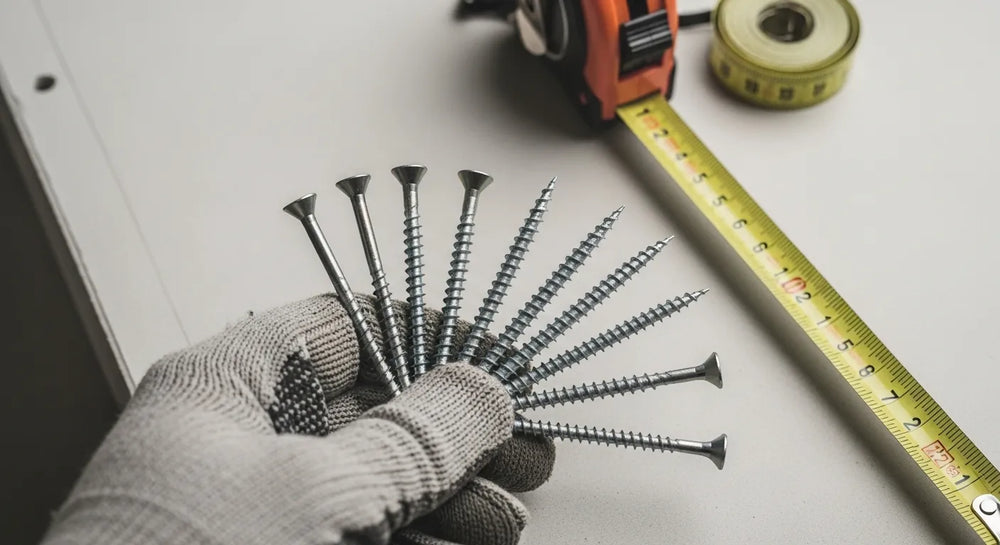
Secure Your Sanctuary: How to Anchor a Pergola to Concrete for Lasting Stability
Table of Contents
- Introduction
- The Critical Importance of Pergola Anchoring
- Types of Pergolas and Concrete Foundations
- Choosing the Right Anchoring Method
- Key Considerations for Anchor Selection
- Step-by-Step Guide: How to Anchor a Pergola to Existing Concrete
- Best Practices for Long-Term Durability and Performance
- The Maden.co Advantage in Sourcing Anchoring Solutions
- Conclusion
- FAQ
Imagine the frustration of a beautifully designed outdoor space compromised by a structural failure, perhaps a pergola swaying precariously in high winds, or worse, succumbing to an unexpected gust. For procurement managers, MRO buyers, and design engineers, such an event isn't just a minor inconvenience; it represents a significant project setback, potential safety hazards, and a direct hit to the bottom line through rework, repairs, and liability concerns. The longevity and safety of any outdoor structure, particularly a pergola, hinge critically on its foundation and, more specifically, how it is anchored to the ground. This isn't merely about attaching a structure; it's about ensuring its resilience against the forces of nature, protecting your investment, and upholding the integrity of your design.
In the realm of industrial procurement and construction, precision and reliability are paramount. While a pergola might seem like a relatively simple structure, the principles of robust anchoring are universal, applying to everything from heavy machinery installations to critical infrastructure. This comprehensive guide will delve into the essential methods, materials, and best practices for anchoring a pergola securely to concrete, ensuring it stands firm for years to come. We will explore various anchor types, detail the installation process, and highlight why choosing high-quality, American-made components, readily available on platforms like Maden.co, is a strategic decision that contributes to the overall safety, durability, and cost-effectiveness of your projects. Our mission at Maden.co is to democratize access to American manufacturing, connecting industrial buyers like you with the superior quality components needed to build with confidence.
Introduction
Project instability, whether in a sprawling industrial complex or a commercial outdoor space, can lead to costly delays, safety risks, and diminished operational efficiency. The seemingly straightforward task of anchoring a pergola to a concrete slab carries significant implications for its structural integrity and longevity. Without proper anchoring, a pergola becomes vulnerable to environmental stressors like high winds, seismic activity, and even casual impacts, transforming a planned oasis into a potential liability. This guide aims to provide a definitive resource for procurement professionals, MRO specialists, and design engineers on the critical aspects of securely attaching pergolas to concrete foundations. We will dissect the "why" and "how" of robust anchoring, emphasizing the selection of appropriate materials, adherence to best practices, and the strategic advantage of sourcing reliable, U.S.-made components. Our core message is clear: meticulous planning and the use of quality fasteners are non-negotiable for project success, reinforcing the value of American manufacturing pride and industrial excellence in every construction endeavor.
The Critical Importance of Pergola Anchoring
The decision to anchor a pergola is not merely an aesthetic choice; it is a fundamental engineering requirement driven by safety, structural integrity, and long-term investment protection. A pergola, while often open and airy, presents a significant surface area to wind. Without adequate anchoring, it can act like a sail, generating considerable uplift forces that can tear it from its foundation, causing property damage, injury, or even loss of life. Beyond wind uplift, proper anchoring ensures the structure remains plumb and stable, preventing racking or shifting over time due to ground movement, thermal expansion, or general wear and tear.
Understanding the Forces at Play
- Wind Uplift: This is the most significant force acting on pergolas. Strong winds can create an upward pressure differential, attempting to lift the entire structure. The larger the pergola, the greater the potential uplift. Building codes often specify minimum uplift resistance for outdoor structures.
- Lateral Shear: Winds or seismic events can also exert horizontal forces, trying to push the pergola sideways. Anchors must resist these shear forces to prevent the structure from sliding or collapsing.
- Dead Load: While often minimal for open pergolas, the weight of the structure itself (dead load) helps stabilize it. However, anchors are still necessary to counteract uplift.
- Live Load: Any additional weight, such as snow, climbing plants, lighting fixtures, or even people leaning on the structure, adds to the live load and reinforces the need for a strong foundation.
For a procurement manager, understanding these forces translates directly into specifying anchors with appropriate tensile and shear strengths. For a design engineer, it means integrating these requirements into the structural design. And for an MRO buyer, it means sourcing replacement anchors that meet or exceed original specifications, preventing recurring issues. The cost of preventing failure through proper anchoring and quality components is invariably lower than the cost of rectifying a catastrophic collapse.
Types of Pergolas and Concrete Foundations
Pergolas come in various designs, from minimalist modern structures to intricate traditional ones, utilizing materials like wood, vinyl, aluminum, or steel. Each material has different weight characteristics and attachment points, influencing anchor selection. Similarly, concrete foundations vary, impacting the anchoring strategy.
Common Pergola Types
- Freestanding Pergolas: These are independent structures, requiring anchors at each post base. They are most susceptible to wind uplift and lateral forces.
- Attached Pergolas: These structures connect to an existing building on one side, typically reducing the number of anchor points required on the ground but introducing structural considerations for the building connection. Our focus will remain on the ground-level concrete anchoring.
- Pergolas with Roofs/Covers: While many pergolas have open tops, some incorporate retractable canopies or solid roofs, significantly increasing wind load and demanding even more robust anchoring.
Concrete Foundation Characteristics
The type and condition of your concrete foundation are crucial factors.
- Existing Concrete Slab: Most commonly, pergolas are anchored to pre-existing concrete patios, driveways, or footings. The age, thickness, and condition of this concrete directly affect which anchors can be used and their holding capacity. Older, thinner, or cracked concrete may require different solutions or even repairs before anchoring.
- New Concrete Pour: If a new concrete foundation is being laid specifically for the pergola, embedment anchors can be installed directly into the wet concrete, offering potentially superior holding power. While less common for DIY pergola installations, this is a standard practice in industrial construction for maximum stability.
Understanding these variations allows for an informed decision-making process, ensuring that the chosen anchoring method aligns perfectly with both the pergola's design and the foundation's capabilities.
Choosing the Right Anchoring Method
Selecting the appropriate anchoring method is critical for ensuring the long-term stability and safety of your pergola. This decision depends on several factors, including the type of pergola, the condition of the concrete, local building codes, and the anticipated environmental stressors.
Surface Mount Anchors (Post Base Brackets)
This is the most common method for existing concrete slabs. Post base brackets are metal connectors that secure the bottom of the pergola posts to the concrete. They elevate the wood posts slightly off the concrete, preventing moisture-related rot.
- Advantages: Relatively easy to install, protects wood from moisture, allows for post replacement without disturbing the concrete.
- Disadvantages: Visible hardware, may require periodic maintenance.
- Ideal for: Most freestanding and attached pergolas on existing concrete.
Direct Post-to-Concrete Connection (with specialized hardware)
Less common for wood posts due to rot concerns, but applicable for metal or composite posts. Specialized hardware might involve drilling into the post and using through-bolts into the concrete if the post itself can resist moisture and decay.
Embedment Anchors
These anchors are installed directly into wet concrete during a new pour. They offer excellent holding power as they become an integral part of the concrete structure.
- Advantages: Superior strength and concealment, highly resistant to pull-out.
- Disadvantages: Requires a new concrete pour, not suitable for existing slabs.
- Ideal for: Heavy-duty pergolas, commercial installations, or when a new concrete foundation is being installed.
For existing concrete, which is the most frequent scenario for our customers, the focus is heavily on various types of mechanical and adhesive anchors designed for drilled holes.
Key Considerations for Anchor Selection
When a design engineer specifies anchors, or a procurement manager sources them, several critical factors must be evaluated to ensure project success and compliance.
1. Material Selection
The material of the anchor is paramount for durability, especially in outdoor environments.
- Galvanized Steel: Offers good corrosion resistance for most outdoor applications. Hot-dip galvanization provides a thicker protective coating.
- Stainless Steel: Provides superior corrosion resistance, ideal for coastal areas, high-moisture environments, or situations where aesthetic appeal and minimal maintenance are critical. Stainless steel is often a higher upfront cost but offers a lower Total Cost of Ownership (TCO) over the long term by reducing replacement needs.
- Zinc-Plated Steel: Suitable for interior or very dry environments but generally not recommended for direct outdoor exposure due to limited corrosion resistance.
2. Load Requirements (Tensile and Shear Strength)
Understanding the anticipated forces is crucial.
- Tensile Strength (Pull-out Strength): The anchor's resistance to being pulled directly out of the concrete. This is critical for wind uplift.
- Shear Strength: The anchor's resistance to forces pushing it sideways, important for lateral stability.
- These values are often provided by anchor manufacturers and should meet or exceed the calculated design loads for the pergola, considering worst-case wind scenarios in your region. For a procurement manager under pressure to source a specific component with certified performance, or a design engineer needing specific material certifications for a new prototype, the ability to quickly find and finance a verified, U.S.-made part is a game-changer. At Maden.co, we simplify this process, offering access to high-quality industrial components that meet stringent performance standards.
3. Concrete Condition
The strength, thickness, and age of the concrete slab significantly impact an anchor's performance.
- Concrete Compressive Strength: Stronger concrete (e.g., 4000 psi) will generally provide better holding power than weaker concrete (e.g., 2000 psi).
- Slab Thickness: Anchors typically require a minimum embedment depth and a certain distance from the edge of the concrete to achieve their rated strength. Drilling too close to an edge or into too thin a slab can cause spalling or cracking, compromising the anchor's effectiveness.
- Cracks/Damage: Never anchor into cracked, spalling, or otherwise compromised concrete. Repairs or alternative anchoring locations may be necessary.
4. Local Building Codes and Regulations
Compliance is non-negotiable. Local building codes, often based on international standards like IBC (International Building Code) or IRC (International Residential Code), will specify requirements for outdoor structures, including wind load resistance, anchor types, embedment depths, and spacing. Consulting these codes ensures your project meets safety and structural standards, avoiding costly revisions or potential legal issues down the line. We pride ourselves on offering products that adhere to critical industry standards, ensuring compliance and peace of mind for our customers.
Step-by-Step Guide: How to Anchor a Pergola to Existing Concrete
Anchoring a pergola to an existing concrete slab is a precise process that requires careful planning and execution. This section provides a detailed, practical guide, emphasizing the use of high-quality components for optimal results.
1. Planning and Layout
- Positioning: Carefully position your pergola posts or brackets on the concrete slab according to your design plans. Ensure they are plumb, level, and correctly spaced.
- Marking: Once satisfied with the placement, use a pencil or marker to precisely mark the locations for the anchor holes through the pre-drilled holes in your post base brackets. Double-check all measurements before proceeding.
2. Gathering Your Tools and Materials
A successful anchoring job relies on having the right equipment and components.
- Rotary Hammer Drill: Essential for drilling clean holes into concrete. A standard hammer drill may suffice for lighter applications, but a rotary hammer is more efficient and effective.
- Carbide-Tipped Masonry Drill Bits: Select bits with the correct diameter for your chosen anchors. Ensure they are sharp and in good condition.
- Anchors: Choose the appropriate type (e.g., wedge, sleeve, or drop-in) and material (galvanized or stainless steel) based on your load requirements and environment. We will delve into specific types below.
- Post Base Brackets: If using.
- Cleaning Tools: Wire brush, shop vacuum, or compressed air for clearing dust from drilled holes.
- Wrench/Socket Set: To tighten anchor nuts.
- Safety Gear: Eye protection, hearing protection, work gloves, dust mask.
- Measuring Tape, Level, Square.
3. Drilling the Holes
Accuracy here is paramount.
- Choose the Correct Bit: The drill bit diameter must precisely match the anchor's specified diameter.
- Set Drill Depth: Many anchors require a specific embedment depth for optimal performance. Use a depth stop on your drill or mark the bit with tape to ensure consistent depth. Drill slightly deeper than the anchor's required embedment to allow for dust accumulation.
- Drill Straight: Hold the drill perfectly perpendicular to the concrete surface to ensure the anchor sits flush and provides maximum holding power.
- Clean the Holes: This is a crucial, often overlooked step. After drilling, use a wire brush, shop vacuum, or compressed air to thoroughly remove all concrete dust and debris from the hole. Residual dust can significantly reduce an anchor's holding capacity.
4. Inserting and Securing the Anchors
This step varies depending on the anchor type.
a) Wedge Anchors
- Mechanism: These work by expanding a clip at the base of the anchor as the nut is tightened, wedging it firmly against the concrete.
-
Installation:
- Drill the hole to the specified diameter and depth.
- Clean the hole thoroughly.
- Insert the wedge anchor through the pre-drilled hole in your post base bracket and into the concrete.
- Hand-tighten the nut until snug.
- Use a wrench to tighten the nut to the manufacturer's recommended torque. This pulls the anchor stud upwards, expanding the wedge clip and securing the anchor.
b) Sleeve Anchors
- Mechanism: Similar to wedge anchors, but they expand a sleeve against the sides of the drilled hole when tightened. Often used for lighter to medium loads.
-
Installation:
- Drill and clean the hole as specified.
- Insert the sleeve anchor, ensuring the washer and nut are in place.
- Tighten the nut. The tightening action pulls the tapered end of the anchor into the sleeve, causing it to expand and grip the concrete.
c) Drop-In Anchors
- Mechanism: These are internally threaded anchors that are flush-mounted. A setting tool is used to expand the anchor within the concrete after it's been inserted. They create a strong, female thread for machine screws or threaded rods.
-
Installation:
- Drill the hole to the specified diameter and depth.
- Thoroughly clean the hole.
- Insert the drop-in anchor into the hole until it is flush with the concrete surface.
- Insert the proper setting tool into the anchor and strike it with a hammer until the shoulder of the setting tool makes full contact with the anchor. This action expands the anchor within the concrete.
- Once set, you can thread a machine screw or threaded rod into the anchor to secure your post base or other components. For a robust and reliable option, consider the BN Products 3/8 Inch Inside Thread Sanko Drop-In Concrete Anchor available through Maden.co, which provides excellent flush mounting and strong internal threading capabilities.
d) Adhesive Anchors (Epoxy/Chemical Anchors)
- Mechanism: A chemical adhesive (epoxy or resin) is injected into the cleaned hole, and a threaded rod or rebar is then inserted. The adhesive cures, creating an extremely strong bond between the rod and the concrete.
- Advantages: Exceptional strength, works well in weaker concrete or close to edges where mechanical anchors might cause spalling.
- Disadvantages: Longer curing time, more complex installation, temperature-sensitive.
-
Installation:
- Drill the hole, often slightly larger than for mechanical anchors, and meticulously clean it (brushing and blowing out dust multiple times is critical).
- Inject the adhesive resin into the hole, starting from the bottom, filling it to the recommended level.
- Insert the threaded rod or rebar with a twisting motion to ensure full encapsulation in the adhesive.
- Allow the adhesive to cure fully according to manufacturer instructions before applying any load.
5. Securing the Pergola Posts/Brackets
Once the anchors are installed, you can attach the post base brackets to the anchors using appropriate nuts and washers. If your posts are already attached to the brackets, you'll install the entire assembly simultaneously. Ensure all nuts are tightened to the manufacturer's specified torque.
6. Final Checks
- Stability: Gently test the pergola posts for any movement. They should feel absolutely rigid.
- Level and Plumb: Reconfirm that all posts are perfectly level and plumb.
- Clean-up: Remove any debris or excess materials from the work area.
By following these detailed steps, you ensure that your pergola is not just attached, but truly anchored, to its concrete foundation, providing a safe and enduring outdoor structure. For critical structural connections, such as those that might involve shear forces in more complex or heavy-duty installations, specialized tools like the 1-Headed Concrete Anchor Shear Connector Chuck and the comprehensive Concrete Anchor Shear Connector Chuck Set are invaluable. These tools ensure that headed concrete anchors are properly installed for maximum integrity, an essential consideration for design engineers seeking optimal structural performance and MRO buyers requiring precise installation equipment.
Best Practices for Long-Term Durability and Performance
Beyond the initial installation, ensuring the long-term durability of your pergola's anchoring system requires adherence to several best practices. These contribute significantly to the overall Total Cost of Ownership (TCO) by minimizing future maintenance and replacement needs.
Corrosion Resistance is Key
Even stainless steel can suffer from crevice corrosion if not properly selected for the environment. For galvanized steel, periodic inspection for rust and touch-up with cold galvanizing compound can extend its life. In marine environments or areas with high industrial pollution, specifying marine-grade stainless steel (e.g., 316-grade) for anchors and fasteners might be a necessary investment, even if the initial cost is higher.
Regular Inspections
Establishing a routine inspection schedule is critical. For procurement managers overseeing facility maintenance or MRO buyers, this means integrating anchor inspection into regular preventative maintenance protocols.
- Visual Checks: Look for loose nuts, corrosion, cracks in the concrete around anchors, or any signs of movement in the pergola posts.
- Tightness Checks: Periodically check the torque on anchor nuts. Over time, slight concrete settlement or material expansion/contraction can cause nuts to loosen. Re-tighten as needed, but avoid over-torquing, which can strip threads or damage the concrete.
Proper Drainage Around Bases
Preventing water accumulation around post bases is crucial, especially for wood pergolas. Even with post base brackets that elevate the wood, standing water can wick up into the wood or accelerate corrosion of the bracket and anchors. Ensure that the concrete slab has adequate drainage, sloping away from the pergola posts. Installing gravel beds or proper landscaping around the bases can further mitigate moisture issues.
Adherence to Industry Standards
Sourcing anchors and fasteners that meet recognized industry standards (such as ASTM, DIN, or NPT) ensures a baseline level of quality and performance. These standards cover material composition, manufacturing processes, and testing protocols. For design engineers, specifying compliant components guarantees that the installed system will perform as intended. At Maden.co, our commitment to industrial excellence means we prioritize products from verified U.S. manufacturers who adhere to these critical standards, ensuring that what you procure meets the highest benchmarks for quality and reliability.
Understanding Fatigue and Environmental Stressors
Repeated wind loading, temperature fluctuations, and exposure to UV radiation can all contribute to material fatigue over extended periods. While robust anchoring mitigates immediate risks, recognizing these long-term stressors informs material choices and maintenance schedules. For instance, in areas prone to extreme temperature swings, materials with excellent thermal expansion properties or flexible anchoring solutions might be considered.
The Maden.co Advantage in Sourcing Anchoring Solutions
In the complex landscape of industrial procurement, finding reliable, high-quality components efficiently can often be a significant challenge. This is where Maden.co stands as a strategic partner, transforming the way businesses access essential American-made products. For procurement managers, MRO buyers, and design engineers, our platform offers not just products, but a pathway to enhanced supply chain resilience, transparency, and operational efficiency.
Our core mission is to democratize access to American manufacturing. We achieve this by connecting industrial buyers with an extensive catalog of over 2.5 million American-made products sourced from our network of over 800+ verified U.S. manufacturers. This vast selection includes everything from standard fasteners like hex cap screws to specialized concrete anchors and precision tools necessary for projects like anchoring a pergola to concrete, ensuring that you can find the exact components you need, all proudly made in the USA.
Unparalleled Access to American Manufacturing
When sourcing critical components, the origin matters. Our commitment to American Manufacturing Pride means that every product on our platform supports domestic industries, contributes to local economies, and ensures adherence to stringent U.S. quality control standards. This translates to greater reliability, consistency, and often, shorter lead times compared to global alternatives. Our vision is to become the definitive platform that proves American-made components are as accessible and convenient as any global alternative, driving the manufacturing revival with our tagline: "America's manufacturing revival is here."
Enhanced Supply Chain Resilience and Transparency
In an era of unpredictable global supply chains, the ability to source locally from a transparent network of suppliers is invaluable. Maden.co offers unparalleled Supply Chain Transparency, allowing you to trace the origin of your products and build more resilient procurement strategies. By reducing reliance on distant, complex supply routes, we help mitigate risks associated with geopolitical events, shipping delays, and fluctuating international trade policies.
Reducing Procurement Friction and Improving TCO
For busy procurement teams, the time spent identifying, vetting, and purchasing components can be substantial. Our platform is built on Digital Innovation, streamlining the procurement process through an intuitive interface and powerful search capabilities. This reduces procurement friction, allowing buyers to quickly locate the exact specifications they need, compare options, and make informed decisions. By facilitating access to high-quality, durable American-made products, we also help improve your Total Cost of Ownership (TCO). While the initial price point might sometimes differ from lower-quality foreign alternatives, the long-term savings from reduced maintenance, fewer replacements, and avoidance of project delays translate into significant overall value.
Customer Empowerment and Strategic Financing
We believe in Customer Empowerment, providing you with the tools and information necessary to make the best sourcing decisions for your business. Beyond our extensive product catalog, we offer strategic financial solutions designed to support your large-scale projects and operational needs. For capital-intensive projects, procurement managers and business owners can benefit significantly from our Instant Financing option. This feature, available directly at checkout, allows you to manage cash flow effectively and make larger-volume purchases without immediate upfront capital. It’s a powerful tool that transforms procurement from a transactional cost center into a strategic lever for growth and efficiency. You can apply for Instant Financing at checkout to streamline your capital-intensive projects, ensuring that vital initiatives are never delayed by financing hurdles.
Partnership with Verified U.S. Manufacturers
Every manufacturer in the Maden.co network is verified, upholding our standard of Industrial Excellence. This rigorous vetting process ensures that you are partnering with reputable suppliers who consistently deliver quality. This commitment extends to the full range of products, from general industrial supplies to specialized components like concrete anchors.
Are you a qualified U.S. manufacturer looking to expand your reach and contribute to America's manufacturing revival? Register as a vendor and join our growing network, connecting with industrial buyers across the nation.
For general information about our mission, vision, and how we are championing American manufacturing, we invite you to learn more about us. If you have specific sourcing questions or require assistance finding a particular anchor or tool for your project, our team of experts is ready to help. Feel free to contact us directly for personalized support. We are committed to being your definitive partner for all your industrial supply needs, from the initial search on our homepage to the final delivery.
Conclusion
Anchoring a pergola to concrete is far more than a simple DIY task; it is a critical structural undertaking that directly impacts safety, longevity, and the financial integrity of a project. For procurement managers, MRO buyers, and design engineers, a thorough understanding of anchoring principles, meticulous planning, and the selection of high-quality components are indispensable. By prioritizing factors such as anchor type, material suitability, concrete condition, and adherence to building codes, you ensure that your pergola, and indeed any structure, stands resilient against environmental challenges.
The long-term success of such projects hinges on making informed choices at every stage, particularly in sourcing. Maden.co is dedicated to empowering businesses like yours by providing unparalleled access to a vast network of verified U.S. manufacturers. Our platform ensures that you can reliably source American-made anchors, fasteners, and installation tools—including essential components like the BN Products 3/8 Inch Inside Thread Sanko Drop-In Concrete Anchor and specialized tools like the 1-Headed Concrete Anchor Shear Connector Chuck and the Concrete Anchor Shear Connector Chuck Set—that meet the highest standards of industrial excellence and supply chain transparency.
Don't compromise on the stability and safety of your outdoor structures. Equip your projects with the best of American manufacturing. We invite you to explore our comprehensive catalog on Maden.co today, where you'll find everything you need to build with confidence and precision. And for those substantial investments, remember that you can apply for Instant Financing at checkout to streamline your capital-intensive projects, ensuring that quality and strategic financing go hand-in-hand. Partner with us to secure not just your structures, but your project's success and your company's peace of mind.
FAQ
Q1: What is the most critical factor when anchoring a pergola to concrete?
A1: The most critical factor is ensuring the anchor system can withstand the anticipated wind uplift and lateral shear forces specific to your location. This involves selecting anchors with adequate tensile and shear strength, proper embedment depth, and matching the anchor type to the condition and thickness of your concrete slab. Adherence to local building codes for wind load requirements is also paramount.
Q2: Can I use any type of concrete anchor for a pergola?
A2: No, not all concrete anchors are suitable. The choice depends on the pergola's size, material, local wind conditions, and the existing concrete slab's condition. For example, wedge anchors and sleeve anchors are common for existing concrete, while drop-in anchors like the BN Products 3/8 Inch Inside Thread Sanko Drop-In Concrete Anchor offer flush mounting and excellent securement. Adhesive anchors provide superior strength in certain conditions. Always select anchors made from corrosion-resistant materials like galvanized or stainless steel for outdoor use.
Q3: How do I determine the correct size and depth for drilling holes in concrete for anchors?
A3: The correct drill bit diameter and depth are specified by the anchor manufacturer. Using the wrong size can significantly reduce the anchor's holding power or damage the concrete. Always refer to the anchor's technical specifications. Generally, the hole diameter should precisely match the anchor's diameter, and the depth should allow for the full embedment of the anchor plus a small clearance for dust. Specialized tools such as the Concrete Anchor Shear Connector Chuck Set ensure accurate installation for specific anchor types.
Q4: Why is it important to source American-made anchors and fasteners from Maden.co?
A4: Sourcing American-made anchors and fasteners through Maden.co offers several strategic advantages: superior quality control and adherence to U.S. industry standards, enhanced supply chain resilience, reduced lead times, and transparent sourcing. This commitment ensures greater reliability and durability for your projects, leading to a lower Total Cost of Ownership. Maden.co connects you directly with verified U.S. manufacturers, supporting American industry while providing access to high-performance components and convenient options like Instant Financing at checkout.


