
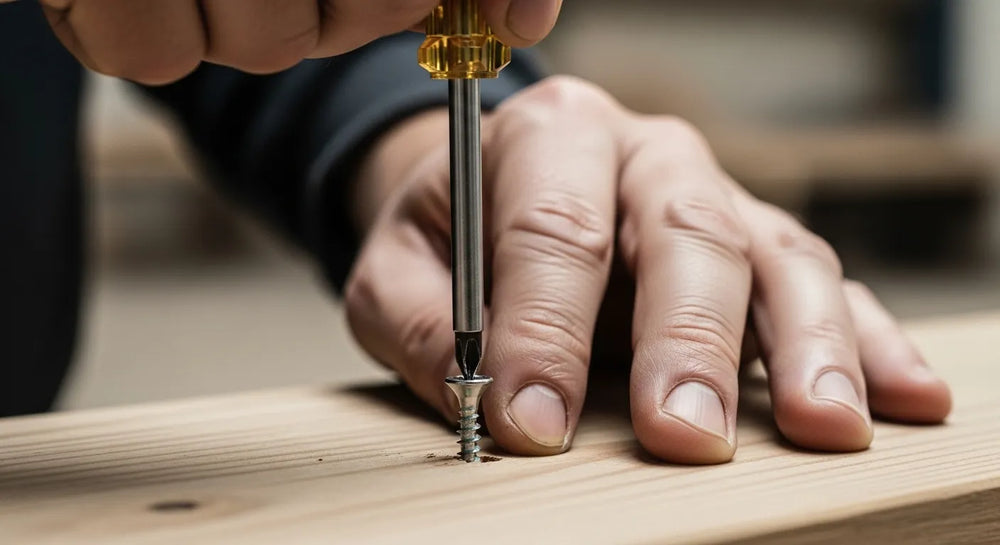
Anchor Your Pergola to Concrete: Expert Methods
Table of Contents
- Understanding the "Why": The Importance of Secure Pergola Anchoring
- Pre-Installation Checklist: Foundations for Success
- Choosing the Right Anchoring Method for Concrete
- Step-by-Step Installation Guides
- Integrating Pergola Bases and Brackets
- Sourcing American-Made Anchors and Fasteners for Your Project
- Beyond the Anchor: Maintaining Your Pergola's Stability
- Streamlining Procurement with Maden.co: Your Strategic Partner
- Conclusion
- FAQ
The integrity of any outdoor structure hinges on its foundation, and a pergola is no exception. While a pergola adds aesthetic appeal and functional shade to any commercial or residential outdoor space, its stability—especially against the forces of wind, seismic activity, and everyday wear—is paramount. Imagine a beautifully designed outdoor dining area for a restaurant, only for a sudden gust of wind to compromise its structural components because the anchoring was inadequate. This isn't just a matter of aesthetics; it's a critical safety concern, a liability, and a significant disruption to operations. Ensuring your pergola is securely anchored to a concrete slab is not merely a construction step; it's an investment in safety, longevity, and peace of mind.
This comprehensive guide delves into the essential methods, materials, and best practices for anchoring a pergola to concrete. We will explore the various types of anchors available, detail their installation processes, and emphasize the critical considerations that procurement managers, MRO buyers, and design engineers must factor into their projects. From understanding concrete assessment to selecting the right U.S.-made fasteners, our goal is to equip you with the knowledge to build a robust and enduring outdoor structure, leveraging the quality and reliability synonymous with American manufacturing.
Understanding the "Why": The Importance of Secure Pergola Anchoring
Before diving into the "how," it’s crucial to grasp the fundamental reasons behind the necessity of robust pergola anchoring. This isn't just about preventing your structure from shifting; it's about structural integrity, safety, and protecting your investment.
Safety First: Wind Uplift and Structural Integrity
Pergolas, by their open nature, are highly susceptible to wind uplift. Even in seemingly calm conditions, sudden gusts can create significant pressure differentials, attempting to lift the entire structure off its foundation. In regions prone to high winds or severe weather, this risk is amplified exponentially. An improperly anchored pergola can become a dangerous projectile, posing a serious threat to people and property. The structural integrity of the entire assembly—from the posts to the beams and rafters—relies on a secure connection to the ground. Without it, the entire system is compromised, leading to potential collapses, injuries, and substantial property damage. For facility managers and business owners, this translates directly into potential liability and operational downtime.
Longevity and Investment Protection
A pergola is a significant investment, whether for a commercial patio, a public park, or an industrial outdoor break area. Proper anchoring extends the lifespan of this investment by preventing premature wear and tear caused by constant movement, shifting, and stress on the materials. When a pergola is securely fixed, its components are less likely to experience fatigue, twisting, or racking, preserving the structural lumber, metal, or composite materials from accelerated degradation. This foresight in securing the structure upfront significantly reduces future maintenance costs and the need for costly repairs or replacements, optimizing the Total Cost of Ownership (TCO) over the structure's lifetime.
Compliance and Best Practices
Building codes and safety standards often dictate specific requirements for outdoor structures, especially concerning their anchorage and wind resistance. Adhering to these regulations is not optional; it’s a legal and ethical obligation. For design engineers and project managers, understanding and implementing these requirements from the outset avoids costly rework, fines, and legal challenges down the line. Beyond compliance, embracing best practices in anchoring reflects a commitment to quality and professionalism. It ensures that the structure meets or exceeds industry benchmarks for safety and durability, solidifying trust in the construction and the materials used. This commitment to industrial excellence is a core value we champion at Maden.co, where we understand that reliable components are the bedrock of reliable projects.
Pre-Installation Checklist: Foundations for Success
Successful pergola anchoring begins long before the first hole is drilled. A thorough pre-installation assessment and meticulous planning are crucial for ensuring the stability and longevity of your structure.
Assessing Your Concrete Slab: Thickness, Condition, and Age
The concrete slab serving as your pergola's foundation is perhaps the most critical component in the anchoring equation. Its condition directly impacts the effectiveness and safety of any fastening method.
- Thickness: For most pergola applications, a concrete slab should be at least 4 inches thick. Thinner slabs may not provide sufficient material for anchors to properly expand or achieve their rated pull-out strength. Anchors require a minimum embedment depth and edge distance to perform reliably. Insufficient thickness can lead to concrete spalling or cracking, compromising the anchor's hold.
- Condition: Inspect the concrete for cracks, spalling, or any signs of deterioration. Anchoring into damaged or weak concrete is like building on quicksand; the anchor will only be as strong as the material it's embedded in. Repairs to the concrete may be necessary before proceeding with anchoring. Look for signs of "honeycombing" (voids) or aggregate segregation, which indicate poor quality concrete.
- Age: Concrete typically takes 28 days to reach its full design strength. Anchoring into "green" or uncured concrete can result in significantly reduced holding power and potential damage to the slab. Always ensure the concrete is fully cured before attempting any anchoring. This is especially vital for chemical anchors, which rely on the concrete's full strength for optimal adhesion.
Material Selection: Pergola Type and Weight Considerations
The type of pergola you are installing—whether it's heavy timber, lightweight aluminum, vinyl, or steel—will influence the choice of anchoring method and the specific fasteners required.
- Weight: Heavier pergolas exert more dead load on the anchors, but also require greater resistance to wind uplift. Lighter structures might allow for simpler anchoring solutions, but their susceptibility to wind can be even greater due to lower mass.
- Post Material: The material of the pergola posts (e.g., wood, steel, composite) dictates the type of post base or bracket you'll use, which then dictates the anchors needed to secure that base to the concrete. For instance, a steel post might be welded directly to a base plate, requiring specific anchors, while a wooden post would utilize a post base with through-holes for bolts or screws.
- Environmental Factors: Consider the local climate. Areas with frequent high winds, heavy snow loads, or seismic activity will demand more robust anchoring solutions and potentially larger, stronger U.S.-made fasteners. Materials that resist corrosion, especially in coastal or humid environments, should be prioritized.
Tooling Up: Essential Equipment for Anchoring
Having the right tools is non-negotiable for a safe and efficient anchoring process.
- Rotary Hammer Drill: Essential for drilling clean, precise holes into concrete. A standard hammer drill might suffice for smaller, lighter anchors, but a rotary hammer drill provides superior power and efficiency for larger holes or tougher concrete.
- Appropriate Drill Bits: Carbide-tipped masonry bits are required, sized precisely for your chosen anchors. For chemical anchors, a specific brush and blow-out pump will be needed to clean the holes thoroughly.
- Setting Tools: Mechanical anchors like drop-ins or wedge anchors often require specialized setting tools to ensure proper expansion and embedment. For example, when working with robust solutions, having a reliable tool like this 1-Headed Concrete Anchor Shear Connector Chuck can be indispensable for proper installation. For projects requiring a complete set, you might consider this comprehensive Concrete Anchor Shear Connector Chuck Set to ensure you have all the necessary components for a secure installation.
- Measuring Tools: Tape measure, level, square, and marking tools for accurate placement.
- Safety Gear: Always wear safety glasses, hearing protection, gloves, and appropriate footwear. Dust masks are also recommended when drilling concrete.
Choosing the Right Anchoring Method for Concrete
Selecting the appropriate anchoring method is crucial for the long-term stability and safety of your pergola. The choice depends on several factors, including the pergola's size and weight, the concrete slab's condition, environmental exposure, and the desired level of permanence.
Surface Mount vs. Embedded Anchors
This is a fundamental distinction in anchoring strategies:
- Surface Mount: Most common for pergolas, where a post base or bracket is fastened directly to the top surface of the cured concrete slab using mechanical or chemical anchors. This method is generally easier to install and allows for easier future modifications or removal. It's suitable for most standard pergola applications.
- Embedded Anchors: Less common for typical pergolas, this involves setting anchors directly into wet concrete during the pouring phase or creating sleeves for posts to be cast in place. This provides an extremely strong connection but requires precise planning during concrete installation and makes future changes difficult. It's often used for very heavy-duty, permanent structures. For standard pergolas, surface mounting is usually sufficient and more practical.
Mechanical Anchors: The Workhorses of Concrete Fastening
Mechanical anchors work by creating friction or a positive interlock within a drilled hole in the concrete. They are versatile, reliable, and widely used for securing various structures.
Wedge Anchors: For Heavy-Duty & Permanent Fixtures
Wedge anchors are one of the strongest and most reliable types of mechanical anchors. They are ideal for heavy-duty applications where a permanent, high-strength connection is required.
- How they work: A wedge anchor consists of a threaded stud, an expansion clip (or "wedge"), a nut, and a washer. After drilling a hole, the anchor is hammered into place. As the nut is tightened, it pulls the stud upwards, forcing the expansion clip against the sidewalls of the concrete hole, creating a powerful wedging action.
- Pros: High shear and tensile strength, suitable for heavy loads, available in various diameters and lengths. Excellent for anchoring structural steel, heavy machinery, and, critically, heavy pergola bases that require maximum pull-out resistance.
- Cons: Requires precise drilling and cleanliness of the hole. Once expanded, they are difficult to remove without damaging the concrete. Not suitable for thin concrete slabs or close to edges due to potential for spalling.
- Application: Perfect for anchoring substantial steel pergola base plates or heavy-duty post bases. They ensure the robust connection needed to withstand significant wind loads.
Sleeve Anchors: Versatility for Medium Loads
Sleeve anchors offer good holding power and are very versatile, suitable for medium to heavy-duty applications where a simpler installation process is desired compared to wedge anchors.
- How they work: A sleeve anchor features a threaded stud, a nut, a washer, and a split expansion sleeve that surrounds the stud. When the nut is tightened, it pulls the cone-shaped end of the stud into the bottom of the sleeve, causing the sleeve to expand and grip the concrete.
- Pros: Good strength, easy to install, can be used in various base materials (concrete, block, brick). Available in multiple head styles (hex nut, flat head, acorn nut) for different aesthetic and functional requirements. More forgiving for slight variations in hole depth.
- Cons: Not as strong as wedge anchors for the heaviest loads. May not perform as well in cracked concrete.
- Application: Excellent for securing most standard pergola post bases made from wood or lighter gauge steel, offering a reliable and straightforward installation.
Drop-In Anchors: Flush Mounting for Machine Bolts
Drop-in anchors provide a flush, internally threaded socket in the concrete, allowing for the use of standard machine bolts. This method is particularly useful when the pergola posts might need to be removed or adjusted in the future, as the bolt can be easily threaded in and out.
- How they work: A drop-in anchor is a cylindrical expansion anchor with internal threads. It is inserted into a pre-drilled hole, and then a specialized setting tool (a specific type of punch) is used to drive an internal expander plug downwards. This action expands the bottom of the anchor against the concrete, creating a secure, flush-mounted, threaded receptacle.
- Pros: Flush installation means no protrusions above the concrete surface when the bolt is removed. Allows for easy attachment and detachment of components. Strong and reliable once properly set. Ideal for applications where you need to attach a bolt into concrete. For a procurement manager needing specific dimensions for a new installation, knowing where to source a reliable BN Products 3/8-inch Inside Thread Sanko Drop-In Concrete Anchor is invaluable for ensuring project compatibility and performance.
- Cons: Requires a specific setting tool for proper expansion. The hole must be drilled to a precise depth to ensure a flush finish.
- Application: Perfect for attaching pergola post bases that use machine bolts, offering flexibility for future disassembly or maintenance. They are a clean and professional choice for many commercial pergola installations.
Concrete Screws (Tapcons): Simplicity for Lighter Loads
Concrete screws, often referred to by the brand name Tapcon, are a relatively simple and efficient anchoring solution for lighter loads.
- How they work: These screws feature a unique thread design that taps its own threads into a pre-drilled pilot hole in concrete, brick, or block.
- Pros: Easy and quick to install, no expansion stress on the concrete (making them suitable for close-to-edge applications or slightly thinner slabs), can be removed and reused (though holding power may decrease).
- Cons: Not suitable for heavy-duty applications or high shear/tensile loads. Performance can be affected by concrete density and quality.
- Application: While not typically used as the primary anchor for a full pergola due to load requirements, they might be suitable for securing lighter decorative elements, small brackets, or temporary bracing for a pergola during construction.
Chemical Anchors: High Strength and Vibration Resistance
Chemical anchors, also known as adhesive or epoxy anchors, create an incredibly strong bond by chemically adhering a threaded rod or rebar into a drilled hole in the concrete.
- How they work: A two-part epoxy or resin mixture is injected into a clean, dry, pre-drilled hole. A threaded rod or rebar is then inserted into the adhesive. As the resin cures, it forms a bond that is often stronger than the concrete itself.
- Pros: Extremely high holding power, suitable for very heavy loads and dynamic loads (vibration resistance). No expansion stress on the concrete, making them ideal for close-to-edge applications, cracked concrete, or situations where spalling is a concern. Provide a waterproof seal around the anchor.
- Cons: Requires precise hole cleaning, specific mixing and dispensing equipment, and a curing time before load can be applied. Temperature-sensitive for curing. Can be more expensive per anchor than mechanical options.
- Application: The preferred choice for critical applications, very heavy pergolas, or in areas with high wind/seismic activity. They provide an unmatched level of security for the most demanding projects.
Step-by-Step Installation Guides
Proper installation is paramount to achieving the rated strength and safety of any anchor. Cutting corners here can lead to premature failure and significant safety risks.
Method 1: Using Mechanical Wedge Anchors
This method is robust and reliable, perfect for heavy-duty pergola applications.
- Marking and Drilling: Position your pergola post base on the concrete slab and mark the anchor hole locations through the base plate. Using a rotary hammer drill, drill holes to the specified diameter and depth for your wedge anchors. The drill bit diameter must precisely match the anchor's diameter. Ensure the holes are drilled perpendicular to the surface.
- Cleaning the Hole: This step is absolutely critical. Use a wire brush and a blow-out bulb or compressed air to thoroughly remove all dust and debris from the drilled holes. Residual dust significantly reduces the anchor's holding power.
- Inserting and Tightening: Insert the wedge anchor through the pre-drilled hole in your post base and into the concrete hole. Lightly tap it with a hammer until the washer and nut are flush with the base plate. Then, use a wrench to tighten the nut. As you tighten, the expansion clip at the bottom of the anchor will be pulled upwards, wedging itself securely against the concrete. Tighten to the manufacturer's recommended torque specifications. Over-tightening can damage the concrete; under-tightening will result in an insecure connection.
Method 2: Deploying Drop-In Anchors
Drop-in anchors offer a flush, internally threaded connection, ideal for projects requiring a clean finish or potential disassembly.
- Drilling for a Perfect Fit: Using a rotary hammer drill, bore holes to the precise diameter and depth specified by the drop-in anchor manufacturer. Accuracy is key here for a flush installation. Just like with wedge anchors, thoroughly clean the holes of all dust and debris.
- Setting the Anchor: Insert the drop-in anchor, threaded end up, into the cleaned hole. It should sit flush with the concrete surface. Now comes the critical part: use the specific setting tool designed for your drop-in anchor. Place the setting tool into the threaded opening of the anchor and strike it firmly with a hammer several times. This action drives the internal expander plug downwards, causing the anchor's sleeve to expand and grip the concrete. You will feel a solid resistance when it's properly set. For procurement managers and MRO buyers, having the right specialized tools like a 1-Headed Concrete Anchor Shear Connector Chuck or a complete Concrete Anchor Shear Connector Chuck Set available in your inventory is vital to ensure efficient and compliant installations. These tools are designed to facilitate the proper setting of anchors, which is critical for meeting specific load requirements and safety standards.
- Fastening the Pergola Post: Once the drop-in anchors are securely set, align your pergola post base over the anchors. Insert the appropriate machine bolts through the base plate and thread them into the drop-in anchors. Tighten the bolts to the manufacturer's specifications.
Method 3: Applying Chemical Anchors
Chemical anchors provide unparalleled strength and are often preferred for critical, heavy-load applications.
- Preparing the Hole: Cleanliness is Paramount: Drill the holes to the specified diameter and depth using a rotary hammer drill. This is perhaps the most crucial step for chemical anchors. The hole must be impeccably clean. Use a wire brush designed for anchor holes to scrub the interior, then use a blow-out bulb or compressed air to remove all dust. Repeat this brushing and blowing process at least two to four times until no dust is visible. Any residue will compromise the chemical bond.
- Mixing and Dispensing the Adhesive: Follow the manufacturer's instructions precisely for mixing the two-part epoxy or resin. Many chemical anchor cartridges come with a static mixing nozzle that ensures proper blending as the adhesive is dispensed. Dispense a small amount onto a scrap surface first to ensure proper mixing (the color should be uniform).
- Inserting the Rod/Anchor and Curing Time: Inject the mixed adhesive into the hole, starting from the bottom, filling it approximately two-thirds full. Immediately insert the clean threaded rod or rebar, twisting it as you push it to ensure full encapsulation and to eliminate air voids. Wipe away any excess adhesive that squeezes out. Allow the chemical anchor to cure fully according to the manufacturer's specifications (curing times vary based on temperature and product). Do not apply any load to the anchor until it has completely cured.
Integrating Pergola Bases and Brackets
The connection between your pergola posts and the concrete anchors is facilitated by post bases or brackets. These components are essential for elevating wood posts off the concrete (preventing rot) and providing the interface for mechanical or chemical fasteners.
Post Bases: Elevating and Protecting Wood Posts
For wooden pergolas, post bases are indispensable. They serve two primary functions:
- Protection against Moisture: Elevating the bottom of the wooden post off the concrete prevents it from wicking moisture, which can lead to rot and premature deterioration. This significantly extends the life of your pergola posts.
- Connection Point: They provide a metal bracket with pre-drilled holes, allowing you to easily bolt or screw the post to the base, and then fasten the base to the concrete using your chosen anchoring method.
Post bases come in various designs, including:
- Standard Standoff Bases: Lift the post 1 inch or more above the concrete.
- Adjustable Post Bases: Allow for slight leveling adjustments after installation.
- Concealed Post Bases: Designed to hide the hardware for a cleaner aesthetic.
When selecting post bases, ensure they are rated for the size and weight of your pergola posts and are made from corrosion-resistant materials (e.g., galvanized steel, stainless steel) suitable for outdoor exposure.
Standoff Bases: Enhanced Moisture Protection
Standoff bases are a specific type of post base that provides a greater elevation for the wooden post, typically 1 inch or more above the concrete surface. This increased clearance further minimizes contact with standing water and significantly improves airflow around the post's base, offering superior protection against moisture-related issues. For areas with heavy rainfall or where sprinklers might constantly wet the base, a standoff base is a wise investment, contributing to the longevity of the entire structure.
Connection Types: Bolts, Lag Screws, and Washers
- Bolts: Through-bolts (machine bolts) are commonly used to attach wooden posts to post bases, especially when the base has corresponding holes. They provide a strong, positive connection. Always use washers under the bolt head and nut to distribute the load and prevent crushing of the wood fibers.
- Lag Screws: Heavy-duty screws with a hexagonal head, lag screws are driven into wood (often with a pre-drilled pilot hole) to secure the post to the base. They offer a strong connection but are generally not as strong as through-bolts for shear or tension.
- Washers: Essential components that distribute the load from the nut or bolt head over a larger surface area, preventing damage to the wood or base material. Use flat washers and, where necessary, lock washers to prevent loosening under vibration.
Sourcing American-Made Anchors and Fasteners for Your Project
The success and longevity of your pergola project depend not only on proper installation techniques but also fundamentally on the quality of the materials you choose. At Maden.co, we believe in the unparalleled value of American manufacturing, offering a robust marketplace specifically designed to connect industrial buyers with the highest quality, U.S.-made components.
The Maden.co Advantage: Quality, Reliability, and Support
When you source your anchors, bolts, and post bases through Maden.co, you're tapping into a network built on a foundation of trust and industrial excellence. We understand that for a procurement manager under pressure to source a specific DIN-compliant hex cap screw, a design engineer needing specific material certifications for a new prototype, or an MRO buyer facing an unexpected equipment breakdown, the ability to quickly find and finance a verified, U.S.-made part is a game-changer. Our platform provides precisely that, offering over 2.5 million American-made products.
Our Mission: Democratizing Access to American Manufacturing
At Maden.co, our mission is to democratize access to American manufacturing. We achieve this by connecting industrial buyers with an extensive network of over 800+ verified U.S. manufacturers. We envision becoming the definitive platform that proves American-made components are as accessible and convenient as any global alternative, driving the manufacturing revival with our tagline: "America's manufacturing revival is here." This means you have direct access to the quality components you need, without the complex global supply chains or uncertainty. You can learn more about our mission to champion American manufacturing here.
Supply Chain Resilience and Transparency
In an increasingly unpredictable global market, supply chain resilience is no longer a luxury—it’s a necessity. Sourcing American-made fasteners through Maden.co significantly enhances your supply chain transparency and resilience. You benefit from shorter lead times, reduced shipping costs, clearer communication channels, and a complete understanding of where your components originate. This direct access to U.S. manufacturers mitigates risks associated with geopolitical instability, port congestion, and fluctuating international regulations, ensuring your projects stay on schedule and within budget. Our commitment to supply chain transparency means you know exactly what you're getting and where it comes from, fostering greater confidence in your procurement decisions.
The Value of Industrial Excellence
Our core values include American Manufacturing Pride, Digital Innovation, Supply Chain Transparency, Industrial Excellence, and Customer Empowerment. These values are not just statements; they are embedded in every product listed on our platform and every interaction we facilitate. Industrial excellence means sourcing components that meet stringent quality controls, adhere to critical industry standards (e.g., DIN, NPT, ASTM), and are produced by manufacturers committed to durability and performance. When you procure through Maden.co, you are partnering with a platform that prioritizes these standards, ensuring your pergola project benefits from the highest caliber U.S.-made fasteners, engineered for strength and longevity. This dedication to quality directly translates into improved Total Cost of Ownership (TCO) for your business, as durable components require less frequent replacement and maintenance.
Beyond the Anchor: Maintaining Your Pergola's Stability
While proper anchoring is the foundation of a stable pergola, its long-term stability also relies on ongoing maintenance and vigilance. A secure structure today requires attention tomorrow.
Regular Inspections
Integrate regular visual inspections of your pergola's anchoring points into your facility maintenance routine.
- Check for Looseness: Periodically check the nuts and bolts securing your post bases to the concrete anchors. Vibrations, temperature fluctuations, and structural settling can cause fasteners to loosen over time. Re-tighten any loose fasteners to their specified torque.
- Inspect Concrete: Look for any signs of cracking, spalling, or movement in the concrete immediately around the anchor points. These could indicate excessive stress or a failing anchor.
- Examine Post Bases: Check metal post bases for corrosion, bending, or other signs of damage. For wooden posts, inspect the bottom where it meets the base for signs of rot or insect damage, especially if the standoff isn't adequate.
- Observe Overall Structure: Look for any signs of racking, leaning, or unusual movement in the pergola structure itself, which could be an indicator of anchoring issues.
Addressing Wear and Tear
Proactive maintenance can prevent minor issues from becoming major problems.
- Corrosion Protection: If you notice rust on metal anchors or post bases, clean the area and apply appropriate rust-inhibiting paint or coatings. For fasteners in highly corrosive environments (e.g., coastal areas), consider upgrading to stainless steel components available through Maden.co, which offer superior resistance to environmental degradation.
- Wood Treatment: For wooden pergolas, ensure posts are properly sealed and treated to resist moisture and insect infestation. Reapply sealants as needed.
- Damaged Fasteners: If an anchor or bolt appears damaged, corroded beyond repair, or is consistently loosening, it should be replaced. Consult with a structural engineer if you suspect a major anchoring failure or require a significant repair strategy.
Environmental Considerations
The local environment plays a significant role in the long-term performance of your pergola and its anchors.
- Drainage: Ensure proper drainage around the pergola's base. Standing water can accelerate corrosion of metal components and promote rot in wooden posts, even with standoff bases. Improve drainage by grading the surrounding landscape or installing French drains.
- Debris Accumulation: Regularly clear away leaves, dirt, and other debris that can accumulate around post bases. This debris can trap moisture and accelerate deterioration.
- Vegetation: Trim back any vegetation that grows too close to the pergola, as it can trap moisture, obscure inspection points, and potentially host insects that damage wood.
By adhering to these maintenance guidelines and utilizing high-quality, U.S.-made components, you can ensure your pergola remains a safe, stable, and attractive feature for many years to come.
Streamlining Procurement with Maden.co: Your Strategic Partner
Effective procurement is at the heart of every successful industrial project, from large-scale constructions to everyday MRO needs. Maden.co is designed to be more than just a marketplace; we are a strategic partner committed to enhancing your procurement process for American-made industrial components.
Reducing Procurement Friction
Finding specific, high-quality, U.S.-made fasteners and components can often be a fragmented and time-consuming process. Traditional procurement cycles involve numerous steps, from supplier identification and vetting to RFQs, negotiations, and order placement. Our platform simplifies this by offering a centralized, intuitive interface where you can browse, compare, and purchase directly from over 800 verified U.S. manufacturers. This digital innovation cuts down on administrative overhead, speeds up lead times, and reduces the friction commonly associated with sourcing industrial parts. For procurement professionals, this means more time focusing on strategic initiatives and less on logistical hurdles, ultimately improving your operational efficiency.
Instant Financing for Capital-Intensive Projects
We understand that large-volume purchases or capital-intensive projects require flexible financial solutions. That's why a key differentiator for Maden.co is our Instant Financing option, available directly at checkout. This feature is not just a payment method; it's a strategic tool designed to help businesses manage cash flow effectively and make larger-volume purchases without immediate upfront capital expenditure. Whether you're stocking up on essential MRO supplies or acquiring specialized components for a new construction, Instant Financing empowers procurement managers and business owners to optimize their working capital. You can apply for Instant Financing at checkout to streamline your capital-intensive projects, ensuring your operations aren't constrained by immediate budget limitations.
Access to 2.5 Million+ U.S.-Made Products
The sheer breadth of our catalog is unparalleled. With access to over 2.5 million American-made products, including a vast array of anchors, fasteners, structural components, and MRO supplies, Maden.co ensures you can find precisely what you need. This extensive selection, all from U.S. manufacturers, guarantees compliance with critical industry standards and specifications, simplifying your vetting process. Our commitment to customer empowerment means giving you the tools and access to make informed, efficient purchasing decisions, confident in the quality and origin of every product.
Connecting with Verified U.S. Manufacturers
Every manufacturer on the Maden.co platform undergoes a thorough verification process, ensuring that you are connecting with legitimate U.S. businesses producing high-quality goods. This not only supports American industry but also provides a layer of trust and reliability that is critical in industrial procurement. For U.S. manufacturers looking to expand their reach and connect with a dedicated base of industrial buyers, Maden.co offers an unparalleled opportunity. Are you a U.S. manufacturer committed to quality and innovation? Register as a vendor and join the American manufacturing revival to list your products on our premier marketplace.
Conclusion
Securing a pergola to concrete is a critical undertaking that demands careful planning, the right techniques, and a steadfast commitment to quality materials. From understanding the foundational strength of your concrete slab to selecting the ideal American-made anchors, every step plays a pivotal role in ensuring the safety, longevity, and structural integrity of your outdoor structure. The methods we’ve explored—from robust wedge anchors to versatile drop-ins and high-strength chemical solutions—each offer distinct advantages, emphasizing that the "how" is as important as the "what" when it comes to anchoring.
At Maden.co, we are deeply committed to fostering American manufacturing pride and digital innovation within the industrial supply chain. We offer a transparent and efficient platform where you can easily source the highest quality, U.S.-made anchors and fasteners, guaranteeing compliance, enhancing supply chain resilience, and ultimately improving your project's Total Cost of Ownership. Our vision is clear: to be the definitive marketplace that proves American-made components are not only superior in quality but also the most accessible and convenient choice for industrial buyers across the nation.
Don't let inadequate anchoring compromise your next project. We encourage you to explore the extensive catalog of American-made industrial components available on Maden.co today. Experience the difference that supply chain transparency, industrial excellence, and customer empowerment can make. For any specific sourcing questions or to discuss your unique project needs, please do not hesitate to contact our expert team for personalized assistance. And remember, for those larger projects, leverage the convenience of Instant Financing available at checkout to keep your capital flowing while ensuring you have the best U.S.-made products for the job. America's manufacturing revival is here, and it's built on Maden.co.
FAQ
Q1: What is the most critical factor when choosing an anchor for a pergola on concrete?
A1: The most critical factor is the condition and thickness of your concrete slab, followed closely by the weight and type of your pergola, and the environmental conditions it will face (e.g., wind loads). These elements dictate the required strength and type of anchor. It's essential to assess the concrete for cracks, age, and minimum 4-inch thickness, then select an anchor that provides sufficient pull-out and shear strength for your specific application.
Q2: Can I use concrete screws (Tapcons) to anchor a heavy pergola?
A2: While concrete screws like Tapcons are excellent for lighter loads and offer ease of installation, they are generally not recommended as the primary anchoring method for heavy pergolas. Pergolas, especially larger ones, are subject to significant wind uplift and lateral forces, requiring anchors with higher shear and tensile strengths such as wedge anchors, sleeve anchors, drop-in anchors, or chemical anchors to ensure structural integrity and safety.
Q3: Why is it important to use a setting tool for drop-in anchors?
A3: Using the correct setting tool for drop-in anchors is crucial because it ensures that the internal expander plug is driven down properly, which causes the anchor's sleeve to expand and grip the concrete securely. Without the setting tool, the anchor will not be expanded to its full capacity, leading to a significantly compromised and potentially unsafe connection. Tools like the 1-Headed Concrete Anchor Shear Connector Chuck are designed specifically for this purpose.
Q4: How does sourcing through Maden.co benefit my pergola anchoring project?
A4: Sourcing through Maden.co provides access to over 2.5 million verified, U.S.-made products, ensuring high-quality, compliant fasteners for your pergola. This enhances supply chain resilience with shorter lead times and transparent sourcing. Our platform's focus on industrial excellence means you're getting components that meet stringent standards, improving the overall longevity and safety of your structure. Additionally, features like Instant Financing at checkout can help manage project costs, and our comprehensive support makes procurement more efficient. We are committed to democratizing access to American manufacturing.


