
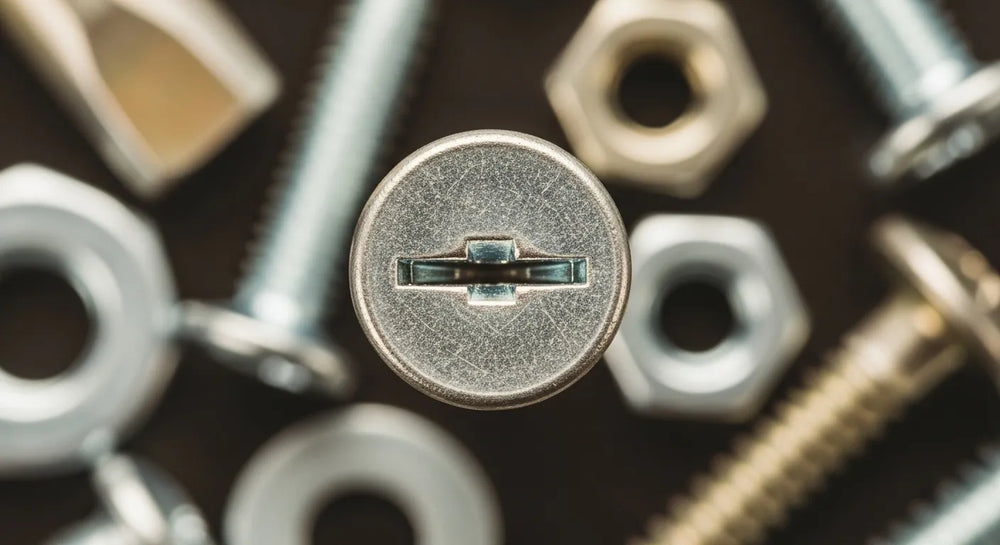
Anchoring a Plastic Shed to a Concrete Slab
Table of Contents
- The Imperative of Stability: Why Your Plastic Shed Needs Anchoring
- The Foundation of Strength: Concrete Slabs and Their Role
- Mastering Anchoring Principles: Methods and Hardware Selection
- Step-by-Step Guide: Anchoring Your Plastic Shed to a Concrete Slab
- Ensuring Long-Term Durability and Maintenance
- The Maden.co Advantage: Sourcing American-Made for Your Projects
- Conclusion
- FAQ
A sudden gust of wind tears through your property, and the next thing you know, your neatly organized plastic shed is tumbling across the yard, scattering tools and equipment in its wake. This isn't just an inconvenience; it's a significant loss, a safety hazard, and a stark reminder of the forces of nature. The integrity of your outdoor storage solution hinges on one critical factor: how securely it's anchored to its foundation. For procurement managers, MRO buyers, design engineers, and business owners, ensuring the stability and longevity of any structure—from a critical manufacturing unit to a simple storage shed—is paramount for operational efficiency and asset protection.
This blog post will serve as your authoritative guide on how to effectively anchor a plastic shed to a concrete slab, transforming it from a potential liability into a resilient, secure storage asset. We'll delve into the foundational principles of stability, the selection of appropriate hardware, and a step-by-step installation process. Furthermore, we will highlight how sourcing high-quality, American-made components through a platform like Maden.co not only simplifies this task but also strengthens your overall supply chain and supports the vital American manufacturing industry. Our core message is clear: proper anchoring is non-negotiable for shed longevity and safety, and the right components, readily accessible, make all the difference.
The Imperative of Stability: Why Your Plastic Shed Needs Anchoring
Many might view a plastic shed as a lightweight, temporary structure, underestimating its susceptibility to environmental forces. However, ignoring proper anchoring can lead to a cascade of problems, impacting safety, security, and your long-term investment.
Understanding the Risks
- Wind Uplift: This is arguably the most significant threat. Plastic sheds, with their relatively light construction and broad surface areas, act like sails in strong winds. Wind can generate immense uplift pressure, easily detaching an unanchored shed from its base. Once airborne, a shed becomes a dangerous projectile, capable of damaging property or causing severe injury. Even moderate winds can shift a shed, compromising its structural integrity over time.
- Structural Integrity and Longevity: Constant shifting and movement, even from minor winds or accidental bumps, can stress the shed's plastic panels and frame, leading to cracks, warping, or fastener failure. Proper anchoring distributes these forces evenly, maintaining the shed's intended form and extending its lifespan significantly. It protects your investment by ensuring the shed can withstand the elements it was designed to endure.
- Security Concerns: An unanchored shed is an open invitation for theft. If it can be lifted or moved with relative ease, its contents are vulnerable. Anchoring transforms the shed into a more formidable barrier, deterring casual theft and safeguarding valuable tools, equipment, or supplies. For businesses storing MRO inventory or sensitive materials, this security aspect is non-negotiable.
- Compliance and Insurance: In some jurisdictions or for certain commercial applications, anchoring requirements might be part of local building codes or insurance policies. Failing to comply could lead to fines, invalidate your insurance, or create liability issues. Ensuring your shed meets these standards from the outset is a prudent business decision.
At Maden.co, we understand that every component, from a critical industrial bolt to an anchor securing a shed, contributes to overall operational stability and safety. Our commitment to Industrial Excellence means that we provide access to products designed for durability and performance, enabling you to build and maintain secure infrastructure, no matter the scale of the project.
The Foundation of Strength: Concrete Slabs and Their Role
Before delving into the anchoring process, it's crucial to acknowledge the foundation itself. A concrete slab provides the ideal base for anchoring a plastic shed due to its weight, rigidity, and stability.
Benefits of a Concrete Slab Foundation
- Superior Stability: Unlike gravel or paver bases, a concrete slab offers a perfectly level, unyielding surface to which anchors can be securely fastened. This inherent stability minimizes movement and provides a solid platform against uplift and lateral forces.
- Pest and Moisture Barrier: A solid concrete slab creates an effective barrier against rodents, insects, and ground moisture, protecting the shed's contents and prolonging the life of the shed itself.
- Long-Term Durability: Properly poured and cured concrete can last for decades, providing a permanent and reliable base for your shed. This reduces long-term maintenance and replacement costs.
Pre-Installation Considerations for the Slab
Even the best anchoring system is only as good as the foundation it's attached to.
- Levelness: Ensure the concrete slab is perfectly level. Any unevenness will create stress points on the shed's base and compromise the integrity of the anchor points.
- Thickness: For typical plastic sheds, a concrete slab should be at least 4 inches thick. This provides sufficient depth for anchors to achieve their full holding power without risking blowouts or cracking the concrete. For heavier sheds or areas prone to extreme weather, a thicker slab (6 inches or more) may be warranted.
- Curing Time: Allow the concrete to fully cure before drilling or installing anything. This typically takes 7-28 days, depending on environmental conditions and concrete mix. Premature anchoring can weaken the concrete and reduce the anchors' effectiveness.
A procurement manager sourcing materials for such a project needs confidence in the quality of their components. On Maden.co, you're connecting with verified U.S. manufacturers who adhere to rigorous standards, ensuring the anchors you choose are compatible with the strength and curing properties of a solid concrete slab.
Mastering Anchoring Principles: Methods and Hardware Selection
Effective anchoring involves understanding the interaction between the shed's base, the anchor, and the concrete slab. There are several methods and types of hardware, each with specific advantages.
Common Anchoring Methods
- Direct Fastening (Through-the-Base Anchoring): This is the most prevalent and effective method for plastic sheds. It involves drilling through the shed's base plate (or designated anchor points) and directly into the concrete slab, then securing the shed with appropriate concrete anchors. This creates a direct, rigid connection.
- Shed-Specific Anchor Kits: Many plastic shed manufacturers offer proprietary anchoring kits. While convenient, it's crucial to assess their quality and ensure they are adequate for your local weather conditions. Often, these kits are designed for "average" conditions and may not be sufficient for high-wind areas.
- Custom Solutions: For ultimate security or unique situations, designing a custom anchoring solution with heavy-duty industrial-grade fasteners can be superior. This is where the breadth of products on Maden.co becomes invaluable.
Key Factors in Selecting Anchoring Hardware
Choosing the correct hardware is paramount for a secure installation. This decision should not be taken lightly, as it directly impacts the shed's resilience.
-
Anchor Type:
- Wedge Anchors: These are excellent for heavy-duty applications. They work by expanding as a nut is tightened, creating a strong friction grip within the concrete. They require precise drilling.
- Sleeve Anchors: Similar to wedge anchors but with a sleeve that expands. They are versatile and good for moderate loads.
- Drop-In Anchors: These are internal thread anchors that sit flush with the concrete surface. A setting tool expands the anchor internally after it's seated, providing a threaded receptacle for bolts. They are ideal when a flush finish is desired or when the shed needs to be removed and re-attached periodically. Specifically, a BN Products 3/8-Inch Inside Thread Sanko Drop-In Concrete Anchor offers a reliable flush-mount solution for many applications, including shed anchoring, allowing for easy fastening and removal of the shed frame as needed.
- Tapcon Screws (Concrete Screws): These are self-tapping screws designed to cut threads directly into concrete. They are easier to install than expansion anchors but generally offer less shear and tensile strength. They are suitable for lighter loads or as supplementary fasteners.
-
Material Compatibility and Corrosion Resistance: Since your shed is outdoors, the anchors will be exposed to moisture and potentially corrosive elements.
- Galvanized Steel: Offers good protection against rust and is a common choice.
- Stainless Steel: Provides superior corrosion resistance, ideal for coastal areas or environments with high humidity and chemical exposure. While a higher upfront cost, stainless steel often delivers a lower Total Cost of Ownership (TCO) due to its longevity and reduced maintenance needs.
- Scenario Example: For an MRO buyer needing to secure storage for sensitive equipment near a chemical processing plant, selecting stainless steel anchors is a critical decision that impacts long-term asset protection and operational integrity.
- Load Bearing Capacity: Consider the anticipated wind loads in your area. Local building codes or weather advisories can provide guidance. The chosen anchors must have sufficient pull-out and shear strength to resist these forces. A design engineer often specifies these requirements for more complex structures, but even for a shed, understanding these capacities is crucial.
- Length and Diameter: The anchor's length must be appropriate for the slab's thickness, ensuring sufficient embedment depth without going through the slab. The diameter should match the shed's pre-drilled holes (if applicable) or allow for proper drilling. For example, for heavy-duty concrete anchoring, especially in situations demanding high strength and reliability, considering robust options like a 1-Headed Concrete Anchor Shear Connector Chuck can provide the necessary grip for your shed frame. When considering the best components, remember that for comprehensive installation needs, a Concrete Anchor Shear Connector Chuck Set can provide versatile solutions, ensuring you have the right tool for the job.
Our mission at Maden.co is to democratize access to American manufacturing, connecting industrial buyers with over 2.5 million American-made products. This vast selection ensures that you can find the exact specifications for material, load capacity, and type to meet your project's unique demands, all from a network of 800+ verified U.S. manufacturers.
Step-by-Step Guide: Anchoring Your Plastic Shed to a Concrete Slab
Proper installation is as crucial as selecting the right hardware. Follow these steps meticulously to ensure maximum security.
1. Gathering Tools and Materials
Before you begin, ensure you have all necessary items ready:
- The plastic shed: Assembled and positioned accurately on the concrete slab.
- Concrete anchors: As determined by your selection factors (e.g., wedge, sleeve, drop-in, or concrete screws).
- Hammer drill: Essential for drilling into concrete. A standard drill will not suffice.
- Masonry drill bits: Matched to the diameter of your chosen anchors. Ensure they are specifically designed for concrete and carbide-tipped.
- Marker or pencil: For marking anchor points.
- Measuring tape: For accurate placement.
- Shop vacuum or compressed air: For clearing dust from drilled holes.
- Hammer (for expansion anchors): To tap anchors into place.
- Wrenches/sockets: To tighten nuts on expansion anchors or concrete screws.
- Caulk gun and exterior-grade sealant: Crucial for weatherproofing.
- Safety gear: Eye protection, gloves, hearing protection.
2. Positioning the Shed
Carefully move the assembled shed onto the concrete slab. Ensure it is perfectly aligned with the slab's edges and in its final desired location. Verify that the shed's base is sitting flush on the concrete.
3. Marking Anchor Points
This is a critical step for precision.
- Locate attachment points: Most plastic sheds have pre-drilled holes or designated areas on their base plate for anchoring. If not, you'll need to determine appropriate points. Aim for anchors at each corner and along the longer sides, typically every 2-3 feet.
- Mark the concrete: With the shed in its exact final position, use a marker or pencil to carefully mark the concrete slab through each anchoring hole in the shed's base. Ensure the marks are clear and precise.
4. Drilling Pilot Holes
Accuracy here directly impacts anchor performance.
- Remove the shed: Carefully move the shed away from the marked anchor points.
- Select the correct bit: Use a masonry drill bit that exactly matches the diameter specified by your anchor manufacturer. If using concrete screws, the bit will be slightly smaller than the screw's diameter.
- Set drill depth: Use a depth stop on your hammer drill, or wrap a piece of tape around the drill bit to indicate the required embedment depth for your anchors. This depth is usually slightly longer than the anchor itself to allow for dust accumulation.
- Drill perpendicular: Drill each hole straight down into the concrete, ensuring the drill is perfectly perpendicular to the slab surface. Apply steady pressure with the hammer drill.
- Clear debris: After drilling each hole, thoroughly clean it out using a shop vacuum or compressed air. Concrete dust can significantly reduce an anchor's holding power. For a procurement manager under pressure to source a specific DIN 931 compliant hex cap screw, or a design engineer needing specific material certifications for a new prototype, the ability to quickly find and finance a verified, U.S.-made part is a game-changer for project timelines. Similarly, having the right drill bits and anchor sets is crucial for a smooth and efficient shed anchoring project.
5. Installing the Anchors
The method varies slightly depending on your chosen anchor type.
-
For Wedge or Sleeve Anchors:
- Place the shed back into position, aligning its base holes with the drilled holes in the concrete.
- Tap the wedge or sleeve anchors through the shed's base and into the concrete holes using a hammer until they are fully seated.
- Place washers and nuts over the exposed anchor threads.
- Hand-tighten the nuts, then use a wrench to fully tighten them. Be careful not to overtighten, especially with plastic shed bases, which could crack the material. The anchor will expand inside the concrete as it's tightened, creating the grip.
-
For Drop-In Anchors (like the BN Products 3/8-Inch Inside Thread Sanko Drop-In Concrete Anchor):
- After drilling and cleaning the holes, insert the drop-in anchors flush with the concrete surface.
- Use the manufacturer-recommended setting tool to expand the anchor within the concrete. This creates a secure, threaded receptacle.
- Once all drop-in anchors are set, reposition the shed.
- Insert appropriately sized bolts (matching the anchor's internal thread, e.g., 3/8-inch) through the shed's base holes and into the threaded drop-in anchors.
- Tighten the bolts securely, again being mindful not to overtighten the plastic.
-
For Concrete Screws (Tapcons):
- With the shed in place, drive the concrete screws directly through the shed's base and into the pre-drilled pilot holes in the concrete using an appropriate driver bit (usually a hex or Phillips head).
- Ensure the screws are tight but do not strip the heads or damage the shed's base.
6. Sealing for Weatherproofing
This step is often overlooked but is crucial for preventing water intrusion.
- Apply an exterior-grade, waterproof sealant around the base of the shed where it meets the concrete slab.
- Also, apply sealant around each anchor point where the fastener penetrates the shed's base. This prevents water from seeping into the shed or into the anchor holes, which could lead to corrosion or concrete degradation over time.
Ensuring Long-Term Durability and Maintenance
Once your plastic shed is securely anchored, a little ongoing attention will ensure its stability and extend its lifespan for years to come.
Regular Inspections
Make it a habit to periodically inspect your anchored shed, especially after severe weather events.
- Check Fasteners: Ensure all nuts and bolts are still tight. Over time, vibrations and temperature fluctuations can cause them to loosen. Re-tighten any that feel loose.
- Inspect the Shed Base: Look for any cracks, warping, or signs of stress on the plastic shed base where the anchors are attached.
- Examine the Concrete: Check for any signs of cracking or spalling around the anchor points in the concrete slab. This could indicate anchor failure or underlying issues with the concrete.
Addressing Corrosion Promptly
Even with galvanized or stainless steel anchors, corrosion can eventually occur, especially if the protective coating is compromised.
- Look for Rust: If you notice rust stains on the concrete around the anchors or on the fasteners themselves, address it immediately.
- Clean and Protect: Clean off any rust and consider applying a rust-inhibiting primer and paint, or replacing severely corroded fasteners. This is where sourcing high-quality, corrosion-resistant components from the start truly pays off.
By making a strategic choice for high-grade American-made anchors, you're not just buying a part; you're investing in reliability and reducing the lifecycle cost of your installations. Our core value of Supply Chain Transparency means you know exactly where your components come from and the quality standards they meet, minimizing future maintenance headaches.
The Maden.co Advantage: Sourcing American-Made for Your Projects
For procurement managers, design engineers, and business owners, the decision of where to source industrial components is as critical as what to source. When it comes to projects like anchoring a plastic shed, or indeed any task requiring robust, reliable components, the strategic advantages of choosing American-made through Maden.co are undeniable.
At Maden.co, our mission is to democratize access to American manufacturing. We achieve this by connecting industrial buyers like you with an unparalleled network of over 800+ verified U.S. manufacturers, offering access to more than 2.5 million American-made products. We are not just a marketplace; we are a strategic partner in America's manufacturing revival, proving that American-made components are as accessible and convenient as any global alternative.
Why Choose Maden.co for Your Anchoring Needs and Beyond?
- Uncompromising Quality and Reliability: Our platform embodies American Manufacturing Pride and Industrial Excellence. When you source through Maden.co, you're investing in components crafted to stringent U.S. quality standards, ensuring superior performance and durability. This translates directly into a lower Total Cost of Ownership (TCO) for your projects, as you reduce the likelihood of premature failure, costly replacements, and associated downtime.
- Enhanced Supply Chain Resilience: In an unpredictable global economy, relying on distant supply chains can introduce significant risks, from extended lead times to quality control issues. By choosing U.S.-made products, you shorten your supply chain, reduce transit times, and mitigate geopolitical and logistical disruptions, fostering greater resilience and predictability for your operations.
- Comprehensive Compliance: Many projects, from industrial construction to commercial infrastructure, require adherence to specific industry standards (e.g., DIN, NPT). Our verified U.S. manufacturers consistently produce components that meet or exceed these critical specifications, simplifying your compliance checks and providing peace of mind.
- Reduced Procurement Friction: Our digitally innovative platform is designed to streamline your procurement process. With a vast catalog of hard-to-find, U.S.-made components, powerful search functionalities, and transparent product information, you can quickly identify, compare, and acquire the exact parts you need, saving valuable time and resources.
- Customer Empowerment: We believe in empowering our customers with choice and convenience. Our platform provides the tools and access necessary for informed decision-making, ensuring that every purchase contributes positively to your project outcomes and business goals.
For U.S. manufacturers seeking to expand their reach and connect with a broad base of industrial buyers, our platform offers unparalleled opportunities. If you're a qualified U.S. manufacturer, we invite you to register as a vendor and join the American manufacturing revival.
Navigating Procurement with Confidence: Instant Financing
We recognize that large-volume purchases or capital-intensive projects can place demands on cash flow. That's why Maden.co offers Instant Financing, a key differentiator designed to support your business operations. This isn't just a payment option; it's a strategic tool that allows procurement managers and business owners to manage capital effectively, making larger-volume or critical-path purchases without immediate strain on working capital.
You can apply for Instant Financing directly at checkout, simplifying the process and integrating it seamlessly into your procurement workflow. This feature empowers you to acquire the necessary components precisely when you need them, without delays, helping you maintain project timelines and optimize cash flow. If you have specific questions about how this feature can benefit your business or require further details, our team is ready to help. You can easily reach out to us via our Contact Us page.
Conclusion
Securing your plastic shed to a concrete slab is more than a simple DIY task; it's a critical investment in safety, security, and the longevity of your assets. By understanding the risks of an unanchored shed, selecting the appropriate American-made components, and meticulously following the installation steps outlined in this guide, you can ensure your shed withstands the elements for years to come.
From preventing wind damage and enhancing security to protecting your valuable contents and supporting local economies, the decision to anchor correctly with high-quality, U.S.-made fasteners is a smart one. At Maden.co, we are dedicated to being your trusted partner in this endeavor. Our extensive catalog of over 2.5 million American-made products from 800+ verified manufacturers means that whether you're sourcing concrete anchors for a shed or complex components for a major industrial project, you'll find the quality and reliability you need, alongside the convenience of Digital Innovation and Supply Chain Transparency.
Don't compromise on the stability of your structures. Explore the vast selection of American-made components on Maden.co today. Enhance your supply chain resilience, ensure compliance, and achieve superior project outcomes. You can apply for Instant Financing at checkout to streamline your capital-intensive projects and secure the best U.S.-made components without delay. America's manufacturing revival is here, and we invite you to be a part of it.
FAQ
Q1: How many anchors do I need for my plastic shed?
A1: Generally, you should aim for anchors at each corner of the shed, and then spaced every 2-3 feet along the longer sides. However, always refer to your shed manufacturer's recommendations or local building codes for specific guidance, especially in areas prone to high winds. The goal is to distribute the load evenly and prevent uplift.
Q2: Can I anchor my plastic shed to something other than a concrete slab?
A2: While a concrete slab offers the best and most secure foundation for anchoring, it is possible to anchor a shed to other sturdy bases like wooden platforms or even directly into the ground (using specialized ground anchors). However, these methods typically offer less resistance to uplift and lateral forces compared to a well-installed concrete slab and concrete anchors. For maximum security and longevity, a concrete slab is highly recommended.
Q3: What type of drill is best for drilling into concrete?
A3: A hammer drill is essential for drilling into concrete. Unlike a standard rotary drill, a hammer drill combines a rotating motion with a rapid hammering action, which pulverizes the concrete as it drills, making the process much faster and more efficient. Ensure you use carbide-tipped masonry drill bits that are specifically designed for concrete and matched to the diameter of your chosen anchors.
Q4: How can sourcing through Maden.co help with my shed anchoring project?
A4: Maden.co simplifies sourcing high-quality, American-made components for projects of all sizes, including anchoring a plastic shed. We provide access to a vast catalog of concrete anchors and related hardware from verified U.S. manufacturers. This ensures you get durable, reliable products that meet stringent quality standards. By choosing U.S.-made, you enhance your supply chain resilience, contribute to the American economy, and often find components that offer a better Total Cost of Ownership through their longevity. Plus, features like Instant Financing can help manage the procurement budget effectively.


