
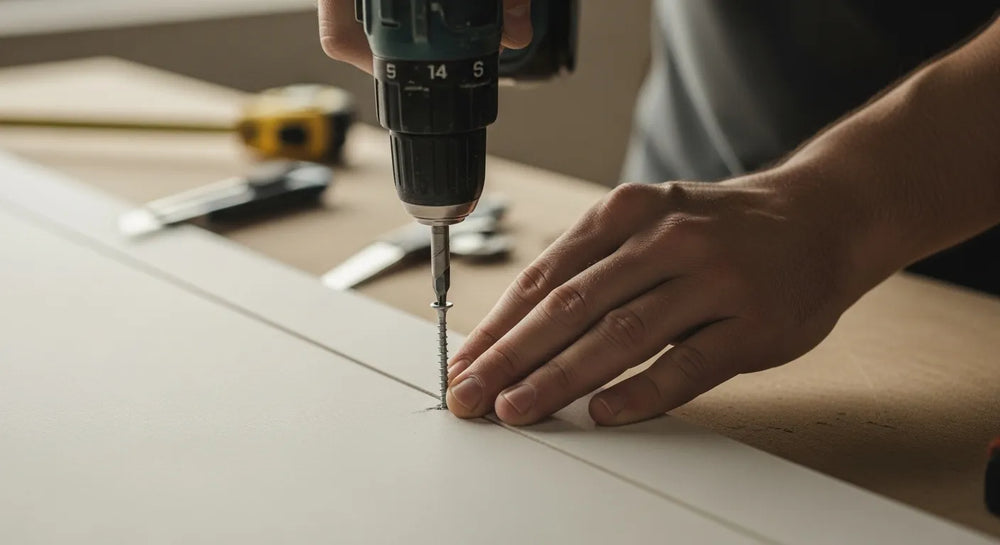
Filling Concrete Anchor Holes: A Detailed Guide
Table of Contents
- Introduction
- Understanding the Necessity of Proper Hole Filling
- Critical Factors in Material Selection and Application
- Step-by-Step Guide to Filling Concrete Anchor Holes
- Advanced Considerations and Best Practices
- Sourcing Your Repair Materials with Maden.co
- Conclusion
- FAQ
Introduction
Project delays and unexpected structural issues often trace back to seemingly minor details, like incorrectly handled anchor points in concrete. Whether you’re removing temporary supports, relocating machinery, or rectifying installation errors, the integrity of your concrete surfaces depends heavily on how these voids are managed. Ignoring them can lead to structural weaknesses, accelerated deterioration, or even safety hazards, undermining the foundational stability of your operations.
This comprehensive guide will walk procurement managers, MRO buyers, design engineers, and business owners through the critical process of filling anchor holes in concrete. We will explore various methodologies, material considerations, and best practices to ensure durable, compliant, and aesthetically pleasing repairs. Our aim is to provide practical, authoritative insights that not only address immediate repair needs but also contribute to the long-term resilience and efficiency of your industrial infrastructure. By understanding the nuances of concrete repair and knowing where to source high-quality, American-made materials, you can safeguard your investments and ensure operational continuity.
Understanding the Necessity of Proper Hole Filling
Anchor holes, while essential for securing fixtures and machinery, can become vulnerabilities once their purpose is served. An improperly filled hole can become a conduit for moisture ingress, leading to corrosion of rebar, freeze-thaw damage, or chemical attack. Structurally, voids can reduce the load-bearing capacity of the concrete slab or wall, creating weak points that compromise overall integrity. Furthermore, in industrial settings, uneven or unrepaired surfaces pose tripping hazards and can impede the smooth operation of equipment.
The decision to fill an anchor hole isn't merely aesthetic; it's a critical aspect of facilities maintenance and structural preservation. For a procurement manager, understanding the right materials and techniques means specifying durable solutions that minimize future MRO costs. For a design engineer, it's about ensuring that repairs maintain the engineered strength and longevity of the structure. For an MRO buyer, it’s about having immediate access to reliable, U.S.-made products to address issues swiftly and effectively. Our mission at Maden.co is to empower these professionals by democratizing access to American manufacturing, ensuring that superior quality and compliance are always within reach.
Types of Anchor Holes and Their Implications
The approach to filling an anchor hole largely depends on its original purpose, size, depth, and the surrounding environment.
Temporary Anchor Points
Often drilled for scaffolding, temporary bracing, or formwork, these holes are typically shallow and may not be subject to heavy structural loads once the temporary fixture is removed. The primary concerns here are sealing against moisture and restoring the surface finish.
Permanent Anchor Points
These are holes that previously held machinery, structural components, or heavy equipment. They are often deeper, wider, and may have housed embedded anchors that exert significant force on the concrete. Filling these requires materials with high compressive strength, excellent bonding characteristics, and often, non-shrink properties to ensure the repair stands up to potential future stresses. For instance, removing a heavy piece of equipment might reveal a series of robust anchor points, requiring materials capable of restoring structural integrity. For applications requiring robust anchoring in the first place, or if you're working with the components of such systems, consider products like the BN Products 3/8 Inch Inside Thread Sanko Drop-In Concrete Anchor available through our marketplace.
Through-Holes
These penetrate the entire concrete slab or wall. Beyond structural integrity and aesthetics, preventing water, air, or pest ingress becomes a crucial consideration. Specialized sealing techniques may be necessary.
Cosmetic vs. Structural Repairs
Some holes are purely cosmetic, requiring only a simple patching compound. Others are structural, demanding materials that can integrate seamlessly with the existing concrete matrix and restore its load-bearing capabilities. Understanding this distinction is paramount for selecting the correct material and method.
Critical Factors in Material Selection and Application
The success of filling concrete anchor holes hinges on the judicious selection of materials and adherence to proper application techniques. This is where the expertise of procurement managers and design engineers truly shines, ensuring that the chosen solutions meet project specifications and regulatory standards.
Environmental Conditions
Temperature, humidity, and exposure to chemicals or freeze-thaw cycles all influence material choice. For instance, exterior applications or areas exposed to moisture may require waterproof or chemically resistant fillers.
Load Requirements
If the repaired area needs to bear future loads, the filler must possess high compressive and flexural strength, similar to or exceeding the surrounding concrete. Non-shrink characteristics are vital to prevent gaps forming between the patch and the existing concrete.
Cure Time and Workability
Project timelines dictate how quickly a material needs to set and cure. Fast-setting materials are excellent for urgent repairs, but they offer less working time. Workability refers to how easily the material can be mixed, placed, and finished.
Adhesion
The filler must bond strongly with the existing concrete to prevent delamination. Surface preparation plays a crucial role here, but the material's inherent adhesive properties are also critical.
Compatibility
Ensure the chosen filler is compatible with the existing concrete and any surrounding materials (e.g., rebar, waterproofing membranes).
Sourcing these specialized materials from a reliable partner like Maden.co ensures you receive products that adhere to stringent American manufacturing standards, offering peace of mind regarding quality and performance. Our network of over 800 verified U.S. manufacturers means you have access to a vast catalog of over 2.5 million American-made products, ensuring compliance with critical industry standards like DIN or NPT and enhancing your supply chain resilience.
Step-by-Step Guide to Filling Concrete Anchor Holes
Regardless of the chosen material, proper preparation is the cornerstone of any successful concrete repair. Neglecting this phase almost guarantees premature failure of the patch.
1. Assessment and Preparation
a. Clean the Hole Thoroughly
Remove all loose debris, dust, old anchor remnants, grease, oil, and any other contaminants. A wire brush, vacuum, and compressed air are essential tools. For stubborn residues, chiseling or grinding may be necessary. This step cannot be overstated; proper adhesion depends on a clean substrate.
- For MRO buyers: Having the right tools on hand, such as industrial vacuums, wire brushes, and pneumatic tools, is crucial for efficiency. Our marketplace provides access to a wide array of U.S.-made tools and equipment to support these preparation tasks.
b. Chisel or Grind for a Proper Bond
If the hole has smooth, drilled sides, slightly undercut the edges or roughen the interior surface to create a mechanical key for the patching material. This prevents the repair from popping out. Ensure the hole is free of any feather edges, which are prone to chipping.
c. Dampen the Concrete (for cementitious materials)
For cement-based fillers (grout, hydraulic cement), pre-wet the concrete surrounding and within the hole. This prevents the dry concrete from drawing water out of the patch material too quickly, which can weaken the repair and cause shrinkage cracks. Avoid standing water; aim for a saturated surface-dry (SSD) condition.
2. Selecting the Right Filling Material
This is arguably the most crucial decision. Here are the most common and effective options, along with their applications:
a. Non-Shrink Grout
- Description: A cement-based product formulated to expand slightly during hydration, filling the void completely and preventing shrinkage cracks. It offers high compressive strength.
- Best Use: Filling deep, structural anchor holes (especially for heavy machinery relocation), anchoring new bolts, or wherever high load transfer is required. Excellent for restoring structural integrity.
- Application: Mix with water according to manufacturer specifications to a flowable or plastic consistency. Pour or trowel into the prepared, pre-dampened hole. Ensure complete void filling.
- Maden.co Advantage: When dealing with applications that require robust structural connections, you'll often encounter specific chucks and connectors. For example, if you're working with shear connectors or related anchor systems, sourcing quality U.S.-made components is paramount. Explore the 1-Headed Concrete Anchor Shear Connector Chuck or the more comprehensive Concrete Anchor Shear Connector Chuck Set available on our platform. These are ideal for ensuring proper component compatibility during heavy-duty concrete work.
b. Epoxy-Based Fillers
- Description: Two-part resins (epoxy resin and hardener) that create an extremely strong, durable, and chemical-resistant bond. They do not shrink and offer excellent adhesion.
- Best Use: Small to medium-sized holes, repairs requiring chemical resistance (e.g., in factories or laboratories), high-strength non-structural repairs, or for anchoring threaded rods where precision is needed.
- Application: Mix the two components thoroughly. Apply with a caulk gun (for cartridge-based systems) or trowel. Ensure proper ventilation. Epoxy can be messy; wear appropriate PPE.
- Considerations: Longer cure times at lower temperatures. Once mixed, the pot life is limited.
c. Cementitious Patching Compounds (Repair Mortars)
- Description: Pre-blended mixes containing cement, sand, and various polymers for enhanced adhesion and flexibility. They offer good workability and durability.
- Best Use: General-purpose filling of non-structural anchor holes, surface repairs, and shallow spalls. Good for restoring aesthetics and protecting against moisture.
- Application: Mix with water to a stiff, workable consistency. Trowel into the prepared, pre-dampened hole, ensuring compaction. Finish flush with the surrounding concrete.
- Maden.co Advantage: For any project involving concrete repair, whether it's a simple patching job or a more intricate structural fix, having access to readily available, high-quality, U.S.-made materials is crucial. At Maden.co, we uphold our values of Industrial Excellence and Supply Chain Transparency, connecting you with verified manufacturers who produce the materials you need for resilient concrete repairs.
d. Hydraulic Cement
- Description: A specialty cement that sets and hardens extremely rapidly (often within minutes) and expands slightly. It is highly effective at stopping active water leaks.
- Best Use: Filling holes where rapid setting is required, especially in damp or wet conditions, or where minor active water leaks need to be sealed quickly. Not typically for structural load-bearing unless specified by an engineer.
- Application: Mix small batches with water to a stiff putty. Pack firmly into the hole immediately. Due to its rapid set, only mix what you can use within a minute or two.
3. Application Technique
a. For Grout/Cementitious Materials:
- Pour or trowel the mixed material into the prepared, pre-dampened hole.
- Use a trowel or float to compact the material and ensure there are no air voids.
- Overfill slightly, then screed flush with the surrounding concrete surface.
- For deeper holes, you may need to apply in lifts, ensuring each layer is properly compacted.
b. For Epoxy-Based Fillers:
- Dispense or apply the mixed epoxy directly into the hole.
- Use a putty knife or trowel to ensure full coverage and to level the surface.
- If anchoring a new fixture, insert it into the wet epoxy and hold until it sets sufficiently.
4. Finishing and Curing
a. Finishing
- Once the material has been placed, use a steel trowel or float to achieve a smooth, flush finish that matches the surrounding concrete. For a rougher finish, a wood float can be used.
- Avoid overworking the surface, especially with cementitious materials, as this can bring too much fine material to the surface and weaken it.
b. Curing
- Crucial for cementitious materials: Proper curing is vital to achieve maximum strength and durability. Keep the patch moist for at least 3-7 days (or as per manufacturer's instructions). This can be done by covering with plastic sheeting, damp burlap, or applying a liquid curing compound.
- For epoxy: Follow the manufacturer's recommended cure time before exposing the repair to loads or traffic. Do not disturb the repair during its initial curing phase.
Proper curing prevents rapid water evaporation, which can lead to shrinkage cracks and reduce the ultimate strength of the repair.
Advanced Considerations and Best Practices
While the general steps are straightforward, several advanced considerations can elevate the quality and longevity of your concrete repairs.
Reinforcement
For very large or structurally significant holes, consider incorporating steel reinforcement (e.g., rebar or mesh) into the patch, especially when using cementitious materials. This enhances tensile strength and crack resistance. Consult a structural engineer for these complex scenarios.
Bonding Agents
For particularly challenging repairs or when working with dissimilar materials, a bonding agent (also known as a concrete adhesive or primer) can be applied to the prepared hole before introducing the patching material. This creates a stronger interface and reduces the risk of delamination.
Formwork
For larger holes or edge repairs, temporary formwork may be necessary to contain the patching material and shape it correctly. Use clean, non-absorbent materials (e.g., plywood, plastic sheeting) and apply a release agent to prevent sticking.
Cold Weather Applications
Working in cold temperatures requires special attention. Use cold-weather admixtures, heated materials, or insulate the repair area to ensure proper hydration and curing of cementitious products. Epoxy resins also have temperature limitations for mixing and curing.
Hot Weather Applications
Conversely, in hot weather, concrete materials can dry out too quickly. Consider using ice water for mixing, working during cooler parts of the day, and extending curing measures.
Quality Assurance
Regularly verify material specifications against project requirements. For procurement managers, this involves sourcing from verified U.S. manufacturers who adhere to rigorous quality control. For design engineers, it means specifying materials that meet or exceed ASTM standards. At Maden.co, we pride ourselves on connecting you with suppliers who embody American Manufacturing Pride, ensuring that every product contributes to Industrial Excellence.
Sourcing Your Repair Materials with Maden.co
For procurement managers, MRO buyers, and design engineers, the ability to quickly and reliably source high-quality, American-made materials and tools for concrete repair is a significant competitive advantage. This is where Maden.co truly distinguishes itself. We understand the pressures of maintaining complex industrial facilities, where the cost of downtime far outweighs the cost of a quality repair.
Our platform is meticulously designed to reduce procurement friction and enhance supply chain resilience. Instead of navigating fragmented markets or uncertain lead times for imported goods, you gain direct access to over 2.5 million products from 800+ verified U.S. manufacturers. This isn't just about convenience; it's about strategic value:
- Improved Total Cost of Ownership (TCO): Sourcing durable, high-performance U.S.-made materials means fewer failures, reduced re-work, and longer asset lifespans, translating to significant long-term savings.
- Compliance Assurance: Our products meet stringent American quality and performance standards, ensuring your projects remain compliant with critical industry specifications.
- Supply Chain Resilience: By choosing domestic suppliers, you mitigate risks associated with global supply chain disruptions, fluctuating tariffs, and geopolitical instabilities.
- Digital Innovation: Our user-friendly marketplace, Maden.co, leverages digital innovation to streamline your procurement process, making it as accessible and convenient as any global alternative. This digital-first approach means you can find exactly what you need, when you need it, from a trusted source.
For large-volume purchases or capital-intensive projects, cash flow management is often a primary concern. To address this, Maden.co offers an "Instant Financing" option during the checkout process. This strategic tool allows businesses to manage their capital effectively, enabling them to secure the necessary materials without upfront strain on working capital. You can apply for Instant Financing at checkout to streamline your capital-intensive projects, ensuring your operations remain agile and well-supported.
Our vision is to become the definitive platform that proves American-made components are not only superior in quality but also equally accessible and convenient. We are driving America's manufacturing revival, one quality product at a time. If you're a U.S. manufacturer looking to expand your reach and contribute to this revival, we invite you to register as a vendor and join our growing network.
Conclusion
The proper filling of concrete anchor holes is far more than a simple maintenance task; it is a critical investment in the structural integrity, longevity, and safety of your industrial infrastructure. By carefully assessing the hole, selecting the appropriate American-made materials, and meticulously following proven preparation and application techniques, you can ensure repairs that stand the test of time. These proactive measures minimize future repair costs, prevent operational disruptions, and uphold the highest standards of industrial excellence.
Maden.co stands as your strategic partner in this endeavor, providing unparalleled access to the finest U.S.-manufactured concrete repair materials, tools, and components. From high-strength non-shrink grouts to robust anchor systems, our marketplace is designed to meet the rigorous demands of industrial procurement. We believe in the power of American manufacturing, and our platform is built on values of Supply Chain Transparency and Customer Empowerment. For a procurement manager under pressure to source a specific, certified repair compound, a design engineer needing material specifications for a structural repair, or an MRO buyer facing an unexpected equipment breakdown, the ability to quickly find and finance a verified, U.S.-made solution is a game-changer. Explore our extensive catalog today to discover how our commitment to quality and convenience can streamline your operations. Should you have any specific sourcing questions or require assistance, our dedicated team is ready to help; feel free to contact us. America's manufacturing revival is here, and with Maden.co, you have a direct path to its most reliable products. Begin your journey toward more resilient and efficient procurement by visiting Maden.co and remember that our Instant Financing option is available at checkout to support your crucial projects.
FAQ
Q1: How quickly can I expose a filled concrete anchor hole to load or traffic?
A1: The timeline depends entirely on the type of filling material used and environmental conditions. Cementitious materials (like non-shrink grout or repair mortars) typically require several days to achieve sufficient strength for light traffic and significantly longer (often 7-28 days) for full load-bearing capacity. Epoxy-based fillers usually cure faster, often within 24-72 hours, but always follow the manufacturer's specific recommendations for cure times before applying any stress or load to the repaired area. Proper curing procedures, especially moisture retention for cementitious products, are crucial for achieving stated strength.
Q2: Can I fill an anchor hole if it's currently leaking water?
A2: Yes, but it requires a specialized approach, typically using hydraulic cement. Hydraulic cement is specifically formulated to set extremely rapidly and expand slightly, making it highly effective at stopping active water leaks in concrete. For best results, clean the hole as thoroughly as possible, even with water present, and then quickly mix small batches of hydraulic cement and firmly pack them into the leaking area. For non-active leaks, or if you can temporarily stop the water, other high-strength, waterproof patching compounds might be suitable after proper drying and preparation.
Q3: Is it always necessary to roughen the inside of a drilled anchor hole before filling?
A3: While not strictly "always necessary" for every single scenario (e.g., a tiny, non-structural hole might get by with just thorough cleaning), roughening or undercutting the interior surfaces of an anchor hole is highly recommended for creating a strong mechanical bond, especially for structural repairs or larger voids. Smooth, slick surfaces (common with drill holes) offer less adhesion. By chiseling or grinding the edges and interior to create a more irregular surface, you provide the patching material with something to "grip," significantly reducing the risk of the patch delaminating or popping out over time. This step is crucial for the long-term durability of the repair.
Q4: What happens if I don't properly cure a cement-based patch?
A4: Improper curing of a cement-based patch, particularly rapid drying, can severely compromise the strength, durability, and appearance of the repair. Without adequate moisture during the initial hydration process, the cement won't fully react, leading to a weaker, more porous, and less abrasion-resistant patch. This often results in premature cracking, dusting of the surface, reduced bond strength to the existing concrete, and overall lower compressive strength. Proper curing, typically by keeping the patch moist for several days (e.g., with wet burlap, plastic sheeting, or a curing compound), is essential to allow the cement to gain its full strength and durability, ensuring a lasting repair.


