
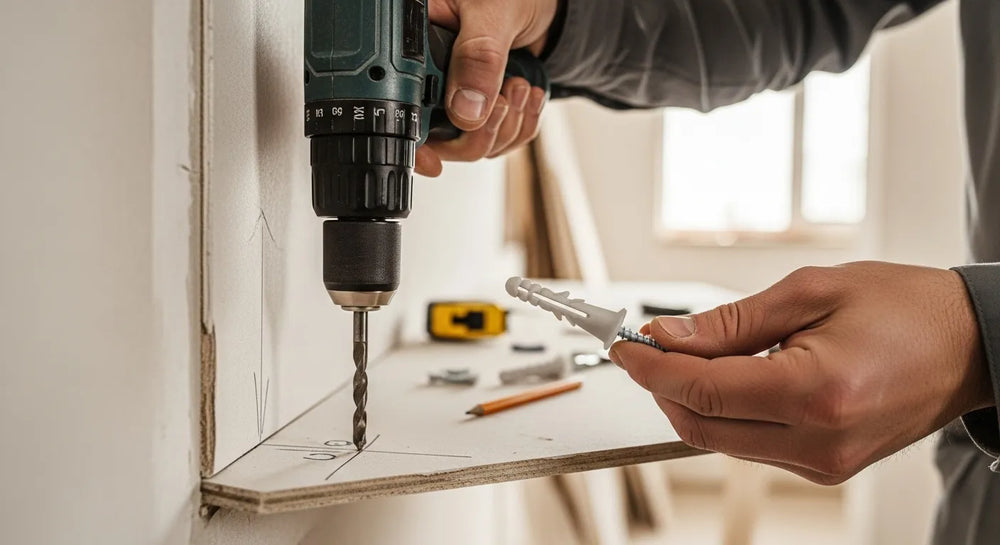
Secure Your Gazebo: How to Anchor to Concrete
Table of Contents
- Introduction
- Why Gazebo Anchoring is Critical
- Understanding Concrete Substrates
- Essential Tools and Materials for Anchoring
- Types of Anchors for Concrete
- Step-by-Step Installation Guide
- Considerations for Long-Term Durability and Maintenance
- The Maden.co Advantage in Sourcing Anchoring Solutions
- Instant Financing for Your Projects
- Conclusion
- FAQ
Introduction
Imagine the disappointment and potential danger of a beautifully assembled metal gazebo, designed to enhance outdoor spaces, being uprooted and damaged by an unexpected gust of wind. This isn't just a hypothetical scenario for homeowners; it represents a significant structural integrity and safety concern for businesses, event venues, and community spaces. The proper anchoring of outdoor structures, especially metal gazebos, to a concrete foundation is not merely a recommendation—it is an absolute necessity. Without a secure connection, these structures can become projectiles, posing risks to property, personnel, and investment. For a procurement manager tasked with ensuring the safety and longevity of outdoor assets, an MRO buyer needing reliable fasteners for facility maintenance, or a business owner protecting their commercial property, understanding how to anchor a metal gazebo to concrete effectively is paramount. This comprehensive guide will walk you through the critical considerations, essential tools, types of anchors, and a step-by-step installation process to ensure your gazebo stands strong, rooted firmly to its concrete base.
Why Gazebo Anchoring is Critical
The decision to anchor a metal gazebo to concrete goes far beyond mere aesthetics; it is fundamentally about safety, investment protection, and compliance. Neglecting proper anchoring can lead to a cascade of costly and dangerous consequences that no business can afford to overlook.
Safety Risks and Structural Integrity
The primary concern with an unsecured gazebo is its vulnerability to adverse weather conditions. High winds can easily lift and propel these structures, turning them into dangerous projectiles. This poses severe risks to anyone in the vicinity, potentially causing serious injuries or even fatalities. From a structural standpoint, constant buffeting by wind puts immense stress on the gazebo's frame, leading to premature wear, bent supports, and eventual collapse. For businesses that host events or provide outdoor amenities, ensuring the absolute safety of visitors and employees is a non-negotiable priority. A properly anchored gazebo mitigates these risks, providing a stable, safe environment.
Protecting Your Investment
A metal gazebo represents a significant investment, whether for a private residence, a restaurant patio, a hotel common area, or an industrial break zone. Leaving it unsecured leaves that investment exposed to immediate damage from weather and the long-term degradation caused by instability. Replacing a damaged gazebo, or even parts of it, incurs substantial costs in terms of materials, labor, and potential operational downtime. For procurement managers and business owners, protecting assets by implementing robust anchoring solutions is a clear path to reducing Total Cost of Ownership (TCO) and maximizing the lifespan of their purchases. When you invest in a quality U.S.-made gazebo, it only makes sense to secure it with equally reliable, U.S.-made anchoring components.
Compliance with Local Regulations and Insurance Requirements
In many jurisdictions, local building codes and ordinances dictate specific requirements for outdoor structures, including how they must be secured. These regulations are designed to ensure public safety and property protection. Failure to comply can result in fines, mandates for costly retrofits, or even the removal of the structure. Furthermore, insurance policies often have clauses regarding the proper installation and maintenance of structures to qualify for coverage in case of damage. An unsecured gazebo might void your insurance claims, leaving your business fully liable for any damages or injuries. Proactively researching and adhering to these requirements, often by leveraging industry-standard fasteners and installation methods, is crucial.
Understanding Concrete Substrates
Before selecting anchors and beginning installation, it's vital to understand the concrete substrate itself. Not all concrete is created equal, and its characteristics will directly influence the type of anchor best suited for the job and the overall success of the anchoring process.
Types of Concrete and Their Implications
Concrete can vary significantly in its composition and application. Common types include:
- Concrete Slabs: These are typically poured for patios, driveways, or garage floors. Their thickness and reinforcement can vary widely. Thicker, reinforced slabs generally offer better anchoring potential.
- Concrete Footings: Often used to support posts or columns, footings are designed to transfer loads to the soil. They are usually thicker and more robust than general slabs but might be localized rather than a continuous surface.
- Pre-existing Patios or Pavers: If your gazebo is going onto an existing patio, determine if it's a solid concrete slab or concrete pavers laid over a base. Anchoring directly to pavers is generally not recommended, as they can shift or crack. In such cases, you might need to pour dedicated concrete footings or replace pavers with a solid slab at the anchoring points.
The strength (PSI) and age of the concrete are also critical factors. Newer concrete (less than 28 days old) may still be curing and has not reached its full compressive strength. Anchoring into very new concrete can compromise its integrity and lead to anchor failure. Older concrete, while fully cured, might have micro-cracks or be less dense, requiring careful assessment.
Assessing the Surface for Suitability
Before drilling, conduct a thorough assessment of the concrete surface:
- Cracks and Damage: Inspect for any existing cracks, spalling, or significant damage. Anchoring into compromised concrete is unreliable and dangerous. Repairs may be necessary before proceeding.
- Reinforcement (Rebar/Mesh): While difficult to detect without specialized equipment, be aware that concrete often contains rebar or wire mesh for reinforcement. Drilling into rebar can damage your drill bit and compromise the concrete's structural integrity. If possible, consult building plans or use a rebar scanner.
- Thickness: Estimate the thickness of the concrete. Most anchors require a minimum embedment depth and a certain distance from the edge of the concrete for optimal performance. Generally, the concrete should be at least 1.5 to 2 times the embedment depth of the anchor.
- Levelness: Ensure the surface where the gazebo legs will sit is relatively level. Significant unevenness can put undue stress on the gazebo frame and anchoring points. Shimming might be required, but it's always better to start with a level foundation.
Understanding these concrete characteristics allows for informed anchor selection, ensuring a secure and lasting installation.
Essential Tools and Materials for Anchoring
Successful gazebo anchoring hinges on having the right tools and high-quality materials. Investing in durable, reliable equipment not only makes the job easier but also contributes directly to the security and longevity of your anchored structure.
Power Tools and Accessories
- Hammer Drill: This is arguably the most crucial tool. A standard drill will struggle and likely fail to penetrate concrete effectively. A hammer drill combines rotational motion with a hammering action, making quick work of drilling into tough concrete. For a serious toolkit or sustained project needs, consider a heavy-duty option that will stand up to industrial demands.
- Masonry Drill Bits: You'll need specific masonry bits, typically carbide-tipped, designed for concrete. The drill bit's diameter must match the size of your chosen anchors precisely. Using a slightly undersized or oversized bit can lead to a loose anchor or difficulty in insertion. Ensure you have bits of appropriate length for the required embedment depth of your anchors.
- Cleaning Tools: After drilling, concrete dust must be thoroughly removed from the holes. A stiff wire brush (for the drill holes) and a shop vacuum or compressed air are essential. Residual dust can significantly reduce an anchor's holding power, especially for mechanical anchors where friction is key, or chemical anchors where adhesion is paramount.
Measuring and Marking Tools
- Tape Measure and Marker: For precise placement of anchor points. Accuracy here prevents structural stress on the gazebo frame.
- Level: To ensure the gazebo is installed level before marking and drilling.
- Straight Edge or Square: For verifying alignment.
Safety Gear
- Safety Glasses/Goggles: Absolutely critical to protect your eyes from concrete dust and debris during drilling.
- Work Gloves: To protect hands from abrasions and provide a better grip on tools.
- Dust Mask/Respirator: Concrete dust can be harmful if inhaled. A mask is highly recommended, especially when drilling multiple holes.
- Ear Protection: Hammer drills can be quite loud; hearing protection is advisable.
Anchoring Components and Fasteners
- Selected Anchors: As detailed in the next section, these are the core components for securing the gazebo. Ensure you have the correct type and size for your concrete and gazebo frame.
- Washers: Flat washers distribute the load from the nut over a larger area of the gazebo leg's mounting plate, preventing damage and improving stability. Lock washers (split or star) help prevent nuts from loosening due to vibration or movement.
- Nuts: Corresponding to the anchor's threaded end. High-grade nuts are essential for secure fastening.
- Sealant (Optional but Recommended): A high-quality exterior-grade sealant (e.g., polyurethane or silicone) can be applied around the base of the gazebo legs after anchoring. This helps prevent water intrusion into the drilled holes, which can lead to freeze-thaw damage in the concrete or corrosion of the anchor over time.
For procurement managers or MRO buyers, sourcing these components through a reliable platform like Maden.co ensures access to verified, U.S.-made products that meet stringent industrial standards. Our extensive catalog helps you find precisely what you need, from drill bits to specialized anchors, all from manufacturers committed to quality.
Types of Anchors for Concrete
Choosing the right anchor is paramount to the safety and stability of your metal gazebo. The decision depends on several factors: the thickness and condition of your concrete, the expected load (wind uplift), and the type of gazebo leg base. At Maden.co, we understand the critical role these components play in industrial excellence and supply chain transparency, connecting you with robust U.S.-made solutions.
Mechanical Anchors
Mechanical anchors are among the most common and reliable choices for securing structures to concrete. They work by creating friction or a positive interlock within a drilled hole.
1. Wedge Anchors
Wedge anchors are heavy-duty, through-fastening anchors designed for solid concrete. They consist of a threaded stud, an expansion clip (wedge), a nut, and a washer. When the nut is tightened, it pulls the stud upwards, expanding the wedge clip against the sides of the drilled hole, creating immense holding power.
- Pros: Very strong, excellent for heavy loads, easy to install in solid concrete, available in various lengths and diameters.
- Cons: Require precise hole drilling, removal can be difficult without damaging concrete, not suitable for cracked or weaker concrete.
- Applications: Ideal for permanent installations requiring high load-bearing capacity, such as securing heavy machinery, structural steel, or, in our case, robust gazebo legs to solid concrete slabs or footings.
- For example, if you're securing a large commercial gazebo, sourcing specific U.S.-made wedge anchors from our extensive catalog ensures reliability and compliance.
2. Sleeve Anchors
Sleeve anchors are versatile mechanical anchors suitable for solid concrete, block, and brick. They consist of a threaded bolt, an expandable sleeve, a washer, and a nut. As the nut is tightened, the tapered end of the bolt pulls the sleeve upwards, expanding it against the walls of the drilled hole.
- Pros: Can be used in a wider range of base materials than wedge anchors, easier to remove if needed, available in various head styles (hex, flat, acorn).
- Cons: Not as strong as wedge anchors for extremely heavy loads, embedment depth is crucial.
- Applications: Good for moderate to heavy loads, often used for railing installation, shelving, or securing medium-sized gazebos where flexibility in base material is a plus.
- Maden.co emphasizes precision and quality for these components, ensuring that you receive consistently manufactured sleeve anchors ready for demanding applications.
3. Drop-In Anchors
Drop-in anchors are internally threaded anchors designed for flush mounting in solid concrete. They are installed by drilling a hole, dropping the anchor in, and then using a setting tool to drive an internal plug downwards, expanding the anchor within the concrete. A threaded rod or bolt is then inserted into the anchor.
- Pros: Flush finish, allowing for easy removal of the gazebo structure without leaving protruding studs, versatile for attachment and re-attachment, good for medium loads.
- Cons: Require a specific setting tool for proper expansion, embedment depth is critical.
- Applications: Excellent for scenarios where the gazebo might need to be temporarily removed, or where a flush surface is desired when the gazebo isn't in place.
- For a robust, flush mounting solution, consider the BN Products 3/8-inch Inside Thread Sanko Drop-In Concrete Anchor available through Maden.co. This specific anchor provides a secure internal thread for your fastening needs.
4. Concrete Screws (Tapcon-style)
Concrete screws are self-tapping fasteners that cut their own threads into pre-drilled pilot holes in concrete, block, or brick. They are typically made from hardened steel and come in various lengths and head styles.
- Pros: Relatively easy to install, no expansion required (reducing stress on concrete edges), can be removed and re-installed (though not repeatedly).
- Cons: Not as strong as wedge or sleeve anchors for heavy-duty applications, pilot hole size is critical for proper threading.
- Applications: Best for lighter gazebos or where minimal stress is anticipated. Also useful for temporary installations or securing lighter components.
Chemical Anchors (Adhesive Anchors)
Chemical anchors use a resin-based adhesive to bond a threaded rod or rebar into a drilled hole in concrete. The chemical mixture cures, creating an extremely strong, waterproof bond.
- Pros: Exceptionally strong holding power, ideal for heavy loads and dynamic stresses, creates a sealed connection, suitable for cracked concrete if specifically rated, no expansion stress on the concrete.
- Cons: Longer installation time due to curing, sensitive to temperature during installation, more complex installation process, typically permanent.
- Applications: Where maximum strength and permanence are required, such as securing very large, heavy gazebos, or in high-wind zones. Also excellent when anchoring into questionable or cracked concrete (with appropriate product selection).
Each type of anchor offers distinct advantages and disadvantages. For procurement managers and design engineers, the selection process on Maden.co is streamlined, offering access to detailed product specifications and compliance data for all U.S.-made anchoring solutions. This allows for informed decisions that prioritize safety and structural integrity.
Step-by-Step Installation Guide
Proper installation is as crucial as choosing the right anchors. This detailed guide ensures a secure and lasting connection between your metal gazebo and its concrete foundation.
A. Site Preparation
- Clear the Area: Ensure the entire footprint of the gazebo and a comfortable working space around it is clear of debris, obstacles, or anything that could impede movement or drilling.
- Check for Utilities: Before any drilling, always verify that there are no underground utilities (electrical conduits, water pipes, gas lines) beneath your proposed anchoring points. This is critical for safety and to avoid costly damage.
- Position the Gazebo: Carefully move the gazebo frame into its final desired position on the concrete pad. Ensure it is perfectly level using shims if necessary, as working with a level structure from the outset prevents stress on the frame and anchoring points later.
B. Marking Anchor Points
- Use Gazebo Feet as Templates: With the gazebo in its exact final position, use its pre-drilled mounting plates (the "feet") as templates.
- Precisely Mark Holes: Using a marker or crayon, carefully mark the center of each mounting hole on the concrete surface through the gazebo leg's base plate. Double-check that all marks are accurate and that the gazebo has not shifted. For critical applications, consider making pilot dimples with a center punch before drilling to prevent the drill bit from wandering.
C. Drilling Holes
- Select the Right Bit: Insert the appropriate-sized masonry drill bit into your hammer drill. The bit's diameter must match the anchor's diameter exactly (or the pilot hole size specified for concrete screws). The length of the drill bit should allow for the anchor's full embedment depth, plus a little extra for dust collection.
- Set Depth Stop: If your drill has a depth stop, set it according to the anchor manufacturer's specifications. If not, use a piece of tape on the drill bit to mark the required depth. Over-drilling slightly is often better than under-drilling, as it provides space for dust.
-
Drill with Care:
- Wear all appropriate safety gear: safety glasses, gloves, and a dust mask.
- Start drilling slowly to create an initial indentation, then switch to the hammer drill function.
- Apply steady, firm pressure, allowing the drill to do the work. Do not force it.
- Hold the drill perpendicular to the concrete surface to ensure a straight hole.
- Occasionally pull the bit out slightly to clear dust from the hole, especially for deeper holes.
- Clean the Holes Thoroughly: This is a crucial step often overlooked. Concrete dust inside the hole drastically reduces an anchor's holding power. Use a stiff wire brush to scrub the inside of each hole, then use a shop vacuum or compressed air to blow out all remaining dust and debris. Repeat this process until the hole is perfectly clean.
D. Installing Anchors
The method of installing the anchor varies by type:
For Mechanical Anchors (Wedge, Sleeve, Drop-In):
- Position the Gazebo (Again): If you moved the gazebo after marking, carefully reposition it over the drilled holes.
-
Insert Anchors:
- For wedge anchors, push the anchor directly through the gazebo's mounting hole and into the drilled concrete hole until the washer and nut are flush with the mounting plate.
- For sleeve anchors, similar to wedge anchors, insert them through the mounting hole and into the concrete.
- For drop-in anchors, first insert the drop-in anchor into the pre-drilled hole, ensuring it's flush with the concrete surface. Use the specific 1-Headed Concrete Anchor Shear Connector Chuck or a dedicated setting tool to expand the anchor internally. A comprehensive kit like the Concrete Anchor Shear Connector Chuck Set can provide all necessary components for various anchor sizes and types, ensuring you have the right tool for the job. Once expanded, a bolt or threaded rod will be inserted later.
- Initial Tightening: For wedge and sleeve anchors, hand-tighten the nuts initially. For drop-in anchors, proceed to insert the bolt.
For Chemical Anchors:
- Prepare Resin: Follow the manufacturer's instructions for mixing the chemical adhesive. Many come in cartridges that mix as you dispense.
- Inject Resin: Dispense the resin into the clean, dry hole, starting from the bottom, filling it about two-thirds full. Be careful not to trap air.
- Insert Threaded Rod: Slowly twist and push the threaded rod (or the gazebo's integrated threaded leg) into the resin-filled hole until it reaches the bottom. Ensure the rod is centered.
- Cure Time: Allow the chemical anchor to cure completely according to the manufacturer's specified time. This can vary based on temperature and humidity. Do not apply any load during this period.
E. Securing the Gazebo Legs
- Position Over Anchors: For anchors that use separate bolts (like drop-ins or chemical anchors), position the gazebo's mounting plate over the threaded rod or bolt.
- Add Washers and Nuts: Place a flat washer (and a lock washer, if using) onto the threaded end of each anchor, followed by the corresponding nut.
- Tighten Securely: Using a wrench or socket, progressively tighten each nut. Avoid over-tightening initially. Work your way around all anchor points, tightening them evenly in a star or crisscross pattern, until they are snug and the gazebo leg base is firmly seated against the concrete. Do not overtighten mechanical anchors, as this can strip threads or damage the concrete. Chemical anchors will achieve their full strength upon curing.
F. Final Inspection and Sealing
- Check Stability: Once all anchors are tightened, firmly shake or push against the gazebo frame to confirm it is stable and shows no signs of wobble or movement.
- Apply Sealant (Optional but Recommended): For added protection against water intrusion, apply a bead of exterior-grade sealant around the base of each gazebo leg where it meets the concrete. This helps prevent water from seeping into the drilled holes, which could lead to freeze-thaw damage in the concrete or corrosion of the anchors over time. Choose a sealant compatible with concrete and metal.
By following these meticulous steps, procurement managers can ensure that the installation of essential outdoor structures meets the highest standards of safety and durability. Our dedication to American Manufacturing Pride means that when you source your tools and anchors from Maden.co, you're not just buying a product; you're investing in reliability and precision for every critical project.
Considerations for Long-Term Durability and Maintenance
Anchoring a metal gazebo to concrete isn't a "set it and forget it" task. To truly ensure its long-term durability, safety, and continued return on investment, ongoing maintenance and periodic inspection are crucial. For MRO buyers and facility managers, integrating these practices into your regular maintenance schedule can prevent costly repairs and extend the lifespan of your outdoor assets.
Regular Inspection Regimen
Establishing a routine inspection schedule is the cornerstone of long-term durability. We recommend at least a semi-annual inspection, with more frequent checks after severe weather events (high winds, heavy snow, seismic activity). During these inspections, pay close attention to:
- Anchor Point Integrity: Visually inspect each anchor point. Look for any signs of loosening, corrosion, or damage to the anchor itself or the surrounding concrete. Are nuts still snug? Is there any movement where the gazebo leg meets the anchor?
- Concrete Condition: Check the concrete around the anchor points for cracks, spalling (flaking), or erosion. Small cracks can propagate over time, compromising the anchor's hold.
- Gazebo Frame: Inspect the gazebo's metal frame for signs of rust, bent components, loose bolts, or fatigue, particularly at the connection points to the legs.
- Sealant (If Applied): If you applied sealant, check for cracks, peeling, or signs of degradation. Reapply as needed to maintain a waterproof seal.
Any issues discovered during inspection should be addressed promptly to prevent minor problems from escalating into major structural failures.
Corrosion Prevention Strategies
Metal gazebos and many types of concrete anchors are susceptible to corrosion, especially in humid environments, coastal areas, or regions with significant exposure to de-icing salts. Corrosion weakens materials, leading to structural failure.
- Galvanized or Stainless Steel Components: When sourcing new anchors or replacement parts, prioritize components made from galvanized steel or stainless steel. These materials offer superior corrosion resistance compared to plain carbon steel. At Maden.co, our commitment to Industrial Excellence means we provide access to a vast array of corrosion-resistant fasteners and hardware made in the U.S.
- Protective Coatings: For existing installations, consider applying rust-inhibiting primers and exterior-grade paints to exposed metal components, including the gazebo frame and the visible parts of the anchors (nuts, washers). Reapply these coatings periodically as part of your maintenance routine.
- Drainage: Ensure proper drainage around the gazebo base. Standing water can accelerate corrosion and degrade concrete.
- Regular Cleaning: Periodically clean the gazebo frame and base plates to remove dirt, debris, and chemical residues that can trap moisture and promote corrosion.
Addressing Wear and Tear
Even with proper installation and maintenance, wear and tear are inevitable. Being proactive in addressing these issues can significantly extend the life of your gazebo.
- Tighten Loose Fasteners: If nuts or bolts on the gazebo frame or anchoring points become loose, tighten them immediately. Do not overtighten, but ensure they are secure.
- Repair Minor Concrete Damage: Small cracks around anchor points can sometimes be repaired with concrete patching compounds or epoxy injections. Consult a professional for significant damage.
- Replace Damaged Components: If an anchor shows significant signs of corrosion, bending, or if its holding power is compromised, it must be replaced. Similarly, any structural components of the gazebo that are bent or broken should be repaired or replaced. For a procurement manager under pressure to source a specific DIN 931 compliant hex cap screw, a design engineer needing specific material certifications for a new prototype, or an MRO buyer facing an unexpected equipment breakdown, the ability to quickly find and finance a verified, U.S.-made part is a game-changer. Maden.co offers a seamless solution to these procurement challenges, providing access to over 2.5 million American-made products.
By diligently following these guidelines for inspection, corrosion prevention, and addressing wear and tear, businesses can confidently ensure that their metal gazebos remain safe, stable, and a valuable asset for years to come.
The Maden.co Advantage in Sourcing Anchoring Solutions
In the demanding world of industrial procurement, where every component contributes to the overall integrity and efficiency of a project, the source of your materials matters immensely. At Maden.co, our mission is to democratize access to American manufacturing, ensuring that procurement managers, MRO buyers, design engineers, and business owners can effortlessly connect with the highest quality U.S.-made products. When it comes to something as critical as anchoring a metal gazebo to concrete, the Maden.co advantage becomes undeniably clear.
We connect industrial buyers with over 2.5 million American-made products from our network of 800+ verified U.S. manufacturers. This extensive catalog means that whether you need specific anchor bolts, heavy-duty masonry drill bits, or specialized fasteners compliant with critical industry standards, you can find precisely what you need, manufactured to exacting specifications right here in the United States. Our vision is to become the definitive platform that proves American-made components are as accessible and convenient as any global alternative, driving the manufacturing revival with our tagline: "America's manufacturing revival is here."
Our Core Values in Action
Our approach to industrial supply chain excellence is built upon core values that directly benefit your procurement process:
- American Manufacturing Pride: We champion the craftsmanship, innovation, and quality synonymous with American-made goods. Sourcing through Maden.co means supporting U.S. jobs and industries, while receiving products built to last.
- Digital Innovation: Our platform is designed for efficiency. We reduce procurement friction by providing intuitive search functionalities, comprehensive product data, and a seamless purchasing experience, saving you valuable time.
- Supply Chain Transparency: You know exactly where your products come from. We partner exclusively with verified U.S. manufacturers, giving you peace of mind regarding origin, quality control, and ethical production practices.
- Industrial Excellence: Every product in our catalog meets high industrial standards. We understand that your projects demand reliability, precision, and performance, and we deliver on that expectation.
- Customer Empowerment: We put the buyer in control. With unparalleled access to a vast array of U.S.-made components and tools, we empower you to make informed decisions that optimize your operations.
For procurement managers, choosing Maden.co translates into tangible business outcomes:
- Improving Total Cost of Ownership (TCO): By providing durable, high-quality U.S.-made products, we help reduce the need for frequent replacements and minimize maintenance costs over the lifespan of your assets.
- Ensuring Compliance: Whether you need fasteners that meet DIN, NPT, or other specific industry standards, our platform simplifies the search for compliant components.
- Enhancing Supply Chain Resilience: Sourcing domestically reduces reliance on volatile international supply chains, safeguarding your projects against disruptions and delays.
- Reducing Procurement Friction: Our streamlined platform makes finding, comparing, and purchasing industrial components faster and more efficient than ever before.
- Partnering with Verified U.S. Manufacturers: Every supplier on Maden.co is a verified American manufacturer, guaranteeing authenticity and quality.
Maden.co is more than just a marketplace; we are a strategic partner in building a more reliable and efficient procurement process. We equip you with the tools and materials necessary for critical infrastructure, maintenance, and construction projects, ensuring that every anchoring solution you implement is robust, compliant, and contributes to your operational excellence. We believe in strengthening the foundation of American industry, one secure connection at a time. Are you a U.S. manufacturer? Register as a vendor and join the American manufacturing revival. Our entire business model is built on this principle; you can learn more about our mission to champion American manufacturing here.
Instant Financing for Your Projects
Recognizing that large-scale or multiple anchoring projects can involve significant capital outlay, Maden.co offers a powerful and flexible financial tool: Instant Financing. This feature is not merely a payment method; it's a strategic resource designed to empower procurement managers and business owners to manage cash flow effectively and make larger-volume purchases without delay.
For businesses that need to secure several gazebos across multiple sites, outfit an entire facility with new outdoor structures, or respond to an urgent need for robust anchoring solutions, Instant Financing provides immediate access to the necessary capital. It allows you to acquire the U.S.-made anchors, specialized chucks, and heavy-duty drilling equipment required for your projects, such as the Concrete Anchor Shear Connector Chuck Set, without tying up existing lines of credit or waiting for lengthy approval processes.
This strategic tool ensures that critical safety and infrastructure projects can proceed on schedule, preventing costly delays and ensuring operational continuity. By leveraging Instant Financing, you can secure the highest quality American-made components today, preserving your working capital for other vital business needs. This flexibility is particularly valuable for MRO buyers who face unexpected equipment breakdowns or urgent maintenance requirements, allowing them to rapidly acquire essential parts like the BN Products 3/8-inch Inside Thread Sanko Drop-In Concrete Anchor without financial strain.
You can apply for Instant Financing at checkout to streamline your capital-intensive projects. This integrated process makes it incredibly convenient to access the funds you need precisely when you need them. If you have specific sourcing questions about products like the 1-Headed Concrete Anchor Shear Connector Chuck or financing options, our team is ready to help. Please don't hesitate to contact us.
Conclusion
Properly anchoring a metal gazebo to concrete is a fundamental requirement for ensuring safety, protecting valuable assets, and maintaining compliance with local regulations. From understanding the nuances of concrete substrates to selecting the optimal anchors and executing a meticulous installation, each step is vital to the long-term stability and success of your outdoor structures. Neglecting this crucial aspect can lead to severe consequences, making the investment in high-quality, reliable anchoring solutions an indispensable decision for any business.
At Maden.co, we are committed to empowering American businesses by providing unparalleled access to a vast network of verified U.S. manufacturers and over 2.5 million American-made products. We believe in the strength and reliability of components manufactured right here in the United States, and we streamline the procurement process to ensure that you can find the exact industrial-grade anchors, fasteners, and tools you need with efficiency and confidence. Our platform's emphasis on American Manufacturing Pride, Supply Chain Transparency, and Industrial Excellence means you're not just making a purchase—you're securing a partnership dedicated to your operational success and the longevity of your projects.
Don't compromise on the safety and stability of your outdoor investments. Explore the Maden.co catalog today to discover robust, U.S.-made anchoring solutions that meet your precise specifications. Leverage our seamless platform to find everything from specialized chucks like the 1-Headed Concrete Anchor Shear Connector Chuck and comprehensive sets like the Concrete Anchor Shear Connector Chuck Set, to high-quality drop-in anchors such as the BN Products 3/8-inch Inside Thread Sanko Drop-In Concrete Anchor, ensuring every component contributes to a secure installation. For larger projects, remember that you can apply for Instant Financing at checkout to manage your cash flow effectively and acquire all the necessary U.S.-made components without delay. Secure your future, secure your structures—with Maden.co, America's manufacturing revival is here.
FAQ
Q1: How do I determine the best type of anchor for my specific gazebo and concrete?
A1: The best anchor depends on several factors: the weight and size of your gazebo, local wind load requirements, the thickness and condition of your concrete slab, and whether you need a permanent or potentially removable installation. Heavy-duty structures on solid, thick concrete often benefit from wedge or chemical anchors, while lighter gazebos or those needing a flush finish might use sleeve or drop-in anchors. Always refer to the gazebo manufacturer's recommendations and, if unsure, consult with a structural engineer. Maden.co offers a wide range of U.S.-made anchors with detailed specifications to help you make an informed choice.
Q2: What if my concrete slab has cracks or isn't perfectly level?
A2: If your concrete slab has significant cracks, it's generally not advisable to anchor into them directly as this can compromise holding power and worsen the cracking. Repairing the concrete or choosing a different anchoring location is recommended. For minor unevenness, shims made of durable, weather-resistant material (like composite shims) can be used under the gazebo legs to create a level base before marking and drilling. However, significant unleveling might require professional concrete leveling or pouring new footings.
Q3: Can I use screws designed for wood to anchor into concrete?
A3: No, absolutely not. Wood screws are designed to thread into softer wood fibers and lack the strength and design features (like hardened steel, carbide tips, or expansion mechanisms) necessary to securely fasten into dense concrete. Using wood screws in concrete will result in a very weak and unsafe connection that will likely fail, especially under wind load. Always use specialized concrete anchors or concrete screws designed specifically for masonry applications, which you can reliably source from Maden.co.
Q4: How important is cleaning the drilled holes before inserting anchors?
A4: Cleaning the drilled holes is critically important. Any concrete dust or debris left in the hole will significantly reduce the holding power of both mechanical and chemical anchors. For mechanical anchors, dust prevents the expansion mechanism from properly gripping the concrete walls. For chemical anchors, dust acts as a barrier, preventing the adhesive from forming a strong bond with the concrete. Always use a wire brush and a shop vacuum or compressed air to thoroughly clean each hole before anchor insertion.


