
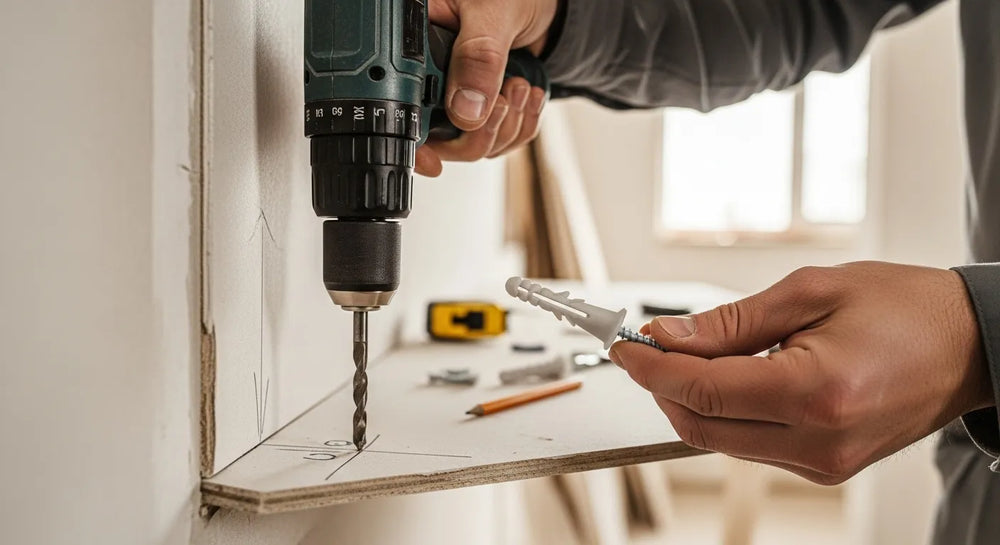
Securely Anchoring Posts to Existing Concrete
Table of Contents
- Understanding the Fundamentals of Post Anchoring to Concrete
- Essential Tools and Materials for the Job
- Common Methods for Anchoring Posts to Existing Concrete
- Selecting the Right Anchor Type: A Procurement Manager's Guide
- Best Practices for Installation and Longevity
- Conclusion
- Frequently Asked Questions
Few challenges in construction or facility management are as critical as ensuring the stable and secure anchoring of posts to existing concrete. Whether you're a design engineer specifying the foundation for a new equipment installation, an MRO buyer replacing a critical structural support, or a business owner safeguarding outdoor assets, the integrity of these connections is paramount. Improper anchoring can lead to structural failure, safety hazards, costly repairs, and significant project delays. Imagine a vital piece of machinery shifting due to an inadequately secured base, or a perimeter fence failing in adverse weather – these scenarios underscore the profound importance of getting it right the first time.
This comprehensive guide delves into the essential methods, tools, and best practices for securely anchoring posts to existing concrete. We will explore various anchoring techniques, discuss the criteria for selecting the most appropriate solution for your specific application, and highlight the critical role of high-quality, American-made components in ensuring long-term reliability and compliance. Our aim is to equip you with the knowledge needed to make informed decisions, streamline your procurement processes, and confidently execute projects that demand uncompromising structural integrity. By the end of this article, you’ll understand not just the how, but the why behind successful post anchoring, reinforced by the superior quality of U.S.-manufactured products available on Maden.co.
Understanding the Fundamentals of Post Anchoring to Concrete
Anchoring a post to existing concrete is more than simply drilling a hole and inserting a fastener. It's about creating a durable, load-bearing connection that can withstand various forces, including tension (pull-out), shear (lateral), and dynamic loads (vibration, impact). The success of this connection hinges on several fundamental factors:
- Load Type and Magnitude: What forces will the post be subjected to? A decorative fence post requires different anchoring than a heavy-duty machinery support. Understanding the anticipated static and dynamic loads is crucial for selecting an anchor that meets safety factors.
- Environmental Conditions: Will the anchor be exposed to moisture, extreme temperatures, corrosive chemicals, or seismic activity? These conditions significantly impact material selection and require anchors with appropriate corrosion resistance and performance characteristics.
- Concrete Quality and Condition: The strength, age, and condition of the existing concrete slab are vital. Is it cracked, spalled, or of a known compressive strength? The anchor's performance is directly tied to the integrity of the base material.
- Post Material and Dimensions: Whether you're anchoring wood, steel, or composite posts, the connection method must be compatible with the post material and designed to distribute loads effectively.
- Compliance and Standards: Industrial and commercial applications often require adherence to specific building codes, engineering standards (e.g., ACI 318, IBC), and industry specifications (e.g., DIN, NPT). Sourcing components that explicitly meet these standards is non-negotiable for project approval and long-term safety.
At Maden.co, our mission is to democratize access to American manufacturing, ensuring that procurement managers and design engineers can readily find components that meet stringent quality and compliance requirements. We believe that incorporating high-quality, U.S.-made components from the outset significantly enhances the longevity and reliability of any anchoring solution, reflecting our core value of American Manufacturing Pride.
Essential Tools and Materials for the Job
Before delving into specific anchoring methods, it’s important to gather the right tools and materials. Quality tools not only make the job easier but also ensure accurate and safe installation, directly impacting the anchor's performance.
Key Tools:
- Rotary Hammer Drill: Essential for drilling clean, precise holes into concrete. Unlike a standard hammer drill, a rotary hammer uses an electro-pneumatic mechanism to create powerful impacts, making quick work of even the hardest concrete.
- Carbide-Tipped Drill Bits: Matched to the diameter of your chosen anchor, these bits are designed to withstand the abrasive nature of concrete. Always select bits specifically rated for concrete and ensure they are sharp and in good condition.
- Cleaning Tools: A wire brush and a shop vacuum or air pump are crucial for removing concrete dust from drilled holes. Residual dust can significantly reduce an anchor's holding power, especially for adhesive anchors.
- Measuring and Marking Tools: Tape measure, level, chalk line, and a permanent marker are necessary for accurate layout and positioning of posts and anchor points. Precision in marking ensures correct alignment and structural stability.
- Torque Wrench: For mechanical anchors, tightening to the manufacturer's specified torque is critical for achieving optimal holding power without over-stressing the anchor or concrete.
- Safety Gear: Personal protective equipment (PPE) including safety glasses, hearing protection, work gloves, and steel-toed boots should always be worn.
Key Materials (Beyond the Post Itself):
- Post Bases/Connectors: These metal brackets provide a standoff between the post and concrete, preventing moisture-related rot for wood posts and offering a clean connection point for various post types.
- Anchors: The core components, available in mechanical (wedge, sleeve, drop-in) or chemical (epoxy, acrylic) varieties.
- Fasteners: Bolts, nuts, and washers to secure the post to the anchor or post base.
- Cleaning Agents/Primers: For chemical anchoring systems, specific cleaning solutions or primers may be required for optimal bond strength.
Sourcing these tools and materials from verified U.S. manufacturers guarantees not only superior quality but also supply chain transparency. At Maden.co, we connect industrial buyers with a vast network of suppliers committed to industrial excellence, ensuring you have access to the best American-made products for every step of your project.
Common Methods for Anchoring Posts to Existing Concrete
Choosing the right anchoring method depends on the post material, the anticipated loads, environmental conditions, and the specific requirements of your project. Each method offers distinct advantages and installation procedures.
Method 1: Post Base Connectors (Surface Mounted)
Post base connectors, also known as post anchors or post brackets, are a popular and versatile solution, particularly for wood posts. They provide a critical standoff between the wood and concrete, protecting the post from moisture and rot while securing it firmly to the slab.
Advantages:
- Moisture Protection: Elevates the post off the concrete, preventing direct contact with standing water or dampness.
- Easy Installation: Generally straightforward to install, often requiring only a rotary hammer drill and appropriate mechanical anchors.
- Variety: Available in numerous designs to accommodate different post sizes, load requirements (e.g., hurricane ties for uplift), and aesthetic preferences. Some offer adjustability.
Installation Steps:
- Layout and Mark: Precisely mark the locations for each post base, ensuring correct alignment.
- Position the Base: Place the post base in its marked location. Use a level to ensure it's plumb and square.
- Mark Anchor Points: Use the holes in the post base as a template to mark the exact drilling locations on the concrete.
- Drill Holes: Using a rotary hammer drill and a carbide-tipped bit of the correct diameter and depth for your chosen mechanical anchor (e.g., wedge anchors, sleeve anchors), drill the holes. Ensure the holes are clean and free of dust.
- Insert Anchors: Insert the mechanical anchors through the post base and into the drilled holes.
- Tighten: Hand-tighten the nuts, then use a torque wrench to tighten to the manufacturer's specified torque. This expands the anchor within the concrete, creating a secure hold.
- Attach Post: Once the base is secure, place the post into the base and secure it using appropriate fasteners (e.g., structural screws, bolts).
Considerations:
- Ensure the post base is rated for the expected shear and uplift forces.
- Allow for proper drainage around the base to prevent water accumulation.
For a procurement manager under pressure to source robust, compliant post bases and the necessary fasteners, Maden.co offers a streamlined solution. Our platform provides access to a comprehensive catalog of U.S.-manufactured structural connectors, allowing you to quickly find and compare specifications, ensuring your projects meet the highest standards.
Method 2: Through-Bolting with Mechanical or Drop-In Anchors
This method involves drilling directly through the material to be anchored (e.g., a steel column base plate) and into the concrete, using mechanical anchors to create a strong connection. It's often employed for heavy-duty applications or where maximum pull-out strength is required.
Types of Mechanical Anchors:
- Wedge Anchors: One of the most common and strongest mechanical anchors. They expand at the bottom of the hole as the nut is tightened, wedging themselves into the concrete. Ideal for heavy loads.
- Sleeve Anchors: Similar to wedge anchors but work by expanding a sleeve against the sides of the drilled hole. Versatile for medium-duty loads and various base materials.
- Drop-In Anchors: Female-threaded anchors designed to be installed flush with the concrete surface. A setting tool expands the anchor internally, creating a strong attachment point for machine screws or threaded rods.
Installation Steps (Using a Drop-In Anchor Example):
- Position and Mark: Place the base plate of the post on the concrete in its final position. Mark the exact locations for the anchor bolts by drilling through the base plate or marking through the pre-drilled holes.
- Drill Holes: Use a rotary hammer drill with a carbide-tipped bit of the specified diameter and depth for the chosen anchor. For drop-in anchors, the depth is critical to ensure a flush installation.
- Clean Holes Thoroughly: Use a wire brush and compressed air or a shop vacuum to remove all dust and debris. This step is critical for the anchor's performance.
- Insert Drop-In Anchor: Place the drop-in anchor into the cleaned hole. Use a setting tool to drive the expander plug inside the anchor, causing the anchor to expand and grip the concrete. Ensure the anchor is flush with the surface.
- Position Post and Fasten: Place the post's base plate over the set drop-in anchors. Insert threaded bolts or rods into the anchors, add washers and nuts, and tighten with a torque wrench to the manufacturer's specifications.
For structural projects demanding precise and durable connections, an MRO buyer needing to secure heavy machinery, or a design engineer specifying a robust connection point, the BN Products 3/8 Inch Inside Thread Sanko Drop-In Concrete Anchor provides an exceptional solution. This American-made anchor offers reliable internal threading, allowing for secure fastening of threaded rods or bolts, ensuring your installations maintain stability and safety.
Method 3: Chemical Anchoring (Epoxy/Adhesive Anchors)
Chemical anchoring involves using a high-strength adhesive (typically epoxy, polyester, or vinylester resin) to bond a threaded rod or rebar into a drilled hole in the concrete. This method creates an extremely strong, virtually stress-free connection, making it ideal for cracked concrete, close edge distances, or heavy dynamic loads.
Advantages:
- High Strength: Often provides superior load-carrying capacity compared to mechanical anchors, especially in tension.
- Stress-Free Connection: The adhesive fills the entire void, distributing stress evenly throughout the concrete, reducing the risk of concrete cracking.
- Versatility: Works well in both uncracked and cracked concrete, and in seismic applications.
- Seals the Hole: The resin creates a waterproof seal, protecting the embedded steel from corrosion.
Installation Steps:
- Drill Hole: Use a rotary hammer drill and a carbide-tipped bit to drill a hole of the specified diameter and depth. The diameter is typically larger than for mechanical anchors to allow for the resin.
- Thorough Cleaning is Paramount: This is the most critical step for chemical anchors. Use a stiff wire brush to scrub the inside of the hole, then blow out all dust with compressed air. Repeat this process at least four times (brush-blow-brush-blow) until the hole is spotless. Any residual dust will compromise the bond.
- Dispense Adhesive: Load the chemical anchor cartridge into a dispensing gun. Dispense the first few inches of resin onto scrap material until an even color is achieved (ensuring proper mixing of the two-part epoxy). Inject the resin into the bottom of the hole, filling it about two-thirds full.
- Insert Threaded Rod/Rebar: Slowly insert the threaded rod or rebar into the resin with a twisting motion to ensure full encapsulation and to prevent air pockets. The rod should be centered.
- Cure Time: Allow the adhesive to cure fully according to the manufacturer's instructions. Cure times vary greatly depending on the product and ambient temperature. Do not apply any load until the specified cure time has passed.
- Attach Post: Once cured, the threaded rod acts as a permanent anchor point. Secure the post's base plate with washers and nuts, tightening to the appropriate torque.
Considerations:
- Temperature Sensitivity: Adhesives have specific temperature ranges for installation and curing. Always check the manufacturer's data sheet.
- Shelf Life: Chemical anchor cartridges have a limited shelf life.
- Safety: Always wear appropriate PPE, including gloves and eye protection, when handling chemical adhesives.
Sourcing high-grade chemical anchoring systems is crucial for ensuring the integrity of these powerful connections. Our commitment to Industrial Excellence means that Maden.co provides access to suppliers whose products meet rigorous performance specifications, giving you confidence in the strength and durability of your installations.
Method 4: Specialized Anchors for Heavy-Duty and Structural Applications (e.g., Shear Connectors)
For truly heavy-duty or specialized structural applications, where posts are integral to composite construction or resist significant shear forces, the anchoring solution must be engineered for extreme performance. This often involves components designed not just to anchor a post to concrete, but to integrate it with concrete in a way that allows for composite action.
In scenarios where steel beams, columns (posts), or other structural elements need to be anchored to a concrete slab to create a composite structure—where the steel and concrete act as a single unit—shear connectors become indispensable. These specialized fasteners are welded to the steel and then embedded in the concrete, providing a robust connection that resists both uplift and shear forces.
The installation of these critical components requires precision tooling. For example, if you're installing headed studs as shear connectors to anchor a structural steel post to a concrete deck, specialized chucks are required for the welding process. These chucks ensure proper stud alignment and optimal weld quality, which is critical for the composite action between the steel and concrete.
When your project demands the utmost in structural integrity, such as connecting steel posts that will carry significant loads in composite floor systems or bridge decks, specialized tools like the 1-Headed Concrete Anchor Shear Connector Chuck and the comprehensive Concrete Anchor Shear Connector Chuck Set become essential. These American-made precision components are specifically designed for the reliable installation of headed concrete anchor shear connectors. They ensure that the studs are properly secured to the structural steel, facilitating the composite action with the concrete slab and providing an exceptionally strong, durable anchor point for heavy structural posts. For design engineers and project managers overseeing complex builds, having access to such specialized, U.S.-manufactured tooling through Maden.co translates directly into enhanced project reliability and compliance with stringent engineering codes.
Selecting the Right Anchor Type: A Procurement Manager's Guide
Making the correct anchor selection is a critical decision that impacts safety, budget, and project longevity. Procurement managers, MRO buyers, and design engineers must consider a holistic set of criteria.
1. Load Analysis
- Tension Load (Pull-Out): The force trying to pull the anchor out of the concrete. Important for uplift forces (e.g., wind on a pergola, vibration from machinery).
- Shear Load (Lateral): The force acting parallel to the concrete surface, trying to slide or cut the anchor (e.g., lateral pressure on a fence post, seismic forces).
- Combined Loads: Most real-world applications involve both tension and shear.
- Dynamic Loads: Repeated or fluctuating forces (e.g., heavy machinery vibrations). Chemical anchors often perform best under dynamic loads.
Always consult anchor manufacturer data for ultimate and allowable load capacities, applying appropriate safety factors.
2. Environmental Factors
- Moisture Exposure: For outdoor or damp environments, stainless steel anchors or corrosion-resistant coatings are essential. Chemical anchors also offer protection for the embedded rod.
- Temperature Extremes: High or low temperatures can affect the performance of some anchors, particularly chemical ones.
- Chemical Exposure: In industrial settings, anchors may need to resist specific acids, alkalis, or other chemicals.
- Seismic Zones: Specific anchor types and installation requirements are mandated for seismic design categories.
3. Substrate Condition (Concrete)
- Cracked vs. Uncracked Concrete: Some anchors (e.g., wedge anchors) are only rated for uncracked concrete, meaning concrete where tensile stresses are not expected to cause cracks. Others (e.g., undercut anchors, some chemical anchors) are suitable for cracked concrete, which is common in many structural elements.
- Concrete Strength: The compressive strength of the concrete (e.g., 2500 psi, 4000 psi) directly affects an anchor's capacity.
- Edge Distance and Spacing: Anchors require minimum distances from the edge of the concrete and from other anchors to develop full strength and prevent concrete breakout.
4. Compliance and Certifications
For any commercial or industrial application, ensuring that chosen anchors and installation methods comply with relevant building codes (e.g., International Building Code - IBC), industry standards (e.g., American Concrete Institute - ACI 318), and local regulations is non-negotiable. Look for products with recognized evaluation reports (e.g., ICC-ES Evaluation Reports for U.S. markets), which verify compliance with code requirements. At Maden.co, we emphasize Supply Chain Transparency, connecting you with verified U.S. manufacturers who can provide the necessary documentation and certifications for their products. This focus on industrial excellence helps reduce procurement friction, ensuring your projects are compliant and robust from the ground up.
The Maden.co Difference in Procurement
For a procurement manager under pressure to source a specific DIN 931 compliant hex cap screw, a design engineer needing specific material certifications for a new prototype, or an MRO buyer facing an unexpected equipment breakdown, the ability to quickly find and finance a verified, U.S.-made part is a game-changer. Our platform, with its network of over 800 verified U.S. manufacturers and a catalog exceeding 2.5 million products, is designed precisely for these scenarios. We pride ourselves on offering a comprehensive, transparent marketplace where quality and compliance are at the forefront, thereby improving your Total Cost of Ownership (TCO) and enhancing supply chain resilience. To understand more about our commitment to this vision, we invite you to explore our mission and values.
Best Practices for Installation and Longevity
Even the highest quality anchors won't perform optimally without proper installation. Adhering to best practices ensures maximum strength, durability, and safety.
- Read Manufacturer's Instructions: Always follow the specific instructions provided by the anchor manufacturer. These often contain critical details regarding drill bit size, hole depth, cleaning procedures, and torque requirements that are unique to their product.
- Surface Preparation: Ensure the concrete surface is clean, dry, and free of loose debris before marking and drilling.
- Accurate Layout: Double-check all measurements and markings for anchor placement. Misaligned holes can compromise the connection.
-
Proper Drilling Technique:
- Use a rotary hammer drill.
- Drill perpendicular to the concrete surface.
- Drill to the specified depth. Using a depth gauge or marking the drill bit can prevent over or under-drilling.
- Maintain consistent pressure; let the drill do the work.
- Thorough Hole Cleaning: This cannot be overemphasized, especially for chemical anchors. Concrete dust acts as a bond breaker. Use a stiff wire brush and compressed air or a vacuum.
-
Correct Anchor Insertion:
- Mechanical Anchors: Insert firmly. For wedge anchors, ensure the nut is lightly tightened to engage the expansion mechanism before final torquing.
- Chemical Anchors: Inject resin from the bottom of the hole and insert the rod with a twisting motion to eliminate air pockets.
- Achieve Specified Torque: For mechanical anchors, use a calibrated torque wrench to tighten to the manufacturer's recommended torque. Over-tightening can damage the anchor or crack the concrete; under-tightening results in insufficient holding power.
- Respect Cure Times: For chemical anchors, allow the full specified cure time before applying any load. Rushing this step will severely compromise the bond strength.
- Regular Inspection: Periodically inspect anchored posts, especially in high-vibration or corrosive environments. Look for signs of anchor loosening, corrosion, or concrete deterioration.
By adhering to these best practices and utilizing American-made components, you're not just anchoring a post; you're building a foundation of reliability and safety. Are you a U.S. manufacturer looking to expand your reach and contribute to the American manufacturing revival? Register as a vendor and join our growing network to connect with buyers who prioritize quality and domestic sourcing.
Conclusion
Successfully anchoring posts to existing concrete is a fundamental skill in construction and industrial maintenance, directly impacting safety, structural integrity, and long-term performance. From understanding the diverse methods like surface-mounted post bases, robust mechanical anchors, and high-strength chemical bonding, to meticulously following installation best practices, every step is crucial. The choice of anchor type must be informed by a thorough assessment of load requirements, environmental conditions, concrete quality, and strict adherence to industry standards.
At Maden.co, we are dedicated to proving that American-made components are not only superior in quality but also as accessible and convenient as any global alternative. Our extensive marketplace connects industrial buyers like you with over 2.5 million U.S.-manufactured products from over 800 verified suppliers, making us your strategic partner in building a more reliable and efficient procurement process. We stand by our core values of American Manufacturing Pride, Digital Innovation, Supply Chain Transparency, Industrial Excellence, and Customer Empowerment, driving the American manufacturing revival one quality component at a time.
Don't compromise on the foundations of your projects. Explore the vast selection of American-made anchoring solutions, fasteners, and specialized tooling available on Maden.co. Whether you need a simple post base, a heavy-duty drop-in anchor like the BN Products 3/8 Inch Inside Thread Sanko Drop-In Concrete Anchor, or specialized equipment such as the 1-Headed Concrete Anchor Shear Connector Chuck and the Concrete Anchor Shear Connector Chuck Set for structural connections, you’ll find the expertise and products you need. Leverage our platform to enhance your supply chain resilience, reduce procurement friction, and ensure compliance with critical industry standards. You can apply for Instant Financing at checkout to streamline your capital-intensive projects, ensuring your business has the resources it needs to thrive. If you have specific questions about sourcing materials or need assistance with a complex project, our expert team is ready to provide support. Don't hesitate to contact us directly.
Frequently Asked Questions
Q1: What is the most critical factor when choosing an anchor for concrete?
A1: The most critical factor is understanding the type and magnitude of the loads the post will experience (tension, shear, combined, dynamic). This dictates the required strength and performance characteristics of the anchor. Coupled with this, assessing the condition and strength of the existing concrete is equally vital, as anchor performance is directly limited by the substrate it's installed in.
Q2: Can I anchor a post to cracked concrete?
A2: It depends on the anchor type. Many mechanical anchors are only rated for uncracked concrete, meaning concrete that is not subjected to significant tensile stresses. However, specialized anchors, such as undercut anchors or certain chemical (epoxy) anchors, are specifically designed and tested for use in cracked concrete. Always consult the anchor manufacturer's specifications and relevant building codes to ensure suitability and safety when dealing with cracked concrete.
Q3: How do I determine the correct drill bit size for an anchor?
A3: The correct drill bit size is precisely specified by the anchor manufacturer. It is absolutely crucial to use the exact diameter recommended, as using a bit that is too small can prevent the anchor from being fully inserted or expanding properly, while a bit that is too large will result in a loose fit and significantly reduced holding power. Always match the drill bit diameter to the manufacturer's instructions for the specific anchor you are using.
Q4: What are the benefits of using American-made anchors and components?
A4: Using American-made anchors and components offers numerous benefits, including superior quality control, adherence to stringent U.S. manufacturing standards, enhanced supply chain transparency, and often quicker lead times. It contributes to domestic economic growth and reduces geopolitical supply chain risks. For industrial buyers, it means confidence in product reliability, better compliance with building codes and material specifications, and supporting the American manufacturing revival, which is a core value at Maden.co.


