
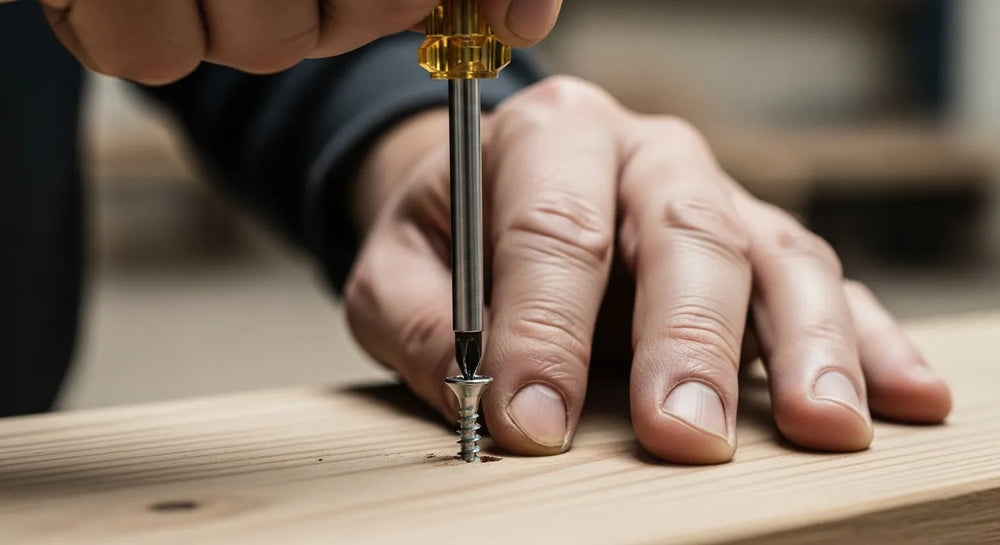
Securing Fasteners: How to Keep Sheet Metal Screws from Backing Out
Table of Contents
- Introduction
- Understanding the 'Why': Root Causes of Screw Loosening
- Strategic Selection: Choosing the Right Sheet Metal Screw
- Preparation and Installation: Best Practices for Secure Fastening
- Advanced Anti-Backout Solutions and Technologies
- Material Compatibility and Environmental Factors
- The Strategic Advantage of Sourcing Through Maden.co
- Conclusion
- FAQ
An unexpected loose screw can cascade into significant operational disruptions, costing businesses untold hours in rework, material waste, and even equipment failure. For procurement managers, MRO buyers, and design engineers, the integrity of every fastener connection is paramount. It’s not just about selecting a screw; it’s about understanding the complex interplay of materials, forces, and installation techniques that dictate its long-term reliability. The persistent challenge of sheet metal screws backing out is a common, yet often underestimated, issue that can compromise structural integrity, reduce product lifespan, and jeopardize critical project timelines. At Maden.co, our mission is to empower industrial buyers with the knowledge and access to American-made excellence, ensuring that such issues become a rarity. This comprehensive guide will delve into the fundamental reasons why sheet metal screws loosen and, more importantly, equip you with actionable strategies and solutions to ensure steadfast fastening in your critical applications, leveraging the precision and quality inherent in U.S. manufacturing.
Introduction
In the intricate world of industrial assembly and maintenance, few things are as frustrating or costly as a fastener that fails to hold its ground. Sheet metal screws, ubiquitous in countless applications from HVAC systems to automotive components and appliance manufacturing, are particularly susceptible to backing out if not properly specified and installed. This isn't just a minor annoyance; it can lead to compromised structural integrity, operational downtime, and significant safety hazards. Imagine a critical assembly on a production line where vibrations slowly dislodge hundreds of fasteners, or a meticulously designed enclosure failing due to a few loose connections. The implications extend beyond mere repairs, affecting overall Total Cost of Ownership (TCO) and brand reputation.
This post will rigorously explore the multifarious factors contributing to screw loosening, from dynamic stresses and material properties to installation nuances. We will guide you through best practices for fastener selection, emphasizing the critical role of thread design, material composition, and surface treatments. Furthermore, we’ll uncover advanced installation techniques and anti-vibration solutions designed to bolster fastener retention. Our goal is to provide procurement managers, MRO specialists, and design engineers with a robust framework for preventing screw back-out, thereby enhancing reliability, improving compliance with stringent industry standards like DIN and NPT, and ultimately strengthening your supply chain resilience. By integrating insights into high-quality, American-made components available through our platform, we aim to demonstrate how strategic sourcing can transform a common problem into a solved challenge. Our core message is clear: mastering the art and science of sheet metal fastening is crucial for operational excellence, and with Maden.co, America's manufacturing revival is here to support that endeavor.
Understanding the 'Why': Root Causes of Screw Loosening
Before implementing solutions, it's essential to dissect the underlying reasons why sheet metal screws lose their grip. Fastener loosening is rarely due to a single factor but often a combination of mechanical, environmental, and human elements. Recognizing these root causes allows for targeted, effective preventative measures, moving beyond symptomatic treatment to foundational problem-solving.
Vibration and Dynamic Loads
Vibration is arguably the most common culprit behind fastener back-out. In environments where equipment is constantly running, vibrating, or subjected to cyclical loads, the screw's threads can gradually lose their preload. This phenomenon, known as self-loosening or fatigue, occurs when relative motion between the mating surfaces causes the screw to rotate minutely with each vibrational cycle. Over time, these tiny rotations accumulate, reducing the clamping force until the screw is loose or completely disengaged. Applications like industrial machinery, vehicle assemblies, and HVAC units are prime examples where dynamic loads and vibrations are inherent challenges. Even subtle vibrations can be destructive, leading to catastrophic failure if not addressed.
Material Expansion and Contraction
Different materials expand and contract at varying rates when subjected to temperature fluctuations. This difference in thermal expansion coefficients between the screw and the fastened material can create stresses that lead to changes in the clamping force. If a screw is installed tightly at one temperature, a significant change in temperature could either overstress the assembly or, more commonly, reduce the clamping force as materials contract differently, leaving the screw vulnerable to loosening. This is particularly relevant in outdoor applications, industrial ovens, refrigeration units, or components exposed to extreme climate changes. Ensuring material compatibility in terms of thermal properties is a critical, yet often overlooked, aspect of fastener reliability.
Improper Installation Techniques
The human element, or rather the lack of precise technique, plays a significant role in screw loosening. Incorrect installation is a widespread issue that can undermine even the highest quality fasteners.
Inadequate Preload (Under-Torquing)
If a sheet metal screw is not tightened to the manufacturer's recommended torque specification, it may not achieve sufficient preload. Preload is the axial tension created in the fastener that clamps the joined materials together. Without adequate preload, the assembly lacks the necessary clamping force to resist external forces and vibrations, making the screw highly susceptible to loosening. An under-torqued screw can also fatigue more quickly under dynamic loads, further exacerbating the problem.
Excessive Preload (Over-Torquing)
Conversely, over-torquing can be equally detrimental. While seemingly counterintuitive, applying too much torque can stretch the screw beyond its elastic limit, yielding the material and permanently reducing its clamping ability. In sheet metal applications, over-torquing can strip the threads in the softer parent material, leading to an immediate loss of grip. It can also damage the screw head, making future removal difficult, or deform the sheet metal itself, compromising the assembly's integrity. Both under- and over-torquing highlight the critical need for precise torque control during installation.
Corrosion and Material Degradation
Environmental factors such as moisture, chemicals, and pollutants can lead to corrosion, which degrades both the screw and the parent material. Corrosion can manifest as rust, pitting, or galvanic corrosion when dissimilar metals are in contact. As the material degrades, the integrity of the thread engagement diminishes, reducing the friction and clamping force that hold the screw in place. This can create pathways for moisture or further corrosive agents, accelerating the loosening process. In harsh industrial environments, selecting screws with appropriate coatings and materials, such as zinc-plated steel, is not just about extending lifespan but directly about maintaining fastener retention. For example, our selection includes reliable options like the Steel Zinc Plated Type A Pan Slot Drive Self-Tapping Sheet Metal Screw, designed to resist corrosion in many demanding applications.
Inadequate Thread Engagement
For a sheet metal screw to hold securely, it requires sufficient thread engagement with the parent material. This means that enough threads of the screw must be engaged within the material to distribute the load effectively. Factors such as incorrect pilot hole sizing, material thickness that is too thin, or aggressive screw pitch can lead to insufficient thread engagement. If the threads are not fully engaged or if the material is too soft for the screw's design, the threads can easily strip or deform under load, causing the screw to back out. This is where specialized thread designs, like those found in Hi-Lo screws, prove invaluable, creating deeper engagement for enhanced pull-out resistance.
Strategic Selection: Choosing the Right Sheet Metal Screw
The first and most critical step in preventing screw back-out is choosing the appropriate fastener for the application. This involves a deep understanding of the environment, material properties, and load requirements. The precision and consistency offered by American-made components are crucial here, reducing variables that can lead to failure. Our network of 800+ verified U.S. manufacturers provides access to the industrial excellence you need for demanding projects. For a deeper dive into our commitment to quality, you can learn more about our mission to champion American manufacturing here.
Material and Coating Considerations
The material of the screw and its coating directly influence its strength, corrosion resistance, and compatibility with the fastened material.
- Stainless Steel: Offers excellent corrosion resistance and good strength, making it suitable for outdoor or corrosive environments. However, it can be prone to galling (cold welding) if not properly lubricated during installation, especially with softer materials.
- Carbon Steel: Provides high strength and is often more economical. To prevent corrosion, carbon steel screws typically require coatings like zinc plating, which offers a sacrificial layer of protection against rust. Options like the Steel Zinc Plated Type A Truss Square Drive Self-Tapping Sheet Metal Screw exemplify robust, coated solutions for many industrial uses.
- Specialty Alloys: For extreme temperatures or highly aggressive chemical environments, specialty alloys (e.g., those with nickel or chromium bases) might be necessary, offering superior resistance beyond standard options.
The choice of coating—zinc, phosphate, ceramic, or others—depends on the specific corrosive agents present and the desired aesthetic. Zinc plating, for instance, is a widely used and cost-effective solution for moderate corrosion protection.
Thread Design and Geometry
The design of the screw's threads is paramount to its ability to create and maintain a secure hold in sheet metal. Different thread geometries are engineered for specific applications and material types.
- Type A (Standard Point): These screws have coarse threads and a gimlet point, ideal for pre-drilled holes in thin sheet metal or softer materials. They are designed to cut their own mating threads. The Steel Zinc Plated Type A Pan Slot Drive Self-Tapping Sheet Metal Screw is a classic example, offering reliable performance where a standard, coarse thread is appropriate.
- Hi-Lo (High-Low Thread): This specialized design features two distinct thread heights—a high, sharp thread and a low, blunt thread. The high thread creates a deeper cut into the material, maximizing thread engagement, while the low thread helps to stabilize the screw during installation and provides a larger contact area. This design significantly increases pull-out and strip-out resistance, making it an excellent choice for thin gauge metals and plastics where enhanced retention is critical. You can explore high-performance options such as the Hi-Lo Double Lead Thread Self-Tapping Sheet Metal Screw for applications requiring superior grip.
- Self-Drilling (Tek Screws): These screws incorporate a drill point that eliminates the need for a pilot hole, streamlining assembly. They come in various thread types (often coarse) and are designed to drill, tap, and fasten in one operation, suitable for metal-to-metal or metal-to-wood applications. While efficient, ensuring correct drill point selection for material thickness is vital to avoid stripping.
- Thread-Forming (Taptite, Plastite): These designs form threads by displacing material rather than cutting it, often resulting in a stronger, vibration-resistant joint, especially in plastics and some metals. They typically require a precisely sized pilot hole.
Understanding these thread characteristics is crucial for design engineers and procurement managers. Sourcing the correct American-made fastener with the optimal thread design from our vast catalog of over 2.5 million products ensures not only initial performance but long-term reliability.
Head Styles and Bearing Surfaces
The screw's head style and its bearing surface (the area under the head that contacts the fastened material) also play a role in retention.
- Flange Heads: These heads incorporate an integrated washer-like surface, distributing the clamping force over a wider area. This reduces the risk of pull-through, especially in softer or thinner sheet metals, and can provide a degree of vibration resistance by maximizing contact.
- Binding Heads: Designed to maximize the bearing surface for improved grip.
- Wafer or Truss Heads: Offer a large diameter head with a low profile, distributing load over a wide area and reducing the chance of pull-through.
The selection of a specific head style should align with both the aesthetic requirements and the functional need to distribute load and prevent pull-through, further safeguarding against loosening.
The Importance of U.S.-Made Quality
When sourcing sheet metal screws, the origin and manufacturing quality are not merely preferences but critical factors influencing performance. U.S.-made fasteners adhere to rigorous quality control standards, often exceeding international benchmarks. This commitment to industrial excellence translates into:
- Consistent Material Properties: Assured strength, hardness, and ductility, reducing the risk of premature failure.
- Precision Thread Geometry: Accurately formed threads that optimize engagement and minimize stripping.
- Reliable Coatings: Uniform and durable surface treatments for superior corrosion resistance.
- Traceability and Compliance: Easier access to material certifications and compliance with critical standards (e.g., DIN, NPT, SAE), essential for regulated industries.
At Maden.co, we simplify access to this superior quality, connecting industrial buyers with verified U.S. manufacturers. Our platform embodies Digital Innovation to streamline your procurement process, reinforcing supply chain transparency and customer empowerment.
Preparation and Installation: Best Practices for Secure Fastening
Even the best-designed screw will fail if improperly installed. Precision in preparation and execution during the fastening process is non-negotiable for long-term screw retention. This is where MRO buyers and assembly teams can significantly impact reliability.
Pilot Hole Sizing: Precision is Key
For self-tapping screws that do not have a self-drilling point, the pilot hole's diameter is critical.
- Too Small: A pilot hole that is too small can cause excessive torque during installation, leading to screw breakage, stripped threads in the parent material, or material deformation.
- Too Large: A pilot hole that is too large will result in insufficient thread engagement, significantly reducing pull-out strength and making the screw prone to stripping and backing out.
Manufacturers provide specific recommendations for pilot hole diameters based on screw size, thread type, and material thickness. Adhering strictly to these guidelines is fundamental. Using high-quality, sharp drill bits and maintaining consistent drilling pressure are also crucial for creating clean, accurately sized holes.
Torque Management: Avoiding Under- and Over-Tightening
Achieving the correct preload is paramount. Torque specifications are designed to create the optimal clamping force without damaging the fastener or the joined materials.
- Under-Torquing: As discussed, leads to insufficient clamping force and increased susceptibility to vibration-induced loosening.
- Over-Torquing: Risks stripping threads, breaking the screw, or deforming the sheet metal, leading to immediate or eventual failure.
To ensure precise torque application:
- Use Torque-Controlled Tools: Calibrated torque wrenches, drivers, or power tools with clutch settings are essential for consistent and accurate tightening.
- Follow Manufacturer Specifications: Always consult the screw manufacturer's recommended torque values, as these can vary significantly based on screw material, size, thread type, and application.
- Training and Calibration: Ensure assembly personnel are properly trained in torque procedures and that tools are regularly calibrated.
Using Proper Tools and Techniques
The choice of drive type (Phillips, slotted, square, Torx, etc.) and the corresponding driver bit are also important. Using the correct bit that fits snugly into the screw head minimizes cam-out, which can damage the screw head and prevent proper torque application. For instance, square drive screws, like our Steel Zinc Plated Type A Truss Square Drive Self-Tapping Sheet Metal Screw, often provide better torque transfer and reduce cam-out compared to slotted or Phillips drives, enhancing installation consistency. Furthermore, applying consistent axial pressure during installation helps guide the screw straight and ensures full thread engagement.
Preventative Measures During Assembly
- Surface Preparation: Ensure mating surfaces are clean, dry, and free of burrs or foreign objects that could interfere with proper seating and clamping.
- Sequence Tightening: For assemblies with multiple screws, a star or cross pattern tightening sequence can help ensure even distribution of clamping force and prevent material distortion.
- Avoid Re-Using Screws: While tempting for cost savings, re-using sheet metal screws can be a false economy. The threads may be partially stripped or fatigued from initial installation, compromising their ability to hold securely the second time around.
Advanced Anti-Backout Solutions and Technologies
When the stakes are high, or environments are particularly challenging, standard fastening practices may not be enough. Several advanced solutions and technologies can significantly enhance sheet metal screw retention.
Thread-Locking Adhesives
Chemical thread lockers (e.g., anaerobic adhesives) are highly effective in preventing screws from backing out due to vibration. These liquid adhesives cure in the absence of air, forming a solid bond that fills the gaps between the mating threads. They come in various strengths:
- Low Strength: For fasteners that may require frequent removal.
- Medium Strength: Provides a stronger bond but still allows for disassembly with hand tools.
- High Strength: For permanent or semi-permanent assemblies where maximum resistance to loosening is required.
Thread lockers not only prevent rotational loosening but also seal the threads, offering an additional layer of corrosion protection. The adhesive creates a continuous film that prevents relative movement between the screw and the female thread, making it a robust solution for dynamic environments.
Vibration-Resistant Fastener Designs
Beyond standard thread types, some fasteners are specifically engineered with features to resist vibration.
- Serrated Bearing Surfaces: Some screws have serrations under the head that bite into the surface of the material, providing additional friction and preventing rotation.
- Ribbed or Undercut Heads: Similar to serrations, these designs aim to increase the frictional resistance between the screw head and the fastened component.
- Proprietary Thread Forms: Manufacturers develop unique thread geometries that create a tighter, more vibration-resistant engagement, often involving interference fits or non-symmetrical profiles.
While specialized, these designs can be invaluable for critical applications where maximum security is paramount. Sourcing such specialized components often requires partnering with knowledgeable suppliers like Maden.co, where you can find a diverse array of American-made solutions tailored to specific engineering challenges. If you have specific sourcing questions about such fasteners, our team is ready to help; just contact us.
Incorporating Self-Drilling and Self-Tapping Innovations
The evolution of sheet metal screws has led to innovations that not only simplify installation but also enhance security. Modern self-drilling and self-tapping screws are engineered with precision points and thread forms that optimize material engagement. For instance, some designs feature a gimlet or sharp point followed by specialized flutes that efficiently clear chips, ensuring clean thread formation without damaging the parent material. The correct selection of these innovative screws, matched to the metal type and thickness, significantly reduces the likelihood of stripped threads and improves overall joint integrity. This digital innovation is at the heart of Maden.co’s offerings, democratizing access to the latest in American manufacturing ingenuity.
Material Compatibility and Environmental Factors
A thorough understanding of the operational environment and material interactions is crucial for long-term fastener stability. Ignoring these can lead to premature failure, even with perfectly installed screws.
Dissimilar Metals and Galvanic Corrosion
When two dissimilar metals are in electrical contact in the presence of an electrolyte (e.g., moisture), galvanic corrosion can occur. One metal becomes anodic and corrodes at an accelerated rate, while the other becomes cathodic and is protected. If a screw and the sheet metal it's fastening are made of different metals, this can lead to the degradation of one or both components, weakening the joint and leading to loosening or outright failure.
- Prevention: Select metals with similar electrochemical potentials. If this isn't possible, use insulating barriers (e.g., non-conductive washers or coatings) between the metals to prevent direct contact. Coatings on the screw, such as zinc plating on steel screws used with aluminum sheet, can also provide a buffer, but care must be taken to ensure the coating itself doesn't become the anode if damaged.
Temperature Extremes and Cycling
As discussed earlier, significant temperature variations cause materials to expand and contract. This thermal cycling repeatedly loads and unloads the fastener, which can lead to fatigue of the screw material or relaxation of the clamping force.
- Prevention: Consider screws made from materials with thermal expansion coefficients similar to the fastened material. Ensure the screw material can withstand the operational temperature range without significant loss of strength or ductility. In extreme cases, specialized high-temperature fasteners or design configurations that allow for thermal movement may be necessary.
Chemical Exposure and UV Degradation
Industrial environments often expose fasteners to various chemicals, solvents, or oils. These substances can degrade certain screw coatings or even the base material over time. Similarly, outdoor applications may subject fasteners to prolonged UV radiation, which can affect polymer-based coatings or non-metallic components in an assembly.
- Prevention: Select screw materials and coatings that are chemically resistant to the specific substances they will encounter. For UV exposure, choose UV-stable coatings or materials. Consulting material compatibility charts and manufacturer specifications is essential for these challenging environments.
The Strategic Advantage of Sourcing Through Maden.co
Navigating the complexities of industrial procurement, especially when precision and reliability are non-negotiable, demands a strategic partner. Maden.co is not just a marketplace; we are a dedicated ally in strengthening your supply chain with American-made industrial components. Our platform is meticulously designed to address the challenges procurement managers, MRO buyers, and design engineers face daily.
Access to Verified U.S. Manufacturers
Our extensive network connects you with over 800+ verified U.S. manufacturers. This means you gain direct access to a diverse array of specialized expertise, from precision machining to advanced fastening solutions. Each manufacturer on our platform meets stringent quality and ethical standards, ensuring that every product you source is backed by the commitment to industrial excellence that defines American manufacturing. This direct connection dramatically reduces procurement friction and fosters long-term, reliable partnerships. Are you a qualified U.S. manufacturer looking to expand your reach? Register as a vendor and join the American manufacturing revival to connect with buyers who value American quality.
Expansive Product Catalog
With access to over 2.5 million American-made products, our catalog is an unparalleled resource for finding exactly what you need, even hard-to-find or highly specialized components. Whether you're searching for specific thread types, materials, or compliance standards (like DIN 931 compliant hex cap screws or NPT fittings), Maden.co provides a comprehensive solution. This breadth of choice, coupled with the assurance of U.S. origin, simplifies the process of achieving compliance and enhancing product integrity. From standard components like the Steel Zinc Plated Type A Pan Slot Drive Self-Tapping Sheet Metal Screw to advanced solutions such as the Hi-Lo Double Lead Thread Self-Tapping Sheet Metal Screw for superior grip, our platform streamlines your search for quality components.
Ensuring Compliance and Quality
Quality is at the core of our values. When you source through Maden.co, you're not just buying a part; you're investing in reliability and adherence to critical industry standards. Our emphasis on American-made components inherently offers higher traceability and a greater likelihood of meeting stringent specifications for material composition, dimensions, and performance. This supply chain transparency is crucial for industries where regulatory compliance is paramount, providing peace of mind and reducing the risk associated with non-compliant parts.
Streamlined Procurement and Supply Chain Resilience
In an era of unpredictable global supply chains, localizing your sourcing through Maden.co provides a significant strategic advantage. By connecting with U.S. manufacturers, you benefit from shorter lead times, reduced shipping costs, and a more resilient supply chain less susceptible to geopolitical disruptions. Our digital platform simplifies the entire procurement process, from discovery to delivery, making the acquisition of American-made components as convenient and accessible as any global alternative. This digital innovation directly supports your efforts to reduce Total Cost of Ownership by minimizing delays and ensuring consistent access to high-quality parts. Discover the full range of possibilities on our main homepage.
Leveraging Instant Financing for Capital-Intensive Projects
For businesses managing complex projects or requiring large-volume purchases, effective cash flow management is crucial. Maden.co addresses this need with our Instant Financing option. This feature is designed to empower procurement managers and business owners to make necessary investments without straining immediate capital. By providing flexible payment solutions, Instant Financing allows you to secure critical components promptly, maintain project momentum, and capitalize on bulk purchasing benefits. It's a strategic tool available to you during the checkout process, making significant orders more manageable. You can apply for Instant Financing at checkout to streamline your capital-intensive projects. This commitment to customer empowerment ensures that financial flexibility supports, rather than hinders, your operational goals.
Conclusion
The challenge of keeping sheet metal screws from backing out is a multi-faceted one, demanding a comprehensive approach that spans from meticulous fastener selection and precise installation to an understanding of environmental impacts and advanced anti-loosening technologies. By addressing the root causes—vibration, thermal changes, improper torque, corrosion, and inadequate thread engagement—businesses can significantly enhance the reliability and longevity of their assemblies. The strategic value of investing in high-quality, American-made components cannot be overstated, offering superior material consistency, precision engineering, and traceability that directly contribute to secure and resilient fastening.
At Maden.co, we are committed to being your definitive partner in this endeavor. We democratize access to an unparalleled network of verified U.S. manufacturers, offering over 2.5 million American-made products designed to meet the most stringent industrial demands. Our platform ensures that procurement managers, MRO buyers, and design engineers have the tools and resources to make informed decisions, secure reliable components, and strengthen their supply chains. We invite you to explore our comprehensive catalog and discover the diverse range of American-made solutions available. From standard self-tapping screws to specialized Hi-Lo threads, find the exact components your projects demand. Begin building a more robust, efficient, and resilient procurement process with Maden.co today, and remember, you can apply for Instant Financing at checkout to streamline your capital-intensive projects and keep America's manufacturing revival moving forward.
FAQ
Q1: What are the primary reasons sheet metal screws back out?
A1: Sheet metal screws typically back out due to a combination of factors including vibration and dynamic loads, thermal expansion and contraction of materials, improper installation (under- or over-torquing), corrosion that degrades thread engagement, and inadequate thread engagement resulting from incorrect pilot hole sizing or material thickness. Addressing these root causes through careful selection and precise installation is key to preventing loosening.
Q2: How does proper torque application contribute to preventing screws from backing out?
A2: Proper torque application ensures that the screw achieves the optimal preload, which is the axial tension that clamps the joined materials together. Insufficient torque (under-torquing) means there isn't enough clamping force to resist external forces and vibrations, making the screw prone to loosening. Excessive torque (over-torquing) can strip threads, deform the material, or yield the screw itself, also leading to a loss of clamping force. Using calibrated torque tools and following manufacturer specifications is crucial.
Q3: What types of sheet metal screws are best for resisting vibration?
A3: For applications prone to vibration, consider screws with enhanced thread designs like Hi-Lo threads, which offer deeper and stronger engagement. Additionally, fasteners with specialized features such as serrated bearing surfaces under the head can increase frictional resistance. When combined with thread-locking adhesives, these designs provide superior resistance to vibrational loosening. The quality and precision of U.S.-made screws from platforms like Maden.co often contribute significantly to their vibration resistance due to consistent material properties and accurate thread geometry.
Q4: How can Maden.co help businesses source reliable sheet metal screws to prevent backing out?
A4: Maden.co provides access to over 2.5 million American-made products from 800+ verified U.S. manufacturers, ensuring high-quality, precise components designed for durability. Our platform helps procurement managers find the right screw for specific applications by offering diverse options, including specialized thread types and materials. We emphasize compliance with industrial standards, reduce supply chain friction, and offer Instant Financing at checkout to support capital-intensive projects, all contributing to more reliable and efficient procurement that mitigates issues like screw back-out.


