
What is a Number 8 Wood Screw? Selection & Sourcing
Table of Contents
- Introduction
- Demystifying Wood Screw Sizing: The Number System
- Key Characteristics of the Number 8 Wood Screw
- Material Matters: Ensuring Performance and Durability
- Applications of the Number 8 Wood Screw in Industry
- The Strategic Advantage of Sourcing American-Made Wood Screws
- Procurement Best Practices for Number 8 Wood Screws
- Financing Your Industrial Procurement: Maden.co's Instant Advantage
- Conclusion
- Frequently Asked Questions (FAQ)
Introduction
In the intricate world of industrial manufacturing and maintenance, even the smallest components play a pivotal role in the success and longevity of a project. A seemingly simple fastener, like a wood screw, can be the linchpin that determines structural integrity, aesthetic finish, or operational efficiency. Yet, for many procurement managers, design engineers, and MRO buyers, the nuances of screw sizing, material composition, and application suitability remain a frequent challenge. The number system, particularly, can sometimes lead to confusion, delaying critical purchases or, worse, resulting in the specification of an unsuitable part. This article aims to cut through that complexity, providing a definitive guide to the "number 8" wood screw. We will delve into its precise dimensions, explore its myriad applications across various industries, and dissect the critical factors—from head and drive types to material and finish—that dictate its performance. Our goal is to empower you with the knowledge to confidently specify and source the right number 8 wood screw, ensuring optimal project outcomes and streamlined procurement processes. Understanding these fundamental details is not merely about selecting a fastener; it's about making informed decisions that bolster supply chain resilience, enhance product quality, and contribute to the overall success of American manufacturing.
Demystifying Wood Screw Sizing: The Number System
The world of fasteners often appears arcane to the uninitiated, characterized by cryptic numerical designations that, once understood, reveal a logical and standardized system crucial for precision and interoperability. The "number 8" in a wood screw's designation is not an arbitrary label but a specific indicator of its diameter, or gauge. This numbering system, predominantly used in North America, provides a quick and universally recognized reference point for fastener thickness. While metric systems rely on direct millimeter measurements, the numbered gauge system for wood screws starts typically from #0 and can go up to #24 or even higher for specialized applications, with each increment representing a larger diameter.
Understanding Gauge (Diameter)
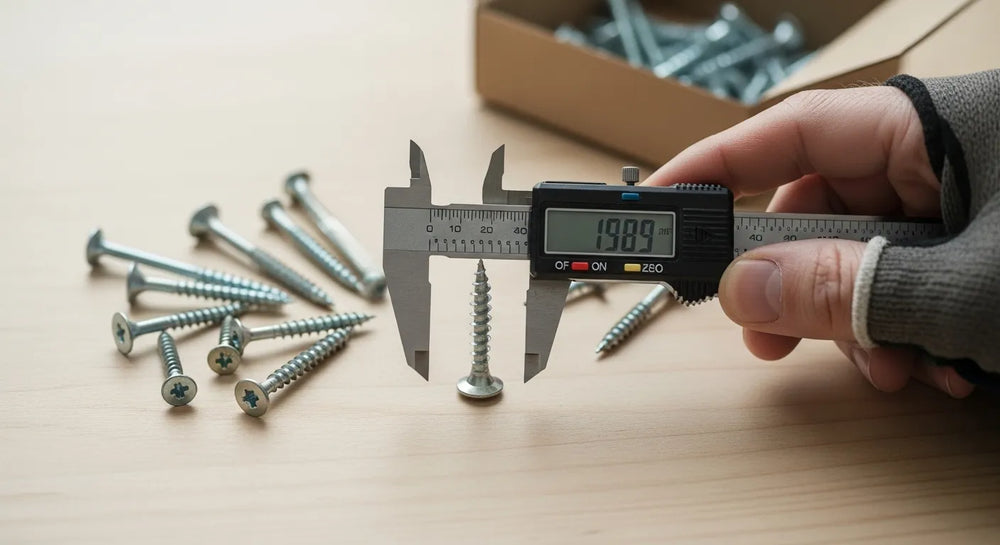
The gauge of a wood screw directly correlates to its shank diameter, which is the unthreaded portion of the screw below the head, or the major diameter of the threaded portion. For a #8 wood screw, the nominal major diameter is approximately 0.164 inches (or roughly 4.17 millimeters). This specific dimension is critical because it dictates the size of the pilot hole and shank hole required for proper installation. A pilot hole that is too small can lead to wood splitting or excessive torque requirements, potentially stripping the screw head or breaking the fastener. Conversely, a pilot hole that is too large reduces the screw's holding power, compromising the joint's strength.
The standardization of this gauge system is a cornerstone of industrial excellence, ensuring that when a design engineer specifies a #8 wood screw, a procurement manager can confidently source it, and an MRO buyer can replace it with a compatible part. This consistency minimizes errors in manufacturing, simplifies inventory management, and supports the efficient interchangeability of components, a vital aspect of a robust supply chain.
Decoding Length
Beyond diameter, the length of a wood screw is the other fundamental dimension that dictates its application suitability. Wood screw length is typically measured from the point where the head seats against the material to the tip of the screw. For countersunk head styles (like flat or oval heads), this measurement includes the entire length of the screw from the top of the head to the point. For non-countersunk head styles (like round heads), the length is measured from the underside of the head to the tip.
Common lengths for #8 wood screws can range from as short as ½ inch (12.7 mm) to several inches, depending on the application. The appropriate length is determined by the thickness of the materials being joined and the desired embedment depth into the receiving material. A general rule of thumb is that the screw should penetrate at least two-thirds into the base material to achieve adequate holding power, while ensuring it does not protrude through the other side unless specifically intended.
The importance of selecting the correct length cannot be overstated. An insufficient length will result in weak joints prone to pull-out, compromising the structural integrity of the assembly. An excessively long screw, beyond causing potential aesthetic issues, can also increase the risk of splitting the wood, especially in thinner stock or near edges. For applications where precise depth is critical, such as securing intricate machinery components to a wooden base or assembling custom cabinetry, meticulous attention to both diameter and length is paramount. This level of precision is precisely what we champion at Maden.co, where detailed specifications and accurate product data empower our buyers to make optimal choices.
Key Characteristics of the Number 8 Wood Screw
While the gauge and length define the fundamental size of a #8 wood screw, its versatility truly shines through the variety of head types, drive styles, thread profiles, and point configurations available. Each characteristic is engineered to serve a specific purpose, influencing both the functionality and the aesthetic outcome of the fastened joint. Understanding these distinctions is crucial for selecting the right screw for any given industrial application, ensuring optimal performance and efficiency.
Head Types and Their Functions
The head of a wood screw plays a critical role in how the screw interacts with the surface of the material, affecting both the clamping force and the final appearance.
-
Flat Head: This is perhaps the most common head type for wood screws. Designed with a conical underside, it is intended to be countersunk into the material, creating a flush or slightly recessed finish. Flat heads are ideal for applications where a smooth surface is required, preventing snagging and providing a clean look. They are frequently used in furniture manufacturing, cabinetry, and in mounting hardware where the screw head must not protrude. The precision required for countersinking demands accurate pilot holes and a careful installation process to avoid stripping the drive. For projects demanding a seamless finish with robust fastening, a Flat Slot Drive Brass Wood Screw offers both aesthetic appeal and reliable performance.
-
Round Head: Featuring a domed top and a flat underside, the round head screw sits proud of the material surface. This design offers a larger bearing surface, which can provide a stronger clamping force and is less prone to pull-through, especially with softer materials or oversized holes. Round heads are often chosen for decorative purposes or in applications where the screw head's protrusion is not an issue, such as attaching thin sheets of material or in certain types of joinery where a visible fastener is acceptable or even desired.
-
Oval Head: A hybrid between the flat and round heads, the oval head has a countersunk conical base combined with a slightly rounded, decorative top. It offers a semi-flush finish with a subtle, elegant dome. Oval heads are typically used in applications where both a degree of countersinking and an aesthetic touch are desired, such as in visible hardware on fine furniture, decorative fixtures, or architectural elements. For those seeking a classic aesthetic with robust hold and superior corrosion resistance, particularly in challenging environments, an Oval Slot Drive Silicon Bronze Wood Screw might be the perfect fit, offering both durability and timeless design.
Drive Types for Various Applications
The drive type refers to the recess or indentation on the screw head that accepts a specific driver bit. The choice of drive type significantly impacts ease of installation, torque transmission, and the likelihood of cam-out (the driver slipping out of the recess).
-
Slotted Drive: The oldest and simplest drive type, featuring a single slot. While ubiquitous, it is prone to cam-out, especially when high torque is applied, and can be challenging for power tool use. However, for certain traditional applications or where a low-profile head is paramount, such as with a Round Slot Drive Brass Wood Screw, it remains a viable option.
-
Phillips Drive: Introduced to reduce cam-out compared to slotted screws, the Phillips head has a cross-shaped recess. It's widely popular due to its self-centering properties, making it easier to drive. However, it can still cam-out under excessive torque, particularly with worn bits or overtightening.
-
Pozi-Drive: An improvement on the Phillips, the Pozi-Drive has an additional set of smaller slots, providing better engagement and significantly reducing cam-out. It requires a specific Pozi-Drive bit, which should not be confused with a Phillips bit to avoid stripping.
-
Square (Robertson) Drive: Featuring a square recess, the Robertson drive offers excellent torque transmission and virtually eliminates cam-out. It allows for single-hand driving and is particularly popular in woodworking and cabinetry in Canada and increasingly in the U.S. for its reliability and efficiency.
-
Torx (Star) Drive: Known for its six-point star recess, the Torx drive provides superior torque transfer, minimizing cam-out and stripping. It's ideal for applications requiring high torque or repetitive driving, such as deck building or automotive applications, where consistent, reliable fastening is essential.
Thread Profiles and Their Impact
The thread profile of a wood screw is engineered to grip and cut into wood fibers, creating a strong mechanical bond.
-
Coarse Threads: Wood screws typically feature coarse threads with a sharp, deep profile. This design allows them to effectively grip the wood fibers, providing excellent pull-out resistance. The coarse pitch also facilitates faster driving and reduces the risk of stripping the wood or the screw itself.
-
Partially Threaded vs. Fully Threaded: Some wood screws are fully threaded, while others have a smooth shank near the head. A partially threaded screw allows the smooth shank to act as a clamp, pulling the two pieces of wood tightly together. The unthreaded portion also prevents the screw from binding in the top piece of wood, ensuring the threaded portion draws the materials together more effectively. Fully threaded screws, on the other to hand, offer maximum grip along their entire embedded length, which can be advantageous in certain situations but might not provide the same clamping action.
-
Self-Tapping/Self-Drilling Features: Many modern wood screws incorporate features that eliminate or reduce the need for pre-drilling. These can include specialized points that cut their own pilot hole or thread-cutting designs that remove material as the screw is driven, streamlining the installation process and saving valuable time in industrial settings.
Point Styles for Easier Driving
The tip, or point, of a wood screw is designed to initiate the fastening process and guide the screw into the material.
-
Sharp (Gimlet) Point: The traditional sharp point is designed to easily start a hole in softer woods or where a pre-drilled pilot hole is used.
-
Type 17 Point: A common self-drilling point for wood, the Type 17 features a flute at the tip that acts like a drill bit, clearing away wood chips as the screw is driven. This significantly reduces the risk of splitting the wood and eliminates the need for a separate pilot hole in many applications, enhancing efficiency on the factory floor or construction site.
The careful selection of these characteristics ensures that the #8 wood screw not only performs its primary function of joining materials but also does so efficiently, reliably, and with the desired aesthetic outcome. For procurement managers and design engineers, this detailed understanding translates into smarter sourcing decisions, reduced project delays, and ultimately, a superior finished product.
Material Matters: Ensuring Performance and Durability
The performance and longevity of a number 8 wood screw are inextricably linked to the material from which it is manufactured and any protective coatings applied. The choice of material dictates a screw's strength, corrosion resistance, aesthetic properties, and suitability for specific environments. For industrial buyers, understanding these material differences is critical to ensuring compliance with project specifications, mitigating risks, and achieving the desired total cost of ownership (TCO).
Common Materials for Wood Screws
-
Steel (Plain, Zinc-Plated, Galvanized):
- Plain Steel: Offers high tensile strength, making it suitable for structural applications where strength is paramount. However, untreated steel is highly susceptible to rust and corrosion, making it unsuitable for outdoor or moisture-prone environments.
- Zinc-Plated Steel: A very common and cost-effective option, zinc plating provides a thin sacrificial layer that offers basic corrosion protection. It's ideal for indoor applications or where only minimal exposure to moisture is anticipated. Zinc-plated screws retain much of the underlying steel's strength.
- Hot-Dip Galvanized Steel: This process involves dipping steel screws into molten zinc, creating a much thicker and more durable protective layer. Galvanized screws are excellent for outdoor use, marine environments, and applications where significant moisture or weathering is expected. The coating, however, is thicker and can sometimes affect thread engagement, requiring slightly larger pilot holes.
-
Stainless Steel (304, 316):
- Stainless Steel 304: A widely used grade of stainless steel, 304 offers good corrosion resistance against rust, making it suitable for outdoor applications, general construction, and many environments where moisture is present. It also provides decent strength.
- Stainless Steel 316: Often referred to as "marine-grade" stainless steel, 316 contains molybdenum, which significantly enhances its resistance to chlorides and other aggressive corrosive agents. This makes it the superior choice for saltwater environments, chemical processing plants, and other highly corrosive industrial settings where performance and longevity are non-negotiable. While more expensive, the extended lifespan and reduced maintenance costs often justify the investment, improving the overall TCO for critical infrastructure.
-
Brass:
- Brass screws are valued primarily for their aesthetic appeal and inherent corrosion resistance, especially against rust. They are softer than steel, which means they are not typically used for structural applications requiring high tensile strength. However, their golden color makes them a popular choice for decorative purposes, antique furniture restoration, and visible hardware in fine woodworking. For a traditional look combined with reliable fastening, a Round Slot Drive Brass Wood Screw provides both function and timeless appeal.
-
Bronze/Silicon Bronze:
- Silicon bronze is an alloy renowned for its exceptional corrosion resistance, superior even to many stainless steels in certain harsh environments, particularly marine and coastal applications where salt spray and humidity are prevalent. It also possesses good strength and a distinctive reddish-brown color that darkens with age, making it desirable for both its performance and aesthetic characteristics in high-end projects, boat building, and architectural detailing. When durability in extreme conditions is a priority, consider an Oval Slot Drive Silicon Bronze Wood Screw for unparalleled reliability and long-term value.
Coatings and Platings
Beyond zinc and galvanization, other specialized coatings enhance performance:
- Phosphate Coatings: Offer mild corrosion resistance and provide an excellent base for paint or other finishes. Often used for interior applications.
- Ceramic/Polymer Coatings: Advanced coatings that provide superior corrosion resistance (often exceeding galvanization) and reduced friction during driving. These are often color-matched for specific applications, such as decking screws.
- Lubricated Coatings: Reduce driving torque and enhance installation speed, particularly in hardwoods.
Material Selection for Specific Environments and Load Requirements
The decision-making process for material selection should always be guided by the specific demands of the application:
- Indoor vs. Outdoor: Indoor, dry environments can often use zinc-plated steel. Outdoor, exposed environments require galvanized, stainless steel (304), or specialized coated screws.
- Moisture, Chemical, or Saltwater Exposure: For areas with high humidity, chemical fumes, or saltwater, 316 stainless steel or silicon bronze are the optimal choices to prevent rust and degradation.
- Structural vs. Cosmetic: Structural applications demand high-strength materials like steel (appropriately coated). Cosmetic or decorative applications might prioritize brass or bronze for their appearance.
- Load Requirements: High shear or tensile loads necessitate materials with high tensile strength. The number 8 wood screw, while versatile, is generally for lighter to medium-duty applications. For heavier structural loads, larger diameter screws or bolts may be required.
At Maden.co, our commitment to Industrial Excellence means we understand that the right material choice is not a luxury but a necessity. We empower procurement managers, MRO buyers, and design engineers to access detailed material specifications from our network of verified U.S. manufacturers, ensuring every #8 wood screw selected meets stringent performance and compliance standards. This focus on quality and detailed product information is central to our vision of becoming the definitive platform for American-made components.
Applications of the Number 8 Wood Screw in Industry
The versatility of the number 8 wood screw makes it a workhorse across a broad spectrum of industries, serving critical functions from fine woodworking to light construction. Its balanced diameter offers sufficient strength for many common tasks while remaining manageable enough to prevent excessive wood splitting. For procurement professionals, understanding these diverse applications is key to anticipating needs, optimizing inventory, and ensuring the right fasteners are always available.
From Cabinetry to Construction
- Furniture Manufacturing and Cabinetry: The #8 wood screw is a staple in the assembly of furniture, custom cabinetry, and built-ins. Its moderate size is ideal for joining components, attaching drawer slides, hinges, and decorative trim without overpowering the aesthetics or integrity of the wood. Flat or oval heads, often in brass or a plated steel, are preferred for their clean finish or decorative appeal in these applications. The ability to source a Flat Slot Drive Brass Wood Screw through Maden.co ensures that manufacturers can maintain high standards of both functionality and finish in their products.
- Trim and Molding Installation: Whether installing baseboards, crown molding, or window casings, #8 wood screws provide a secure and stable fastening solution. They can be effectively countersunk and filled, creating a seamless appearance. Length considerations are crucial here to ensure adequate penetration into the studs or framing behind the trim without piercing through drywall or other surfaces unnecessarily.
- Decking and Fencing: While larger screws are often used for primary structural components in decking, #8 wood screws, particularly those made of galvanized or stainless steel with advanced coatings, find use in attaching smaller railing elements, decorative panels, or securing composite decking boards where a less bulky fastener is preferred. Their corrosion resistance is paramount in these outdoor, exposed environments.
- Fixture Mounting and Light Structural Applications: The #8 wood screw is commonly used for mounting a variety of fixtures to wooden studs or joists, including shelves, brackets, electrical boxes, and light industrial equipment. In light structural contexts, they can secure sub-assemblies or reinforcing elements where the load does not demand larger, heavy-duty fasteners. This versatility makes them indispensable for MRO buyers responding to diverse repair and installation needs.
Practical Scenarios for Procurement Managers & Design Engineers
The ability to quickly and accurately specify, source, and finance the right number 8 wood screw is a significant competitive advantage in today's demanding industrial landscape. Consider these common scenarios:
- For a procurement manager under pressure to source a specific fastener for a custom cabinetry line, ensuring the #8 wood screw meets both aesthetic demands (e.g., brass finish) and structural requirements (e.g., sufficient pull-out resistance) is paramount. The need for consistent quality and on-time delivery from a reliable U.S. manufacturer directly impacts production schedules and product reputation. The ability to browse an extensive catalog of verified American-made options, complete with detailed specifications and material certifications, dramatically reduces the friction in this procurement process.
- A design engineer working on a new marine-grade prototype might specify a #8 silicon bronze screw for critical attachments, requiring precise material certifications to ensure compliance with industry standards and the extreme environmental conditions the product will face. Sourcing a high-performance fastener like an Oval Slot Drive Silicon Bronze Wood Screw from a trusted domestic supplier ensures both the integrity of the design and the traceability of components.
- An MRO buyer facing an unexpected equipment breakdown at a manufacturing facility needs readily available, verified components to minimize downtime. If a specific #8 wood screw is required for a repair, the ability to quickly find and finance a U.S.-made part from a diverse marketplace is a game-changer. Delays in sourcing can lead to significant production losses, making efficient procurement a strategic imperative.
- A business owner scaling up production of wooden components for an industrial client needs to ensure a consistent supply of #8 wood screws that meet exacting quality standards while managing cash flow effectively for large-volume orders. Access to a vast network of American manufacturers that offer competitive solutions, coupled with flexible financing options, becomes crucial for sustained growth and profitability.
In each of these scenarios, Maden.co serves as a strategic partner. Our platform simplifies the complex task of finding the right American-made industrial components. We understand that improving Total Cost of Ownership (TCO), ensuring compliance with critical industry standards, enhancing supply chain resilience, and reducing procurement friction are not just buzzwords but tangible benefits that directly impact your bottom line. By partnering with verified U.S. manufacturers, we connect you directly to the quality and reliability you need, reinforcing our core values of Industrial Excellence and Customer Empowerment.
The Strategic Advantage of Sourcing American-Made Wood Screws
In an increasingly volatile global economy, the strategic importance of sourcing components domestically has never been clearer. For critical fasteners like the #8 wood screw, choosing American-made products offers a cascade of benefits that extend far beyond simple transaction costs, impacting supply chain resilience, quality control, and national economic health. At Maden.co, we are not just a marketplace; we are a champion of these advantages, driving the American manufacturing revival forward.
Supply Chain Resilience and Transparency
The recent past has highlighted the vulnerabilities inherent in extended global supply chains, from geopolitical tensions to logistics disruptions. Sourcing American-made #8 wood screws significantly mitigates these risks:
- Reduced Lead Times: Domestic production typically means shorter shipping distances and faster delivery, allowing for leaner inventory management and quicker response times to urgent needs. This is critical for MRO buyers facing unexpected breakdowns or procurement managers trying to meet tight production schedules.
- Mitigated Geopolitical Risks: Relying on domestic suppliers insulates your operations from international trade disputes, tariffs, and geopolitical instabilities that can severely disrupt overseas supply lines.
- Enhanced Visibility and Transparency: Knowing the origin and manufacturing process of your components fosters greater trust and allows for better oversight. This transparency is a core value at Maden.co, where our mission is to democratize access to American manufacturing. We connect buyers with fully vetted U.S. manufacturers, giving you unparalleled clarity into your supply chain. Our entire business model is built on this principle; you can learn more about our mission to champion American manufacturing here: About Us.
Quality Control and Compliance
American manufacturing is synonymous with stringent quality control and adherence to high industrial standards, offering a distinct advantage:
- Adherence to U.S. Industrial Standards: Products manufactured in the U.S. typically comply with rigorous domestic standards (e.g., ANSI, ASTM), ensuring consistent quality, precise dimensions, and reliable performance. For critical applications, this compliance reduces the risk of part failure and supports regulatory requirements.
- Consistent Product Quality: U.S. manufacturers are known for their commitment to quality and precision, resulting in #8 wood screws that consistently meet specifications, reducing waste and rework in your operations. This reliability directly contributes to higher product quality for your end-users.
- Easier Certifications and Traceability: Obtaining material certifications and ensuring traceability for U.S.-made components is often more straightforward, simplifying auditing processes and guaranteeing the authenticity of your parts.
Supporting Domestic Manufacturing
Every purchase of an American-made product contributes directly to the strength and vitality of the U.S. economy:
- The "America's manufacturing revival is here" tagline isn't just a slogan for us; it's a call to action. By choosing American-made #8 wood screws, you are directly supporting American businesses, creating jobs, and fostering innovation within the domestic manufacturing sector. This collective effort builds a stronger economic foundation for everyone.
- Economic Impact: Your procurement decisions have a ripple effect, supporting local communities, skilled labor, and related industries across the nation. This helps to maintain a robust industrial base capable of future innovation and growth.
- Innovation and Growth: Investing in domestic manufacturing encourages ongoing research and development, leading to advancements in materials, processes, and product design that benefit all industries.
- Join the Network: Are you a U.S. manufacturer producing high-quality wood screws or other industrial components? Maden.co is constantly expanding its network of verified suppliers. Register as a vendor and join the American manufacturing revival: Vendor Registration. We are building the definitive platform that proves American-made components are as accessible and convenient as any global alternative.
Maden.co's Role in Industrial Excellence
At Maden.co, our commitment is unwavering. We empower industrial buyers by:
- Connecting buyers with over 2.5 million American-made products from our network of 800+ verified U.S. manufacturers. This vast selection ensures you can find the exact #8 wood screw, regardless of its specific material, head type, or coating.
- Leveraging Digital Innovation to create a seamless, intuitive procurement experience. Our platform is designed to reduce friction, save time, and provide comprehensive product data at your fingertips.
- Championing Customer Empowerment by offering transparency, choice, and expert resources that enable informed decision-making. We believe that when buyers are empowered, the entire supply chain becomes more efficient and resilient.
Sourcing American-made #8 wood screws through Maden.co is more than a purchase; it's a strategic investment in quality, reliability, and the future of American industry.
Procurement Best Practices for Number 8 Wood Screws
Effective procurement of critical components like the #8 wood screw goes beyond simply finding a supplier; it involves a strategic approach to specification, supplier evaluation, and leveraging modern digital tools. For procurement managers, MRO buyers, and design engineers, adhering to best practices ensures optimal product performance, cost efficiency, and supply chain stability.
Specifying Requirements Accurately
The first and most crucial step in procuring any fastener is to define its specifications with absolute precision. Any ambiguity can lead to costly errors, project delays, or unsuitable parts. For a #8 wood screw, this includes:
- Diameter (Gauge): Clearly state "#8" for the diameter.
- Length: Specify the exact length in inches or millimeters (e.g., 1-1/2 inches, 38 mm).
- Head Type: Identify whether it's flat, round, oval, or another specialized head, considering the desired finish and clamping force.
- Drive Type: Confirm the drive (e.g., Phillips, Square, Torx, Slotted) to ensure compatibility with installation tools and prevent cam-out.
- Material: Explicitly state the material (e.g., steel, 304 stainless steel, silicon bronze) based on strength, corrosion resistance, and environmental factors.
- Finish/Coating: Detail any required plating or coating (e.g., zinc-plated, hot-dip galvanized, ceramic coated) for enhanced protection or aesthetics.
- Thread Profile & Point Style: Specify if particular features like self-tapping threads or a Type 17 point are necessary to improve installation efficiency or reduce splitting.
- Standards Compliance: If applicable, indicate adherence to specific industry standards (e.g., ANSI, ASTM) for quality assurance and interoperability.
Providing a comprehensive specification minimizes misinterpretations and ensures that potential suppliers can offer the exact product needed. Maden.co's platform is designed to facilitate this by providing detailed product descriptions and technical data for our vast catalog of American-made components.
Evaluating Manufacturers and Suppliers
Once specifications are clear, the next step is to evaluate potential suppliers, with a strong emphasis on reliability and quality.
- Importance of Verified Suppliers: Partnering with verified U.S. manufacturers is paramount. This ensures that the products meet specified standards, ethical labor practices are followed, and the supply chain is transparent. Maden.co rigorously vets all its 800+ U.S. manufacturers, providing buyers with the confidence that they are sourcing from reputable and high-quality producers.
- Quality Management Systems & Certifications: Look for suppliers who adhere to robust quality management systems (e.g., ISO 9001) and can provide necessary material certifications or test reports. This is particularly important for critical applications where failure is not an option.
- Production Capacity & Lead Times: Assess a supplier's ability to meet your required order volumes and delivery schedules. This is crucial for maintaining efficient production flows and avoiding costly delays.
- Technical Support & Customer Service: A responsive supplier who can offer technical assistance, answer specific questions, and provide effective customer support is invaluable for long-term partnerships. If you have specific sourcing questions about hard-to-find components or need assistance navigating technical specifications, our team at Maden.co is ready to help: Contact Us.
Leveraging Digital Marketplaces for Efficiency
Modern procurement is increasingly digital, and leveraging specialized B2B marketplaces offers significant advantages in sourcing #8 wood screws and other industrial components.
- Broad Selection and Accessibility: Digital platforms like Maden.co provide access to a vast, consolidated catalog of products from numerous U.S. manufacturers. This eliminates the need to scour multiple individual supplier websites or catalogs, saving considerable time and effort. You can quickly compare options for a Round Slot Drive Brass Wood Screw, a Flat Slot Drive Brass Wood Screw, or an Oval Slot Drive Silicon Bronze Wood Screw all in one place.
- Detailed Product Data and Comparison Tools: Our platform offers rich product data, including technical specifications, material safety data sheets (MSDS), and images, enabling informed comparisons. This level of detail empowers design engineers to specify with confidence and procurement managers to ensure exact matches.
- Reduced Procurement Friction: By streamlining the search, quotation, and ordering processes, digital marketplaces significantly reduce administrative overhead and procurement friction. This allows your team to focus on higher-value activities.
- Enhanced Search and Discovery: Advanced search filters allow you to quickly narrow down options by material, head type, drive, length, and more, making it easier to find hard-to-source components.
- Customer Empowerment: We put the power of choice and information directly into the hands of our customers, fostering a more efficient and transparent sourcing experience.
By adopting these best practices and utilizing platforms dedicated to industrial excellence and American manufacturing, businesses can transform their procurement of #8 wood screws from a routine task into a strategic advantage that supports innovation, quality, and operational efficiency.
Financing Your Industrial Procurement: Maden.co's Instant Advantage
Effective cash flow management is a cornerstone of successful industrial operations. Procurement managers and business owners frequently face the challenge of needing to make substantial, often capital-intensive, purchases to maintain production, complete projects, or capitalize on bulk pricing, while simultaneously preserving working capital. This is where Maden.co's Instant Financing option becomes a critical strategic tool, distinguishing us in the B2B marketplace.
Managing Cash Flow for Large-Volume Orders
In the industrial sector, the acquisition of components like #8 wood screws, especially in large volumes, can represent a significant outlay of capital. Whether you're stocking up for a major manufacturing run, undertaking extensive MRO projects, or investing in new equipment requiring numerous fasteners, the immediate payment for such purchases can strain a company's financial liquidity.
Our Instant Financing option is designed to alleviate this pressure. It's not merely a payment method; it's a strategic lever that enables businesses to:
- Preserve Working Capital: By extending payment terms, businesses can keep their cash reserves liquid, ready to be deployed for other critical operational expenses, payroll, or unforeseen contingencies.
- Seize Bulk Pricing Opportunities: Often, larger order quantities come with significant cost savings per unit. Instant Financing allows procurement managers to make these larger-volume purchases without immediate upfront costs, unlocking better pricing and improving the overall Total Cost of Ownership (TCO) for their projects.
- Smooth Out Budget Cycles: Industrial projects can have unpredictable purchasing needs. Financing options help level out spending over time, making budget management more predictable and less volatile.
- Accelerate Project Timelines: Delays in procurement due to capital constraints can hold up entire projects. With Instant Financing, you can acquire necessary components promptly, keeping your projects on schedule and avoiding costly downtime.
How Instant Financing Works
Maden.co is committed to digital innovation and customer empowerment, and our Instant Financing option embodies this commitment by offering a streamlined, accessible solution. This feature is integrated seamlessly into your procurement journey:
- Available at Checkout: The convenience of Instant Financing is that it is readily accessible when you need it most – during the checkout process. As you finalize your order for #8 wood screws or any of our millions of other U.S.-made industrial products, you'll be presented with the option to apply for financing.
- Simple Application Process: We've designed the application process to be as straightforward and quick as possible. Our goal is to remove procurement friction, not add to it. This allows you to get a decision rapidly, enabling swift progression of your order.
- Streamlining Capital-Intensive Projects: For projects that require substantial investment in components, Instant Financing provides the necessary financial flexibility. It ensures that your ability to proceed with capital-intensive projects is not hampered by immediate cash flow limitations. For instance, if you need to stock a high volume of Flat Slot Drive Brass Wood Screws for an upcoming production run, this feature can be invaluable.
We encourage our industrial buyers to leverage this powerful feature. You can apply for Instant Financing at checkout to streamline your capital-intensive projects, ensuring your operations never miss a beat due to cash flow restrictions. This innovative solution is another way Maden.co empowers businesses, proving that American-made components are not only accessible and of superior quality but also procurable with financial flexibility tailored to industrial needs.
Conclusion
The number 8 wood screw, though a seemingly small component, stands as a testament to the meticulous detail and strategic considerations essential in industrial procurement. From its precise gauge and myriad head types to its material composition and drive styles, understanding each characteristic is paramount for ensuring structural integrity, aesthetic excellence, and operational efficiency across diverse applications. For procurement managers, design engineers, and MRO buyers, this knowledge is not merely academic; it is a critical tool for making informed decisions that directly impact project success and overall business resilience.
Sourcing these vital components from American manufacturers, particularly through a platform dedicated to fostering domestic industry, offers undeniable strategic advantages. It reinforces supply chain resilience, guarantees adherence to stringent quality controls, and actively contributes to the revitalization of American manufacturing—a cause we proudly champion at Maden.co with our tagline: "America's manufacturing revival is here." Our commitment to Digital Innovation, Supply Chain Transparency, and Industrial Excellence empowers you to find exactly what you need, with confidence in its origin and quality.
Elevate your procurement strategy and experience the difference of sourcing high-quality, American-made components. Explore our extensive catalog of over 2.5 million products on Maden.co today. Find the exact #8 wood screws, from brass to silicon bronze, along with millions of other industrial components you need. And remember, for larger-volume purchases, take advantage of our Instant Financing option available conveniently at checkout to keep your projects moving forward and maintain your competitive edge.
Frequently Asked Questions (FAQ)
Q1: What does "#8" mean in a wood screw?
The "#8" in a wood screw's designation refers to its gauge, which indicates the nominal diameter of the screw's shank. For a #8 wood screw, this diameter is approximately 0.164 inches (or about 4.17 millimeters). This standardized numbering system helps ensure compatibility for pre-drilling and provides a consistent reference point for fastener thickness across different manufacturers and applications.
Q2: Can I use a #8 wood screw for hardwoods and softwoods?
Yes, a #8 wood screw can be used for both hardwoods and softwoods, but proper technique and material selection are crucial. For hardwoods, it is essential to use a pilot hole that is precisely sized to prevent splitting the wood and to allow for easier driving. For softwoods, a pilot hole may still be recommended, especially near edges, to avoid splitting. The specific material of the screw (e.g., steel for strength, silicon bronze for corrosion resistance) and its point style (e.g., Type 17 self-drilling point) can also enhance performance in different wood types.
Q3: What are the advantages of sourcing #8 wood screws from U.S. manufacturers?
Sourcing #8 wood screws from U.S. manufacturers offers several key advantages, including enhanced supply chain resilience due to reduced lead times and mitigated geopolitical risks. U.S.-made products typically adhere to stringent domestic quality control standards and certifications, ensuring consistent product quality and easier traceability. Furthermore, it supports the domestic economy, creates jobs, and fosters innovation within the American manufacturing sector, aligning with Maden.co's mission to champion American-made components.
Q4: How does Maden.co help with finding specific #8 wood screws?
Maden.co simplifies the procurement of specific #8 wood screws by connecting buyers with over 2.5 million American-made products from 800+ verified U.S. manufacturers. Our platform offers advanced search filters that allow you to quickly specify requirements like head type, drive type, material, length, and finish. This digital innovation reduces procurement friction, provides detailed product data for informed decision-making, and ensures you can efficiently find even hard-to-source components, all while upholding our core values of Industrial Excellence and Customer Empowerment.


